
“Pizza Dough Ingredients And Health”
When you think about pizza, what comes to mind? That delicious, crispy crust that holds all your favorite toppings together.
But have you ever stopped to wonder what exactly goes into that dough and how it impacts your health? Understanding the ingredients in your pizza dough can make a big difference—not just for taste, but for your well-being too. Whether you want to enjoy pizza guilt-free or are looking for healthier alternatives, knowing which ingredients nourish your body and which ones might weigh you down is key.
You’ll discover the healthiest pizza dough options, what makes a crust truly good for you, and simple swaps that can transform your pizza night into a nutritious treat. Ready to upgrade your pizza game? Let’s dive in!

Credit: www.thehealthymaven.com
Common Dough Ingredients
Pizza dough starts with a few basic ingredients. Each plays a key role in the dough’s texture and flavor. Understanding these helps you make healthier choices. Common dough ingredients include flour, yeast, oils, salt, and sugar. These components affect both the dough’s rise and its nutritional value.
Flour Types
Flour forms the dough’s base. All-purpose flour is the most common choice. It gives a soft, chewy crust. Whole wheat flour adds fiber and nutrients. It creates a denser, earthier crust. Alternative flours like almond or chickpea offer more protein and fewer carbs. Choosing flour impacts the dough’s health benefits and taste.
Yeast And Leavening
Yeast makes dough rise by producing gas bubbles. Active dry yeast and instant yeast are popular options. They help create a light, airy crust. Some recipes use baking powder or baking soda as leavening agents. Yeast also adds flavor during fermentation. Proper fermentation improves dough digestibility and nutrition.
Oils And Fats
Oils improve dough texture and flavor. Olive oil is a healthy choice rich in good fats. It makes the crust tender and adds aroma. Some recipes use butter or vegetable oils. These fats influence the dough’s softness and calorie content. Using healthy oils supports heart health and adds richness.
Salt And Sugar
Salt enhances flavor and controls yeast activity. Too much salt can slow yeast growth. Sugar feeds yeast and helps browning of the crust. It also adds a touch of sweetness. Using moderate amounts of salt and sugar balances flavor and dough performance. Reducing sugar can lower calories and improve health.

Credit: culturesforhealth.com
Nutritional Impact
The ingredients in pizza dough directly affect its nutritional value. Understanding this impact helps you choose healthier options. Different flours and additives change calorie count, carbs, protein, and fats. These factors influence energy levels and overall health. Here, we break down the key nutritional components of pizza dough.
Calorie Content
Pizza dough calories depend on the flour type and added ingredients. White flour dough usually has more calories than whole grain or alternative flours. Oil and sugar increase calorie content significantly. Lower-calorie doughs use less oil and sugar or substitute with healthier options. Knowing calories helps manage daily intake and portion sizes.
Carbohydrates And Fiber
Carbohydrates in dough provide quick energy. White flour contains simple carbs that digest fast, causing blood sugar spikes. Whole grain and sprouted flours offer complex carbs and more fiber. Fiber improves digestion and keeps you full longer. Higher fiber dough supports better blood sugar control and gut health.
Protein Levels
Protein in pizza dough varies by flour type. Chickpea and almond flours have more protein than white flour. Protein aids muscle repair and keeps hunger at bay. Adding Greek yogurt or seeds can boost protein content. More protein in dough makes pizza more satisfying and nutritious.
Fat Composition
Fat in pizza dough usually comes from oils like olive oil. Healthy fats support heart health and brain function. Avoid doughs with high saturated or trans fats. Using olive oil adds good monounsaturated fats. Fat also improves dough texture and flavor but should be used in moderation.
Gluten And Sensitivities
Gluten and sensitivities are important topics in pizza dough ingredients and health. Gluten is a protein found in wheat, barley, and rye. It gives dough its elasticity and chewy texture. Some people have trouble digesting gluten or may have allergic reactions. Understanding gluten’s effects and alternatives helps make pizza enjoyable for all.
Gluten Effects
Gluten can cause issues for people with celiac disease. Their immune system attacks the small intestine when gluten is eaten. This leads to pain, bloating, and nutrient absorption problems. Others may have gluten sensitivity with milder symptoms like tiredness or stomach upset. Gluten also triggers wheat allergy in some, causing hives or breathing difficulties. For these groups, avoiding gluten is necessary.
Gluten-free Alternatives
Many gluten-free flours replace traditional wheat flour in pizza dough. Rice flour and almond flour are common choices. They do not contain gluten and reduce health risks for sensitive people. Chickpea flour adds protein and fiber, making the dough more nutritious. Cauliflower crust is popular for being low-carb and gluten-free. These alternatives create tasty pizza bases without gluten’s effects.
Common Allergens
Pizza dough may contain allergens beyond gluten. Wheat is a top allergen for many. Eggs or dairy sometimes appear in dough recipes and toppings. Soy and nuts can also be present in some specialty doughs or sauces. Reading ingredient labels carefully helps avoid allergic reactions. Bakers should clearly label allergen information for safe pizza choices.
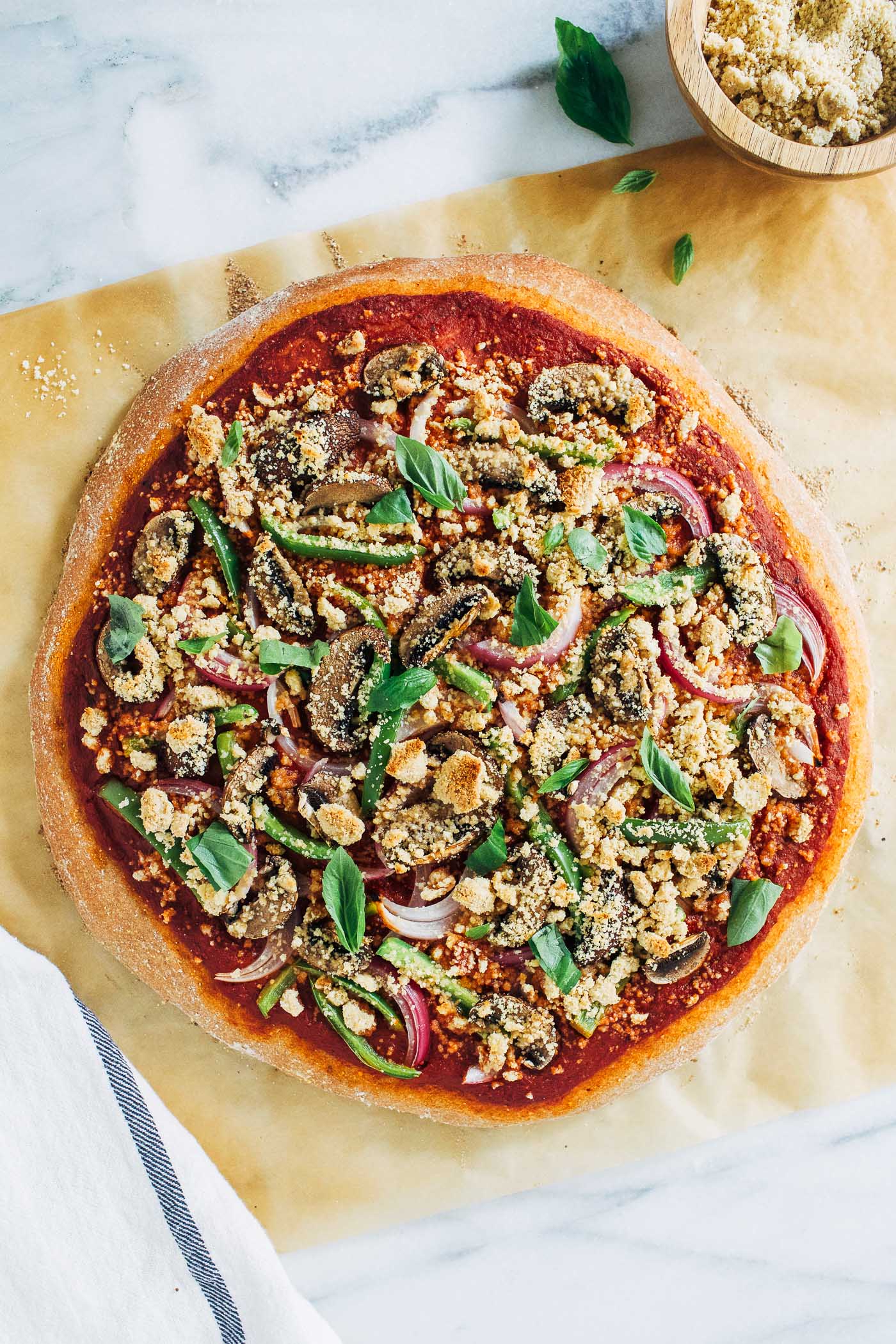
Credit: www.makingthymeforhealth.com
Healthy Crust Alternatives
Choosing a healthy pizza crust can improve your meal’s nutrition without losing taste. Traditional pizza dough uses white flour, which is low in fiber and high in carbs. Many alternatives offer more vitamins, fiber, and protein. These options suit different diets, including low-carb and gluten-free. They bring fresh flavors and nutrients to your pizza.
Cauliflower Crust
Cauliflower crust is low in carbs and gluten-free. It provides vitamin C, K, and fiber. Its mild flavor works well with vegetable toppings. This crust is light and easy to digest. It’s a popular choice for those cutting carbs.
Chickpea Flour Crust
Chickpea flour adds protein and fiber to pizza crust. It is naturally gluten-free and rich in iron. The crust has a slightly nutty taste. It holds toppings well and offers good texture. Chickpea crust supports healthy digestion and blood sugar.
Almond Flour Crust
Almond flour crust is high in healthy fats and protein. It is low in carbs and gluten-free. This crust has a soft, slightly sweet flavor. Almond flour helps keep you full longer. It is an excellent choice for keto diets.
Sprouted And Whole Grain
Sprouted grains and whole wheat increase fiber and nutrients. They provide B vitamins and minerals like magnesium. These crusts have a nutty, rich taste. They support steady blood sugar and digestion. Choose sprouted grains for better nutrient absorption.
Greek Yogurt Crust
Greek yogurt crust combines yogurt and flour for a soft base. It adds protein and probiotics for gut health. This crust is simple to make and quick to bake. It has a tangy flavor that pairs well with many toppings. Greek yogurt crust is a fresh twist on classic dough.
Vegetable-based Crusts
Vegetable crusts use ingredients like zucchini or sweet potato. They add fiber, vitamins, and natural sweetness. These crusts are usually gluten-free and low in carbs. They bring unique textures and bright colors to pizza. Vegetable crusts fit well in plant-based diets.
Benefits Of Alternative Flours
Alternative flours bring new benefits to pizza dough. They change the nutrition profile in healthy ways. These flours often have fewer carbs, more protein, and extra fiber. They can also offer vitamins and minerals missing in regular flour. Using them can make your pizza crust better for your body.
Lower Carb Options
Some alternative flours contain fewer carbs than white flour. Almond flour and coconut flour are good examples. They help reduce the total carbohydrate intake. This benefits those who watch their blood sugar or follow low-carb diets. Lower carbs also mean less energy spikes after eating pizza dough.
Higher Protein Content
Certain flours have more protein than traditional wheat flour. Chickpea flour and quinoa flour are rich in protein. Protein helps build and repair muscles. It also keeps you feeling full longer. Adding these flours makes the pizza dough more satisfying and nutritious.
Increased Fiber
Fiber is important for digestion and gut health. Whole grain flours like spelt and buckwheat have more fiber than white flour. Fiber slows digestion, which helps control blood sugar. It also aids in weight management by promoting fullness. Using high-fiber flours improves your pizza’s health value.
Vitamin And Mineral Boosts
Many alternative flours provide extra vitamins and minerals. For example, chickpea flour has iron and magnesium. Cauliflower flour offers vitamin C and K. These nutrients support immune health and bone strength. Choosing nutrient-rich flours makes your pizza dough more wholesome.
Making Dough Healthier
Making pizza dough healthier improves nutrition without losing taste. Small changes to ingredients can boost fiber, vitamins, and minerals. These shifts lower refined carbs and unhealthy fats. The result is a dough that supports better health and still feels like a treat.
Reducing Refined Ingredients
Replace white flour with whole-grain or sprouted options. These choices add fiber and nutrients. Fiber helps digestion and keeps blood sugar steady. Using less processed flour cuts empty calories. It also adds a nutty flavor and chewy texture to dough.
Incorporating Nutrient-dense Additions
Add seeds like flax or chia for omega-3 fats and protein. Mix in finely ground nuts or vegetable purees such as spinach or pumpkin. These ingredients increase vitamins, minerals, and antioxidants. They also add moisture and natural sweetness to the dough.
Using Natural Sweeteners
Swap refined sugar with honey, maple syrup, or mashed fruit. Natural sweeteners provide trace nutrients and antioxidants. They give a milder, richer sweetness to the dough. Using less sugar keeps the dough healthier and lowers calorie count.
Adjusting Fats For Better Health
Choose heart-healthy fats like olive oil or avocado oil. These fats support good cholesterol and provide vitamin E. Avoid trans fats and limit saturated fats from butter. Healthy fats improve dough texture and add flavor without harmful effects.
Choosing The Right Dough
Choosing the right pizza dough shapes your meal’s health and taste. Dough varieties differ in ingredients and nutrition. Your choice impacts digestion, energy, and enjoyment. Consider what suits your body and palate best. This section helps pick dough that fits your lifestyle and health goals.
Dietary Needs And Preferences
Some doughs cater to specific diets. Gluten-free options use cauliflower or chickpea flour. Whole-grain dough adds fiber and nutrients. Vegan dough avoids animal products, using plant-based ingredients. Match dough type to your daily dietary needs. This choice supports your overall well-being.
Balancing Taste And Nutrition
Healthy dough does not mean dull flavor. Whole wheat and sprouted grains offer a nutty taste. Cauliflower crusts taste mild and complement veggies well. Almond flour adds a subtle richness. Select dough that satisfies your taste buds and fuels your body. Enjoy pizza without compromising health.
Considering Food Sensitivities
Food sensitivities shape dough selection. Gluten intolerance demands gluten-free doughs like chickpea or cauliflower. Some may react to yeast or dairy in dough. Read ingredient labels carefully. Choose dough free from your allergens to avoid discomfort. Safe choices make your pizza meal pleasant.
Meal Planning Tips
Plan meals around your chosen dough type. Prepare dough in batches and freeze for convenience. Pair with fresh vegetables and lean proteins. Control portion sizes to maintain balanced nutrition. Include diverse toppings to boost vitamins and minerals. Thoughtful planning creates healthy, delicious pizza meals.
Homemade Vs Store-bought
Choosing between homemade and store-bought pizza dough affects your meal’s taste and health. Both options have pros and cons that matter for your diet and lifestyle. Understanding these differences helps you pick the best dough for your pizza.
Ingredient Control
Making dough at home lets you pick every ingredient. You avoid preservatives and additives found in many store-bought doughs. Use fresh flour, natural yeast, and healthy oils. Homemade dough can be tailored to fit dietary needs like gluten-free or whole wheat. Store-bought dough often contains extra sugar and sodium. You cannot change what is already mixed.
Nutritional Differences
Homemade dough usually has fewer calories and less salt. You can add whole grain flour for more fiber and nutrients. Store-bought dough tends to use refined flour and added chemicals. These can reduce the dough’s health benefits. Homemade dough often has better protein content. It supports a balanced diet and keeps blood sugar steady.
Convenience Factors
Store-bought dough saves time and effort. It is ready to use, perfect for quick meals. Homemade dough requires time to mix and rise. It needs planning ahead. For busy days, store-bought dough can be a good choice. For a relaxing cooking day, homemade dough offers a rewarding experience.
Cost Considerations
Making dough at home usually costs less in the long run. Basic ingredients like flour and yeast are affordable and last long. Store-bought dough is pricier per pizza and may add up over time. Homemade dough also reduces packaging waste, which is good for the environment. Consider your budget and cooking frequency when choosing.
Frequently Asked Questions
What Is The Healthiest Dough For Pizza?
The healthiest pizza dough uses nutrient-rich flours like cauliflower, chickpea, almond, or whole grains. These options offer more fiber, protein, vitamins, and lower refined carbs than white flour. Choose cauliflower for low-carb and gluten-free benefits or whole grain for extra fiber and stable blood sugar.
Is Pizza Dough Good For Health?
Traditional pizza dough made from refined flour offers limited nutrients and can spike blood sugar. Healthier options include whole grain, cauliflower, or chickpea flour doughs. These alternatives provide more fiber, protein, and vitamins, supporting better digestion and blood sugar control while fitting various dietary needs.
What Are The Ingredients Of Pizza Dough?
Pizza dough ingredients include all-purpose flour, water, yeast, olive oil, salt, and sometimes sugar. Some recipes add whole wheat flour or Greek yogurt for health benefits.
Is It Healthier To Make Your Own Pizza Dough?
Making your own pizza dough lets you control ingredients, reducing refined carbs and additives. Homemade dough can be healthier with whole grains or alternative flours like cauliflower or chickpea. It boosts nutrients and fiber, fitting various diets better than store-bought options.
Conclusion
Choosing the right pizza dough ingredients affects both taste and health. Whole grains, chickpea, and cauliflower crusts offer more nutrients than white flour. These options add fiber, protein, and vitamins to your meal. They also help manage blood sugar and improve digestion.
Simple swaps can make pizza healthier without losing flavor. Try different dough types to find what suits your body and taste buds best. Enjoy pizza that supports your health and satisfies your cravings.

As the author of the “Ultimate Pizza Guide: Recipes, Tips & Secrets Revealed,” I’m dedicated to sharing my love for pizza and empowering others to create delicious homemade pizzas with ease. Join me on a journey to uncover the secrets to perfecting your pizza game!