When you think of pizza, your mind probably jumps straight to the gooey cheese and tasty toppings. But have you ever paused to consider what’s really inside the pizza dough beneath it all?
Understanding the nutritional value of pizza dough can change the way you enjoy this favorite dish—and even help you make smarter choices next time you bake or order. Whether you’re curious about how many calories you’re consuming or want to find healthier alternatives without sacrificing flavor, this article will guide you through everything you need to know.
Ready to discover the secrets hidden in your pizza crust and turn your favorite meal into a balanced delight? Keep reading, because what you learn might surprise you.

Credit: www.eatbanza.com
Nutritional Breakdown
The nutritional breakdown of pizza dough reveals its basic components and their health impact. Understanding these nutrients helps you make better choices for your pizza base. Dough varies greatly depending on ingredients used, affecting calories and nutrients.
Traditional pizza dough often uses refined flour, which changes the nutritional profile. Healthier dough options include whole grains or alternative flours, which offer more nutrients and fiber. Below is a detailed look at the key nutritional elements of pizza dough.
Calories And Macronutrients
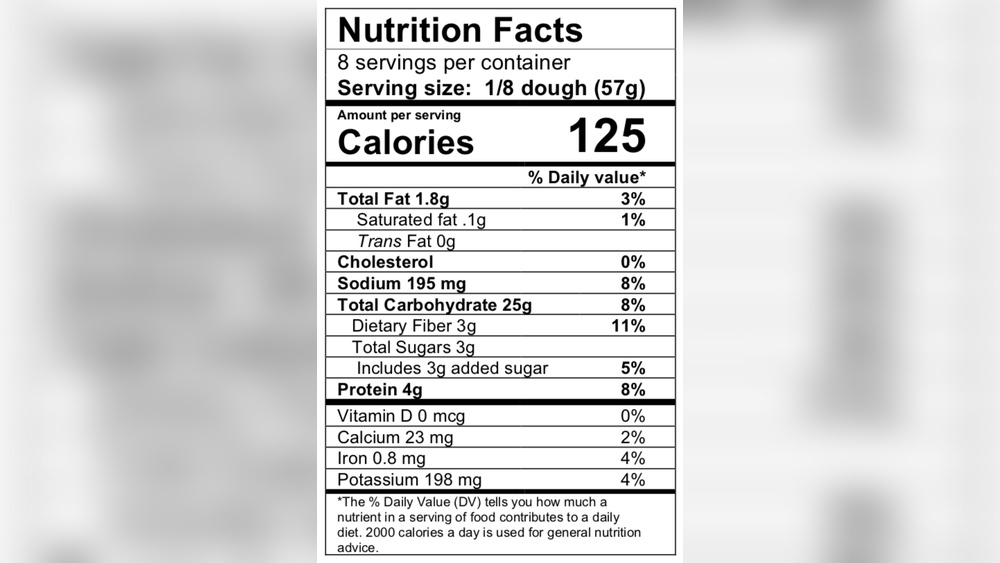
Pizza dough mainly provides energy through carbohydrates. One cup of typical dough has about 130 to 150 calories. It contains roughly 25 to 30 grams of carbohydrates, mostly from starch.
Protein content is modest, usually around 4 to 6 grams per serving. Fat is low, often less than 2 grams, unless added oils are included. Calories can increase with added sugar or fats in the recipe.
Vitamins And Minerals
Refined dough offers limited vitamins and minerals. It has small amounts of iron and some B vitamins like niacin and thiamine. Whole wheat or enriched dough improves this, supplying more folate, magnesium, and zinc.
Alternative flours can add unique nutrients, such as calcium from almond flour or vitamin C from cauliflower flour. Sourdough fermentation may also increase mineral absorption.
Fiber Content
Fiber is low in dough made from refined white flour, usually less than 1 gram per serving. Whole wheat or whole grain dough boosts fiber to about 3 to 5 grams per serving.
Higher fiber supports digestion and helps control blood sugar. Choosing dough with added fiber helps you feel full longer and aids overall health.
Traditional Dough Ingredients
Pizza dough starts with a few basic ingredients. These ingredients shape its texture and taste. Traditional dough mainly uses refined white flour, water, yeast, salt, and sometimes oil. Each ingredient impacts the dough’s nutritional value.
Understanding these components helps to know what you eat. It also guides you to healthier pizza choices. Below, we explore key ingredients and their effects.
Refined White Flour Effects
Refined white flour is the main ingredient in traditional pizza dough. It is made by removing the bran and germ from wheat. This process strips away fiber, vitamins, and minerals.
Without fiber, the dough causes quick blood sugar spikes. These spikes can lead to energy crashes and cravings. The flour mainly provides carbohydrates with little nutritional benefit. It lacks important nutrients found in whole grains.
White flour is easy to digest but offers less lasting energy. It also has a higher glycemic index, which may affect blood sugar control. Choosing whole grain or alternative flours can improve nutrition.
Sodium And Fat Levels
Traditional dough recipes often include added salt. Salt improves flavor and strengthens gluten. However, high sodium intake can raise blood pressure risks.
Some doughs use oil or butter to add fat. These fats add calories and change texture. Many recipes use vegetable oils high in omega-6 fats, which can promote inflammation if eaten excessively.
Controlling the amount of salt and fat in dough can make pizza healthier. Using less salt or healthier oils like olive oil is beneficial. Lower sodium and balanced fat levels support heart health.
Healthier Dough Alternatives
Choosing the right pizza dough can boost your meal’s nutrition. Traditional dough often uses refined flour, which lacks fiber and nutrients. Healthier dough alternatives offer more vitamins, fiber, and protein. These options support better digestion and keep you full longer. They also help balance blood sugar levels. Below are some popular healthier dough choices to try.
Whole Wheat And Whole Grain Options
Whole wheat and whole grain doughs contain all parts of the grain. This means more fiber, vitamins, and minerals. Fiber helps digestion and keeps you full. These doughs have a nuttier flavor and denser texture. They release energy slowly, avoiding blood sugar spikes. Whole grain dough is a simple swap for a healthier pizza base.
Alternative Flours: Cauliflower, Almond, Chickpea
Alternative flours reduce carbs and add nutrients. Cauliflower flour is low in calories and carbs. It adds vitamins C and K to your dough. Almond flour is rich in healthy fats and protein. Chickpea flour boosts fiber and protein content. These flours work well for gluten-free diets. Each brings a unique taste and texture to the crust.
High-protein Doughs With Greek Yogurt
Adding Greek yogurt increases protein in your dough. Protein helps build muscles and keeps hunger away. This dough is soft and slightly tangy. Greek yogurt also adds calcium and probiotics. It makes the dough rise faster without extra yeast. High-protein doughs are great for a balanced meal.
Sourdough Benefits
Sourdough uses natural fermentation by wild yeast and bacteria. This process breaks down gluten and makes nutrients easier to absorb. Sourdough may improve gut health and digestion. It has a rich, tangy flavor and chewy texture. The long fermentation lowers the dough’s glycemic index. This dough is a tasty and healthy choice for pizza.
Customizing For Health
Customizing pizza dough for health lets you enjoy pizza without guilt. Small changes in dough and toppings improve nutrition and taste. This approach balances calories, fiber, and vitamins for a better meal.
Choose ingredients that support your wellness goals. Adjust portions to avoid overeating. Add nutritious toppings to boost benefits. These tips make pizza a smart food choice.
Choosing Thin Crusts
Thin crusts have fewer calories and less dough. They reduce carbohydrate intake while keeping the pizza satisfying. This option helps control blood sugar levels and supports weight management. Thin crusts crisp up nicely and taste great with fresh toppings.
Incorporating Vegetables
Vegetables add fiber, vitamins, and minerals to pizza. Broccoli, spinach, peppers, and tomatoes work well as toppings. They increase fullness and improve digestion. Using a variety of veggies also enhances flavor and color on your pizza.
Managing Cheese Portions
Cheese adds protein and calcium but can be high in fat. Use part-skim mozzarella or smaller amounts to cut calories. Spreading cheese thinly still delivers taste without overwhelming the dish. Balancing cheese keeps pizza lighter and healthier.
Balancing Serving Sizes
Watching how much pizza you eat controls calorie intake. One or two slices fit well into a balanced meal. Pair pizza with a side salad or fruit to add nutrients. Mindful portions prevent overeating and support overall health.
Homemade Vs Store-bought Dough
Choosing between homemade and store-bought pizza dough impacts nutrition and taste. Both options have unique qualities affecting health and control over what you eat. Understanding these differences helps pick the best dough for your needs.
Control Over Ingredients
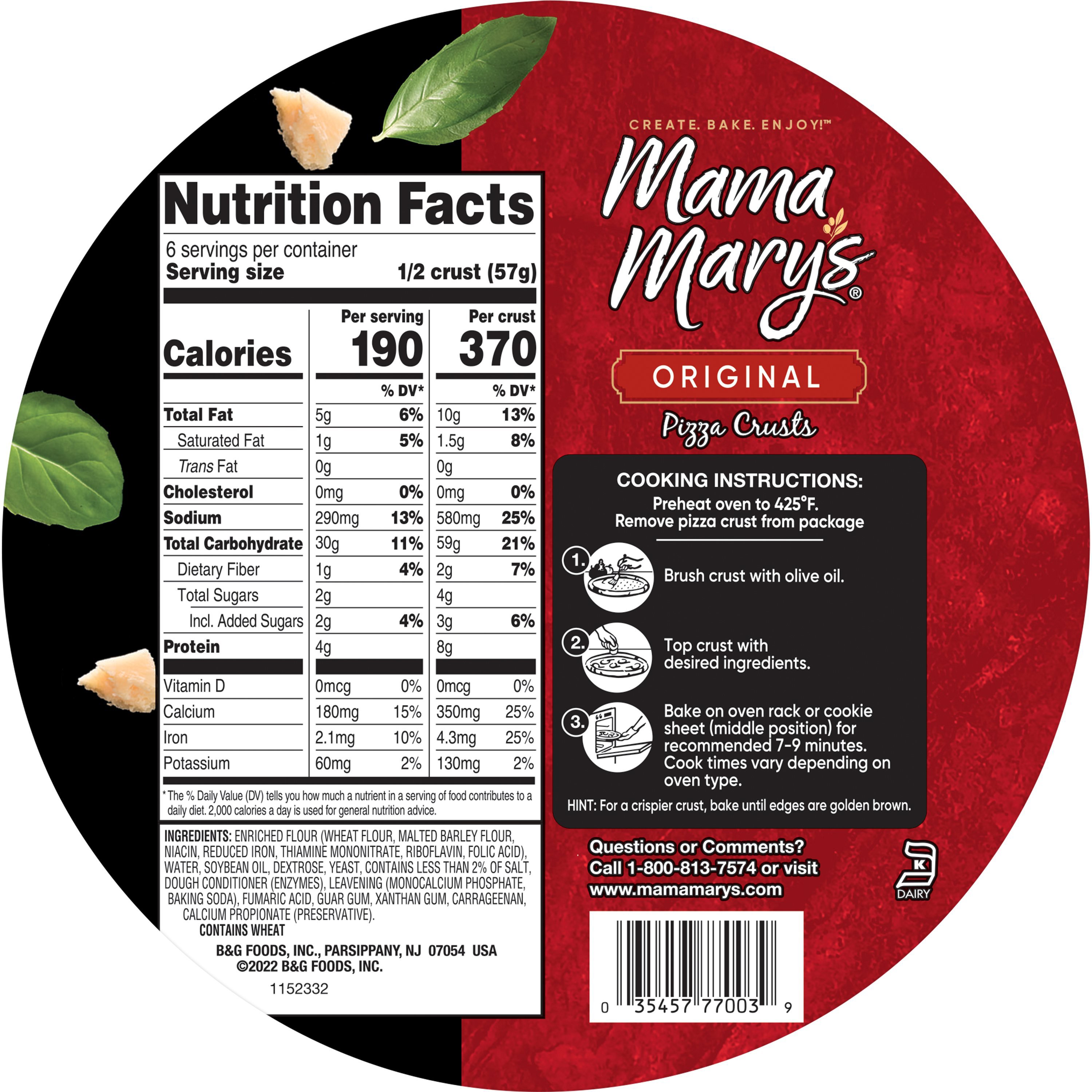
Homemade dough lets you choose every ingredient. You decide the type of flour, salt, and oil. This control helps avoid additives and preservatives found in many store-bought options. You can add healthy alternatives like whole wheat or almond flour. Store-bought dough often contains extra sugar and sodium. It may include preservatives to extend shelf life. Homemade dough allows fresh and simple ingredients only.
Nutritional Advantages
Homemade dough can be richer in fiber and nutrients. Using whole grain flours adds vitamins and minerals. You can lower salt and fat content easily. Adding ingredients like Greek yogurt boosts protein. Store-bought dough varies in nutrition but often has more carbs and less fiber. Some brands offer healthier versions with fewer additives. Homemade dough supports a balanced diet better by customizing nutritional content.
Potential Drawbacks
Making dough at home takes time and skill. It requires measuring, kneading, and waiting for rise. Mistakes can affect texture and taste. Store-bought dough saves time and effort. Some people may prefer its convenience despite lower nutrition. Store dough can contain allergens or preservatives some avoid. Homemade dough may spoil faster without preservatives. Both have trade-offs between health, taste, and convenience.
Credit: www.heb.com
Calorie Considerations
Calorie considerations play a key role in understanding pizza dough’s nutritional value. Different dough types vary in calorie content, affecting your meal’s total energy intake. Portion size also changes how many calories you consume. Balancing calories with toppings helps create a healthier pizza without sacrificing taste.
Calorie Counts In Different Dough Types
Traditional white flour dough tends to have higher calories. It contains more simple carbs and less fiber. Whole wheat dough offers fewer calories per serving and adds fiber. Alternative doughs like cauliflower or almond flour are lower in carbs and calories. High-protein doughs with Greek yogurt provide more calories but also more nutrients. Each dough type impacts calorie intake differently.
Impact Of Portion Size
Portion size directly affects calorie consumption. A large slice of pizza dough has more calories than a small one. Eating multiple slices increases total calorie intake quickly. Controlling portion size helps manage calories without cutting out favorite foods. Smaller portions allow for enjoying pizza while keeping energy balance in check.
Balancing Calories With Toppings
Toppings add calories but also nutrients. Veggie toppings add fiber and vitamins with fewer calories. Cheese and meats increase calories and fat content. Choosing lighter toppings balances the dough’s calories. Combining moderate portions of dough with healthy toppings creates a more balanced meal. This approach supports calorie control and better nutrition.
Digestibility And Nutrient Absorption
Digestibility and nutrient absorption are key factors in understanding pizza dough’s nutritional value. How well the body breaks down dough affects how nutrients enter the bloodstream. A dough that digests easily can provide energy and nutrients more efficiently. The process of digestion also influences gut health and overall wellness.
Different ingredients and preparation methods change how the body absorbs nutrients from pizza dough. This section explores these effects, focusing on fermentation and the role of fiber and protein.
Effects Of Fermentation
Fermentation changes dough’s structure and nutrient profile. Yeasts and bacteria break down complex starches and proteins into simpler forms. This makes the dough easier to digest. Fermentation also reduces compounds that block mineral absorption.
Sourdough is a popular fermented dough. It often causes less bloating and discomfort. Fermentation increases bioavailability of minerals like iron and zinc. This means your body can absorb more nutrients from the dough.
Role Of Fiber And Protein
Fiber in pizza dough slows digestion. This helps keep blood sugar stable after eating. Fiber also supports healthy gut bacteria and regular bowel movements. Whole grain flours have more fiber than refined ones.
Protein in dough supports muscle repair and growth. It also increases the feeling of fullness after meals. Adding protein-rich ingredients like Greek yogurt can improve dough’s nutritional value. Balanced fiber and protein improve nutrient absorption and overall health.

Credit: www.wholefoodsmarket.com
Pizza Dough In A Balanced Diet
Pizza dough can be part of a balanced diet when chosen wisely. It provides energy mainly through carbohydrates. Selecting the right type of dough helps manage blood sugar and nutrient intake. Whole grain or alternative flours offer more fiber and vitamins than refined white flour. Portion size also matters to keep meals balanced and healthy.
Combining Dough With Nutrient-rich Toppings
Adding nutrient-rich toppings boosts the meal’s value. Fresh vegetables like spinach, tomatoes, and bell peppers add fiber, vitamins, and minerals. Tomato sauce provides antioxidants such as lycopene. Using moderate amounts of cheese adds calcium and protein. This combination helps balance carbs from the dough with essential nutrients.
Incorporating Protein And Vegetables
Protein makes pizza more filling and supports muscle health. Choose lean proteins like grilled chicken, turkey, or plant-based options. Vegetables add volume and nutrients without many calories. Together, protein and vegetables improve meal quality and keep hunger away longer. This mix turns pizza into a more complete meal.
Making Pizza A Nourishing Meal
Start with a healthier dough base, such as whole wheat or sourdough. Add plenty of vegetables and a moderate amount of protein. Control cheese portions to avoid excess fat and calories. Keep portion sizes reasonable to avoid overeating. These steps create a pizza that tastes great and supports good nutrition.
Frequently Asked Questions
What Is The Nutritional Value Of Pizza Dough?
Pizza dough mainly provides carbohydrates and some protein. Traditional dough is high in refined flour and low in fiber. Whole wheat or alternative flours offer more nutrients and fiber. Nutritional value varies by ingredients and portion size. Homemade dough allows healthier, customizable options.
How Healthy Is Pizza Dough?
Pizza dough’s health varies by ingredients; whole grain or alternative flours boost fiber and nutrients. Portion size and toppings also impact healthiness.
Is Pizza Dough High In Calories?
Pizza dough can be high in calories due to refined flour and added fats. Whole grain or alternative flours lower calories and boost nutrition. Portion size and toppings also affect calorie content. Choosing thin crust and healthier ingredients helps reduce calorie intake.
How Many Calories Are In Homemade Dough?
Homemade dough typically contains about 100-150 calories per 100 grams, depending on ingredients used. Flour, water, yeast, and oil impact calorie count. Using whole grain or alternative flours may lower calories and add nutrients. Portion size also affects total calorie intake.
Conclusion
Pizza dough’s nutrition depends on ingredients and portion size. Traditional dough is high in carbs and low in fiber. Whole wheat or alternative flours add vitamins and minerals. Adding protein or vegetables boosts dough’s health value. Making dough at home lets you control what goes in.
Choose thinner crusts and moderate toppings for a balanced meal. Small changes can make pizza part of a healthy diet. Enjoy pizza without guilt by focusing on better dough choices.

As the author of the “Ultimate Pizza Guide: Recipes, Tips & Secrets Revealed,” I’m dedicated to sharing my love for pizza and empowering others to create delicious homemade pizzas with ease. Join me on a journey to uncover the secrets to perfecting your pizza game!