If you want to bake the perfect pizza at home, understanding your dough’s fermentation time is the secret you can’t ignore. The way your pizza dough ferments affects its flavor, texture, and how well it bakes.
But how long should you let it rise? Should you ferment it at room temperature or in the fridge? Getting this timing right can turn your homemade pizza from good to unforgettable. In this guide, you’ll discover clear, simple answers to all your fermentation questions—so your dough will always be just right.
Ready to unlock the full potential of your pizza dough? Let’s dive in.
Fermentation Basics
Fermentation is a key step in making pizza dough. It helps develop flavor and texture. During fermentation, dough changes as yeast and bacteria work inside it. This process affects the dough’s rise and taste. Understanding fermentation basics helps improve your pizza dough every time.
Fermentation time varies depending on temperature and recipe. Knowing the science behind it gives better control over dough results. Let’s explore the roles of yeast and bacteria and the chemical changes that happen during fermentation.
Yeast And Bacteria Role
Yeast is a tiny living organism that feeds on sugar in the dough. It produces carbon dioxide gas, which makes the dough rise. This gas creates bubbles, making the dough light and airy. Yeast also creates alcohol and acids that add flavor.
Bacteria, especially lactic acid bacteria, work alongside yeast. They produce acids that give the dough a slight tang. These acids improve the dough’s texture and shelf life. Both yeast and bacteria work together to shape the dough’s final taste and feel.
Chemical Changes During Fermentation
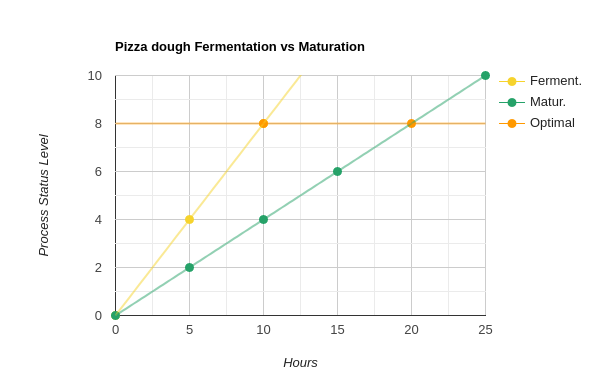
Fermentation causes many chemical reactions in the dough. Yeast breaks down sugars into carbon dioxide and alcohol. The carbon dioxide gas expands the dough, creating air pockets. Alcohol and acids develop complex flavors in the dough.
Proteins in the flour also change during fermentation. Gluten strengthens and stretches, giving dough its elasticity. This makes the dough easier to shape and chew. The longer the dough ferments, the more flavor and texture improve.
Credit: www.italianpizzasecrets.com
Impact Of Fermentation Time
Fermentation time greatly changes the taste and texture of pizza dough. It controls how the dough rises and develops flavor. Knowing the right fermentation time helps make better pizza. Understanding short, long, and over-fermentation effects guides the dough-making process.
Short Fermentation Effects
Short fermentation means the dough rests for a few hours only. The dough rises quickly but has less flavor. It feels denser and chewier after baking. The crust can be less crispy and less airy. This method works for fast pizza but lacks depth in taste.
Long Fermentation Benefits
Long fermentation lasts from 12 to 72 hours or more. The dough develops complex flavors and better texture. Yeast slowly breaks down sugars, making the crust light and airy. The gluten relaxes, so the dough is easier to stretch. This slow rise creates a crisp crust and rich aroma.
Over-fermentation Risks
Leaving dough too long can harm its quality. The dough may become sticky and hard to shape. It loses strength and collapses during baking. Over-fermented dough tastes sour and unpleasant. Too much fermentation can ruin the pizza’s texture and flavor.
Temperature Influence
Temperature plays a crucial role in pizza dough fermentation. It affects yeast activity, dough rise, and flavor development. Understanding how temperature influences fermentation helps achieve the perfect dough texture and taste. Different temperatures lead to distinct fermentation times and results.
Room Temperature Fermentation
Fermenting dough at room temperature speeds up yeast activity. The dough usually doubles in size within 1 to 3 hours. This method suits quick pizza preparation. The dough develops a mild flavor and softer texture. Watch the dough closely to prevent over-fermentation or sourness.
Cold Fermentation Advantages
Cold fermentation slows down yeast activity and extends fermentation time. The dough can ferment for 24 to 72 hours in the fridge. This process improves dough strength and elasticity. It allows flavors to deepen and become more complex. Cold fermentation also offers better dough handling and stretchability.
Temperature And Dough Flavor
Warmer temperatures create faster fermentation but milder flavors. Cooler temperatures slow fermentation and enhance flavor complexity. Enzymes break down starches and proteins more during cold fermentation. This produces a rich, slightly tangy taste in the dough. Temperature control is key to balancing fermentation speed and flavor depth.
Fermentation Time Recommendations
Fermentation time plays a key role in pizza dough flavor and texture. Adjusting the time changes the dough’s rise, taste, and chewiness. Different recipes call for varied fermentation times to suit your schedule and desired result.
Here are some common fermentation time recommendations to help you choose the right approach for your pizza dough.
Quick Dough Recipes
Quick dough recipes use short fermentation times, usually 1 to 2 hours. This method speeds up the yeast activity by using warm water. The dough rises fast but may lack deep flavor.
Use this method when you need pizza dough ready the same day. It produces soft dough with a mild taste. Perfect for busy evenings or when time is tight.
Overnight Fermentation
Overnight fermentation takes about 8 to 12 hours at room temperature or in the fridge. This allows the dough to develop more complex flavors. The yeast works slower, creating a better texture and aroma.
Make the dough the night before and bake the next day. This method fits well for weekend cooking or planned meals. It gives a balance between flavor and convenience.
Extended Cold Fermentation
Extended cold fermentation lasts 24 to 72 hours in the fridge. The low temperature slows yeast activity greatly. The dough develops rich, tangy flavors and a chewy texture.
This method suits pizza lovers who want artisan quality at home. Longer fermentation improves gluten strength and crust crispness. Ideal for special occasions or weekend projects.
Techniques To Control Fermentation
Controlling pizza dough fermentation is key to achieving the perfect crust. The process affects flavor, texture, and rise. Various techniques help manage fermentation speed and quality. Adjusting these factors allows bakers to work with dough more confidently and predictably.
Adjusting Yeast Quantity
Yeast controls how fast dough ferments. Using less yeast slows fermentation and improves flavor. More yeast speeds up the rise but may reduce depth of taste. Measuring yeast carefully helps match fermentation time to your schedule. This technique works well for both quick and slow dough recipes.
Using Refrigeration
Cold fermentation is a popular way to control dough activity. Placing dough in the fridge slows yeast action. This extends fermentation from hours to days. It lets flavor develop gradually and enhances dough texture. Refrigeration also adds flexibility for baking timing. Remove dough from the fridge before shaping to warm slightly.
Timing Dough Handling
When you handle dough impacts fermentation results. Kneading distributes yeast and oxygen evenly. Allowing dough to rest between handling stages helps gluten relax. Shaping dough too early can stop fermentation and affect rise. Planning dough handling steps around fermentation ensures better crust and crumb. Timing is crucial for consistent pizza quality.

Credit: www.theperfectloaf.com
Signs Of Perfectly Fermented Dough
Knowing the signs of perfectly fermented pizza dough helps create the best crust. Proper fermentation changes dough’s look, feel, and smell. These changes show that the yeast has worked well. A well-fermented dough rises, becomes soft, and develops flavor. This section explains how to spot these signs easily.
Visual Cues
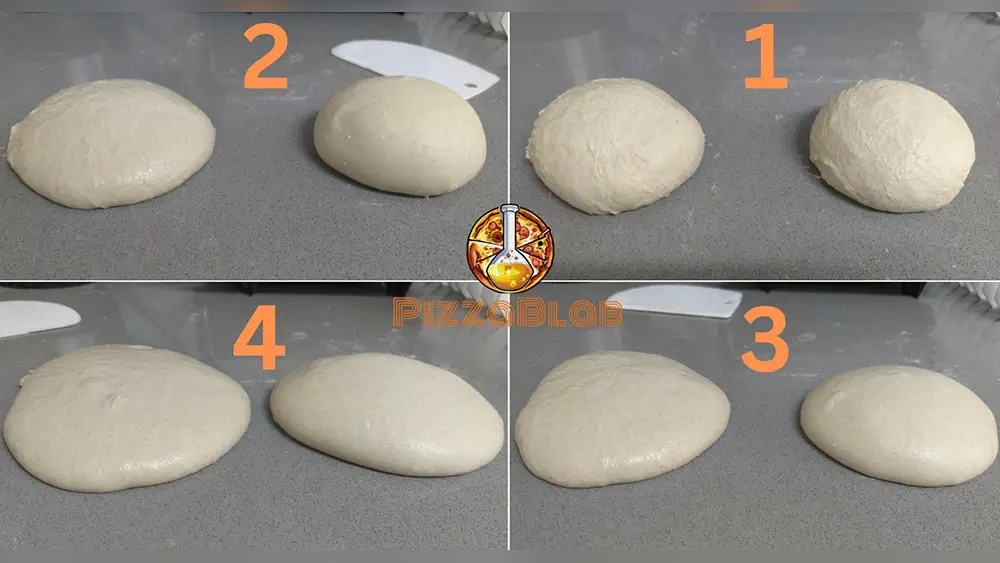
The dough should look smooth and slightly puffy. Small bubbles or air pockets appear on the surface. It may have expanded to nearly double its size. Avoid dough that looks dry or cracked. A shiny, slightly sticky surface means it is ready. These visual hints show active fermentation.
Texture Indicators
Press the dough gently with your finger. It should spring back slowly but leave a small dent. Too soft means over-fermented; too firm means under-fermented. The dough feels elastic and easy to stretch. It should not tear quickly. A perfect texture feels light and airy.
Aroma And Taste
The dough gives off a mild, pleasant yeast smell. It may have a slight tang from natural acids. Avoid sour or strong alcohol-like odors. A subtle, fresh scent signals balanced fermentation. Tasting a small piece reveals a mildly sweet, yeasty flavor. This taste depth adds to the final pizza crust.
Troubleshooting Fermentation Issues
Fermentation is a key step in making perfect pizza dough. Sometimes, things do not go as planned. Problems with fermentation can affect dough texture, rise, and flavor. Knowing how to fix these issues helps improve your pizza every time.
Dough Too Sticky Or Dry
Sticky dough usually means too much water or not enough flour. Add flour slowly while kneading until the dough feels soft and smooth. Dry dough means it lacks water. Add small amounts of water and knead well. Proper hydration is important for good fermentation.
Lack Of Rise
Dough that does not rise may have old yeast or wrong temperature. Use fresh yeast for best results. Keep the dough in a warm place, around 75°F (24°C), to help yeast activate. Cold or very hot temperatures slow or kill yeast, stopping the rise.
Off Flavors
Unpleasant flavors come from too long or too warm fermentation. Dough can taste sour or yeasty. Shorten fermentation time or lower temperature. Use clean utensils and bowls to avoid unwanted bacteria. Balanced fermentation creates a fresh, mild flavor.
Fermentation For Different Pizza Styles
Fermentation plays a key role in shaping pizza dough’s texture and flavor. Different pizza styles require unique fermentation times. This guide helps you understand the best fermentation periods for popular pizza types. Adjusting fermentation time impacts dough elasticity, taste, and crust crispness.
Neapolitan Style
Neapolitan pizza dough ferments best between 8 to 24 hours. This allows the dough to develop a light, airy texture. Traditionally, it is cold-fermented in the fridge. The slow fermentation enhances flavor without overproofing. Keep the dough covered to prevent drying out.
New York Style
New York style dough needs a longer fermentation of 24 to 72 hours. This results in a thicker, chewier crust. Cold fermentation is preferred for better gluten development. The extended time gives the dough complex flavors and a slight tang. Let the dough rest at room temperature before shaping.
Sourdough Pizza Dough
Sourdough pizza dough requires fermentation of 12 to 48 hours. The natural yeast and bacteria create a unique taste. Cold fermentation slows the process, improving texture and depth. Regular feeding of the starter ensures a strong rise. Patience is key for sourdough fermentation success.
Credit: www.pizzablab.com
Frequently Asked Questions
What Is The Ideal Pizza Dough Fermentation Time?
The ideal fermentation time varies from 12 to 72 hours. Longer fermentation develops better flavor and texture. Cold fermentation in the fridge slows yeast activity, enhancing taste. Room temperature fermentation is faster but less flavorful. Choose based on your schedule and desired dough characteristics.
How Does Temperature Affect Pizza Dough Fermentation?
Temperature controls yeast activity and dough rise speed. Warmer temperatures (70-75°F) speed fermentation but risk overproofing. Cooler temperatures (35-45°F) slow fermentation, improving flavor and texture. Cold fermentation allows longer proofing, resulting in a chewier crust. Adjust time based on your dough’s temperature environment.
Can I Ferment Pizza Dough Overnight?
Yes, overnight fermentation (8-24 hours) is common and effective. It allows the dough to develop flavor and structure. Refrigerate dough for overnight fermentation to slow yeast activity. Overnight fermentation balances convenience with quality for most home bakers.
Should I Let Dough Rest After Fermentation?
Yes, letting dough rest after fermentation relaxes gluten. This rest period, called “bench rest,” lasts 20-30 minutes. It makes dough easier to stretch and shape. Resting improves dough elasticity and final pizza texture.
Conclusion
Understanding pizza dough fermentation times helps you bake better pies. Short fermentations create quick, soft doughs. Longer fermentation adds flavor and texture depth. Cold fermentation slows yeast activity, enhancing taste. Room temperature fermentation works faster but requires attention. Adjust times based on your schedule and dough behavior.
Experiment with different methods to find your favorite. Patience pays off in every delicious slice. Keep practicing, and enjoy homemade pizza anytime.

As the author of the “Ultimate Pizza Guide: Recipes, Tips & Secrets Revealed,” I’m dedicated to sharing my love for pizza and empowering others to create delicious homemade pizzas with ease. Join me on a journey to uncover the secrets to perfecting your pizza game!