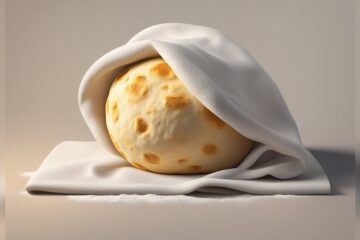
“Sourdough Pizza Vs Regular Dough”
When it comes to pizza, the dough makes all the difference. You might wonder: should you stick with regular dough or give sourdough pizza a try?
Both have their loyal fans, but they offer very different experiences in taste, texture, and even health benefits. If you care about flavor that’s rich and complex, or you’re curious about a lighter, easier-to-digest crust, sourdough might surprise you. On the other hand, regular dough offers consistency and simplicity that many love.
Ready to discover which dough suits your pizza cravings best? Keep reading, and you’ll learn everything you need to make your next pizza night truly delicious.
Taste Comparison
Comparing the taste of sourdough pizza dough and regular dough reveals distinct differences. Both offer unique flavors that appeal to different preferences. Understanding these taste traits helps pizza lovers choose their favorite crust.
The fermentation process and ingredient choice shape the dough’s flavor. Sourdough dough develops complex notes over time. Regular dough tends to have a milder and simpler taste. Let’s explore these differences in detail.
Flavor Profiles
Sourdough pizza dough has a tangy and slightly sour taste. This tanginess comes from natural wild yeasts and bacteria. The flavor is richer and more layered than regular dough. Regular dough tastes cleaner and sweeter because of commercial yeast. It has a straightforward wheat flavor without sour notes.
Fermentation Impact
Fermentation plays a key role in flavor building. Sourdough dough ferments longer, allowing natural acids to form. These acids add a mild sourness and depth to the crust. Regular dough ferments faster, producing less acid and fewer flavor compounds. This results in a softer, neutral taste.
Flavor Development Over Time
Sourdough dough’s flavor improves with longer fermentation. The taste becomes more complex and tangy as time passes. This slow process enhances the dough’s aroma and texture. Regular dough does not develop much flavor over time. It remains simple and fresh-tasting, best consumed soon after baking.
Texture Differences
Texture plays a key role in the appeal of any pizza crust. Sourdough pizza dough and regular dough differ significantly in their texture. These differences affect how the pizza feels when you bite into it and influence the overall eating experience. Understanding these contrasts helps you choose the style that suits your taste best.
Crust Crispiness
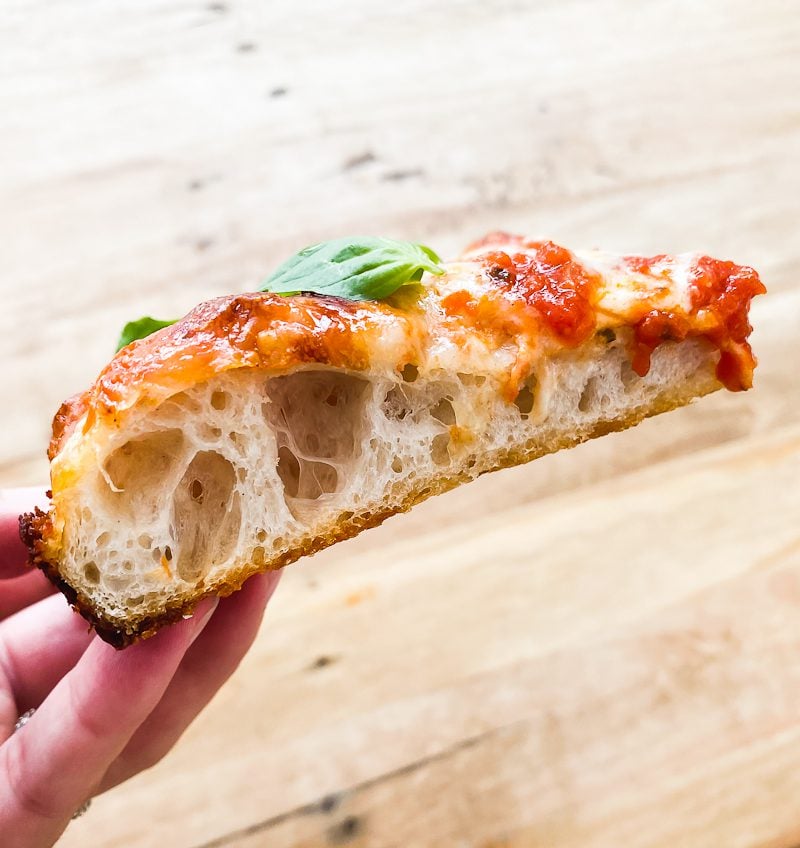
Sourdough pizza crust tends to be crispier on the outside. The natural fermentation creates bubbles in the dough. These bubbles form a crunchy outer layer when baked. Regular dough often produces a softer crust with less crunch. This makes sourdough crust ideal for those who enjoy a crackling bite.
Crumb Structure
The crumb of sourdough pizza is open and airy. It has irregular holes and a light texture. The fermentation process breaks down gluten and creates this unique structure. Regular dough usually has a tighter, more uniform crumb. This gives it a denser feel inside the crust. The airy crumb of sourdough adds to a lighter eating sensation.
Chewiness And Softness
Sourdough pizza offers a pleasant chewiness with a soft center. The slow fermentation develops gluten strength gently. This results in a crust that is both tender and chewy. Regular dough can be more elastic but less tender. It often feels doughier and less complex. Sourdough’s softness and chew balance create a satisfying mouthfeel.
Health Benefits
Sourdough pizza offers unique health benefits compared to regular dough. The natural fermentation process changes the dough’s properties. This affects how our bodies respond to it. Understanding these benefits helps you make healthier choices for your meals.
Glycemic Index Effects
Sourdough pizza has a lower glycemic index than regular dough. This means it raises blood sugar more slowly. Slow sugar release helps maintain steady energy levels. People with diabetes or insulin resistance may find it helpful. Regular dough often causes quick spikes in blood sugar.
Digestibility And Gluten Breakdown
The fermentation in sourdough breaks down gluten proteins partly. This makes sourdough pizza easier to digest. Some people with mild gluten sensitivity may tolerate it better. Regular dough does not undergo this natural breakdown. It can feel heavier and harder to digest for some.
Nutrient Retention
Sourdough fermentation improves nutrient availability. It reduces phytic acid, which blocks minerals like iron and zinc. This allows better absorption of nutrients from the dough. Regular dough retains more phytic acid, limiting mineral uptake. Eating sourdough pizza can support better nutrition overall.
Fermentation Process
The fermentation process plays a vital role in shaping the taste and texture of pizza dough. It involves the action of yeast and bacteria that break down sugars in the flour. This process produces gases and acids that make the dough rise and develop flavor. Different fermentation methods create distinct dough characteristics. Understanding these differences helps in choosing between sourdough and regular pizza dough.
Sourdough Starter Vs Commercial Yeast
Sourdough starter is a natural mix of wild yeast and bacteria. It forms over time by fermenting flour and water. This starter grows slowly and adds complex flavors to the dough.
Commercial yeast is a single strain of yeast made for fast fermentation. It produces carbon dioxide quickly, making dough rise faster. This yeast has a milder taste compared to sourdough starter.
Fermentation Time
Sourdough pizza dough ferments slowly, often for 12 to 48 hours. This long time allows flavors to develop deeply. The acids produced also improve the dough’s shelf life.
Regular dough with commercial yeast usually ferments in 1 to 3 hours. It rises fast but lacks the depth of flavor found in sourdough. Quick fermentation suits busy kitchens and fast baking.
Impact On Dough Characteristics
Sourdough fermentation creates a chewy texture and a tangy flavor. The crust often becomes crispier with a slight sour note. The dough is more digestible due to natural acids and enzymes.
Regular dough tends to be soft and neutral in taste. It has a lighter, airier crumb but less complex flavor. The shorter fermentation may result in less digestibility compared to sourdough.
Making Sourdough Pizza
Making sourdough pizza is a unique and rewarding process. It uses natural fermentation to create a flavorful crust. This method takes more time than regular pizza dough but offers a richer taste and better texture.
The natural starter replaces commercial yeast, giving the dough a slight tang. The slow rise helps develop more complex flavors. This style of pizza dough is gaining popularity among home cooks and chefs.
Key Ingredients
Sourdough starter is the heart of this dough. It contains natural wild yeast and bacteria. Use high-quality flour, preferably bread flour or a mix of bread and whole wheat flour. Water should be at room temperature and clean. Salt adds flavor and controls fermentation.
Preparation Steps
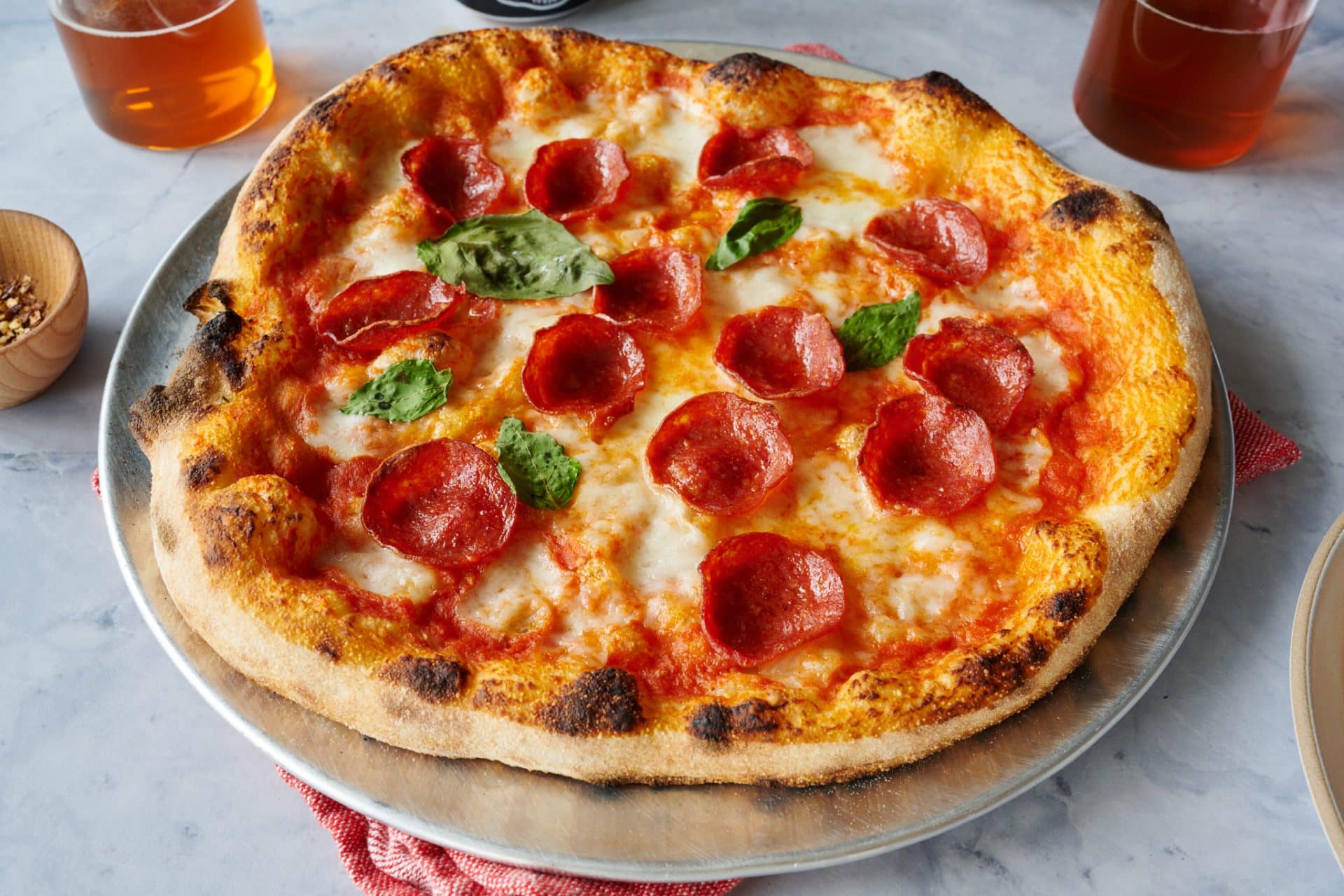
Start by feeding your sourdough starter the night before. Mix the starter with flour and water to form a sticky dough. Let it rest for a few hours to begin fermentation. Add salt and knead the dough gently. Allow the dough to rise slowly for 8 to 12 hours in a cool place. Shape the dough carefully without deflating it. Preheat the oven to the highest temperature possible before baking.
Common Challenges
Maintaining an active sourdough starter can be tricky. The dough may take longer to rise than regular dough. Temperature affects fermentation speed and dough texture. Handling sticky dough requires practice and patience. Over-proofing can cause the dough to collapse. Baking at home may need a pizza stone or steel for best results.
Credit: www.theperfectloaf.com
Traditional Vs Sourdough Origins
The origins of traditional and sourdough pizza dough reveal distinct culinary paths. Traditional dough relies on commercial yeast for quick fermentation. Sourdough dough uses natural wild yeast and bacteria from a starter culture. This difference shapes flavor, texture, and baking methods. Understanding these origins helps appreciate each dough’s unique qualities and cultural roots.
Italian Pizza Traditions
Italian pizza dough traditionally uses simple ingredients: flour, water, salt, and yeast. The yeast is often commercial, providing consistent rise and texture. Naples, the birthplace of pizza, prefers a soft, chewy crust with a slight tang. Some Italian bakers use natural leavening, similar to sourdough, for deeper flavors. This method ties pizza to ancient bread-making traditions in Italy.
Regional Variations
Across Italy, pizza dough varies by region. In Rome, the dough is thin and crisp, often baked in electric ovens. Southern Italy favors thicker, airy crusts, sometimes with longer fermentation. Sourdough dough is more common in artisanal pizzerias. It offers a complex taste and better digestibility. Each region’s style reflects local ingredients and baking customs.
Modern Adaptations
Modern pizza makers experiment with sourdough to add flavor and nutrition. Sourdough fermentation breaks down gluten and improves texture. It also creates a tangy, slightly sour taste absent in regular dough. Many chefs combine traditional techniques with sourdough starters. This blend respects heritage while appealing to today’s health-conscious consumers.
Shelf Life And Storage
Understanding the shelf life and storage of sourdough pizza dough versus regular dough is important for maintaining quality. Both dough types differ in how long they stay fresh and how they should be stored. Proper storage preserves taste and texture, making your pizza more enjoyable.
Freshness Duration
Sourdough pizza dough lasts longer than regular dough. Its natural fermentation creates acids that slow down spoilage. You can keep sourdough dough in the fridge for up to 5 days. Regular dough usually stays fresh for 2 to 3 days. Freezing either dough can extend shelf life for several weeks.
Storage Tips
Store both doughs in airtight containers or wrapped tightly in plastic wrap. Keep them in the refrigerator to slow yeast activity and bacterial growth. Let the dough come to room temperature before use for best results. Avoid storing dough near strong-smelling foods to prevent odor absorption. For longer storage, freeze the dough in portion sizes and thaw overnight in the fridge.
Effect On Taste And Texture
Sourdough dough develops a richer flavor over time due to fermentation acids. Its texture becomes chewier and more complex with longer storage. Regular dough loses freshness faster and may become sticky or dry. Proper storage keeps both doughs soft and elastic. Sourdough’s taste improves with slow fermentation, adding depth to your pizza crust.

Credit: mypizzacorner.com
Choosing The Right Dough
Choosing the right dough for your pizza can change the whole experience. Each dough type has its own qualities. These qualities affect taste, texture, and health benefits. Understanding these differences helps you pick dough that fits your needs and preferences.
Below, we explore key factors to consider when choosing between sourdough and regular pizza dough.
Dietary Considerations
Sourdough dough undergoes natural fermentation. This process can reduce gluten levels and improve digestion. It also lowers the glycemic index, meaning it releases sugars slowly. This helps maintain steady blood sugar levels. Regular dough often uses commercial yeast and refined flour. It may cause quicker blood sugar spikes. People with sensitive stomachs or diabetes may prefer sourdough for these reasons.
Flavor Preferences
Sourdough pizza has a tangy, complex taste. The fermentation adds depth and slight sour notes. Regular dough tastes milder and more neutral. It allows toppings to stand out more. Choose sourdough if you like bold, rustic flavors. Pick regular dough for a classic, familiar pizza taste. Both doughs offer unique flavor profiles to match different palates.
Cooking Methods
Sourdough dough needs longer rising times due to natural fermentation. It bakes into a crisp crust with chewy texture. Regular dough rises faster and bakes softer and lighter. Sourdough works well in high-heat ovens or wood-fired pizza ovens. Regular dough suits standard home ovens and quick baking. Consider your cooking setup and time when selecting dough.
Credit: www.theclevercarrot.com
Frequently Asked Questions
Is Sourdough Pizza Dough Healthier Than Regular Pizza Dough?
Sourdough pizza dough undergoes natural fermentation, lowering its glycemic index and improving digestion. It often contains more nutrients than regular dough. This makes sourdough a healthier choice, especially for blood sugar control and gut health.
Are Sourdough And Pizza Dough The Same?
Sourdough and pizza dough differ in fermentation. Sourdough uses natural yeast, adding flavor and digestibility. Regular dough typically uses commercial yeast. Both create delicious crusts but vary in taste, texture, and health benefits.
Do Italians Use Sourdough For Pizza?
Italians sometimes use sourdough for pizza dough, especially in traditional or artisanal recipes. It enhances flavor and texture.
Is Sourdough Better For You Than Regular Dough?
Sourdough has a lower glycemic index and breaks down gluten, aiding digestion. It offers richer flavor and may support better blood sugar control than regular dough.
Conclusion
Sourdough pizza dough offers a unique taste and texture. It ferments longer, giving a tangy flavor. Regular dough is quicker to make and more neutral. Sourdough may aid digestion and control blood sugar better. Both types create delicious pizzas for any preference.
Experiment with each to find your favorite crust. Enjoy the process and the tasty results.

As the author of the “Ultimate Pizza Guide: Recipes, Tips & Secrets Revealed,” I’m dedicated to sharing my love for pizza and empowering others to create delicious homemade pizzas with ease. Join me on a journey to uncover the secrets to perfecting your pizza game!