“Hydration Level in Pizza Dough”
Have you ever wondered why some pizza crusts are perfectly chewy while others turn out dense or too crispy? The secret often lies in the hydration level of your pizza dough—the amount of water mixed with flour.
Getting this balance right can transform your homemade pizza from ordinary to extraordinary. Whether you like a light, airy crust or a thin, crispy base, understanding hydration will help you control texture, flavor, and baking performance. You’ll discover how different hydration levels impact your dough and learn practical tips to find the perfect water-to-flour ratio for your ideal pizza.
Ready to elevate your pizza game? Let’s dive in!
Pizza Dough Hydration Basics
Understanding pizza dough hydration is key to baking great pizza at home. Hydration affects dough texture, stretch, and crust quality. It means the amount of water compared to flour in the dough recipe. Small changes in hydration can change the dough’s behavior and the final pizza’s taste and feel.
Every pizza style uses a different hydration level. Knowing these basics helps you adjust your dough for soft, chewy, or crispy results. Below, learn what hydration means, common levels, and how hydration varies by pizza style.
What Hydration Means
Hydration is the percentage of water to flour weight in dough. For example, if a recipe has 500 grams of flour and 350 grams of water, the hydration is 70%. More water makes the dough wetter and softer. Less water results in a stiffer, drier dough.
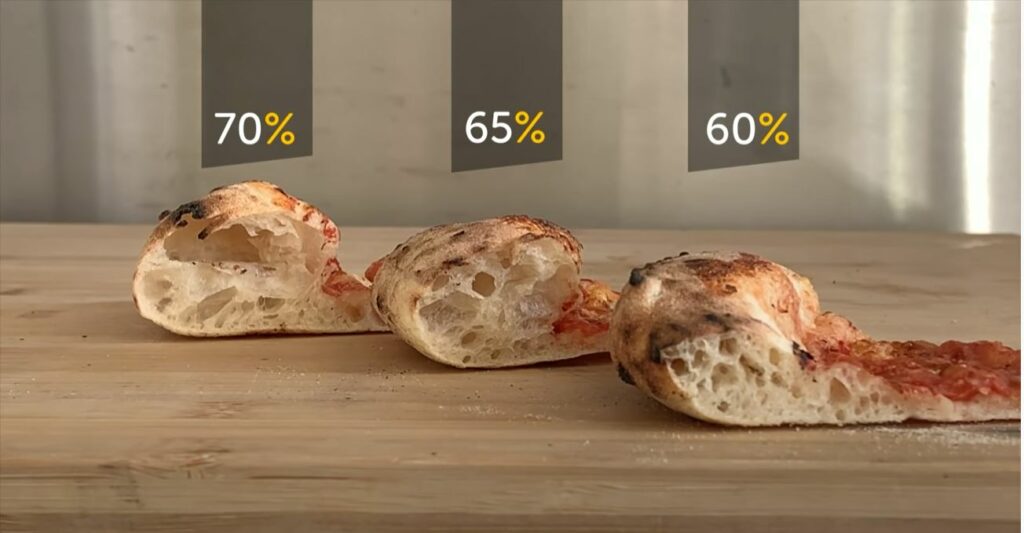
Hydration affects gluten development and dough elasticity. Higher hydration dough is sticky but creates a lighter crust with bigger holes. Lower hydration dough is easier to handle and yields a denser crumb.
Common Hydration Levels
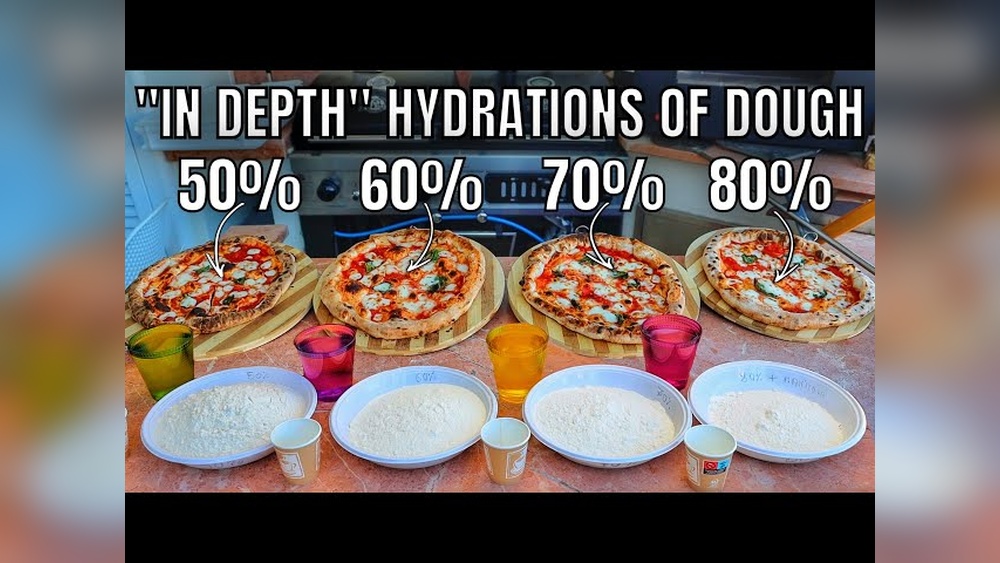
Typical pizza dough hydration ranges from 55% to 75%. Around 60% to 65% is common for beginners. This level balances ease of handling with a nice crust texture. Dough at 70% or higher is wetter and harder to work with but produces airy, open crumb pizzas.
Lower hydration doughs, about 55%, create a firmer, crunchier crust. Higher hydration doughs, above 70%, require gentle handling and often longer fermentation times. Choose hydration based on your baking skill and desired pizza texture.
Hydration By Pizza Style
Different pizza styles call for different hydration levels. Neapolitan pizza dough usually has 65% to 70% hydration. This gives a soft, chewy crust with a light center.
New York-style dough often uses 60% to 65% hydration for a foldable, slightly crisp slice. Thin and crispy pizzas, like tavern style, use lower hydration around 55% to 60% for a crunchier crust.
Deep dish or Detroit-style pizzas need higher hydration, around 70% to 75%, for a thick, soft, and airy dough that holds toppings well.

Credit: www.youtube.com
Impact On Dough Texture
The hydration level in pizza dough plays a crucial role in shaping its texture. The amount of water added affects how the dough feels and bakes. Changes in hydration influence chewiness, crispiness, density, and the way bubbles form. Understanding these effects helps create the perfect pizza base for any style.
Chewiness And Crumb Structure
Higher hydration makes the dough softer and more elastic. This results in a chewy texture that many pizza lovers enjoy. The crumb structure becomes more open with larger holes. Low hydration creates a tighter, denser crumb. This leads to a firmer bite and less chew.
Crispiness And Density
Low hydration dough tends to be denser and crispier after baking. Less water means the dough spreads less and cooks to a crunchier crust. Higher hydration dough can feel lighter but may lack crispiness. Balancing hydration controls the crust’s firmness and crunch level.
Bubble Formation And Lightness
Water content impacts how bubbles form during fermentation. More water helps create large, airy bubbles. This makes the pizza light and fluffy inside. Dough with low hydration produces smaller bubbles and a tighter crumb. This creates a denser, heavier texture overall.
Hydration Effects On Crust
Hydration level plays a vital role in shaping the crust of pizza dough. It controls the dough’s texture, moisture, and how it bakes. Adjusting the amount of water affects the crust’s softness, crunch, and overall quality. Understanding these effects helps in baking the perfect pizza crust every time.
Soft Vs. Crunchy Crust
Higher hydration dough creates a softer crust with an open crumb. The dough holds more water, which keeps it tender during baking. Lower hydration dough results in a denser, crunchier crust. Less water means the dough is firmer and crisps up faster. Bakers choose hydration based on the crust style they want.
Moisture Retention
Water in the dough helps retain moisture in the crust after baking. High hydration dough traps steam, making the crust moist inside. This moisture prevents the crust from becoming dry and hard. Low hydration dough loses moisture quickly, leading to a drier crust. Proper hydration balances chewiness and moisture well.
Baking Performance
Hydration affects how dough behaves in the oven. High hydration dough spreads easily and creates larger air pockets. It requires careful handling to avoid tearing. Low hydration dough is easier to shape and holds its form better. Baking time and temperature also change with hydration level for best results.
Credit: www.fontanaforniusa.com
Choosing Hydration Levels
Choosing the right hydration level in pizza dough plays a key role in the final taste and texture. Hydration means the amount of water compared to flour in the dough. Different levels affect how the dough feels and bakes. Adjusting hydration helps match the style of pizza you want. It also changes how the dough works in various ovens. Personal taste matters too, making hydration a flexible tool for pizza makers.
Matching Style And Texture
Each pizza style needs a certain dough texture. Lower hydration, around 55-60%, gives a dense and crisp crust. This suits thin and crispy pizzas. Higher hydration, 65-75%, makes a softer, airier crust. It fits Neapolitan or artisan styles. Adjust hydration to get the chewiness or crunch you prefer.
Adjusting For Oven Type
Oven heat and type change dough behavior. High hydration dough needs quick, high heat to rise well. Wood-fired ovens work great for this. Home ovens often heat slower and unevenly. Lower hydration dough handles this better. It bakes evenly and stays stable in moderate heat. Choose hydration that fits your oven’s power and heat distribution.
Personal Preferences
Your taste matters most when choosing hydration. Some like soft, bubbly crusts with more water. Others want firm, crunchy slices with less. Start with moderate hydration, around 60-65%, and test from there. Change the water amount little by little. Find the balance that feels right for your pizza and skill.
Handling High Hydration Dough
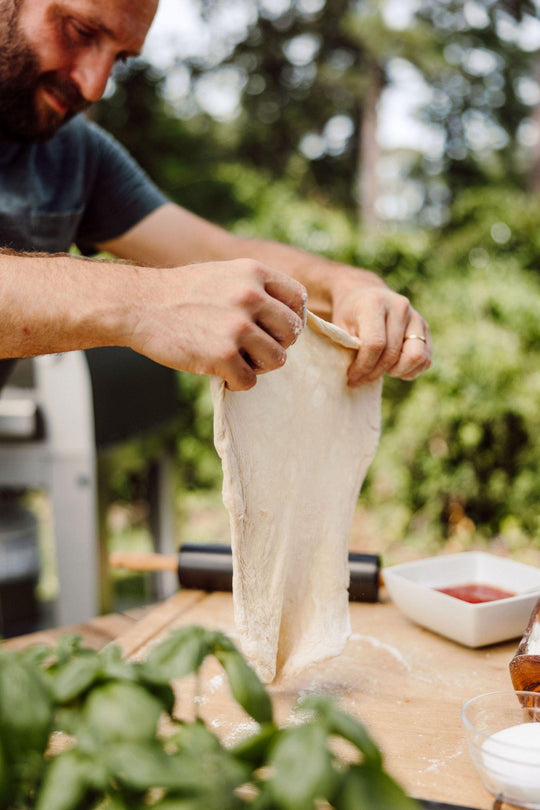
Handling high hydration dough can feel tricky. The dough is wetter and stickier than usual. It needs gentle care and the right techniques. This type of dough creates pizza with a light, airy texture and big bubbles. It also requires patience and practice to manage well.
Managing Stickiness
High hydration dough sticks to hands and surfaces easily. Use wet hands or lightly oil them to prevent sticking. Work on a well-floured board but avoid too much flour. Too much flour can change the dough’s texture. Use a dough scraper to lift and fold the dough gently. Keep the dough cool to reduce stickiness.
Techniques For Wet Dough
Stretch and fold the dough instead of kneading it hard. This helps build strength without losing moisture. Let the dough rest between folds to relax the gluten. Use a container with a lid for the dough to rise. This keeps the dough moist and helps it rise evenly. Avoid pressing down or flattening the dough too much.
Practice Tips
Start with a lower hydration and increase slowly as you get comfortable. Watch how the dough feels and reacts to your touch. Practice folding and shaping with patience. Use a kitchen scale for accurate water and flour amounts. Don’t rush the rising time; it improves dough texture. Over time, you will handle high hydration dough with ease.
Credit: pizzanea.com
Flour And Hydration
Flour plays a key role in pizza dough hydration. The amount of water dough absorbs depends mainly on the type of flour used. Different flours hold water differently. Understanding flour and hydration helps create the perfect dough texture. This section explains how flour affects hydration levels in pizza dough.
Flour Absorption Rates
Flour absorption rate means how much water flour can hold. Some flours soak up more water than others. High absorption flours make dough wetter and softer. Low absorption flours create drier and stiffer dough. Absorption depends on the flour’s grind and fiber content. Knowing absorption rates guides how much water to add.
Protein Content Effects
Protein in flour affects dough strength and water retention. Higher protein means more gluten forms, trapping more water. This makes dough elastic and chewy. Lower protein flour results in less water held and softer dough. Most pizza flours have moderate to high protein for good chewiness. Adjust water based on protein for best results.
Selecting The Right Flour
Choosing flour depends on the pizza style and hydration desired. Bread flour with high protein suits chewy, airy crusts with higher hydration. All-purpose flour works for crispier, thinner crusts with less water. Specialty flours like Italian “00” offer fine texture and moderate absorption. Match flour type with hydration to balance dough feel and handling.
Hydration Level Experiments
Experimenting with hydration levels in pizza dough is key to finding the perfect texture. Water content changes dough behavior, taste, and final crust quality. Testing different hydration percentages helps understand how dough reacts under various conditions.
These experiments reveal the right balance between chewiness and crispness. Small changes in water can make a big difference. Careful observation and note-taking improve baking results over time.
Trial And Error Approach
Start by mixing dough with a low hydration level, around 55%. Bake and note the crust and crumb texture. Increase water in small steps, like 5%, for each new batch. This hands-on method shows how hydration affects dough softness and stretch.
Expect sticky dough at higher hydration. Handling techniques may need adjustment. Trial and error helps find dough that is easy to shape but still light and airy.
Monitoring Dough Behavior
Watch how the dough feels and moves during mixing and rising. Is it sticky or dry? Does it stretch well or tear easily? Notice how fast it rises and how it holds bubbles. These clues show hydration impact on gluten development and fermentation.
Temperature and flour type also affect dough behavior. Keep conditions consistent to isolate hydration effects. Careful monitoring helps spot the best hydration level for your recipe.
Recording Results
Write down hydration percentages and outcomes for each trial. Include notes on dough feel, baking time, crust color, and taste. Photos can help compare textures visually. Over time, this record guides you to the ideal hydration level.
Use a simple chart or notebook to track changes. Clear records avoid repeating mistakes. They also help replicate success in future pizza batches.
Tips For Beginners
Starting to work with pizza dough hydration can feel tricky. Water affects the dough’s texture and handling. Beginners benefit from simple, clear steps. These tips help you find the right hydration level without frustration. Follow these easy ideas to improve your dough and bake better pizzas.
Starting With Moderate Hydration
Begin with a hydration level around 60%. This means 60 grams of water for every 100 grams of flour. Moderate hydration makes the dough easier to handle. It is not too sticky or too dry. This balance helps you learn kneading and shaping skills. You can see how the dough behaves before trying wetter recipes.
Gradually Increasing Water
Add water little by little as you gain confidence. Raising hydration slowly lets you understand how dough changes. More water creates a softer, airier crust but is harder to manage. Work with 1-2% more water each time. Test the dough’s stretch and stickiness. This approach avoids overwhelming you and keeps baking fun.
Using Wet Hands And Tools
High hydration dough can stick to your hands and tools. Keep your hands damp to stop the dough from sticking. Use a small bowl of water nearby for wetting your fingers. Wet your bench scraper or spatula before using. This simple trick makes handling wet dough easier. You can shape and stretch dough smoothly without tearing it.
Frequently Asked Questions
What Is The Best Hydration Level For Pizza Dough?
The best hydration level for pizza dough ranges from 60% to 70%. Higher hydration yields a lighter, airier crust. Lower hydration creates a denser, crispier base. Adjust based on desired texture and dough handling preferences for optimal results.
Is 60 Or 70 Hydration Pizza Dough Better?
A 60% hydration dough offers easier handling and a crispier crust. A 70% hydration dough creates a lighter, airier crumb but feels stickier and needs careful handling. Choose based on your texture preference and skill level.
What Is The 55 Rule For Pizza Dough?
The 55 rule for pizza dough means using 55% hydration—55 grams of water per 100 grams of flour. This creates a balanced, manageable dough.
Is Higher Hydration Pizza Dough Crispier?
Higher hydration pizza dough usually yields a softer, airier crust with large bubbles. It tends to be less crispy than lower hydration doughs. Lower hydration doughs create denser, crunchier crusts. Adjust hydration based on desired texture for the best balance of crispiness and chewiness.
Conclusion
Getting the right hydration level shapes your pizza’s texture and taste. Higher hydration creates a lighter, airier dough with big bubbles. Lower hydration makes dough firmer and easier to handle. Experiment slowly to find what suits your oven and style best.
Small changes affect chewiness and crust crispness a lot. Keep it simple and enjoy the process. Your perfect pizza dough waits with the right water balance.

As the author of the “Ultimate Pizza Guide: Recipes, Tips & Secrets Revealed,” I’m dedicated to sharing my love for pizza and empowering others to create delicious homemade pizzas with ease. Join me on a journey to uncover the secrets to perfecting your pizza game!