“Cold Proofing Pizza Dough Benefits”
If you love making pizza at home, you might be wondering how to take your dough from good to unforgettable. That’s where cold proofing comes in—a simple step that can transform your pizza dough into a flavor-packed, airy masterpiece.
By letting your dough rest slowly in the fridge, you unlock richer tastes and a lighter, crispier crust that’s hard to resist. Curious about how cold proofing can elevate your homemade pizza? Keep reading to discover the key benefits and tips that will make your next pizza night your best one yet.
Flavor Enhancement
Cold proofing pizza dough improves the taste significantly. It allows time for natural processes to work inside the dough. This slow process creates deeper and richer flavors. The dough develops a unique taste that is hard to get with quick rising. Cold proofing also improves the aroma and overall eating experience.
The secret lies in how the dough’s ingredients interact over time at low temperatures. These changes happen quietly but make a big difference in flavor.
Enzyme Activity And Sugar Breakdown
Enzymes in the dough slowly break down starches into simple sugars during cold proofing. These sugars feed the yeast and add sweetness to the dough. The process also helps develop a golden crust when baking. The longer the dough rests, the more sugars form. This creates a pleasant balance of sweet and savory notes in the final pizza.
Complex Flavor Compounds
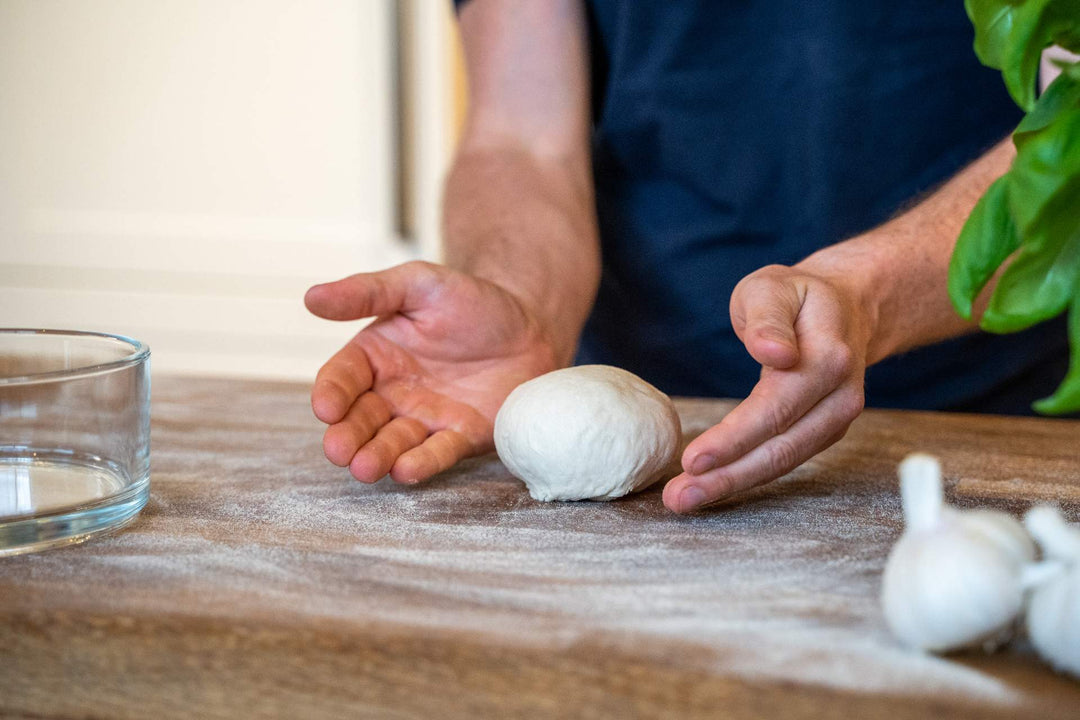
Cold proofing encourages the formation of complex flavor compounds. These compounds come from fermentation and chemical reactions in the dough. They give the pizza a more nuanced and layered taste. This includes subtle hints of nuttiness, tang, and depth. These flavors cannot develop in fast-risen dough. The result is a pizza with richer and more interesting flavor profiles.
Credit: uk.ooni.com
Texture Improvement
Cold proofing pizza dough greatly enhances its texture. The slow fermentation in the fridge allows the dough to develop unique qualities. These qualities improve the eating experience, making each bite more enjoyable. Texture improvement is a key benefit for many pizza lovers.
Air Pocket Development
Cold proofing encourages the growth of air pockets inside the dough. Yeast works slowly, creating small gas bubbles over time. These pockets make the dough light and fluffy. The longer fermentation helps the pockets become more uniform and stable. This results in a dough that rises well during baking.
Lighter And Airier Crust
The air pockets formed during cold proofing lead to a lighter crust. The crust feels soft but has a good crunch. It avoids being dense or heavy, which many prefer. A well-proofed dough bakes into a crust that is airy and tender. This texture balances perfectly with toppings and sauce.
Fermentation Process
The fermentation process is a key step in making delicious pizza dough. It changes the dough’s texture and flavor. During fermentation, yeast and enzymes work to break down sugars in the flour. This creates gas bubbles that make the dough rise. Cold proofing slows this process, allowing flavors to develop more deeply.
Slow Yeast Activity
Cold temperatures slow yeast activity. This means the dough rises much slower than at room temperature. Slow rising helps yeast produce more flavor compounds. These compounds give the dough a richer, more complex taste. The dough also gains better texture with more air pockets. This makes the crust light and chewy.
Cold Vs. Room Temperature Proofing
Room temperature proofing is faster. The dough rises in a few hours. It is ready to bake sooner but has less flavor. Cold proofing takes longer, often 24 hours or more. The slow process allows enzymes to break down starches better. This creates a sweeter, more flavorful dough. Cold proofing also offers more control over timing. You can prepare dough ahead and bake fresh pizza later.

Credit: homecookingcollective.com
Flexibility In Preparation
Cold proofing pizza dough offers great flexibility in preparation. It allows you to plan your pizza making ahead. You can prepare dough in advance without losing quality. This method slows down fermentation, giving you more control over timing. The dough develops flavor and texture while resting in the fridge. This means you can bake fresh pizza even on busy days.
Extended Storage Options
Cold proofing lets you store dough for several days. This is perfect for making dough in bulk. You can divide the dough into portions and refrigerate them. The dough stays fresh and ready for use up to 5 days. This reduces waste and saves time on baking day. You avoid the rush of last-minute dough preparation. It fits well with busy schedules and meal planning.
Adjusting Dough Timing
Cold proofing gives you freedom to adjust dough rising times. You can slow down or speed up the process by changing fridge time. This helps match the dough readiness with your schedule. If you want dough ready in the evening, start cold proofing in the morning. If plans change, dough can stay longer in the fridge without spoiling. This control prevents over-proofed dough and improves pizza quality.
Step-by-step Cold Proofing
Cold proofing pizza dough enhances flavor and texture through slow fermentation. This step-by-step process lets enzymes break down sugars, creating a richer taste. Patience during cold proofing results in a light, airy crust with better chewiness. Follow these simple steps to cold proof pizza dough effectively.
Initial Rise
Begin by mixing your dough and letting it rise at room temperature. This rise kickstarts yeast activity and helps build structure. Let the dough rest until it doubles in size, usually about 1 to 2 hours. This stage prepares the dough for shaping and cold storage.
Shaping And Storing
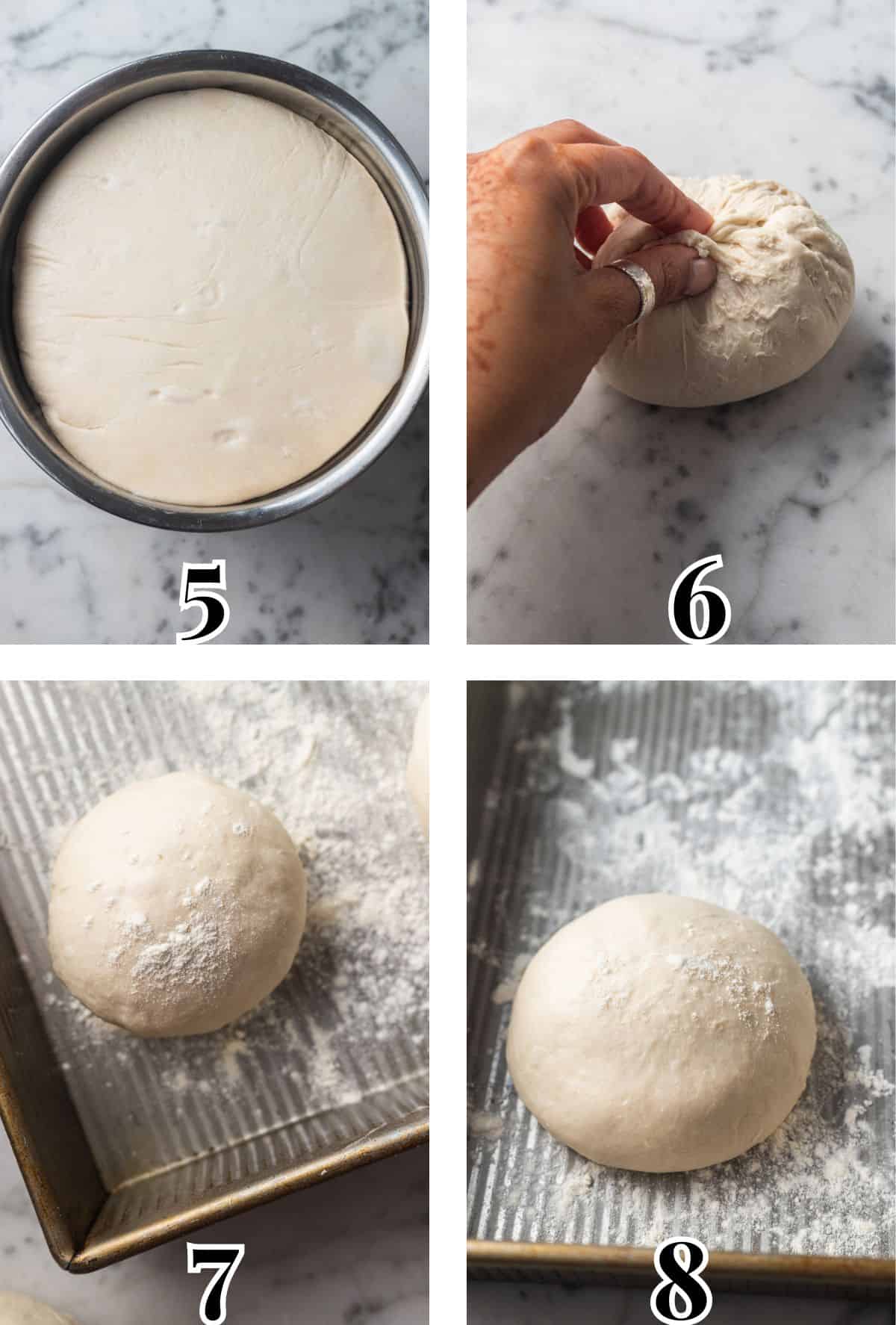
After the initial rise, divide the dough into portions for individual pizzas. Shape each piece into a smooth ball. Lightly oil containers or bags to prevent sticking. Place the dough balls inside, leaving space for expansion. Seal tightly to keep moisture in and avoid drying out.
Refrigeration Duration
Store the shaped dough in the refrigerator for 24 to 72 hours. This slow fermentation deepens flavor and improves dough texture. Avoid opening the container too often to maintain consistent temperature. Longer cold proofing creates more complex taste but don’t exceed 4 days.
Warming Up Before Baking
Remove dough from the fridge about 1 to 2 hours before baking. Let it reach room temperature to relax gluten strands. This step makes the dough easier to stretch and shape. Cold dough is stiff and hard to work with. Warming up ensures a soft, pliable dough ready for topping and baking.
Credit: homecookingcollective.com
Common Tips And Mistakes
Cold proofing pizza dough can elevate your homemade pizza’s taste and texture. Yet, some common tips and mistakes affect the final result. Paying attention to these details ensures your dough develops properly and tastes great.
Many beginners rush the process or forget to protect the dough from drying. Understanding the right steps makes cold proofing easier and more effective.
Preventing Dough Drying
Always cover your dough tightly with plastic wrap or a damp cloth. Exposed dough forms a dry skin that stops it from rising well. Use airtight containers or bags for best results. Keep the dough moist and soft to allow proper fermentation.
Avoiding Rush
Cold proofing needs time. Do not hurry the process by taking the dough out too soon. The slow fermentation helps develop flavor and texture. Plan ahead and give the dough at least 24 hours in the fridge. Patience leads to a better crust and richer taste.
Importance Of Warming Up
Cold dough is stiff and hard to stretch. Let the dough warm up at room temperature before shaping. This step relaxes the gluten and makes stretching easier. Warming up also helps yeast activate for a better rise during baking.
Comparing Dough Types
Choosing the right dough type affects your pizza’s taste and texture. Comparing cold proofed dough and same-day dough helps understand their unique qualities. Each method offers different benefits in flavor, texture, and baking results.
Cold Proofed Vs. Same-day Dough
Cold proofed dough ferments slowly in the fridge. This slow process develops richer flavors as enzymes break down sugars. It creates a dough with a complex, slightly tangy taste.
Same-day dough rises quickly at room temperature. It has a fresher, milder flavor but less depth. The texture is often denser and less airy than cold proofed dough.
Impact On Browning And Bake Quality
Cold proofed dough browns more evenly during baking. The sugars formed in fermentation caramelize well, giving a golden crust. This crust tends to be crispier and more flavorful.
Same-day dough may brown less evenly. It lacks the extra sugars for deep caramelization. The crust can be pale and softer, missing some crunch and taste.
Storage And Handling
Proper storage and handling play a crucial role in cold proofing pizza dough. Keeping the dough in the right environment enhances its flavor and texture. Careful management prevents drying out and ensures even fermentation. This section covers key practices that help maintain dough quality during cold proofing.
Overnight Refrigeration
Storing pizza dough in the refrigerator overnight slows yeast activity. This slow fermentation develops complex flavors and improves dough texture. Use airtight containers or wrap dough tightly in plastic wrap. This prevents moisture loss and skin formation on the dough surface. Allow enough space in the container for dough expansion. Overnight refrigeration also makes dough easier to handle the next day.
Maintaining Consistent Conditions
Keep the refrigerator temperature steady, ideally between 37°F and 40°F (3°C to 4°C). Fluctuations can affect yeast activity and fermentation speed. Avoid frequent opening of the fridge to maintain stable temperature. Store dough away from strong-smelling foods to prevent odor absorption. Consistent cold conditions help the dough rise evenly and develop better flavor profiles.
Frequently Asked Questions
What Does Cold Proofing Pizza Dough Do?
Cold proofing pizza dough slows yeast activity in the fridge, enhancing flavor and texture. It creates a lighter, airier crust with richer taste.
Is Cold Fermentation Better For Pizza Dough?
Cold fermentation enhances pizza dough by developing richer flavors and a lighter, airier texture. It slows yeast activity, improving taste and crust quality. This method also adds flexibility in preparation time, making it a preferred technique for superior homemade pizza dough.
What Are The Benefits Of Cold Proofing?
Cold proofing enhances pizza dough flavor by slowing yeast activity and enzyme action. It creates a lighter, airier crust with better texture and offers flexible preparation timing.
Should You Proof Pizza Dough In The Fridge?
Yes, proof pizza dough in the fridge to enhance flavor and texture. Cold proofing slows yeast activity, creating a lighter, airier crust with richer taste.
Conclusion
Cold proofing pizza dough improves flavor and texture greatly. The slow chill lets enzymes create richer, deeper tastes. Dough becomes lighter with more air pockets inside. This method also gives you more time to plan your baking. Cold proofing is simple and fits well in any routine.
Try it to enjoy tastier, softer, and crispier pizza crusts. Your homemade pizza will feel more professional and fresh. Give cold proofing a chance to make your dough better.

As the author of the “Ultimate Pizza Guide: Recipes, Tips & Secrets Revealed,” I’m dedicated to sharing my love for pizza and empowering others to create delicious homemade pizzas with ease. Join me on a journey to uncover the secrets to perfecting your pizza game!