
Are you craving delicious pizza but want to make a healthier choice? Switching to whole grain pizza dough could be your game-changer.
Not only does it bring richer flavors and a satisfying texture, but it also packs a powerful nutritional punch. Imagine enjoying your favorite comfort food while boosting your fiber intake, supporting digestion, and feeling fuller longer. Ready to discover how whole grain pizza dough can transform your meals and your health?
Keep reading to unlock the benefits that make this simple swap a smart move for you and your family.
Health Benefits
Whole grain pizza dough offers many health benefits that support overall well-being. Using whole grains instead of refined flour improves the nutritional value of your favorite pizza. It provides essential nutrients that help your body work better every day.
Rich Fiber Content
Whole grain dough contains more fiber than regular dough. Fiber helps keep you full longer and controls hunger. It also helps maintain healthy blood sugar levels. Eating fiber-rich foods supports heart health and lowers cholesterol. Whole grain pizza dough makes a filling and nutritious meal choice.
Vitamins And Minerals
Whole grains provide important vitamins like B vitamins and minerals such as magnesium and iron. These nutrients help your body produce energy and form red blood cells. Magnesium supports muscle and nerve function. Iron is vital for carrying oxygen in the blood. Choosing whole grain dough adds these nutrients to your diet.
Lower Glycemic Index
Whole grain dough has a lower glycemic index than white dough. This means it causes a slower, steadier rise in blood sugar. Foods with a low glycemic index help prevent energy spikes and crashes. They are better for people managing diabetes or blood sugar issues. Whole grain pizza dough helps keep blood sugar balanced.
Improved Digestion
Fiber in whole grain dough promotes healthy digestion. It helps move food smoothly through the digestive system. This reduces the risk of constipation and bloating. Whole grains also support a healthy gut by feeding good bacteria. Eating whole grain pizza dough can improve your digestive health over time.
Flavor Advantages
Whole grain pizza dough offers more than health benefits. It also brings a rich and unique flavor profile that enhances any pizza. The natural components of whole grains create taste layers that white flour can’t match. These flavor advantages make whole grain dough a favorite for many pizza lovers.
Deeper Grain Flavors
Whole grain dough contains bran and germ parts of the grain. These parts add a nutty and slightly sweet taste. This depth of flavor makes the dough more interesting and satisfying. The natural oils in whole grains also boost the aroma and taste of the crust.
Texture Enhancements
The texture of whole grain dough is heartier than regular dough. It feels denser but still soft inside. This gives a pleasant chewiness that holds toppings well. The coarse flour adds a subtle grainy texture that adds to the eating experience.
Multigrain Crunch
Using a mix of grains creates a crunchy crust edge. Seeds like flax, sunflower, and sesame add crisp bites. These crunchy bits contrast nicely with the soft dough inside. The crunch also brings a fresh, wholesome feel to every slice.
Nutritional Boosts
Whole grain pizza dough offers a range of nutritional boosts that make it a healthier choice. Using whole grains in your dough means more nutrients reach your plate. These nutrients support your body in many ways. The benefits go beyond just vitamins and minerals. Whole grain dough also improves digestion and energy levels. Here are some key nutritional advantages of whole grain pizza dough.
Higher Protein Levels
Whole grain flours contain more protein than refined white flour. Protein helps build and repair muscles. It also supports a healthy immune system. Adding whole grains to pizza dough raises its protein content naturally. This makes the pizza more filling and nourishing. Higher protein levels help keep hunger away longer. It also supports steady energy throughout the day.
Natural Sugars And Fermentation
Whole grain dough contains natural sugars from the grain itself. These sugars feed the yeast during fermentation. Fermentation improves the dough’s flavor and texture. It also helps break down some carbohydrates, making the pizza easier to digest. This process can reduce bloating and digestive discomfort. Natural fermentation supports gut health by encouraging good bacteria growth.
Increased Satiety
Whole grain pizza dough contains more fiber than white dough. Fiber slows digestion, which helps you feel full longer. This effect reduces the urge to snack between meals. Increased satiety helps with weight management. It also stabilizes blood sugar levels. Choosing whole grain dough means your pizza keeps you satisfied and energized.
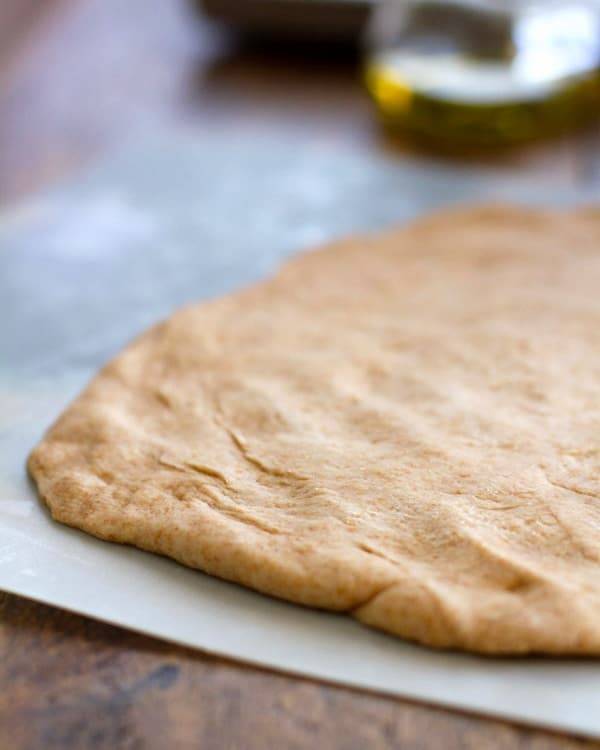
Credit: pinchofyum.com
Dough Preparation Tips
Preparing whole grain pizza dough requires some special care. The dough behaves differently than regular dough. These tips help you make a soft, tasty, and healthy crust. Follow simple steps to get the best texture and flavor.
Choosing The Right Flour Mix
Select a good balance of whole wheat and bread flour. Whole wheat adds fiber and flavor. Bread flour gives strength and chewiness. Mixing 50% whole wheat with 50% bread flour works well. Too much whole wheat makes dough dense. Adjust the ratio based on your texture preference.
Hydration Techniques
Whole grain flour absorbs more water than white flour. Add extra water slowly while mixing. The dough should feel soft but not sticky. Proper hydration helps gluten develop and improves dough stretch. Use warm water to activate the yeast better. Let the dough rest after mixing to absorb water fully.
Fermentation Insights
Fermentation time impacts dough flavor and digestibility. Let the dough rise slowly in a cool place for 8 to 12 hours. Slow fermentation breaks down tough fibers in whole grain flour. It also creates more complex flavors. Use a covered bowl to keep dough moist. Punch down the dough gently before shaping your pizza.
Comparisons With White Dough
Comparing whole grain pizza dough with white dough reveals clear differences. Both types offer unique qualities. Understanding these differences helps in making smarter food choices. Whole grain dough often provides more nutrients. White dough, while popular, lacks some of these benefits.
Ingredient Differences
Whole grain dough uses flour made from the entire grain. It includes bran, germ, and endosperm. White dough uses refined flour, removing bran and germ. This process strips away fiber and some nutrients. Whole grain flour retains natural vitamins and minerals. White flour is softer and more processed.
Health Impact Variations
Whole grain dough has higher fiber content. Fiber aids digestion and keeps you full longer. It also helps control blood sugar levels. White dough has less fiber and fewer nutrients. It causes quicker spikes in blood sugar. Whole grain dough supports heart health better. White dough may contribute to weight gain if eaten often.
Taste And Texture Contrast
Whole grain dough has a nuttier, richer flavor. It can taste earthier than white dough. The texture is denser and chewier. White dough is lighter and softer. It creates a fluffier crust that many prefer. Some find whole grain dough more filling. Both doughs offer enjoyable pizza experiences.

Credit: pizzatoday.com
Multigrain Dough Insights
Multigrain dough blends different grains and seeds into one mix. This combination offers more nutrients than single grain dough. It creates a unique pizza base that is both healthy and tasty.
Using multigrain dough can improve your pizza experience. It adds new flavors, textures, and health benefits to every bite.
Seed And Grain Additions
Common seeds include flax, sesame, sunflower, and pumpkin. Grains like oats, millet, and barley are often added. These ingredients boost fiber and protein levels. They make the dough more nutritious and filling. Each seed brings its own health benefits. For example, flax seeds provide omega-3 fatty acids. Sesame seeds add calcium and antioxidants. Mixing these creates a nutrient-rich crust that supports wellness.
Digestive Benefits
Multigrain dough is easier to digest than refined flour dough. The fiber helps keep your digestive system healthy. It aids in regular bowel movements and reduces bloating. Fiber also feeds good gut bacteria. This supports overall gut health and immunity. Eating multigrain pizza dough can help maintain balanced digestion. It keeps you feeling light and comfortable after meals.
Flavor And Texture Profiles
Multigrain dough offers a nutty, earthy taste. Different grains add subtle sweet and savory notes. The seeds create a crunchy texture on the crust. This contrasts nicely with soft pizza toppings. The crust tends to be denser but still chewy. The variety makes each slice more interesting. It can elevate your homemade or store-bought pizza experience.
Where To Find Whole Grain Dough
Finding whole grain pizza dough is easier than ever. Many options suit different needs and tastes. From store shelves to local bakeries and homemade recipes, choices abound.
Choosing whole grain dough adds fiber and nutrients to your meals. It supports digestion and keeps you full longer. Let’s explore where to find this healthy dough.
Store-bought Options
Many grocery stores carry whole grain pizza dough. Check the refrigerated or frozen sections. Brands often label their dough as whole wheat or multigrain. This dough saves time and still offers health benefits. Look for dough with simple, natural ingredients.
Local Austin Choices
Austin has many bakeries and markets offering whole grain pizza dough. Farmers’ markets are great for fresh, local options. Some pizzerias sell their dough for home use. Supporting local businesses helps the community and ensures quality. Ask your favorite spot if they offer whole grain dough.
Homemade Recipes
Making whole grain pizza dough at home is simple and rewarding. Use whole wheat flour or a mix with white flour. Recipes often require few ingredients: flour, water, yeast, salt, and oil. Homemade dough lets you control ingredients and flavor. It’s a fun way to enjoy fresh, healthy pizza.

Credit: mimifoods.ca
Frequently Asked Questions
What Is The Healthiest Type Of Pizza Dough?
Whole grain or multigrain pizza dough is healthiest. It contains more fiber, vitamins, minerals, and aids digestion better than white flour dough.
Is Multigrain Pizza Crust Better For You?
Multigrain pizza crust offers more fiber, vitamins, and minerals than regular crust. It aids digestion and keeps you fuller longer. Its diverse grains enhance flavor and texture, making it a healthier and tastier option for pizza lovers.
What Makes Whole Wheat Pizza Dough Different?
Whole wheat pizza dough uses whole wheat flour, adding fiber, protein, vitamins, and minerals. It offers richer flavor and better digestion than regular dough.
What Is The Healthiest Flour To Use For Pizza Dough?
Whole wheat flour is the healthiest choice for pizza dough. It offers more fiber, vitamins, minerals, and a lower glycemic index than white flour. Multigrain flour adds extra nutrients and aids digestion, making your pizza both tasty and nutritious.
Conclusion
Whole grain pizza dough offers many health benefits. It contains more fiber than white dough. This fiber helps digestion and keeps you full longer. Whole grains also provide important vitamins and minerals. The dough has a richer, nuttier flavor too.
It has a lower glycemic index, which helps control blood sugar. Using whole grain dough is a simple way to eat healthier. It adds taste and nutrition to your pizza. Try whole grain dough for a tasty, better choice. Your body and taste buds will thank you.

As the author of the “Ultimate Pizza Guide: Recipes, Tips & Secrets Revealed,” I’m dedicated to sharing my love for pizza and empowering others to create delicious homemade pizzas with ease. Join me on a journey to uncover the secrets to perfecting your pizza game!