“Poolish Vs Biga for Pizza Dough”
When it comes to making the perfect pizza dough, you might have heard about poolish and biga — two popular pre-ferments that can transform your crust from ordinary to extraordinary. But which one is right for you?
Disclosure: this article contains an affiliate link. If you buy through it, we may earn a commission.
Should you go for the light, bubbly texture of poolish or the chewy, flavorful depth that biga offers? Understanding the difference between these two can unlock a whole new level of pizza-making at home. You’ll discover what sets poolish and biga apart, how each affects your dough’s taste and texture, and which one fits your pizza style best.
Get ready to master your dough and impress your friends with every slice!

Credit: www.reddit.com
Biga Basics
Biga is a traditional Italian pre-ferment used in pizza dough making. It improves flavor and texture by allowing yeast to work slowly. Understanding biga basics helps you grasp its role in pizza dough.
It creates a dough with a firmer texture and richer taste. The process takes longer but results in a chewier crust. Many pizza makers prefer biga for authentic Italian style pizza.
Origins And Tradition
Biga has roots in Italy, especially in the northern regions. It is part of Italian baking culture for centuries. Bakers used biga to enhance dough without additives. This method preserves natural flavors and improves bread quality. Traditional Italian pizza and bread often use biga as a base.
Consistency And Hydration
Biga has a stiff and thick consistency. It contains less water than other pre-ferments like poolish. Hydration usually ranges from 45% to 60%. This firmness slows yeast activity, allowing complex flavors to develop. The stiff dough gives pizza a chewy bite and good structure.
To get biga’s hydration exactly right (45%-60%), a precise digital kitchen scale is essential.
👉 [Check recommended kitchen scales on Amazon]
Fermentation Time
Biga ferments longer than many other starters. It usually rests for 12 to 16 hours at room temperature. This slow fermentation creates deeper flavor and better dough strength. Bakers often refrigerate biga for even longer, up to 24 hours. Proper fermentation time is key for biga’s taste and texture benefits.
For long fermentation like this, an airtight dough container or proofing box helps maintain the right conditions.
👉 [Check best dough proofing containers]
Poolish Basics
Poolish is a type of pre-ferment used in pizza dough making. It helps develop flavor and texture before mixing the final dough. Poolish is easy to prepare and works well with many pizza styles.
Understanding poolish basics is important for better pizza baking results. It influences dough rise, taste, and crumb structure.
Historical Background
Poolish originated in Poland in the early 19th century. French bakers later adopted it, calling it “poolish.” It became popular in European baking for its flavor benefits. Italian pizza makers use it to improve dough softness and aroma.
Texture And Hydration
Poolish has a wet, batter-like consistency. It uses equal parts water and flour by weight. This high hydration creates a loose, bubbly mixture. The dough made with poolish tends to be light and airy. It helps produce a soft crust with open holes.
Fermentation Characteristics
Poolish ferments slowly over 12 to 16 hours at room temperature. This long fermentation allows natural yeast and bacteria to develop flavor. The process also improves gluten strength and dough extensibility. Poolish results in a dough that rises well and has complex taste notes.
Flavor Profiles Compared
Understanding the flavor profiles of poolish and biga helps you choose the right pre-ferment for pizza dough. Both create unique tastes and textures that affect the final pizza. Exploring their differences reveals how each influences complexity, aroma, and taste.
Complexity And Depth
Biga has a stiff texture and ferments longer. This creates a deep, rich flavor in the dough. It adds a subtle sourness and a chewy bite. Poolish is wetter and ferments faster. It produces a lighter, more delicate flavor. Poolish dough often feels softer and airier.
Aromatic Notes
Biga develops nutty and toasted aromas. These come from its slow fermentation and dry texture. Poolish offers fresh, fruity, and yeasty scents. Its wetter nature helps release these bright, lively smells. Both add appealing scents but differ in intensity and style.
Taste Impact On Pizza
Biga dough brings a bold, savory flavor to pizza. It pairs well with robust toppings and hearty sauces. Poolish dough results in a sweeter, mild taste. It highlights fresh toppings and simple ingredients. Each pre-ferment shapes the pizza’s flavor in a unique way.

Credit: www.patioandpizza.com
Texture Differences
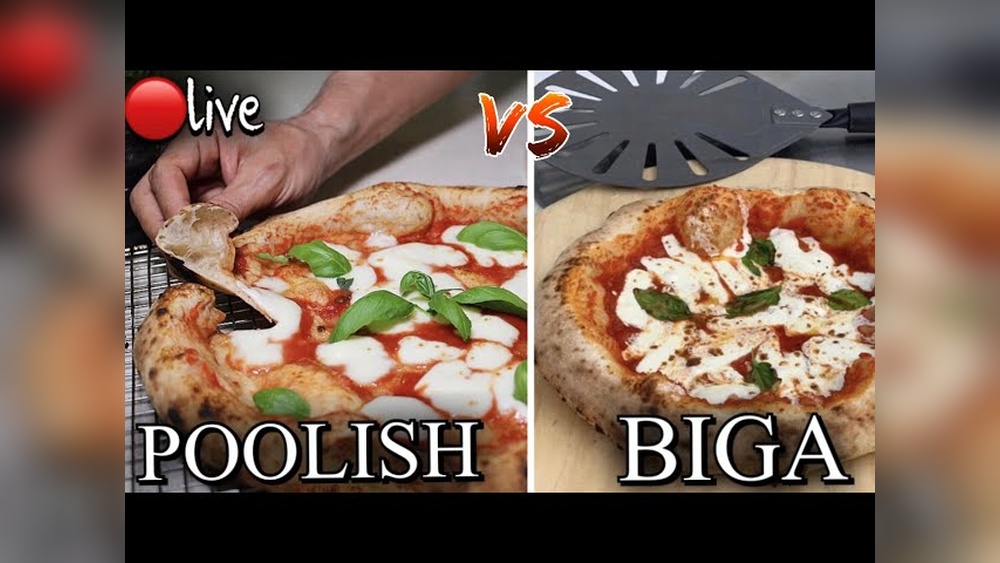
Texture plays a key role in defining pizza dough’s character. Poolish and biga create distinct textures that affect the eating experience. These differences arise from their hydration levels and fermentation times. Poolish is wetter, offering a lighter texture. Biga is stiffer, giving a denser, chewier bite. Understanding these contrasts helps bakers pick the right pre-ferment for their ideal pizza dough.
Chewiness And Crumb
Biga dough feels firm and dense. It produces a chewy texture with a tight crumb. This happens due to its low hydration and slow fermentation. The crumb is compact and moist, holding up well under toppings.
Poolish dough is soft and airy. It creates a lighter chew with an open, porous crumb. The higher hydration encourages bubbles and softness. The crumb looks more irregular and tender.
Crust Characteristics
Biga forms a thick, crunchy crust. It develops a deep golden color and a rustic feel. The crust is hearty and crisp on the outside, with a slight chew inside.
A quality pizza stone or baking steel makes a huge difference in achieving that perfect crispy crust.
👉 [See top-rated pizza stones and baking steels]
Poolish crust tends to be thinner and crispier. It browns evenly and feels lighter. The crust often has a delicate crunch with a subtle chew.
Handling And Dough Feel
Biga dough is stiff and less sticky. It requires more effort to knead and shape. The dough holds its form well but needs careful handling.
Poolish dough feels wet and sticky. It is easier to stretch and shape. The dough flows smoothly, making it ideal for quick handling.
Fermentation Effects
Fermentation plays a key role in shaping pizza dough’s taste and texture. Poolish and biga differ mainly in how they ferment, affecting the dough’s final quality. Understanding these effects helps bakers choose the right method for their pizza style. The fermentation process influences timing, temperature needs, and dough development.
Timing And Flexibility
Poolish ferments faster due to its higher hydration. It usually takes 12 to 16 hours at room temperature. This makes it great for bakers who want quicker results. Biga ferments slower because it is stiffer and drier. It can take 16 to 24 hours or longer. Biga offers more flexibility for long, slow fermentation. This slow process helps build complex flavors.
Temperature Sensitivity
Poolish is more sensitive to temperature changes. Warmer conditions speed up fermentation quickly. Cooler temperatures slow it down, making timing tricky. Biga is less sensitive because of its low hydration. It ferments steadily even if the room is warmer or cooler. This stability helps maintain consistent dough quality. Both methods need careful temperature control for best results.
Impact On Dough Development
Poolish creates a lighter, more open crumb structure. It helps dough rise well and develop a mild, sweet flavor. Biga produces a firmer dough with a chewy texture. It adds depth and a nutty taste to the crust. Poolish encourages more gas production, making the dough airy. Biga strengthens gluten, giving the dough more resistance and chew. Each pre-ferment shapes the dough’s character in unique ways.

Credit: www.youtube.com
Practical Use In Pizza Making
Choosing between Poolish and Biga impacts pizza dough preparation and final results. Each pre-ferment brings unique qualities that affect dough texture, flavor, and handling. Understanding their practical use helps bakers create better pizza with less guesswork.
Ease Of Preparation
Poolish is a wet pre-ferment, made with equal parts water and flour. It mixes quickly and ferments evenly. Biga has a stiffer texture, requiring less water. It takes longer to mix and ferment properly. Poolish suits quick preparation, while Biga demands more time and attention.
Suitability For Home Bakers
Poolish is beginner-friendly. Its loose consistency is easy to manage and fold into dough. Biga needs experience to handle its dense texture and longer rise. Home bakers can start with Poolish for reliable results. Biga offers advanced bakers more control and complex flavor development.
Compatibility With Pizza Styles
Poolish works well for thin-crust and softer pizza styles. It creates a light crumb with subtle tang. Biga is ideal for chewy, rustic pizzas. It builds strength in dough and adds deep flavor. Both pre-ferments can fit different pizza types depending on desired texture and taste.
Choosing Between Biga And Poolish
Choosing between biga and poolish for your pizza dough shapes the entire baking experience. Each starter offers unique benefits that affect flavor, texture, and how the dough behaves during baking. Understanding these differences helps in selecting the right pre-ferment for your pizza style and environment.
Flavor Preferences
Biga provides a deeper, nuttier flavor due to its stiff consistency and slow fermentation. It develops complex taste notes that stand out in every bite.
Poolish brings a lighter, slightly tangy flavor with a hint of sweetness. Its wetter texture allows yeast to work faster, creating a fresh and bright taste.
Texture Goals
Biga creates a chewier, denser crust with a firm structure. It is ideal for those who enjoy a hearty and substantial bite.
Poolish results in a softer, airier crumb with more open holes. This suits pizza lovers who prefer a delicate and light texture.
Baking Environment Considerations
Biga works well in cooler environments due to its slow fermentation. It is more forgiving and stable over long periods.
Poolish suits warmer kitchens and faster baking schedules. It requires careful timing to avoid over-fermentation and loss of strength.
Tips For Mastering Each Pre-ferment
Understanding how to work with Poolish and Biga can greatly improve your pizza dough. Each pre-ferment offers unique benefits that affect flavor, texture, and rise. Following some key tips helps you get the best results from both methods.
Common Mistakes To Avoid
Overhydrating Poolish can make the dough too sticky and hard to handle. Biga should not be too wet; it needs a stiff consistency. Avoid using old yeast or too much yeast, which can speed up fermentation too fast. Not letting the pre-ferment rest long enough reduces flavor development. Skipping temperature control during fermentation causes uneven rising.
Optimization Techniques
Use filtered water at room temperature for better yeast activity. Stir Poolish gently to mix ingredients without breaking bubbles. For Biga, mix until just combined to keep it firm. Adjust fermentation time based on room temperature; warmer rooms need shorter times. Test the pre-ferment by checking for bubbles and a slightly sour smell.
Storage And Handling Advice
Store pre-ferments in a covered container to prevent drying out. Keep Poolish and Biga refrigerated if you need to slow fermentation. Use within 12 to 24 hours for best flavor and activity. Let refrigerated pre-ferments come to room temperature before mixing into dough. Handle gently to keep the gas bubbles intact for better rise.
Frequently Asked Questions
What Is Better For Pizza Dough, Biga Or Poolish?
Biga creates chewier, more complex pizza dough with a stiffer texture. Poolish yields softer, airier dough with milder flavor. Choose biga for depth and chew; pick poolish for lightness and ease. Both improve dough quality but suit different pizza styles and preferences.
Does Poolish Improve Pizza Dough Flavor?
Poolish enhances pizza dough flavor by promoting fermentation, creating a light, airy texture and subtle tangy taste. It improves dough aroma and complexity.
Why Use Biga In Pizza Dough?
Biga enhances pizza dough by creating a chewier texture and deeper flavor through a stiffer, longer fermentation process. It improves dough handling and adds complexity to taste.
Do Italians Use Poolish?
Yes, Italians use poolish as a pre-ferment to enhance pizza dough’s flavor and texture. It creates a soft, bubbly crumb.
Conclusion
Choosing between poolish and biga depends on your pizza style preference. Poolish offers a lighter, airier dough with a mild flavor. Biga creates a chewier crust with richer, deeper taste. Both improve dough texture and help develop flavor naturally. Experiment with each to find what suits your baking best.
Remember, the best dough matches your own taste and pizza-making routine. Enjoy the process and the delicious results!

As the author of the “Ultimate Pizza Guide: Recipes, Tips & Secrets Revealed,” I’m dedicated to sharing my love for pizza and empowering others to create delicious homemade pizzas with ease. Join me on a journey to uncover the secrets to perfecting your pizza game!