
When you bite into a slice of pizza, you might wonder: is the yeast in the dough actually good for you? After all, yeast is a living organism, and it plays a crucial role in making pizza crust soft, airy, and delicious.
But does it add health benefits, or could it be something to watch out for? Whether you’re curious about how yeast affects your digestion, your immune system, or your overall health, this article will give you clear, easy-to-understand answers. By the end, you’ll know exactly what yeast does in your pizza dough and whether it fits into a healthy lifestyle—so keep reading to satisfy your curiosity and enjoy your pizza with confidence!

Credit: www.veganricha.com
Yeast In Pizza Dough
Yeast plays a crucial role in making pizza dough soft and airy. It is a living organism that helps dough rise by producing gas. This process gives pizza crust its light texture and chewy bite. Without yeast, pizza dough would be flat and dense.
Understanding yeast in pizza dough helps you see why it is often used in baking. It also sheds light on its effects on taste and texture. Many people wonder if yeast is healthy or causes problems.
Role Of Yeast In Dough
Yeast ferments the sugars in flour and produces carbon dioxide gas. This gas forms bubbles that make dough expand and rise. The rising process creates a soft, porous structure in the crust. Yeast also helps develop flavor by producing acids and alcohol during fermentation. These give pizza dough its unique taste and aroma. The longer the dough ferments, the better the flavor becomes.
Types Of Yeast Used
Several types of yeast can be used in pizza dough. The most common is active dry yeast. It is easy to store and use. Instant yeast is another popular type. It works faster and does not require proofing in water. Fresh yeast, also called cake yeast, is moist and perishable. It gives a strong rise but needs careful handling. Each yeast type affects dough texture and rise time differently.
Health Effects Of Yeast
Yeast plays a key role in pizza dough, helping it rise and develop texture. Beyond baking, yeast can affect health in several ways. Understanding these effects helps decide if yeast in pizza dough is good or bad for you.
Common Safety For Most People
Yeast is safe for most people when baked properly. The heat kills active yeast, so it does not live in the finished pizza. Consuming baked yeast rarely causes harm or illness. People without specific health issues can enjoy pizza dough with yeast safely.
Allergies And Sensitivities
Some people have allergies or sensitivities to yeast. Symptoms may include stomach upset, headaches, or skin reactions. True yeast allergy is rare but possible. Those sensitive to yeast should avoid foods with active or raw yeast. Baked yeast may still cause mild reactions in sensitive individuals.
Impact On Digestion
Yeast can affect digestion in different ways. It may help break down food during fermentation, making dough easier to digest. Some people experience gas or bloating from yeast. In rare cases, yeast overgrowth in the gut causes digestive issues. Overall, moderate yeast intake in pizza dough is usually well tolerated.
Nutritional Benefits Of Yeast
Yeast is a key ingredient in pizza dough that does more than just make the dough rise. It also offers several nutritional benefits that contribute to overall health. Understanding these benefits helps to see why yeast can be a healthy part of your pizza.
Vitamins And Minerals
Yeast contains important vitamins like B-complex. These include B1, B2, B3, B5, B6, and B9. These vitamins help the body turn food into energy. Yeast also has minerals such as zinc, iron, and selenium. These minerals support many body functions and keep cells healthy.
Probiotic Potential
Some types of yeast have probiotic properties. Probiotics are good bacteria that help balance the gut. A healthy gut improves digestion and nutrient absorption. While baking kills live yeast, some pizza dough types like sourdough may retain beneficial microbes.
Yeast And Immune Support
Yeast contains beta-glucans, which may boost the immune system. Beta-glucans help activate immune cells to fight infections. This makes yeast a natural way to support your body’s defenses. Eating foods with yeast can contribute to stronger immunity.
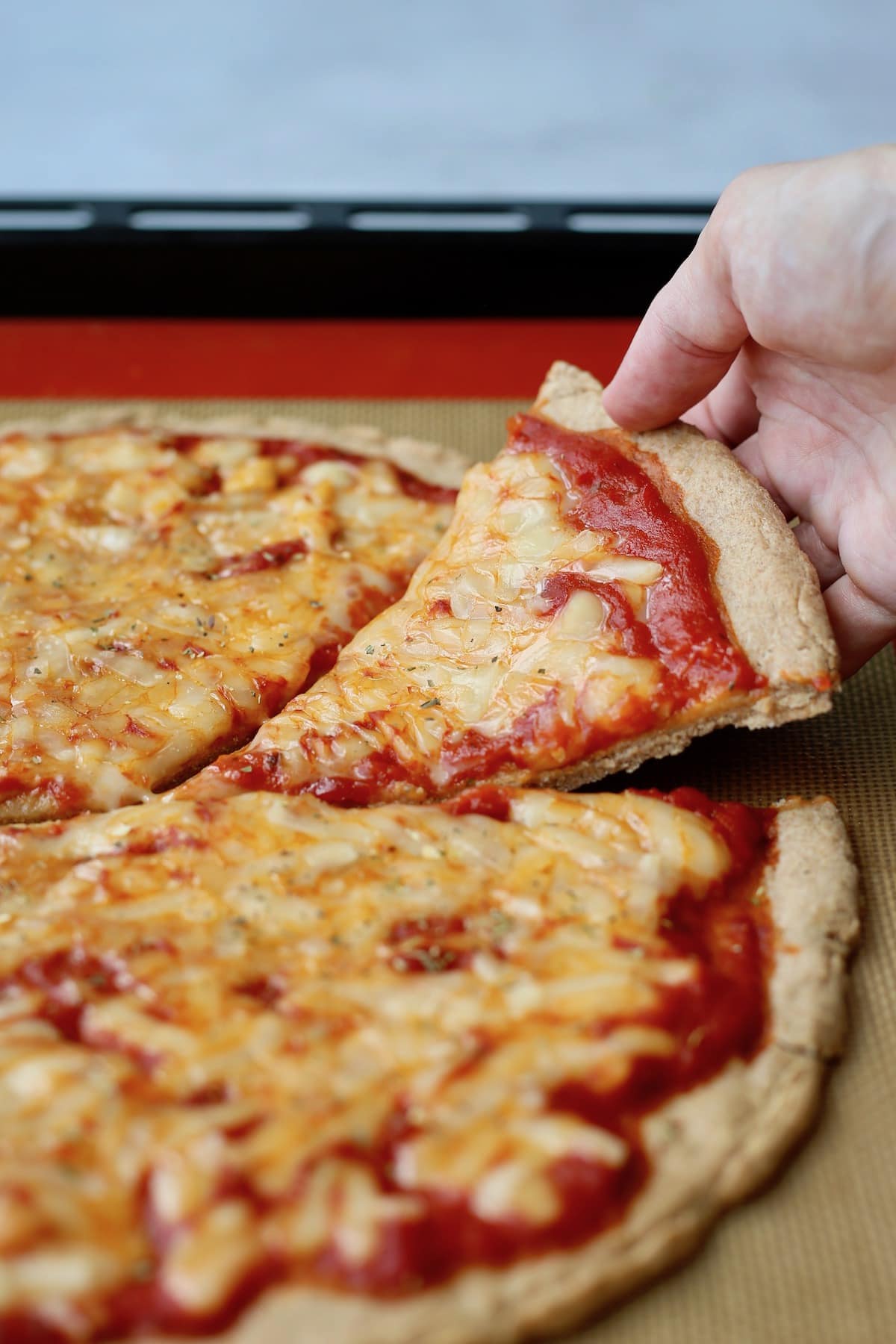
Credit: theconscientiouseater.com
Yeast And Blood Sugar
Yeast plays a key role in pizza dough. It helps the dough rise and adds flavor. But what about yeast and blood sugar? Understanding their link can help make better food choices. Yeast affects how carbohydrates break down during digestion. This process influences blood sugar levels after eating.
Fermentation And Glycemic Index
Fermentation is the process where yeast consumes sugars. It creates carbon dioxide and alcohol, which change the dough’s structure. This process lowers the dough’s glycemic index (GI). A lower GI means slower sugar release into the bloodstream. Slow sugar release helps keep blood sugar stable. Fermented dough often causes less blood sugar spike than non-fermented dough.
Comparing Yeast Dough To Non-yeast Alternatives
Dough made without yeast usually has a higher glycemic index. Quick-rise doughs or flatbreads lack fermentation. These can cause faster blood sugar increases. Yeast dough’s fermentation changes starches, making them easier to digest slowly. Some non-yeast crusts use baking powder or soda instead. They do not lower the glycemic index like yeast dough does. Choosing yeast dough may support better blood sugar control.
Healthier Pizza Crust Alternatives
Choosing a healthier pizza crust can improve your meal’s nutrition without losing taste. Many alternatives to traditional dough offer more vitamins, fiber, and protein. These options often contain fewer carbs and less gluten. They suit different diets and add variety to your pizza nights.
Cauliflower Crust Benefits
Cauliflower crust is low in carbs and gluten-free. It contains vitamin C and fiber. This crust is lighter and easier to digest. It helps increase vegetable intake with every slice. Many enjoy it for its mild flavor and crisp texture.
Chickpea Flour Crust Advantages
Chickpea flour adds protein and fiber to pizza crust. It is gluten-free and rich in iron. This crust supports stable blood sugar levels. Its nutty taste pairs well with many toppings. Chickpea crusts keep you fuller for longer.
Almond Flour Crust Features
Almond flour crusts are low in carbs and high in healthy fats. They provide vitamin E and magnesium. This crust is soft and slightly sweet. Almond flour supports heart health and reduces inflammation. It works well for keto and paleo diets.
Whole Grain And Sprouted Options
Whole grain crusts contain more fiber than white flour. Sprouted grains increase nutrient absorption and digestibility. These crusts help improve gut health. They offer a nutty flavor and chewy texture. Whole grain options support steady energy release.
Greek Yogurt Crust Highlights
Greek yogurt crusts are easy to make and rich in protein. They add calcium and probiotics to your meal. This crust is soft and tender with a slight tang. Greek yogurt helps improve digestion and bone health. It is a quick alternative to traditional dough.
Vegetable-based Crusts
Vegetable crusts use ingredients like zucchini or spinach. They increase fiber and vitamin content. These crusts are low in calories and carbs. Vegetable bases add color and nutrients to pizza. They suit those seeking lighter, nutrient-rich options.
Choosing The Right Pizza Crust
Choosing the right pizza crust affects taste, texture, and health benefits. The crust forms the base of your pizza and influences overall nutrition. Different crusts offer various nutrients and cater to special dietary needs. Selecting a crust that matches your health goals enhances your pizza experience.
Nutrient Density Considerations
Whole-grain and sprouted flour crusts provide more vitamins and minerals. They contain fiber, B vitamins, and antioxidants. These nutrients support digestion and energy. White flour crusts lack these nutrients, offering mainly empty calories. Nutrient-dense crusts improve the health value of your pizza.
Carbohydrate Content
Standard pizza dough has high carbohydrate levels. This can cause blood sugar spikes for some people. Low-carb crusts like cauliflower or almond flour reduce carb intake. These options suit those watching their blood sugar or carb consumption. Choosing a crust low in carbs helps maintain energy balance.
Gluten Sensitivities
Gluten in pizza dough triggers reactions in sensitive individuals. Gluten-free crusts use alternative flours like chickpea or rice flour. These crusts allow people with gluten intolerance to enjoy pizza safely. Always check labels to avoid hidden gluten sources. Gluten-free options expand pizza choices for many.
Protein Boosting Options
Adding protein to your pizza crust supports muscle health and satiety. Flours like chickpea or almond increase protein content naturally. Some recipes add seeds or whey protein for extra boost. Higher protein crusts keep you full longer and aid muscle repair. Protein-rich crusts make pizza more balanced nutritionally.
Baking Tips For Healthy Dough
Creating healthy pizza dough starts with smart baking choices. Small changes in preparation can improve dough quality and nutrition. Focus on how yeast works, ingredient balance, and reducing unhealthy additives. These tips help make dough both tasty and better for your body.
Optimizing Yeast Activity
Yeast needs the right temperature to activate well. Warm water around 100°F (38°C) wakes yeast without killing it. Avoid very hot water. Let dough rest to allow yeast to ferment sugars. This process helps develop flavor and texture naturally. Proper yeast activation reduces the need for extra additives.
Balancing Ingredients
Use whole-grain or sprouted flours for more nutrients. They add fiber and vitamins missing in white flour. Measure salt carefully to control dough rise and taste. Add healthy fats like olive oil in small amounts for softness. Keep water ratios correct to avoid tough or sticky dough. Balanced ingredients support digestion and health.
Avoiding Excess Sugars And Fats
Limit sugar in the dough to prevent over-fermentation. Too much sugar feeds yeast too fast and harms health. Skip heavy fats like butter or shortening. They add empty calories and reduce dough’s natural benefits. Use minimal olive oil instead for a light, healthy crust. Simple dough means cleaner, better pizza.

Credit: www.bbcgoodfood.com
Frequently Asked Questions
Is Yeast In Pizza Good For Health?
Yeast in pizza dough helps fermentation, enhancing flavor and texture. It is generally safe and does not harm health when baked properly. Only individuals with yeast allergies or severe immune issues should avoid it.
What Is The Healthiest Dough For Pizza?
The healthiest pizza dough uses nutrient-rich ingredients like cauliflower, chickpea, almond flour, or whole-grain. These options offer more fiber, protein, and vitamins while reducing refined carbs. Choose based on dietary needs for a lower-carb, gluten-free, or high-fiber crust that supports better blood sugar and digestion.
What Are The Disadvantages Of Yeast In The Body?
Yeast overgrowth can cause infections like candidiasis, digestive issues, and weaken the immune system. It may trigger allergies and inflammation.
Is Yeast In Dough Healthy?
Yeast in dough aids fermentation, improving texture and flavor. It is safe and healthy for most people when baked properly.
Conclusion
Yeast in pizza dough is generally safe and healthy for most people. It helps the dough rise and adds flavor. Baking kills any live yeast, making it harmless to eat. Some people with allergies or sensitivities should avoid it. Choosing whole-grain or alternative crusts boosts nutrition further.
Enjoy your pizza without worry, focusing on balance and variety. Simple ingredients and moderation make pizza a tasty, healthy option.

As the author of the “Ultimate Pizza Guide: Recipes, Tips & Secrets Revealed,” I’m dedicated to sharing my love for pizza and empowering others to create delicious homemade pizzas with ease. Join me on a journey to uncover the secrets to perfecting your pizza game!