Have you ever enjoyed a delicious slice of pizza only to find your stomach feeling tight and uncomfortable afterward? You’re not alone.
Many people wonder, “Does pizza dough cause bloating? ” If you’ve experienced that heavy, gassy feeling after eating pizza, it’s natural to question what’s really behind it. Is it the dough, the cheese, or something else? You’ll discover the surprising reasons pizza dough might be making your belly bloat, what ingredients to watch out for, and simple tips to enjoy your favorite food without discomfort.
Keep reading to learn how you can still savor pizza without the unwanted side effects.
Causes Of Bloating From Pizza Dough
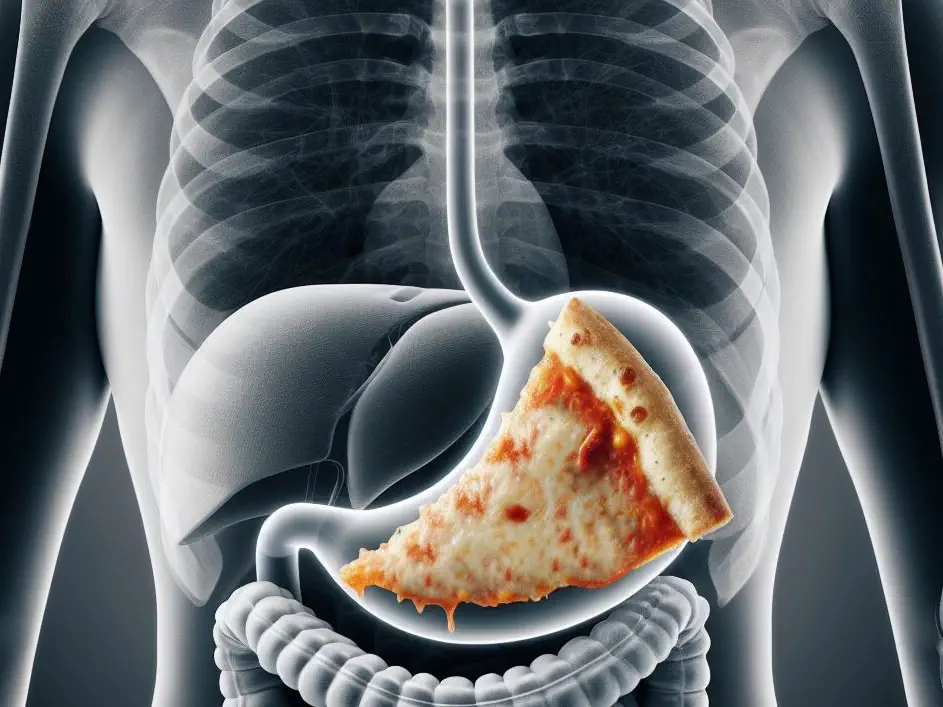
Many people feel bloated after eating pizza. The dough often causes this discomfort. Several factors in pizza dough and toppings lead to bloating. Understanding these causes helps manage and prevent bloating effectively.
Fructans In Flour And Gas Production
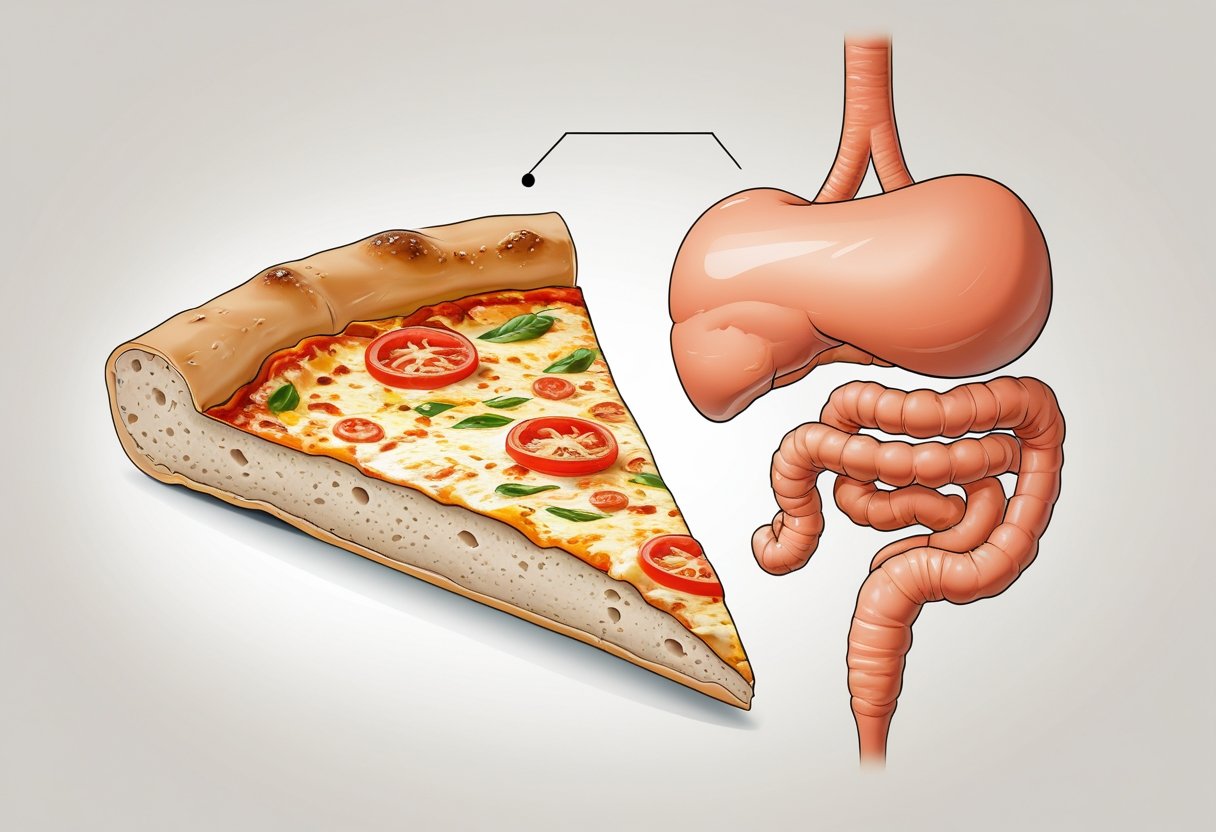
Pizza dough usually contains wheat flour. Wheat has fructans, a type of carbohydrate. Some bodies cannot digest fructans well. Undigested fructans reach the large intestine. There, bacteria ferment them, creating gas. This gas causes bloating and stomach pain.
Gluten Sensitivity And Digestive Issues
Gluten is a protein in wheat flour. Some people are sensitive or intolerant to gluten. Eating gluten can cause digestion problems. Symptoms include bloating, cramps, and diarrhea. Pizza dough with gluten can trigger these symptoms in sensitive individuals.
Lactose In Cheese And Intolerance
Pizza often has cheese, which contains lactose. Lactose is a sugar found in milk. Some people lack the enzyme to digest lactose. This leads to lactose intolerance. Undigested lactose ferments in the gut, causing gas and bloating.
High Fat And Refined Carbs Impact
Pizza has high fat and refined carbohydrates. These take longer to digest than other foods. Slow digestion causes the food to stay in the stomach longer. This delay can lead to a feeling of fullness and bloating.
Sodium And Water Retention Effects
Pizza contains a lot of salt, mainly from cheese and toppings. High sodium makes the body hold extra water. Water retention causes swelling and bloating. This effect can make the stomach feel tight and uncomfortable.
Fodmaps In Toppings Like Garlic And Onions
Garlic and onions are common pizza toppings. They contain FODMAPs, especially fructans. FODMAPs are hard to digest for many people. Like fructans in flour, they ferment in the gut. This fermentation produces gas and bloating symptoms.
Swallowing Air While Eating
Eating pizza quickly or talking while eating leads to swallowing air. Drinking fizzy drinks with pizza adds more air. Swallowed air accumulates in the stomach. This causes burping, discomfort, and bloating sensations.
Credit: www.prepapizza.com
Symptoms Linked To Pizza-induced Bloating
Many people experience bloating after eating pizza. This discomfort often stems from the ingredients in the pizza dough and toppings. Understanding the symptoms linked to pizza-induced bloating helps identify the cause. Recognizing these signs can guide better food choices and improve digestion.
Abdominal Discomfort And Pain
Abdominal discomfort is a common symptom after eating pizza. The stomach may feel tight or crampy. This pain can range from mild to sharp. It often comes from gas buildup or slow digestion. For some, gluten or lactose intolerance worsens the pain.
Fullness And Distention
Many feel a heavy fullness after pizza meals. The belly looks larger or swollen, known as distention. This happens when the stomach stretches due to trapped gas or slow digestion. Eating quickly or large portions can increase this sensation.
Gas And Flatulence
Gas production rises after eating certain pizza ingredients. Fermentation of undigested carbohydrates in the gut causes this. It leads to burping, bloating, and flatulence. Ingredients like garlic, onions, and dough contain fermentable fibers that trigger gas.
Water Retention And Puffiness
Sodium in pizza causes the body to hold water. This water retention results in puffiness around the abdomen and face. Salty toppings like cheese and cured meats increase this effect. Drinking water helps reduce the bloated, puffy feeling.
Differences In Dough Types And Bloating
Not all pizza doughs affect your stomach the same way. Different dough types can cause different levels of bloating. Some doughs are easier to digest. Others may ferment more in your gut, leading to gas and discomfort. Knowing the differences helps you choose better options.
Here is a look at how various dough types relate to bloating and digestion.
Traditional Italian Dough Vs. Commercial Dough
Traditional Italian dough usually uses simple ingredients and longer fermentation. This process breaks down some carbohydrates and gluten. It makes the dough lighter and easier on the stomach. Commercial dough often has added sugars and preservatives. These can increase fermentation in your gut, causing more gas and bloating.
Long fermentation helps reduce fructans, a type of carbohydrate that can cause bloating. Commercial doughs do not always allow this time, increasing the risk of discomfort.
Whole Wheat And Alternative Flours
Whole wheat dough has more fiber than white flour dough. Fiber helps digestion but can cause gas if your body is not used to it. Alternative flours like rice, almond, or chickpea are often easier to digest. They contain fewer fermentable carbs. These flours can reduce bloating for sensitive people.
Choosing dough made from these flours may help reduce stomach issues after eating pizza.
Pinsa And Easier-to-digest Options
Pinsa is a Roman style dough made with a mix of flours and a long fermentation. It is lighter and less dense than regular pizza dough. This makes it easier to digest and less likely to cause bloating. Pinsa’s fermentation breaks down sugars and gluten more effectively.
Many find pinsa a better choice if they want to enjoy pizza without discomfort. Other options include gluten-free or sourdough pizzas, which also improve digestion.

Credit: www.reddit.com
Risks Of Undercooked Pizza Dough
Eating undercooked pizza dough carries health risks. Raw dough may contain harmful bacteria. These bacteria can cause infections and serious illnesses. Understanding these risks helps keep you safe while enjoying pizza.
Bacterial Contamination And Food Poisoning
Undercooked dough can harbor bacteria like Salmonella and E. coli. Flour is often raw and unprocessed, containing germs. These bacteria multiply if dough is not cooked properly. Eating such dough may lead to food poisoning.
Symptoms Of Infection From Raw Dough
Food poisoning symptoms include stomach cramps, nausea, and diarrhea. Some people may experience vomiting and fever. These signs can appear within hours after eating raw dough. Severe cases require medical attention to avoid complications.
Preventive Measures For Safe Consumption
Always cook pizza dough thoroughly until golden brown. Avoid tasting raw dough or licking spoons with dough. Use heat to kill harmful bacteria in flour and yeast. Store ingredients safely and wash hands during preparation. These steps reduce infection risks and keep pizza safe to eat.
Immediate Relief For Bloating After Pizza
Bloating after eating pizza can cause discomfort and make you feel sluggish. Finding quick ways to ease this bloating helps you get back to feeling good fast. Several simple methods can reduce that heavy, swollen feeling in your stomach after pizza.
Try these easy steps for immediate relief from bloating caused by pizza dough and toppings.
Hydration And Drinking Water
Drink plenty of water to help flush out excess salt and aid digestion. Water moves food through your system faster and reduces water retention. Sip slowly and avoid sugary or fizzy drinks, which can add to bloating. Staying hydrated is key to calming your stomach quickly.
Gentle Movement And Yoga Poses
Light activity stimulates digestion and releases trapped gas. Simple yoga poses like Cat-Cow or Child’s Pose stretch your abdomen and relieve pressure. A short walk around your home also helps your digestive system work better. Avoid intense exercise, which can make bloating worse.
Warm Compress For Abdominal Comfort
Apply a warm compress or heating pad on your belly to relax tight muscles. Heat helps ease cramps and reduces discomfort from bloating. Keep the compress warm, not hot, and place it on your stomach for 10 to 15 minutes. This gentle heat can soothe your digestive tract effectively.
Mindful Eating Techniques
Eat slowly and chew food well to avoid swallowing extra air. Taking small bites and pausing between bites reduces gas buildup. Avoid talking while eating and focus on your meal. Mindful eating helps your stomach digest pizza dough and toppings more easily, preventing bloating next time.
Long-term Strategies To Prevent Bloating
Managing bloating after eating pizza involves more than quick fixes. Long-term strategies help reduce discomfort and improve digestion. Understanding your body’s reactions and making smart choices supports lasting relief.
Identifying Food Sensitivities
Food sensitivities often cause bloating. Gluten, lactose, and FODMAPs like onions and garlic are common culprits. Keeping a food diary helps spot patterns between pizza ingredients and bloating. Eliminate suspected foods and watch for improvement. Testing for intolerances can guide better choices.
Choosing Digestive-friendly Pizza Options
Select pizza with easy-to-digest ingredients. Thin crust or whole wheat bases are gentler on the stomach. Avoid heavy cheese or too many toppings. Opt for vegetables instead of processed meats. Smaller amounts of garlic and onions reduce gas. These choices ease digestion and lower bloating risk.
Controlling Portion Sizes
Large portions strain the digestive system. Eating smaller slices slows digestion and reduces bloating. Combine pizza with light sides like salad or broth. Avoid overeating by stopping when full. Portion control helps the stomach process food more comfortably.
Consulting Dietitians For Personalized Advice
A dietitian tailors plans for your needs. They identify triggers and suggest alternatives. Professional advice ensures balanced nutrition without discomfort. Dietitians teach mindful eating and portion control. Personalized guidance improves long-term digestive health.
Credit: www.pizzablab.com
Frequently Asked Questions
Does Pizza Dough Make You Bloated?
Pizza dough can cause bloating due to gluten and fructans in flour, which some people digest poorly. High fat, cheese, and toppings like garlic also contribute. Drinking water, eating slowly, and choosing lighter crusts may reduce bloating after eating pizza.
Why Does My Stomach Feel Bloated After Eating Pizza?
Pizza bloating happens due to high fat, refined carbs, lactose, gluten, and FODMAPs like garlic and onions. These slow digestion and cause gas. Salty toppings lead to water retention. Eating quickly or drinking soda adds swallowed air, increasing bloating and discomfort.
Can Pizza Dough Upset Your Stomach?
Pizza dough can upset your stomach due to gluten, fructans, and additives. These cause bloating, gas, or discomfort in sensitive individuals.
Why Do I Feel Bloated After Eating Dough?
Dough contains gluten and fructans, which can ferment in your gut, producing gas and causing bloating. High fat and salt in dough slow digestion, increasing discomfort. Dairy or gluten sensitivities worsen bloating. Eating slowly and drinking water may help reduce symptoms.
Conclusion
Pizza dough can cause bloating for some people. Ingredients like gluten and fructans may trigger gas and discomfort. High fat and cheese add to slower digestion and fullness. Eating too fast or swallowing air can worsen bloating. Choosing thinner crusts or whole wheat may help reduce symptoms.
Drinking water and gentle movement ease stomach pressure. Identifying personal food sensitivities is important for comfort. Small changes in how and what you eat make a big difference. Managing portions and mindful eating help prevent bloating after pizza.
As the author of the “Ultimate Pizza Guide: Recipes, Tips & Secrets Revealed,” I’m dedicated to sharing my love for pizza and empowering others to create delicious homemade pizzas with ease. Join me on a journey to uncover the secrets to perfecting your pizza game!