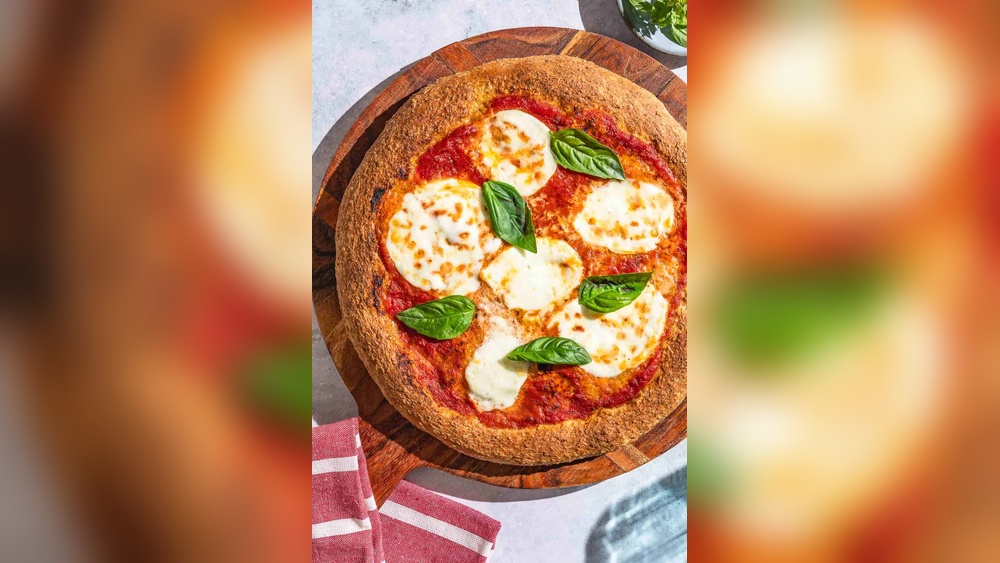
“Whole Wheat Pizza Dough Health Benefits”
When you think of pizza, you might picture a cheesy, indulgent treat. But what if your favorite comfort food could also boost your health?
Whole wheat pizza dough offers just that—a smarter, more nourishing base that supports your body while satisfying your cravings. By choosing whole wheat crust, you’re not only adding rich fiber and essential nutrients to your meal but also helping your digestion, energy levels, and overall wellness.
Curious how swapping traditional white flour for whole wheat can make a real difference? Keep reading to discover the surprising health benefits of whole wheat pizza dough and how you can make your next pizza night both delicious and good for you.
Whole Wheat Vs White Flour
Whole wheat and white flour differ greatly in nutrition and health effects. Whole wheat flour uses the entire grain, including bran, germ, and endosperm. White flour is refined, removing bran and germ. This refining process strips away many nutrients and fiber. Choosing between whole wheat and white flour impacts your pizza’s health benefits.
Fiber Content
Whole wheat flour has more fiber than white flour. Fiber helps keep you full longer. It also supports healthy digestion by adding bulk to stool. White flour contains little fiber, which can lead to quicker hunger and slower digestion.
Vitamins And Minerals
Whole wheat flour contains more vitamins and minerals. It offers B vitamins, iron, magnesium, and zinc. White flour loses many of these nutrients during refining. These vitamins and minerals are important for energy and overall health.
Protein Levels
Whole wheat flour has slightly more protein than white flour. Protein aids in muscle repair and growth. More protein in dough can help you feel satisfied after eating. White flour has less protein, offering fewer benefits in this area.
Impact On Digestion
Whole wheat flour promotes better digestion due to its fiber content. It helps regulate blood sugar by slowing digestion. This prevents spikes and crashes in energy. White flour digests quickly, which may cause rapid blood sugar changes and less stable energy levels.
Health Benefits Of Whole Wheat Dough
Whole wheat pizza dough offers more health benefits than regular white dough. It uses the entire grain, which means more fiber and nutrients. This makes it a smarter choice for pizza lovers who want to eat healthier without giving up taste. The benefits of whole wheat dough go beyond just better nutrition. It supports digestion, energy, and heart health.
Improved Satiety
Whole wheat dough contains more fiber than white dough. Fiber helps you feel full longer after eating. This reduces the urge to snack between meals. Eating whole wheat pizza can help control your appetite. You may end up eating less overall, which supports weight management.
Sustained Energy Release
The carbohydrates in whole wheat are absorbed slowly. This slow digestion provides steady energy over time. It prevents quick spikes and drops in blood sugar. Steady energy helps you stay focused and active. Whole wheat dough is a better fuel for your body.
Cholesterol Management
Fiber in whole wheat helps lower bad cholesterol levels. Lower cholesterol reduces the risk of heart disease. Whole wheat dough can support heart health naturally. Regularly choosing whole grain foods benefits your cardiovascular system.
Nutrient Density
Whole wheat dough is rich in vitamins and minerals. It contains B vitamins, iron, magnesium, and zinc. These nutrients are important for energy and immune function. Whole wheat dough offers more nutrition in every bite. It helps meet daily nutrient needs better than refined dough.
Influence Of Toppings On Health
The toppings on whole wheat pizza dough greatly affect its health benefits. Choosing the right toppings can enhance nutrition. Poor choices can add unwanted fats, sodium, and calories. Understanding different topping options helps create a healthier pizza meal.
Vegetable Options
Vegetables add vitamins, minerals, and fiber. They help digestion and keep you full longer. Popular choices include spinach, bell peppers, onions, and tomatoes. Roasted or fresh vegetables work well. They add flavor without many calories.
Lean Protein Choices
Lean proteins support muscle repair and keep you full. Grilled chicken, turkey, and seafood are good options. These provide essential amino acids with less fat. Avoid heavy breaded or fried meats to keep calories low.
Effects Of Processed Meats
Processed meats like pepperoni and sausage add saturated fat and sodium. High intake increases health risks like heart disease. Limit processed meats to keep your pizza healthier. Choose fresh meats or plant-based proteins instead.
Cheese And Sodium Considerations
Cheese adds calcium and protein but can be high in sodium and fat. Use moderate amounts to balance taste and health. Opt for lower-fat cheeses or sprinkle less cheese. This reduces calorie intake while keeping flavor.
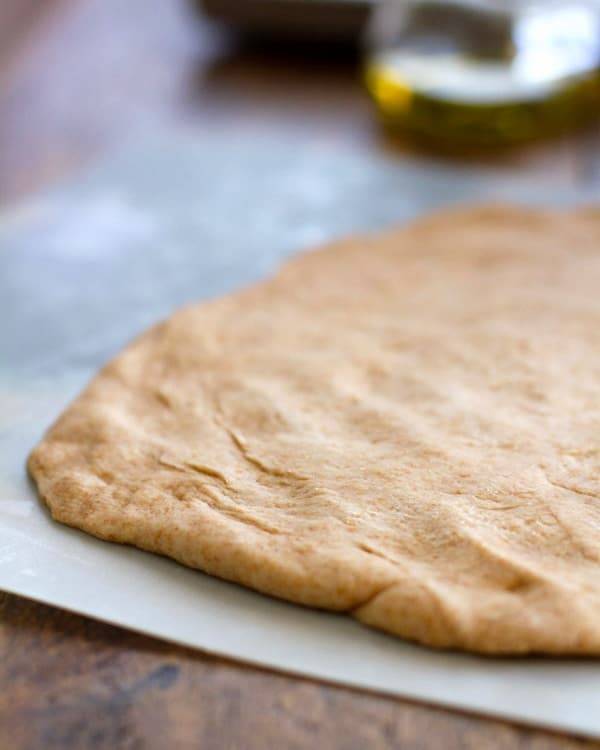
Credit: pinchofyum.com
Portion And Ingredient Balance
Balancing portion size and ingredients plays a key role in enjoying whole wheat pizza dough health benefits. Portion control helps manage calorie intake and supports weight maintenance. Choosing the right flour mix affects the dough’s texture and nutrition. Combining whole wheat with refined flour can create a better eating experience while keeping health in mind.
Portion Control Tips
Eat smaller slices to avoid overeating. Use a plate to measure your serving size. Pair pizza with a side salad to fill up on fiber. Avoid eating pizza late at night to improve digestion. Drink water instead of sugary drinks to reduce calorie intake.
Blends Of Whole Wheat And Refined Flour
Pure whole wheat dough can be dense and chewy. Mixing whole wheat with refined flour softens the texture. This blend keeps some nutrients while improving taste. It also helps the dough rise better. A common ratio is 50-50 for balance.
Balancing Texture And Nutrition
Whole wheat adds fiber, vitamins, and minerals to dough. Refined flour provides lightness and a softer bite. Combining both offers a healthier dough without sacrificing flavor. Experiment with ratios to find your perfect mix. Adding water or olive oil can improve dough softness too.
Alternative Healthy Flours
Alternative healthy flours offer more nutrients than refined white flour. They bring unique flavors and textures to whole wheat pizza dough. Using these flours can boost the dough’s health benefits. They often contain more fiber, protein, vitamins, and minerals. These flours also help keep blood sugar levels steady. They add variety for those seeking healthier pizza options.
Almond Flour Benefits
Almond flour is rich in healthy fats and protein. It contains vitamin E, which supports the immune system. This flour is low in carbs and high in fiber. It helps improve digestion and keeps you full longer. Almond flour also has antioxidants that protect the body. It works well in pizza dough for a nutty flavor and softer texture.
Spelt Flour Characteristics
Spelt flour is an ancient grain with a mild, sweet taste. It has more protein and fiber than regular wheat flour. Spelt is easier to digest for some people. It contains B vitamins, iron, and magnesium. This flour gives pizza dough a light, chewy texture. Spelt is a great option for boosting nutrient content in pizza crusts.
Stone-ground Flour Effects
Stone-ground flour retains more nutrients and fiber than modern milling. The slow grinding process preserves vitamins and minerals. It adds a richer flavor and coarser texture to the dough. Stone-ground flour supports better digestion and steady energy. Using it in whole wheat pizza dough enhances health benefits. It creates a hearty, satisfying crust with natural wholesomeness.

Credit: www.healthline.com
Gut Health And Whole Wheat
Whole wheat pizza dough supports gut health by providing natural fiber and nutrients. This fiber nourishes the gut bacteria, promoting a balanced and healthy microbiome. A healthy gut helps the body digest food better and absorb nutrients more effectively.
Eating whole wheat dough regularly can improve digestion and reduce bloating. The natural compounds in whole wheat also protect the lining of the digestive tract, keeping it strong and healthy. These benefits make whole wheat pizza dough a smart choice for gut health.
Microbiome Support
Whole wheat contains prebiotic fiber that feeds good gut bacteria. These bacteria break down fiber and produce healthy compounds. This process supports a diverse and balanced microbiome. A strong microbiome improves digestion and reduces inflammation in the gut.
Long-term Health Impacts
Regular intake of whole wheat dough can lead to lasting gut health benefits. It helps prevent constipation and supports regular bowel movements. This reduces the risk of digestive problems like irritable bowel syndrome. Long-term gut health is linked to better overall well-being.
Immune System Benefits
The gut plays a key role in the immune system. A healthy microbiome from whole wheat dough strengthens immune defenses. It helps the body fight infections and reduces inflammation. Good gut health means a stronger immune system and better protection.
Choosing The Best Whole Wheat Pizza Dough
Choosing the best whole wheat pizza dough starts with understanding the ingredients. The flour quality and the dough mix affect taste and health benefits. A well-made dough balances nutrition and texture for a great pizza base.
Small changes in the recipe can boost the dough’s health value. The right flour and additions improve flavor and nutrition without losing the classic pizza feel.
Selecting Quality Flour
Choose whole wheat flour that is 100% whole grain. Look for fresh, finely milled flour for better texture. Avoid flours with added starch or fillers. Organic flour may have fewer pesticides and better nutrients. Fresh flour has more natural oils and flavor, making the dough tastier.
Combining Flours For Texture
Mixing whole wheat with white flour softens the dough. This blend creates a lighter, less dense crust. Use about 70% whole wheat and 30% white flour. This ratio keeps fiber and nutrients high but improves chewiness. Experiment to find a balance that suits your taste.
Healthy Recipe Modifications
Add olive oil to improve dough softness and add healthy fats. Use less salt to reduce sodium intake. Try honey or molasses for a mild sweetness and extra nutrients. Use water or milk to hydrate the dough, depending on your texture preference. These tweaks keep the pizza dough healthy and delicious.
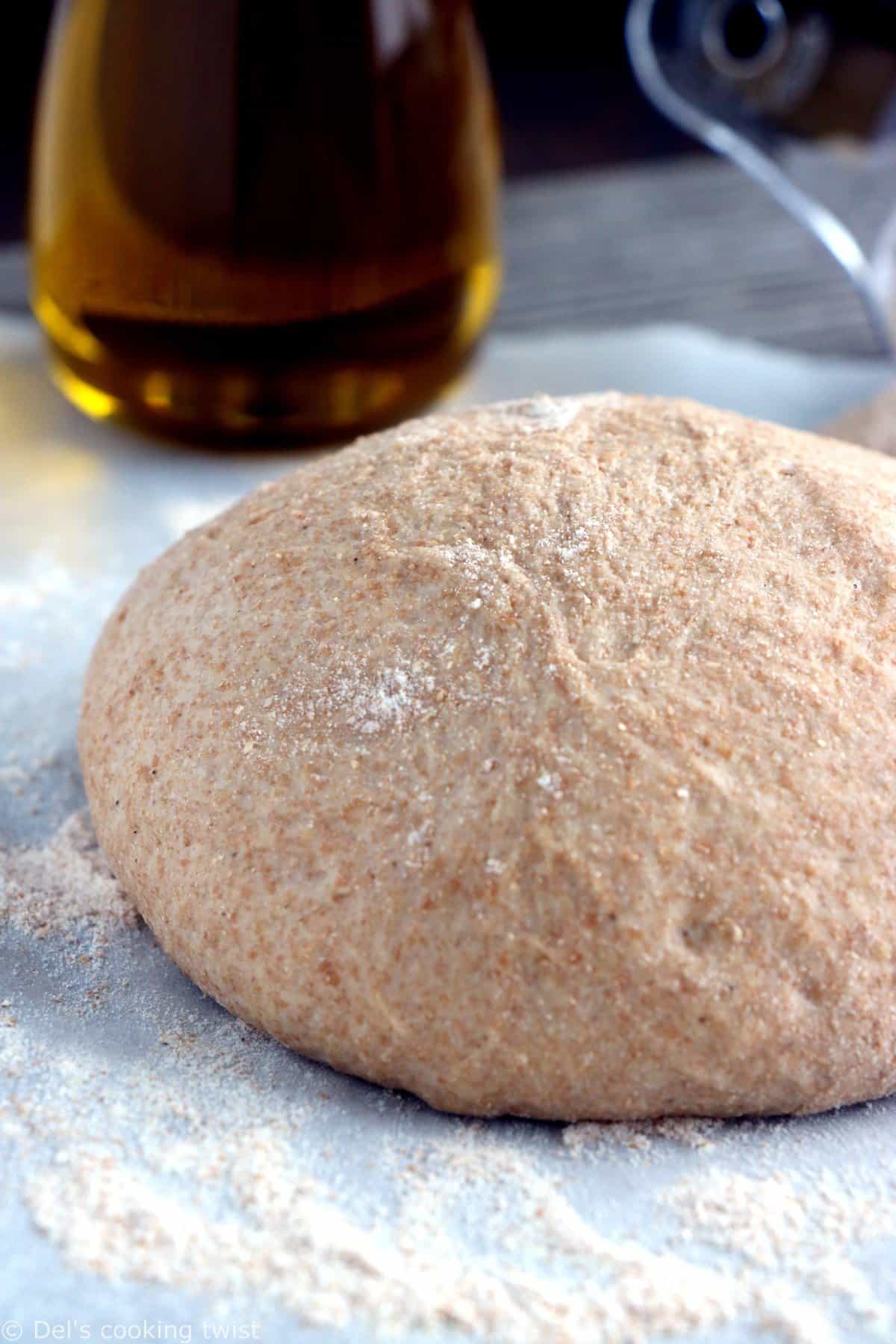
Credit: www.delscookingtwist.com
Frequently Asked Questions
Is Whole Wheat Pizza Dough Healthier?
Yes, whole wheat pizza dough is healthier than white flour dough. It provides more fiber, protein, vitamins, and minerals. This improves digestion, sustains energy, and increases fullness. Choose whole wheat dough with vegetable toppings and lean proteins for a truly nutritious pizza.
What Is The Healthiest Type Of Pizza Dough?
The healthiest pizza dough is made from whole wheat flour. It provides more fiber, vitamins, minerals, and sustained energy than white flour dough. Whole wheat dough aids digestion, keeps you fuller longer, and supports better blood sugar control. Choose vegetable toppings and lean proteins for added health benefits.
Is Whole Wheat Flour Good For Gut Health?
Whole wheat flour supports gut health by providing fiber that promotes digestion and a balanced microbiome. It aids regular bowel movements and nourishes beneficial gut bacteria.
What Is The Healthiest Flour To Use For Pizza Dough?
Whole wheat flour is the healthiest choice for pizza dough, providing more fiber, vitamins, and minerals than white flour. Almond flour suits low-carb, gluten-free diets. Combining whole wheat with all-purpose flour improves texture while keeping nutrients. Choose toppings wisely for a balanced, nutritious pizza.
Conclusion
Whole wheat pizza dough offers clear health benefits. It provides more fiber, vitamins, and minerals than white dough. This helps digestion and keeps you full longer. Choosing whole wheat crust supports steady energy levels throughout the day. Remember, toppings and portion size affect overall health.
Adding vegetables and lean proteins makes your pizza even better. Enjoying whole wheat pizza can be a smart, tasty choice for a balanced diet. Give it a try for a healthier pizza experience.

As the author of the “Ultimate Pizza Guide: Recipes, Tips & Secrets Revealed,” I’m dedicated to sharing my love for pizza and empowering others to create delicious homemade pizzas with ease. Join me on a journey to uncover the secrets to perfecting your pizza game!