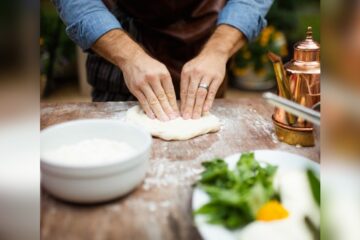
“Pizza Dough Hydration Science”
Have you ever wondered why some pizza crusts turn out perfectly light and airy, while others feel dense and tough? The secret often lies in understanding the science of pizza dough hydration.
This simple ratio of water to flour can completely change the texture and flavor of your pizza crust. Whether you want that classic chewy bite or a soft, open crumb with those beautiful air pockets, mastering hydration is your key.
Keep reading, and you’ll discover how tweaking this one ingredient can transform your homemade pizza into something truly delicious every time.

Credit: www.youtube.com
Hydration Basics
Understanding pizza dough hydration is key to baking great pizza. Hydration affects dough texture, handling, and final crust quality. It means the amount of water used compared to flour. Water activates gluten and starch in the flour. It controls dough softness and elasticity. Each pizza style may require different hydration levels.
Mastering hydration basics helps make dough that stretches without tearing. It also influences crust color and crispiness. Let’s explore the core elements of dough hydration.
Water To Flour Ratio
The water to flour ratio shows how much water the dough contains. It is usually written as a percentage. For example, 60% hydration means 60 grams of water per 100 grams of flour. More water means softer dough and bigger air pockets in the crust. Less water creates a firmer, denser dough. This ratio guides how the dough feels and bakes.
Measuring Hydration Percentage
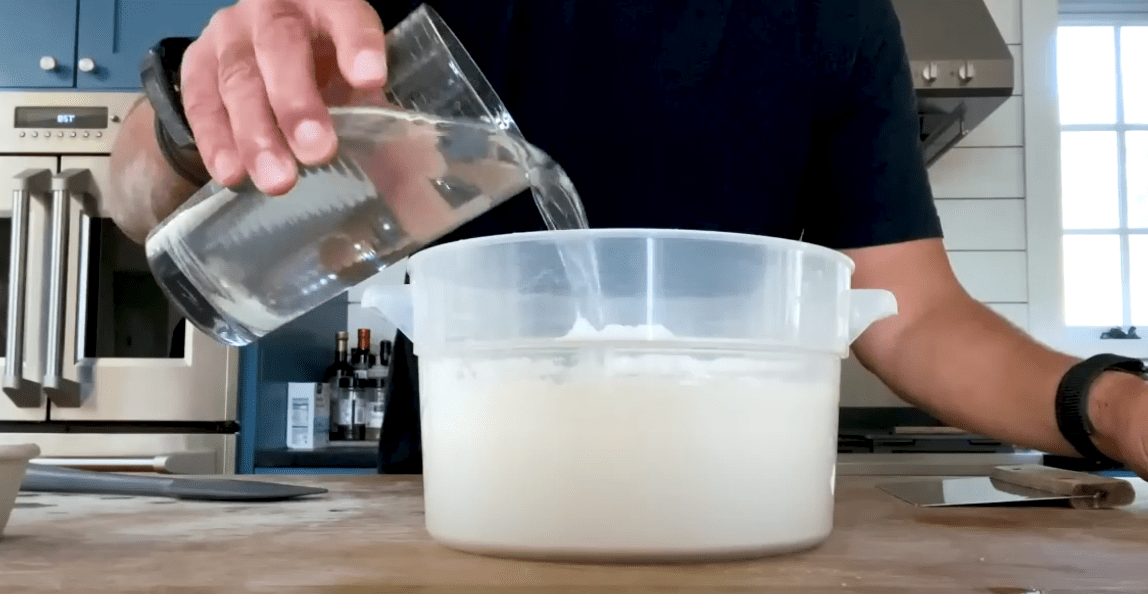
To measure hydration, weigh both flour and water accurately. Use a kitchen scale for best results. Divide the weight of water by the weight of flour. Multiply the result by 100 to get the percentage. For example, if you use 500 grams of flour and 300 grams of water, hydration is 60%. Knowing this number helps adjust recipes for desired dough texture and rise.
Credit: bakingsteel.com
Impact On Dough Texture
The hydration level of pizza dough plays a key role in shaping its texture. Hydration means the amount of water compared to flour in the dough. Different hydration levels create different dough feels and baking results. Understanding how hydration affects texture helps bakers create their desired crust style.
Effects Of High Hydration
High hydration dough contains more water than usual. This makes the dough very soft and sticky. It creates larger air pockets inside the crust. The result is a light, airy, and open crumb. The crust feels tender and chewy with a slight crisp outside. High hydration dough can be harder to handle but gives a more artisan look.
Effects Of Low Hydration
Low hydration dough has less water compared to flour. This dough is stiff and easier to shape. It produces a denser and firmer crust. The crumb is tighter with smaller air pockets. The texture is chewy and sometimes crunchy. Low hydration dough works well for thin, crispy pizza styles.
Crust Characteristics
The hydration level of pizza dough shapes the crust’s texture and feel. Water interacts with flour to create gluten, which influences the dough’s structure. Different hydration rates produce distinct crust characteristics.
Understanding these traits helps bakers craft the perfect pizza crust. The crust can be light and airy or dense and chewy, based on hydration.
Open Crumb And Air Pockets
Higher hydration dough contains more water than flour. This extra moisture makes the dough sticky and loose. It traps more gas during fermentation, creating large air pockets.
The result is an open crumb with a light, airy texture. The crust feels soft and tender with a crisp outer layer. It is ideal for Neapolitan and artisan-style pizzas.
Dense And Chewy Results
Lower hydration dough has less water. This creates a tighter, stiffer dough that is easier to handle. It traps fewer gas bubbles, producing a compact crumb.
The crust becomes dense and chewy with a firm bite. This style suits New York-style pizzas or those needing a sturdy base. The texture holds up well under heavy toppings.
Kneading And Handling
Kneading and handling pizza dough are key steps that affect the final crust quality. The hydration level of the dough changes how you should work with it. Higher hydration doughs feel sticky and soft, needing gentle care. Lower hydration doughs are firmer and easier to shape. Understanding these differences helps you create a perfect pizza base every time.
Adjusting Kneading For Hydration
Higher hydration dough requires a lighter kneading touch. Too much force can tear the dough and lose air bubbles. Use folding and stretching methods to develop gluten gently. For lower hydration dough, knead more firmly to build strength. This type of dough benefits from a consistent, rhythmic knead to form a tight structure.
Handling Wet Vs Dry Dough
Wet dough feels sticky and slippery. Use wet hands or a bench scraper to prevent sticking. Avoid adding too much flour during shaping to keep hydration levels steady. Dry dough is easier to handle and less sticky. It may need more flour on the surface when shaping. Handle dry dough with care to avoid overworking and toughening the crust.
Hydration Levels For Styles
Hydration levels in pizza dough shape the crust’s texture and chew. Each style uses a different water-to-flour ratio. This ratio impacts softness, crispness, and airiness. Understanding hydration helps you bake dough that suits your taste and oven.
New York Style Dough
New York style dough uses medium hydration, around 60% water to flour. This balance creates a soft yet sturdy crust. It stretches easily without tearing, perfect for hand-tossing. The dough develops a slight chew and crisp edge after baking.
Neapolitan Style Dough
Neapolitan dough has a higher hydration level, usually 65% to 70%. More water makes the dough wetter and stickier. This results in a light, airy crust with big bubbles inside. It cooks very fast in a hot wood-fired oven, forming a tender, puffy edge.
Home Oven Adaptations
Home ovens do not reach the high heat of professional pizza ovens. Lower hydration, about 55% to 60%, works better here. This dough is easier to handle and holds shape during longer baking times. It helps produce a crust that is crisp outside and soft inside.
Tools And Techniques
Understanding the right tools and techniques can improve your pizza dough hydration process. Precise measurements and proper equipment help control water content. This control affects dough texture, elasticity, and final pizza quality. Using specific tools simplifies the process and ensures consistency every time. These tools also help avoid common dough mistakes.
Using Hydration Calculators
Hydration calculators help measure water and flour ratios accurately. They allow you to input flour weight and desired hydration percentage. The calculator then shows the exact water amount needed. This tool removes guesswork and ensures precise dough consistency. It suits beginners and experienced bakers aiming for specific dough textures.
These calculators save time and reduce dough errors. You can adjust hydration levels for different pizza styles easily. Tracking hydration percentages helps improve your pizza recipes over time. Most hydration calculators are available online or as mobile apps.
Benefits Of Pizza Presses
Pizza presses help shape dough evenly and quickly. They apply uniform pressure, creating consistent thickness. This tool works well with high-hydration doughs, which can be sticky and soft. A pizza press reduces the effort needed to stretch the dough by hand.
Using a pizza press saves time during prep and produces uniform crusts. It also helps prevent tearing or uneven spots in the dough. Presses work well in busy kitchens or for home bakers who want faster results. They support dough hydration science by maintaining dough structure while shaping.
Troubleshooting Dough Issues
Troubleshooting dough issues is key to baking great pizza. Dough hydration affects texture, elasticity, and rise. Understanding common problems helps improve your pizza crust. This section focuses on fixing hydration problems for better dough results.
Common Problems With High Hydration
High hydration dough feels sticky and hard to handle. It spreads out too much on the baking surface. The dough may tear easily and lose shape. Sometimes, it takes longer to rise due to the extra water. Baking results may be gummy or overly soft inside.
To manage sticky dough, use wet hands or a dough scraper. Let the dough rest longer to absorb water fully. Try folding the dough gently during fermentation to build strength. Use a baking surface with good traction to prevent spreading. Adjust hydration slightly if problems persist.
Fixing Low Hydration Dough
Low hydration dough is stiff and tough to stretch. It feels dry and cracks when shaped. The crust turns dense and chewy after baking. The dough rises slowly and can lack air pockets.
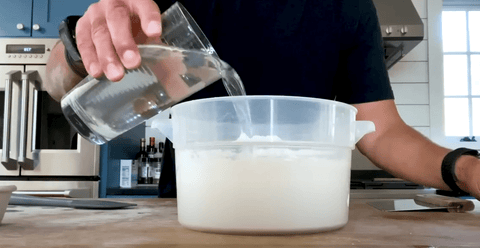
Add small amounts of water to soften the dough. Mix well to allow water to distribute evenly. Let the dough rest to relax gluten and improve elasticity. Avoid adding too much flour during kneading to keep moisture balanced. A well-hydrated dough yields a lighter, airier crust.
Credit: bakingsteel.com
Frequently Asked Questions
What Is Pizza Dough Hydration Ratio?
Pizza dough hydration ratio is the percentage of water to flour by weight. It controls dough texture, elasticity, and crust openness. Higher hydration means softer, airier crusts; lower hydration yields denser, chewier pizzas. Understanding this ratio helps bakers craft doughs suited to their preferred style.
How Does Hydration Affect Pizza Dough Texture?
Hydration impacts dough softness and crumb structure. More water results in a lighter, more open crumb with larger air pockets. Less water produces a tighter, denser crumb and chewier texture. Adjusting hydration is key to achieving your desired crust characteristics.
What Hydration Level Is Best For Neapolitan Pizza?
Neapolitan pizza typically uses 60-65% hydration. This range balances dough softness and strength for easy stretching and a tender crust. It creates the classic airy yet chewy texture Neapolitan style is known for, with good oven spring and slight crispness.
Can High Hydration Dough Be Harder To Handle?
Yes, higher hydration doughs are stickier and more challenging to knead and shape. They require gentle handling, longer fermentation, and sometimes specialized tools. However, they yield lighter, airier crusts favored by artisanal pizza makers.
Conclusion
Understanding pizza dough hydration helps create better crust textures. Water affects dough softness, elasticity, and air pockets. Higher hydration makes dough lighter and more open. Lower hydration yields a denser, chewier crust. Experiment with hydration levels to find your preferred style.
Keep measurements consistent for reliable results. Simple science, tasty outcomes. Pizza baking becomes easier and more enjoyable this way.

As the author of the “Ultimate Pizza Guide: Recipes, Tips & Secrets Revealed,” I’m dedicated to sharing my love for pizza and empowering others to create delicious homemade pizzas with ease. Join me on a journey to uncover the secrets to perfecting your pizza game!