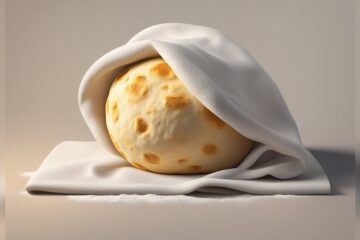
Choosing the right container for fermenting your pizza dough can make all the difference between a good crust and a great one. You might have the best recipe, but if your dough isn’t fermenting properly, you won’t get that perfect texture and flavor you crave.
So, what should you look for in a fermentation container? How does the container affect your dough’s rise and taste? You’ll discover the key factors to consider when picking your pizza dough fermentation container. By the time you finish reading, you’ll know exactly how to set your dough up for success—and bake pizzas that impress every time.
Keep reading to find out how to choose the ideal container that fits your needs and elevates your pizza game.

Credit: www.amazon.com
Container Types
Choosing the right container for pizza dough fermentation affects the dough’s texture and rise. Different materials offer unique benefits. Some keep the dough moist, while others help control temperature better. Understanding container types helps in selecting the best one for your kitchen.
Plastic Containers
Plastic containers are lightweight and easy to handle. Many come with airtight lids that trap moisture well. They usually cost less and resist breaking. Clear plastic lets you watch the dough rise without opening the lid. Choose BPA-free plastic for food safety.
Glass Bowls
Glass bowls are sturdy and do not absorb odors. They keep temperature steady during fermentation. Glass is easy to clean and dishwasher safe. Many home bakers like glass for its classic look and feel. Cover with a damp cloth or plastic wrap to keep dough moist.
Stainless Steel Options
Stainless steel containers are durable and long-lasting. They resist stains and odors better than plastic. Steel conducts heat quickly, so monitor fermentation temperature carefully. These containers are often used in professional kitchens. They clean easily and look sleek.
Specialized Proofing Boxes
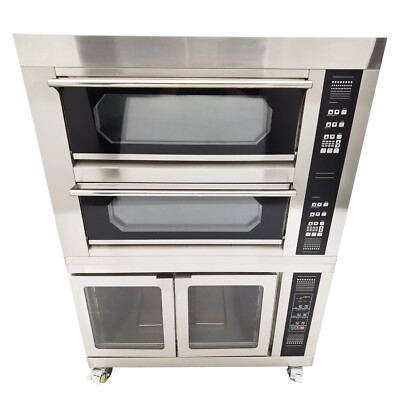
Proofing boxes control temperature and humidity precisely. They create ideal conditions for dough to rise evenly. Some models have built-in timers and humidity controls. These boxes cost more but improve fermentation consistency. Perfect for bakers who want reliable results every time.
Size And Shape
Choosing the right size and shape for your pizza dough fermentation container affects dough quality and ease of use. The container must hold enough dough to allow expansion without spilling. It also needs to fit your kitchen space and storage options. The shape can influence how the dough ferments and how easy it is to handle.
Choosing The Right Size
Pick a container that matches the amount of dough you prepare. It should be large enough to let the dough double in size. Too small a container can cause the dough to overflow. Too large, and the dough may spread too thin, drying out. A good rule: choose a container 1.5 to 2 times bigger than your dough volume.
Rectangular Vs Round Containers
Rectangular containers save space on kitchen counters and in refrigerators. They fit neatly side by side, making better use of limited space. Round containers mimic the shape of dough balls and allow even fermentation. They make it easier to fold and stretch the dough. Choose based on your kitchen space and how you like to work with dough.
Stackability And Storage
Stackable containers keep your kitchen organized. They save room in your fridge or pantry. Look for containers with flat lids for stable stacking. Transparent containers help you check dough progress without opening the lid. Easy storage means less hassle during long fermentation times.
Material Benefits
Choosing the right material for your pizza dough fermentation container improves the dough’s quality. The container’s material affects how the dough ferments, sticks, and stays fresh. Materials vary in how they handle temperature, stickiness, and cleaning. Understanding these benefits helps you pick the best container for your needs.
Non-stick Surfaces
Non-stick surfaces prevent dough from sticking to the container walls. This means less mess and easier dough removal. Containers with non-stick coatings reduce the need for extra flour or oil. Your dough keeps its texture without tearing or sticking. Cleaning is also simpler with these surfaces.
Temperature Retention
Material choice affects how well the container holds temperature. Some materials keep the dough warm, which aids fermentation. Others may cool down quickly, slowing the process. Containers made of plastic or silicone usually keep steady temperatures. This helps the yeast grow and the dough rise evenly.
Durability And Maintenance
Durable materials last longer and resist damage. Plastic containers often resist cracks and breaks. Glass and stainless steel are tough but need careful handling. Maintenance is easier with materials that do not stain or absorb odors. Regular cleaning keeps your container safe for repeated use.
Lid And Seal Features
The lid and seal of a pizza dough fermentation container play a vital role in dough quality. They control moisture and air exposure during fermentation. Choosing the right lid and seal helps maintain dough texture and flavor. It also affects how easy the container is to use every day.
Airtight Seals
Airtight seals keep air and moisture out. This prevents the dough from drying or forming a crust. It helps the dough ferment evenly and stay soft. Containers with silicone or rubber seals often provide the best airtight closure. A tight seal also stops odors from escaping or entering the container.
Ventilation Options
Some lids come with vents or adjustable openings. These allow carbon dioxide to escape during fermentation. Controlled ventilation prevents pressure build-up inside the container. It helps avoid messy dough overflow or bursting lids. Vent options give more control over the fermentation environment.
Ease Of Access
Good lids open and close easily. They should allow quick access to the dough without fuss. Snap-on lids with flexible tabs or handles work well. Clear lids help you check dough progress without opening the container. Ease of access saves time and keeps dough safe during handling.
Cold Vs Room Temperature Fermentation
Choosing the right fermentation method affects your pizza dough’s texture and flavor. Cold fermentation slows yeast activity by storing dough in a refrigerator. This process develops deeper flavors and a chewier crust. Room temperature fermentation speeds up yeast growth, leading to faster dough rise and a lighter texture. Each method needs a suitable container to keep the dough safe and fresh.
Container Suitability For Cold Fermentation
Containers for cold fermentation must be airtight. This stops the dough from drying out and absorbing fridge odors. Plastic or glass containers with tight-fitting lids work well. They trap moisture and keep the dough soft. Choose a container large enough to allow dough expansion. Clear containers help monitor dough rise without opening them.
Benefits Of Room Temperature Rise
Room temperature fermentation needs containers that allow some air exchange. This prevents too much moisture buildup, which can cause sticky dough. Bowls covered with cloth or loose lids suit this method. The dough rises faster, so check it often to avoid overproofing. This process produces a tender, airy crust with good flavor.
Credit: www.ebay.com
Bulk Fermentation Tips
Bulk fermentation is a crucial step in pizza dough making. It allows the dough to develop flavor and texture. Choosing the right container helps control the fermentation process effectively. Proper tips can improve your dough’s rise and overall quality.
Container Size For Bulk Rise
Pick a container large enough for dough expansion. The dough should fill about half the container at the start. This space lets the dough double without spilling over. Too small a container restricts growth and can make a mess. A transparent container helps watch the dough rise easily.
Managing Dough Expansion
Check the dough regularly during bulk fermentation. If the dough grows too fast, cool it down by placing the container in a cooler spot. Use a container with a lid to keep moisture in and prevent drying. Stirring or folding the dough once or twice improves gas distribution and texture.
Cleaning And Maintenance
Choosing the right container for pizza dough fermentation goes beyond size and shape. Cleaning and maintenance play a key role in keeping your dough fresh and your container lasting longer. A container that is easy to clean saves time and reduces the risk of bacteria build-up. Proper care also prevents unwanted smells and stains that can affect the dough’s flavor.
Dishwasher Safe Choices
Containers that are dishwasher safe offer great convenience. They clean thoroughly without much effort. Look for containers made of materials like certain plastics, glass, or stainless steel. These materials usually handle dishwasher cycles well. Using the dishwasher can remove dough residue and oils better than hand washing. It also keeps your container hygienic for the next use.
Avoiding Stains And Odors
Some containers can absorb stains or odors from the dough. Avoid those made from porous materials like wood or low-quality plastic. Clean containers quickly after use to prevent dough from drying and sticking. Rinse with warm water and mild soap. For tough smells, use a vinegar soak or baking soda paste. Proper drying is essential to stop mold and bad smells from forming.
Credit: www.alibaba.com
Popular Brands And Products
Choosing the right pizza dough fermentation container is key to achieving perfect dough. Many brands offer containers that suit different needs and budgets. Some products stand out for their quality, durability, and user-friendly design. This section explores popular brands and products that pizza enthusiasts trust. It helps you find the container that fits your kitchen and baking style.
Budget-friendly Options
Affordable containers offer great value without sacrificing quality. King Arthur Baking provides simple dough-rising buckets under $15. These containers are sturdy and easy to clean. Walmart also sells transparent fermentation containers with lids for around $15 to $25. These are lightweight and perfect for small kitchens. WebstaurantStore offers budget-friendly options near $25 with good reviews. These containers help beginners practice dough fermentation without high costs.
Premium Containers
Premium containers focus on durability and extra features. The Uncommon Goods Sourhouse DoughBed is priced near $280. It features a sleek design and professional-grade materials. Breadtopia’s Artisan Pizza Dough Tray Kit costs around $59 and includes multiple tools for fermentation. The Scacco Matto Ultimate Pizza Making Bundle, above $400, offers a complete pizza-making setup. Alfa Proofing Boxes by Pro Pizza Ovens provide excellent insulation and a tight lid. These containers suit serious bakers seeking reliability and style.
User Favorites On Amazon
Amazon hosts many top-rated dough fermentation containers. King Arthur Baking’s pizza dough proofing bowls have thousands of positive reviews. Customers praise their size and ease of use. Ooni’s pizza dough boxes near $60 are popular for their sturdy build and airtight seals. BrickOvenBaker offers containers around $40, known for their non-stick surfaces. These favorites combine functionality with convenience. They appeal to both home cooks and pizza professionals.
Diy And Alternative Containers
Choosing the right container for pizza dough fermentation matters. Not everyone has special dough containers at hand. Many find excellent results using simple, everyday items. These DIY and alternative containers help keep dough fresh and let it rise well. They also save money and reduce kitchen clutter.
Using Bowls And Wraps
Bowls are a common and easy container for dough fermentation. Glass, ceramic, or plastic bowls work well. Choose a bowl large enough for the dough to double in size. Cover the bowl tightly with plastic wrap or a damp cloth. This keeps moisture in and stops the dough from drying out. Using wraps also prevents air from reaching the dough. It creates a warm, humid environment, perfect for yeast activity. This method is simple and effective for most home bakers.
Creative Proofing Solutions
Some use unusual containers for proofing dough. Large food storage containers or reusable silicone bags can hold dough safely. Even mixing bowls covered with shower caps can trap moisture well. Another idea is placing dough in a clean, lightly oiled pot with a lid. You can proof dough inside a turned-off oven with the light on. The gentle warmth helps dough rise evenly. These creative solutions fit any kitchen and keep dough fermentation controlled.
Frequently Asked Questions
What Is The Best Container For Fermenting Dough?
The best container for fermenting dough is a food-grade, airtight plastic or glass container with a lid. It maintains moisture and allows dough expansion. Transparent containers help monitor fermentation easily. Choose one large enough to accommodate dough rise without spilling.
What Is The 55 Rule For Pizza Dough?
The 55 rule for pizza dough means using 55% hydration—55 grams of water per 100 grams of flour—for optimal texture and stretch.
Should Pizza Dough Rise In An Airtight Container?
Pizza dough should rise in a container with a loose lid or cover to allow gas to escape. Airtight containers may trap gas, causing overpressure and affecting dough texture. Use a breathable cover to promote proper fermentation and prevent dough from drying out.
Is Cold Fermentation Better For Pizza Dough?
Cold fermentation enhances pizza dough flavor and texture by slowing yeast activity. It creates a chewier crust and richer taste.
Conclusion
Choosing the right container helps your dough ferment well. A good container keeps dough moist and warm. It also allows easy handling and storage. Clear containers help you watch the dough rise. Make sure the container is clean and fits your dough size.
Using the proper container improves your pizza’s texture and taste. Simple tools can make big baking differences. Try different containers to find what works best. Enjoy the process of making pizza dough at home.

As the author of the “Ultimate Pizza Guide: Recipes, Tips & Secrets Revealed,” I’m dedicated to sharing my love for pizza and empowering others to create delicious homemade pizzas with ease. Join me on a journey to uncover the secrets to perfecting your pizza game!