“High Hydration Dough Benefits”
If you’ve ever struggled with dense, dry bread or tight crumbs that don’t quite satisfy, high hydration dough could be your secret weapon. By simply adding more water to your dough, you unlock a world of benefits that transform your baking—think softer, moister bread with a beautiful open texture and richer flavor.
Yes, handling this wetter, stickier dough can be tricky at first, but once you master it, your loaves will stand out with a tender crumb and longer freshness. Ready to discover how high hydration dough can elevate your baking game?
Let’s dive into the key benefits and what you need to know to get started.
Credit: www.pantrymama.com
Benefits Of High Hydration Dough
High hydration dough contains more water than typical bread dough. This higher water content changes the dough’s texture and baking results. Bakers use high hydration dough to produce bread with unique qualities and better eating experiences.
These benefits make high hydration dough popular among artisan bakers and home cooks who want soft, flavorful bread with an open crumb. Understanding these benefits helps appreciate why this dough style is worth trying.
Moist And Tender Crumb
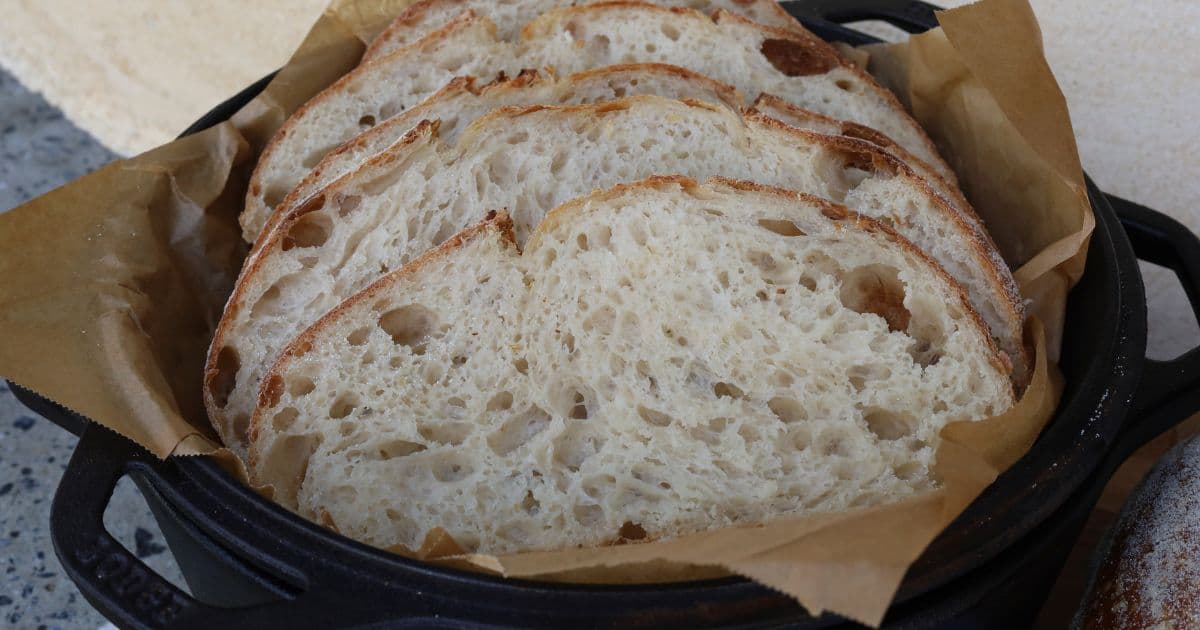
More water in the dough creates steam during baking. This steam keeps the crumb moist and soft. The bread feels tender and less dense. It stays enjoyable to eat with every bite.
Enhanced Flavor Development
High hydration dough ferments slowly and evenly. This slow fermentation allows complex flavors to develop. The taste becomes richer and more interesting. Bread made this way often has a pleasant, mild tang.
Open, Airy Texture
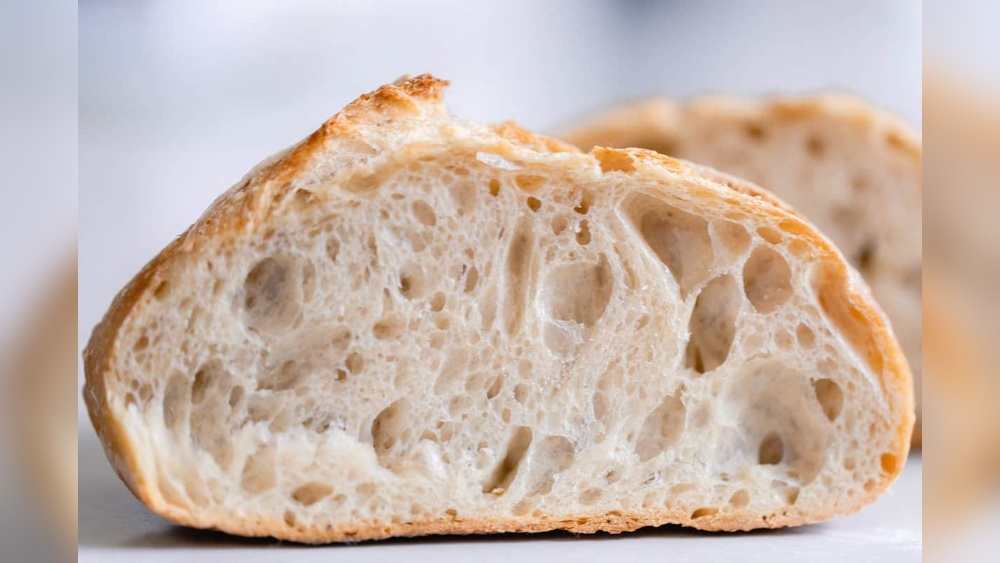
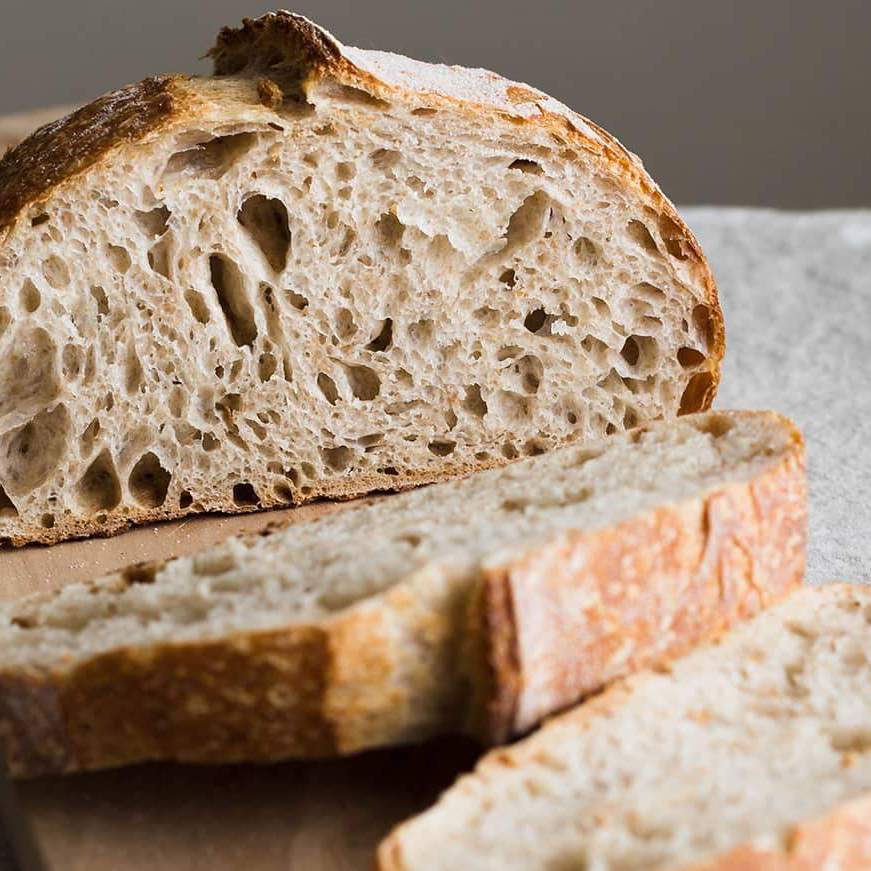
The extra water helps form large air pockets inside the bread. This results in an open crumb with big holes. The texture is light and airy, making the bread feel fresh and delicate.
Extended Freshness
Water content keeps the bread moist longer after baking. This helps prevent the bread from drying out quickly. The loaf stays soft and fresh for more days. It reduces the need to eat bread immediately.
Improved Dough Extensibility
High hydration dough stretches easily without tearing. This makes shaping the dough possible with practice. The dough becomes more flexible and less stiff. It allows for better rise and volume in the oven.
Credit: www.farmhouseonboone.com
Challenges With High Hydration
High hydration dough offers many baking benefits but also brings certain challenges. The dough contains a high water percentage, making it soft and sticky. This texture can complicate handling and shaping. Proper technique and patience become essential. Bakers must understand these difficulties to produce great bread with high hydration dough.
Handling Sticky Dough
High hydration dough feels very sticky and wet. It sticks to hands and tools easily. This makes kneading and shaping tricky. Using wet or lightly oiled hands helps manage the stickiness. Folding the dough gently during rest periods improves strength without adding flour. Avoid adding too much flour, or the dough will become dense.
Risk Of Gummy Texture
Improper fermentation or cooling can cause a gummy crumb. The bread may feel wet or doughy inside. To avoid this, ferment the dough fully and bake at the right temperature. Cooling the bread completely before slicing is important. This allows moisture to distribute evenly and sets the crumb structure.
Potential For Loaf Collapse
High hydration dough has weaker gluten networks. This can cause the loaf to spread or collapse after baking. Supporting the dough with proper shaping and proofing prevents this issue. Using a banneton or a well-floured surface helps hold the shape. Monitoring proofing time closely avoids over-proofing, which leads to collapse.
Hydration Levels And Fermentation
Hydration levels play a crucial role in dough fermentation. Higher water content affects how yeast and enzymes work. This interaction changes fermentation speed and dough texture. Understanding this helps bakers achieve desired bread qualities.
Faster Fermentation Rates
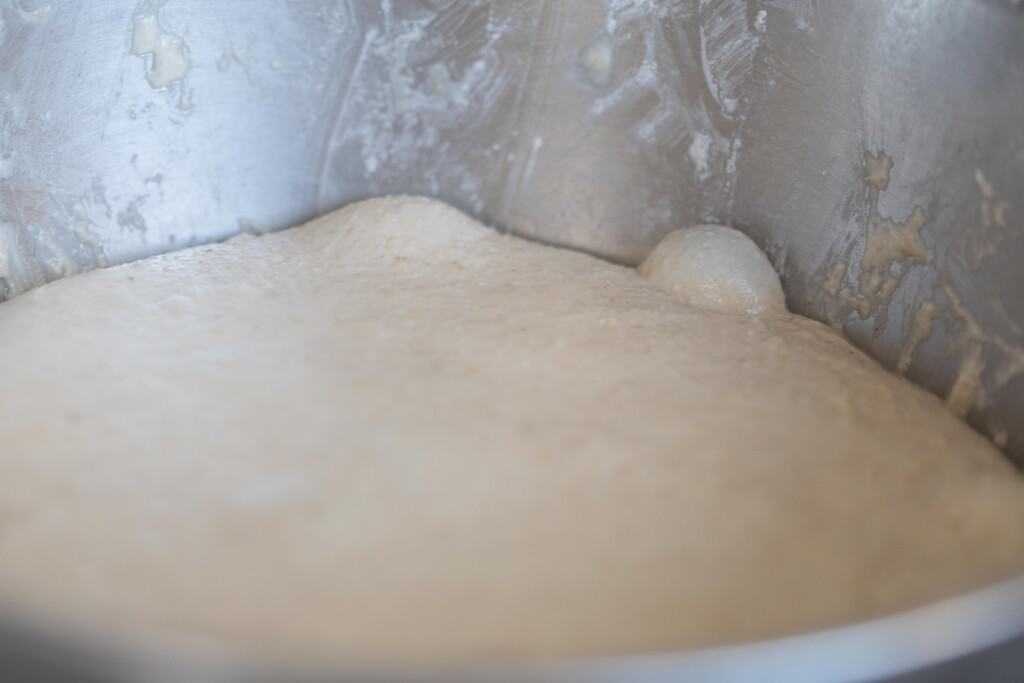
High hydration dough ferments faster than low hydration dough. Water helps yeast move and feed more easily. This boosts yeast activity and speeds gas production. The dough rises more quickly and becomes lighter. Faster fermentation also enhances flavor development in the bread.
Impact On Yeast And Enzymes
Extra water creates an ideal environment for yeast and enzymes. Yeast cells absorb water, activating their metabolism. Enzymes break down starches into sugars more efficiently. This provides more food for yeast to produce carbon dioxide. The dough’s structure develops better with balanced enzyme action.
Credit: brodandtaylor.com
Techniques For Managing Wet Dough
Handling high hydration dough requires special care and techniques. The dough is very wet and sticky. Without the right methods, it can be hard to shape and work with. Using proper techniques helps develop gluten and structure. This makes the dough easier to manage and improves the final bread texture.
Slap And Fold Method
The slap and fold method strengthens wet dough without adding too much flour. You lift the dough, slap it onto the work surface, then fold it over itself. This action develops gluten and improves dough elasticity. It also helps incorporate air, which creates a lighter crumb. Repeating this process several times makes the dough less sticky and easier to handle.
Adding Flour Gradually
Adding flour little by little helps control the dough’s stickiness. Start with the recipe’s flour amount. If the dough feels too wet, sprinkle small amounts of flour while kneading. Avoid adding too much flour at once. This keeps the dough soft and moist. Gradual flour addition balances hydration and dough consistency well.
Allowing Dough To Rest
Resting the dough is key to managing high hydration dough. After mixing, let the dough rest for 20 to 30 minutes. This rest, called autolyse, allows flour to absorb water fully. The dough becomes less sticky and more stretchy. Rest periods during bulk fermentation also help gluten relax. This makes shaping easier and prevents tearing.
Signs Of Overhydrated Dough
High hydration dough offers great benefits like moist crumbs and open texture. Yet, too much water causes problems. Knowing the signs of overhydrated dough helps you adjust your recipe. It ensures better bread and less frustration.
Excessive Stickiness
Overhydrated dough feels very sticky and hard to touch. It clings to your hands and work surface. This stickiness makes it tough to knead or fold properly. Handling the dough without adding more flour becomes a challenge.
Soupy Or Batter-like Consistency
The dough looks more like a thick batter than a ball. It spreads out easily and lacks firmness. This runny texture means the dough cannot hold its shape well. It may also take longer to rise or not rise evenly.
Difficulties In Shaping
Shaping overhydrated dough is frustrating and tricky. The dough slips and slides instead of forming smooth shapes. It loses structure and can tear easily. Achieving a tight, round loaf becomes almost impossible.
Choosing Hydration For Your Bread
Hydration level changes the texture and shape of your bread dough. Water content affects crumb softness, crust, and ease of handling. Bakers adjust hydration to match their bread style and skill. Understanding hydration helps create loaves you enjoy baking and eating.
Higher hydration doughs hold more water, making them sticky and soft. Lower hydration doughs feel firmer and easier to shape. Each choice brings different results in crumb and crust. Let’s explore how hydration shapes artisan and tight crumb breads.
Artisan Bread With Open Crumb
High hydration creates a moist and tender crumb. The dough traps large air bubbles for an open texture. This style suits rustic, crusty breads with irregular holes inside. Water helps gluten form flexible strands, allowing dough to stretch well. Handling high hydration dough requires patience and practice. The result is a flavorful loaf with a light, airy crumb.
Tight Crumb And Defined Loaves
Lower hydration yields a firmer dough and tighter crumb structure. This dough is less sticky and easier to shape. It produces loaves with clear, defined shapes and small, even holes inside. These breads hold their form well during baking. Bakers choose lower hydration for sandwich breads and rolls. The crumb feels denser and chewier compared to high hydration breads.
Frequently Asked Questions
Is 75% Hydration Too Much For Sourdough?
75% hydration is high but manageable for sourdough. It yields moist, open crumb bread with complex flavor. Handling can be sticky and challenging, requiring experience. Proper fermentation and shaping prevent collapse or gummy texture. This hydration suits artisan loaves, not tight crumb or easy shaping.
What Is Not A Benefit Of High Hydration Dough?
High hydration dough does not benefit ease of handling or shaping. It can be sticky, difficult to shape, and may collapse.
Does Higher Hydration Dough Ferment Faster?
Higher hydration dough ferments faster because extra water boosts yeast and enzyme activity. This speeds up sugar consumption and gas production.
What Happens If Dough Is Too Hydrated?
Too hydrated dough becomes sticky and hard to handle. It may spread too much, causing flat, dense loaves with poor structure.
Conclusion
High hydration dough offers many benefits for baking bread. It creates a soft, moist crumb that feels fresh longer. The dough allows for bigger air pockets, giving bread a light texture. Flavor develops better due to slow fermentation. Though handling can be tricky, the results often reward patience and practice.
Bakers willing to try will enjoy bread with great taste and texture. High hydration dough suits those who want artisan-style bread at home. Give it a try, and see the difference it makes!

As the author of the “Ultimate Pizza Guide: Recipes, Tips & Secrets Revealed,” I’m dedicated to sharing my love for pizza and empowering others to create delicious homemade pizzas with ease. Join me on a journey to uncover the secrets to perfecting your pizza game!