If you’ve ever wondered why your homemade pizza crust doesn’t quite turn out like the ones from your favorite pizzeria, the secret might be in how long you knead your pizza dough. Kneading isn’t just about mixing ingredients—it’s a crucial step that transforms your dough’s texture, elasticity, and rise.
But how long should you knead? Too little, and your dough may lack structure; too much, and it can become tough and chewy. Understanding the benefits of the right kneading time can elevate your pizza game, giving you that perfect balance of airy, soft, and flavorful crust every time.
Keep reading to discover how mastering kneading time can make your homemade pizza truly irresistible.
Gluten Development And Kneading
Gluten development is a key factor in creating the perfect pizza dough. Kneading plays an essential role in shaping the dough’s texture. It helps form the gluten network, giving the dough strength and elasticity. Understanding how gluten forms and reacts to kneading can improve your pizza-making skills.
Role Of Gluten In Dough Texture
Gluten is a protein found in wheat flour. It forms when water mixes with flour and proteins link together. This network traps gases from yeast, helping dough rise. Gluten also gives dough its stretchy, chewy feel. A well-developed gluten network means a dough that is elastic and easy to shape. Without enough gluten, dough can be crumbly or dense. Proper gluten development is crucial for a soft, airy crust.
How Kneading Speeds Gluten Formation
Kneading stretches and aligns gluten strands. It helps proteins connect faster and stronger. The more you knead, the more gluten forms. This creates a smooth, elastic dough texture. Kneading also distributes yeast and ingredients evenly. It allows the dough to hold gas better during rising. This results in a lighter and airier pizza crust. Kneading too little slows gluten growth, leading to weak dough.
Gluten Formation Over Time Without Kneading
Gluten can form slowly even without kneading. Over time, water and flour interact naturally. This process is called autolyse or slow fermentation. It allows gluten strands to develop gently. Dough left to rest for hours or overnight gains strength. This method produces a dough with good texture and flavor. However, it takes much longer than kneading. Slow gluten formation helps create a tender and flavorful crust.
Signs Of Proper Kneading
Knowing when your pizza dough is properly kneaded is key to making delicious pizza. Proper kneading develops gluten, which gives dough strength and stretch. It changes the dough’s texture and feel. Recognizing these signs saves time and avoids overworking the dough.
Smooth And Elastic Dough Texture
Properly kneaded dough feels smooth to the touch. It looks even and soft without lumps. The dough stretches easily without breaking. It springs back when pressed gently. This elasticity means the gluten has developed well.
Windowpane Test Explained
The windowpane test checks dough strength. Take a small dough piece and stretch it thin. Hold it up to light. If the dough forms a thin, translucent membrane without tearing, it passes. This shows gluten strands are strong and well-formed.
When To Stop Kneading
Stop kneading once the dough is smooth and elastic. The windowpane test helps confirm readiness. Over-kneading makes dough tough and hard to stretch. Under-kneaded dough feels sticky and tears easily. Proper kneading balances strength and softness.
Risks Of Over-kneading
Over-kneading pizza dough can harm your final crust. It stresses gluten strands too much. This causes the dough to lose its ideal qualities. Understanding these risks helps you avoid common mistakes. The right kneading time is crucial for good pizza.
Texture Changes: Tough And Dense Dough
Over-kneaded dough becomes tough and hard to chew. The dough loses its softness and lightness. It turns dense, making the crust heavy. The chewy texture takes away the pleasant bite of pizza. This happens because gluten tightens too much.
Appearance And Stretching Issues
The dough may look rough and torn. Stretching becomes difficult as the dough resists pulling. It can snap back quickly when you try to shape it. This limits your ability to form a thin crust. The elasticity becomes too strong and less flexible.
Impact On Dough Rising And Gas Retention
Over-kneading harms dough rising by trapping gas poorly. Strong gluten strands hold gas less efficiently. The dough may rise unevenly or remain flat. This results in a crust that lacks airiness and bubbles. Proper gas retention is key for a fluffy pizza base.
:max_bytes(150000):strip_icc()/20211115-OONI-PIZZA-ARMENIAN-ANDREW-JANJIGIAN-23-5447ecc61b12450d9a09f38cca67c19c.jpg "Pizza Dough Kneading Time Benefits: Unlock Perfect Texture Every Time 2")
Credit: www.seriouseats.com
Avoiding Over-kneading
Over-kneading pizza dough can ruin its texture and make the crust tough. Kneading too long tightens gluten strands too much. This leads to dough that tears easily and is hard to stretch. Avoid over-kneading to keep your dough soft and elastic. Watch for signs like dryness or dough that resists stretching. Proper kneading time helps create a perfect pizza base every time.
Hand Kneading Vs. Mixer Kneading
Hand kneading gives better control over the dough’s feel. It is harder to over-knead by hand. You stop naturally when the dough is smooth and elastic. Mixers work faster but can overwork the dough quickly. Use low speed and short bursts to avoid over-kneading. Check the dough often to keep the right texture.
Using The Windowpane Test To Check Dough
The windowpane test shows if gluten is developed enough. Take a small piece of dough and stretch it thin. If you can see light through it without it breaking, the dough is ready. This test helps avoid kneading too long or too little. It ensures the dough is elastic but not too tight.
Importance Of Resting The Dough
Resting lets gluten relax and dough rise properly. After kneading, cover the dough and let it rest for at least 30 minutes. This makes the dough softer and easier to shape. Resting also improves the dough’s texture and flavor. Avoid skipping this step to get a tender, airy crust.
Fixing Over-kneaded Dough
Over-kneaded pizza dough feels tough and hard to stretch. The gluten develops too much, making the dough tight and less stretchy. This can lead to a dense, chewy crust instead of a soft one. Fixing over-kneaded dough takes some care, but it is possible to improve its texture and workability.
Resting To Relax Gluten
Resting the dough helps the gluten strands to relax. This makes the dough softer and easier to stretch. Place the dough in a bowl and cover it with a damp cloth or plastic wrap. Let it rest at room temperature for 30 minutes to 1 hour. For best results, refrigerate the dough overnight. The cold rest slows fermentation but further softens the dough.
Adjusting Expectations For Crust Texture
Over-kneaded dough will never be as light as well-kneaded dough. Expect a denser, chewier crust. The crust may be less airy and have a tighter crumb. This texture can still be tasty, especially if you like a hearty pizza base. Adjust your baking time and temperature to avoid drying out the dough.
Tips To Salvage Dough Quality
Add a small amount of water to the dough and knead gently by hand. This can help loosen the gluten strands. Avoid using a mixer to prevent further over-kneading. Use olive oil on the dough surface to improve elasticity. Stretch the dough slowly and carefully to avoid tearing. Bake on a hot stone or steel for better oven spring.

Credit: www.prepapizza.com
Kneading Time Recommendations
Kneading pizza dough correctly is key to a perfect crust. The kneading time shapes the dough’s texture and elasticity. Different methods need different kneading durations. Understanding these helps achieve a soft, stretchable dough ready for baking.
Ideal Kneading Duration By Method
Hand kneading usually takes 8 to 10 minutes. This allows gentle gluten formation without overworking the dough. Stand mixers work faster, about 5 to 7 minutes on low speed. Over-kneading with a mixer can make dough tough. Using a bread machine follows its preset cycle, often around 20 minutes. Each method changes the dough’s feel and elasticity.
Effect Of Kneading Time On Final Pizza
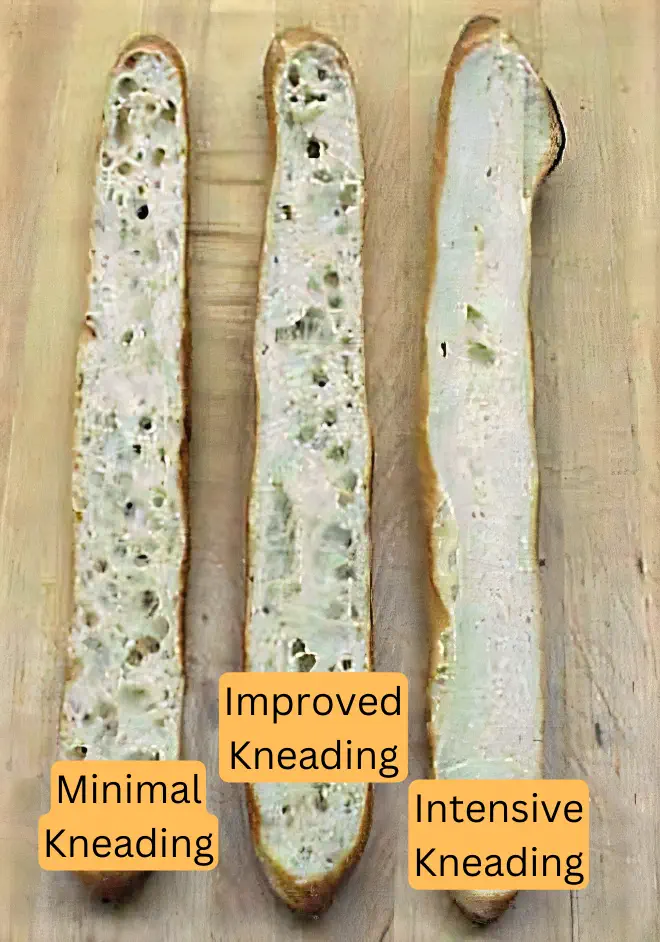
Short kneading leaves dough loose and sticky. It may not rise well or stretch properly. Over-kneading tightens gluten, making dough hard to shape. Ideal kneading creates smooth, elastic dough that stretches easily. This leads to a light, airy crust with good chewiness. Proper kneading balances strength and softness in the dough.
Balancing Kneading And Proofing
Kneading and proofing work together for dough development. Less kneading means longer proofing to build gluten and flavor. More kneading can shorten proofing time but risks overworking dough. Rest periods relax gluten, making dough easier to shape. Adjust kneading and proofing based on dough feel and recipe needs.
Shaping And Handling For Airiness
Shaping and handling pizza dough play a big role in creating an airy crust. The way you form your dough affects the air pockets inside. These air pockets make the crust light and fluffy. Gentle handling keeps these bubbles from popping. Proper shaping stretches the dough evenly. This controls the texture and rise during baking.
Techniques To Create Bubbly Dough
Start by lightly stretching the dough with your fingers. Use your palms to push the dough outward without tearing it. Avoid pressing too hard to keep air bubbles intact. Let the dough rest between stretches to relax the gluten. This makes it easier to shape and keep bubbles. Folding the dough gently traps air inside. Avoid using a rolling pin, which can squash bubbles. Use your hands for a softer touch.
Impact Of Handling On Dough Texture
Handling dough roughly can break air pockets, making the crust dense. Overworking the dough tightens gluten strands, reducing softness. Gentle shaping allows gluten to stay elastic and flexible. This elasticity helps hold gas bubbles during baking. A well-handled dough rises better and bakes lighter. The crust becomes chewy but tender, not tough or dry. Careful handling is key to a perfect airy pizza base.
Credit: www.pizzablab.com
Frequently Asked Questions
How Does Kneading Time Affect Pizza Dough?
Kneading develops gluten, affecting dough texture and elasticity. Too little kneading yields weak dough; too much makes it tough and hard to stretch. Aim for smooth, elastic dough that passes the windowpane test. Proper kneading ensures a soft, airy, and pliable pizza crust.
What Is The 55 Rule For Pizza Dough?
The 55 rule for pizza dough means using 55% hydration—55 grams of water per 100 grams of flour. This creates a balanced, workable dough ideal for soft, airy crusts.
Can You Knead Pizza Dough Too Long?
Yes, over-kneading pizza dough makes it tough, tight, and hard to stretch. Stop kneading once dough is smooth and elastic.
When Should You Stop Kneading Pizza Dough?
Stop kneading pizza dough when it feels smooth, elastic, and passes the windowpane test without tearing.
Conclusion
Proper kneading time shapes your pizza dough’s texture and rise. Kneading develops gluten, making dough elastic and smooth. Too little kneading means weak dough that tears easily. Too much kneading tightens gluten, causing tough, dense crusts. Checking dough with the windowpane test helps find the right kneading time.
Resting dough after kneading also improves softness. Balance is key for a light, airy pizza base. Take your time, feel the dough, and enjoy baking!

As the author of the “Ultimate Pizza Guide: Recipes, Tips & Secrets Revealed,” I’m dedicated to sharing my love for pizza and empowering others to create delicious homemade pizzas with ease. Join me on a journey to uncover the secrets to perfecting your pizza game!