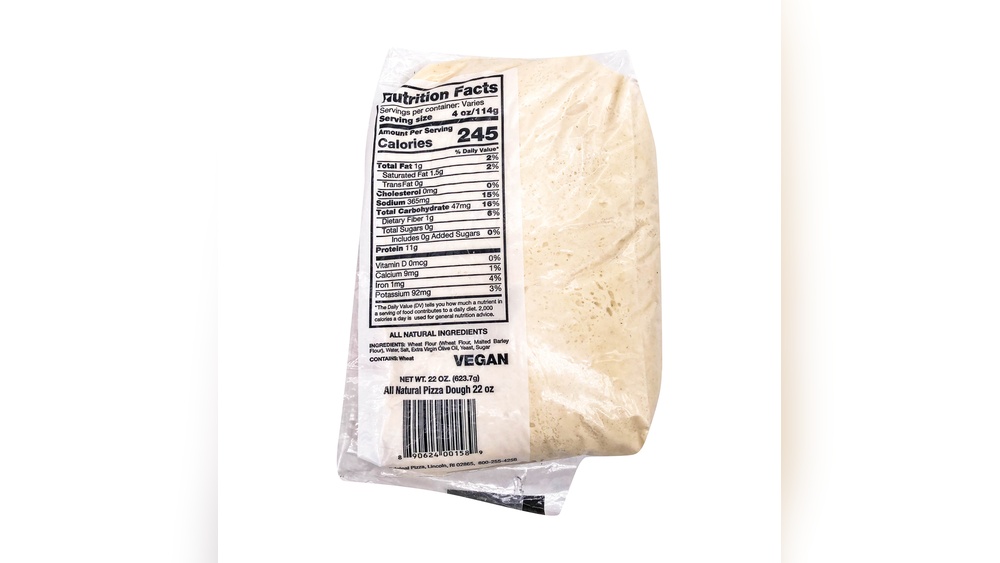
When you decide to make pizza at home, one of the first things you might wonder is: how many calories are actually in your homemade pizza dough? Understanding this can help you enjoy your favorite meal without guilt or guesswork.
Whether you’re watching your weight, managing your diet, or just curious about what goes into your food, knowing the calorie content of your pizza dough puts you in control. You’ll discover what ingredients affect the calories in your dough, typical calorie ranges to expect, and simple tips to make your pizza healthier without sacrificing taste.
Ready to take charge of your homemade pizza? Let’s dive into the details that will make your next pizza night both delicious and mindful.
Calorie Range In Dough
Understanding the calorie range in homemade pizza dough helps control your meal’s nutrition. Calories vary depending on ingredients and their amounts. Knowing this range allows better choices for a healthier pizza base.
Typical Calorie Ranges
- Basic dough without oil or sugar: about 150-200 calories per 100 grams.
- Dough with olive oil and sugar: around 220-280 calories per 100 grams.
- Whole wheat dough may have similar calories but adds fiber.
- Adding yogurt can lower calories slightly and increase protein.
What Affects Calories
- Flour: Main calorie source, mostly carbohydrates.
- Oil/Fat: Olive oil adds fat and raises calorie count.
- Sugar: Feeds yeast but also adds extra calories.
- Yogurt: Adds protein and reduces total calories compared to oil.
- Hydration: More water means less flour, lowering calories.
To reduce calories, increase dough hydration and skip sugar or oil. Using whole wheat flour adds fiber and keeps you fuller longer.

Credit: thebigmansworld.com
Ingredients Impacting Calories
The calories in homemade pizza dough change based on the ingredients used. Each ingredient adds its own calorie amount. Knowing which ingredients impact calories helps make smarter choices. This knowledge guides you to create a dough that fits your calorie goals.
Flour Types
Flour is the main calorie source in pizza dough. White all-purpose flour has more calories per cup than whole wheat flour. Whole wheat flour adds fiber, which slows digestion. Bread flour has more protein but similar calories to all-purpose flour. Choosing flour affects both calories and nutrition.
Oil And Fat
Oils add important moisture and flavor. Olive oil is common in pizza dough recipes. It adds calories and healthy fats. Even small amounts of oil increase calorie content significantly. Skipping or reducing oil lowers dough calories. Use oil sparingly for lighter dough.
Sugar Content
Sugar feeds yeast and helps dough rise faster. It also adds calories without nutrients. Many recipes use a small amount of sugar, around one teaspoon. Cutting sugar slightly reduces calories but may slow fermentation. Avoid adding extra sugar to keep calories low.
Yogurt Use
Some dough recipes include yogurt for softness. Greek yogurt adds protein and fewer calories than oil. It also adds moisture with less fat. Using yogurt can reduce overall calorie count. Yogurt creates a tender texture while keeping calories moderate.
Water Hydration
Hydration means the water amount compared to flour weight. Higher hydration makes dough lighter and softer. More water means less flour per dough volume, lowering calories. Typical hydration ranges from 60% to 75%. Increasing water reduces calories without changing taste.
Tips To Cut Calories
Cutting calories in homemade pizza dough is easier than it seems. Small changes in ingredients and methods can reduce calorie count without losing taste. These tips help create a lighter dough that still feels satisfying.
Higher Hydration
Use more water in your dough recipe. Higher hydration means more water and less flour. Flour adds most calories, so this reduces overall calorie content. The dough becomes softer and lighter too. It may be stickier but easier to handle with practice.
Skipping Sugar And Oil
Omit sugar and oil from your dough. Sugar feeds the yeast but adds extra calories. Oil adds fat and increases calories significantly. Leaving them out lowers calorie count without hurting texture much. You can still get good rise and flavor from yeast alone.
Using Whole Wheat Flour
Swap all-purpose flour for whole wheat flour. Whole wheat has more fiber and nutrients. It also helps you feel full longer. This flour type may add slight calories but improves health benefits. The dough will have a nuttier taste and denser texture.
Calorie Counts By Portion
Understanding the calorie counts of homemade pizza dough helps control your intake. Calories vary depending on the portion size you eat. Knowing these details can guide your choices. This section breaks down calories by common portions.
Per Slice
A typical slice of homemade pizza dough contains around 120 to 150 calories. This estimate depends on the dough thickness and size of the slice. Thinner slices have fewer calories, thicker ones hold more. Measuring your slice size keeps calorie tracking accurate.
Crust Only
The pizza crust alone holds most calories in the dough. A standard crust portion can have about 100 to 130 calories. This count excludes toppings and sauce. The crust’s ingredients, like flour and oil, determine its calorie content.
Crust Edge
The crust edge usually contains slightly fewer calories than the main crust. It has less dough and no toppings. The calorie count for the crust edge ranges from 50 to 70 calories. Eating just the edge lowers calorie intake but still provides flavor.
Comparing Homemade Vs Store-bought
Comparing homemade pizza dough with store-bought options reveals clear differences. Calories vary due to ingredients and preparation methods. Understanding these differences helps choose a healthier option for your meals.
Typical Calorie Ranges
Homemade pizza dough usually contains 150 to 200 calories per serving. Store-bought dough ranges from 180 to 250 calories per serving. The calorie count depends on the size and thickness of the dough.
Store-bought dough often has added oils and sugars. These increase the calorie content compared to homemade versions. Homemade dough allows control over ingredient amounts and quality.
What Affects Calories
- Flour: The main source of carbs and calories in dough.
- Oil/Fat: Olive oil adds calories and fat but improves texture.
- Sugar: Feeds yeast but increases calorie content.
- Yogurt: Greek yogurt adds protein and reduces calories compared to oil.
- Hydration: More water means less flour and fewer calories per dough volume.
Calorie Control Tips
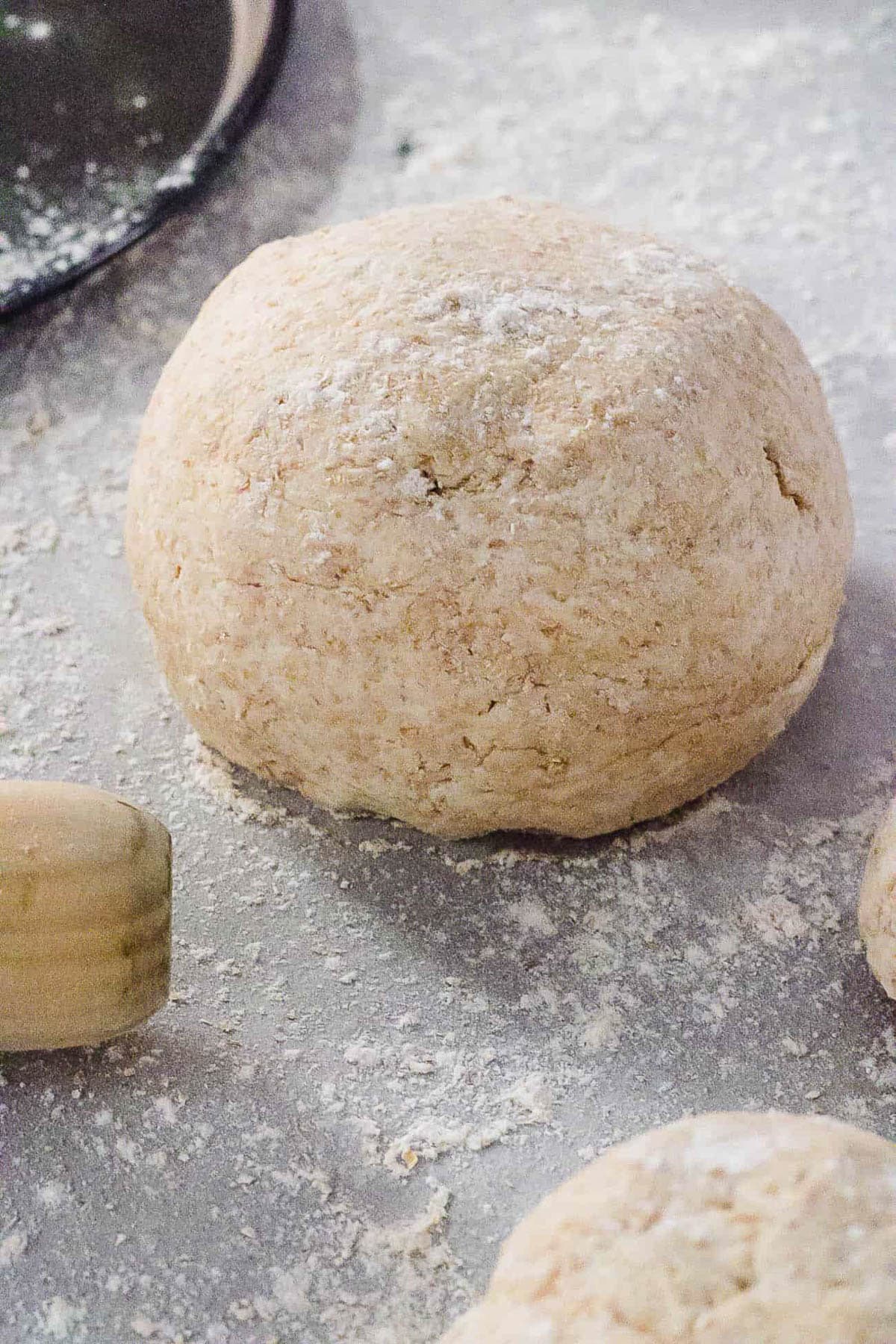
Use higher hydration to reduce flour and calories. Skip sugar and oil to lower fat and sugar content. Try whole wheat flour for extra fiber and nutrients. Homemade dough offers flexibility to adjust ingredients for better nutrition.
Credit: pickyeaterblog.com
Measuring Dough Calories Accurately
Knowing the calories in homemade pizza dough helps control your diet better. Accurate measurement starts with understanding each ingredient’s contribution. Small changes in ingredients affect total calories noticeably.
Measuring dough calories requires precise weighing and calculation. Using a kitchen scale ensures exact amounts for flour, oil, and other ingredients. Tracking each component separately improves accuracy.
Weigh Ingredients Before Mixing
Weigh every ingredient before adding it to the dough. Flour, oil, sugar, and yogurt all add calories. Note each weight in grams for exact calorie calculation. Avoid guessing amounts, as this leads to errors.
Calculate Calories Per Ingredient
Find calories for each ingredient using nutrition labels or online databases. Multiply the weight by calories per gram to get total calories. Add all ingredient calories to find the dough’s total calorie count.
Divide Total Calories By Dough Weight
Weigh the entire dough after mixing and resting. Divide total calories by the dough’s weight to get calories per gram. This helps estimate calories for any dough portion you use.
Account For Water And Yeast
Water contains no calories, so exclude it from calorie counts. Yeast calories are very low and often negligible. Focus mainly on flour, oil, sugar, and yogurt for calorie measurement.
Adjust For Serving Size
Weigh each pizza dough portion before baking. Multiply the portion’s weight by calories per gram. This gives a precise calorie count for each pizza or slice you make.
Healthier Dough Variations
Homemade pizza dough offers a chance to control ingredients and calories. Choosing healthier dough variations can make your pizza lighter and more nutritious. These alternatives use different ingredients that reduce calories and add health benefits. Experimenting with these doughs keeps your pizza tasty and better for your body.
Sourdough Benefits
Sourdough dough uses natural fermentation. This process breaks down gluten and makes nutrients easier to absorb. It often has fewer calories than regular dough due to longer fermentation. Sourdough also supports good gut bacteria, improving digestion. The tangy flavor can reduce the need for extra toppings. Choosing sourdough helps balance taste and health in your pizza.
Fat-free Yogurt Dough
Fat-free yogurt dough cuts calories by replacing oil or butter. Yogurt adds protein and moisture without fat. It makes the dough soft and slightly tangy. This dough rises quickly and stays tender after baking. Using yogurt lowers total fat while keeping a good texture. Yogurt dough is perfect for those wanting a lighter pizza base.

Credit: www.reddit.com
Frequently Asked Questions
How To Calorie Count Homemade Pizza?
Calculate calories by totaling ingredients’ values: flour, oil, cheese, sauce, and toppings. Weigh each part, use nutrition labels or databases. Divide total calories by pizza portions for per-slice count. Adjust ingredients or portion sizes to manage calorie intake.
How Many Calories Do I Save By Not Eating Pizza Crust?
Skipping pizza crust saves about 70-100 calories per slice, depending on crust thickness and ingredients used.
Does Homemade Pizza Have Less Calories?
Homemade pizza can have fewer calories than store-bought versions. You control ingredients like cheese, oil, and toppings. Using less oil and leaner toppings reduces calories. Choosing whole wheat or high hydration dough lowers calorie density. Homemade pizzas offer healthier options tailored to your diet.
How Many Calories Are In Homemade Sourdough Pizza Dough?
Homemade sourdough pizza dough contains about 150-200 calories per 100 grams. Calories vary by flour, oil, and sugar amounts used.
Conclusion
Homemade pizza dough calories vary based on ingredients used. Flour and oil add most calories, while water lowers them. Using whole wheat flour adds fiber and nutrition. Skipping sugar and oil reduces calorie count effectively. Making dough at home helps control what goes inside.
You can enjoy pizza without extra fat or calories. Understanding your dough’s calories helps with healthy eating. Try simple changes for a lighter, tasty pizza crust. Enjoy your homemade pizza with better calorie awareness.

As the author of the “Ultimate Pizza Guide: Recipes, Tips & Secrets Revealed,” I’m dedicated to sharing my love for pizza and empowering others to create delicious homemade pizzas with ease. Join me on a journey to uncover the secrets to perfecting your pizza game!