“Pizza Dough Protein Content”
When you think about making the perfect pizza, the dough is where it all begins. But have you ever wondered how the protein content in your pizza dough affects the final crust?
Whether you crave a chewy New York slice or a light Neapolitan style, understanding the protein level in your dough can make a big difference in texture, taste, and even nutrition. You’ll discover why protein matters, how it changes your pizza experience, and which types of flour can help you achieve that ideal crust you’ve been dreaming of.
Ready to take your homemade pizza game to the next level? Let’s dive into the world of pizza dough protein content!
Protein In Pizza Dough
Protein plays a key role in pizza dough. It shapes the dough’s texture and strength. Understanding protein in pizza dough helps you choose the right flour. It also guides how you handle the dough for the best crust.
Typical Protein Levels
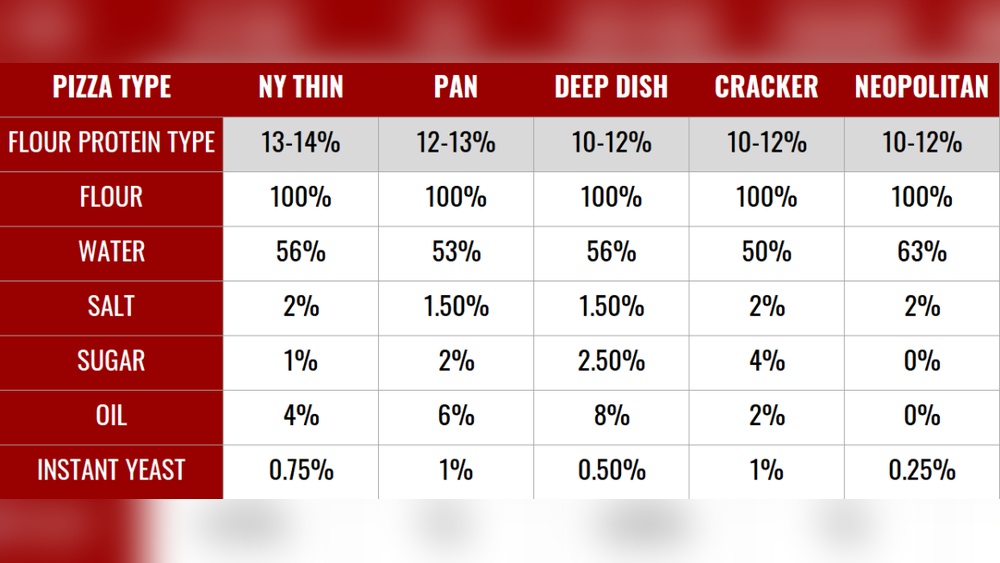
Pizza dough usually contains 10% to 14% protein. Flours with higher protein create stronger dough. Bread flour often has about 12% to 14% protein. All-purpose flour has less, around 10% to 12%. Some pizza styles use lower protein flour for a softer crust.
Protein content varies by flour type and brand. High-protein flour suits chewy, thick crusts. Lower protein works well for thin, tender crusts. Some recipes add protein-rich ingredients like yogurt or whey powder. This raises the dough’s overall protein content.
How Protein Affects Dough Texture
Protein forms gluten when mixed with water. Gluten gives dough elasticity and strength. More protein means more gluten, which makes dough stretchier. High protein dough holds its shape better during baking. It results in a chewier, more substantial crust.
Low protein dough is softer and less elastic. It creates a lighter, more delicate crust. The dough rises faster but may tear easily. Knowing protein effects helps bakers target the perfect dough texture. It balances chewiness with tenderness for each pizza style.

Credit: www.amazon.com
Flour Types And Protein
The type of flour used in pizza dough directly affects its protein content. Protein influences dough texture, elasticity, and chewiness. Understanding different flours helps create the perfect crust for your pizza style.
Each flour type contains a distinct protein percentage. This protein forms gluten, which gives dough its structure and stretch. Choosing the right flour balances softness and strength in the crust.
High-protein Flours
High-protein flours contain about 12% to 14% protein. Bread flour is a common example. It creates a strong gluten network, resulting in a chewy and elastic dough.
These flours suit pizza styles needing a firm, thick crust. New York, Chicago, and Detroit pizzas often use high-protein flour. The dough holds toppings well and rises nicely.
Low-protein Flours
Low-protein flours have around 8% to 10% protein. All-purpose flour falls into this category. It produces a softer dough with less chew and a more tender crust.
Neapolitan pizza benefits from low-protein flour. This style has a thin, light crust that cooks quickly at high heat. The dough remains delicate and easy to digest.
Choosing Flour For Different Pizza Styles
Select flour based on the crust texture you want. High-protein flours create thick, chewy crusts. Low-protein flours make thin, soft crusts.
For thick and hearty pizzas, pick bread flour or similar high-protein types. For light and airy pizzas, all-purpose or low-protein flours work best.
Experimenting with flour blends can also adjust protein content. This helps customize dough texture to personal taste or specific recipes.
Dough Styles And Protein Needs
Different pizza dough styles need different protein levels in flour. Protein affects dough strength and texture. It shapes the bite and chewiness of pizza crusts. Understanding protein needs helps make the right dough for each style.
Chewy Crusts: New York And Chicago
New York and Chicago pizzas need strong, chewy crusts. These styles use high-protein flour. Protein content ranges from 12% to 14%. Higher protein creates more gluten, giving dough elasticity and chew.
This strength holds toppings well and creates a chewy texture. Chicago deep-dish pizzas also benefit from this strong dough. It supports thick layers of cheese and sauce without sagging.
Thin Crusts: Neapolitan And Others
Neapolitan and other thin crust pizzas use lower protein flour. Protein content is often 9% to 11%. Less protein means less gluten, making the dough soft and tender.
This results in a thin, light crust with a delicate bite. Neapolitan dough is also easier to digest. It cooks quickly at high temperatures, producing a soft center and slightly crisp edges.
Boosting Protein In Dough
Boosting protein in pizza dough can improve its texture and nutrition. Protein helps develop gluten, which gives dough strength and chewiness. Higher protein content makes the crust more satisfying and filling. There are simple ways to increase protein in your dough without changing its taste.
Using Protein-fortified Flours
Choosing the right flour is key to raising protein levels in dough. Bread flour has more protein than all-purpose flour, usually around 12-14%. Some brands offer flours fortified with extra protein. These flours mix well and create a stronger dough. Using them helps build a chewier, more elastic crust.
Experiment with blends of high-protein flours for best results. For example, mixing bread flour with whole wheat flour increases fiber and protein. This combination gives a nutty flavor and better nutrition. Start by replacing 25-50% of your regular flour with fortified flour.
Adding Ingredients Like Yogurt Or Seeds
Incorporate yogurt into your dough for added protein and moisture. Yogurt also helps tenderize the dough, making it soft yet strong. Use plain Greek yogurt to keep protein content high without extra sugar.
Seeds such as chia, flax, or hemp add protein, fiber, and healthy fats. Grind seeds before adding for better texture and nutrient absorption. Sprinkle seeds on top or mix them into the dough for a subtle crunch. These ingredients improve dough nutrition while keeping flavor balanced.
Nutritional Impact
Pizza dough’s protein content shapes its nutritional value and affects your diet. Protein in dough influences calories and fullness after eating. Understanding this helps you make better pizza choices.
Different flours and recipes change protein levels in dough. These changes impact nutrition and how the dough feels when eaten.
Calories Vs. Protein Content
Protein adds calories to pizza dough but also offers nutrition. Dough with higher protein usually has more calories per serving. Calories come from carbohydrates and protein in the flour. High-protein dough has a denser texture, which can mean more calories. Low-protein dough tends to be lighter with fewer calories. Knowing the balance helps control your calorie intake when enjoying pizza.
Protein’s Role In Satiety And Nutrition
Protein in pizza dough helps you feel full longer. It slows digestion, reducing hunger soon after eating. This can prevent overeating and snacking later. Protein also supports muscle repair and growth. It provides essential amino acids your body needs daily. Choosing dough with higher protein can improve meal satisfaction and nutrition. This makes your pizza not just tasty but more nourishing too.
Common Misconceptions
Many people have wrong ideas about the protein content in pizza dough. These misconceptions can lead to confusion when choosing flour or making dough. Understanding the truth helps you pick the right ingredients for your pizza style.
Protein plays a key role in dough texture. But not all pizza dough needs high protein flour. Different recipes call for different protein levels. Let’s clear up some common misunderstandings.
Conflicting Info On Protein Levels
Sources often give mixed messages about protein in pizza dough. Some say more protein means better dough. Others suggest lower protein is best for soft crust.
Protein content usually ranges from 9% to 14% in flours used for pizza. High-protein flour makes strong, chewy crusts like New York or Chicago styles. Lower protein flour creates soft, tender crusts like Neapolitan pizza.
Many websites and forums show different numbers. This causes confusion for beginners and home bakers. The truth depends on the style you want to bake and your flour choice.
Debunking Myths About Dough Protein
One myth is that more protein always improves pizza dough. This is not true. Too much protein can make dough tough and hard to stretch. It may also affect digestibility.
Another myth claims all pizza dough must use bread flour. Bread flour is high in protein but not always necessary. Some recipes call for all-purpose or “00” flour with lower protein.
Protein content impacts gluten development, but other factors matter too. Water, fermentation time, and kneading affect dough texture as much as protein.
Choosing the right protein level depends on your taste and pizza type. No single number fits all doughs. Understanding these facts helps you bake pizza dough that suits your preferences.
Best Practices For High-protein Dough
Creating high-protein pizza dough requires careful attention to ingredients and process. Protein affects dough strength, texture, and chewiness. Following best practices can improve your dough’s performance and final taste. Focus on flour choice and dough handling for the best results.
Selecting The Right Flour
Choose flour with a protein content between 12% and 14%. Bread flour is ideal because it has more gluten-forming proteins. Higher protein flours create stronger dough, which holds gas better and rises well. Avoid all-purpose flour for high-protein dough. Look for flours labeled “bread” or “high gluten.”
Experiment with blending flours if you want to adjust texture. Combining bread flour with whole wheat or rye can boost protein. Be sure to measure flour accurately for consistent dough.
Adjusting Fermentation And Hydration
High-protein dough needs more water to hydrate the gluten. Increase hydration by 5% to 10% compared to low-protein dough. This keeps the dough soft and workable. Longer fermentation improves flavor and texture in high-protein dough. Cold fermenting in the fridge for 24 to 72 hours helps gluten relax.
Watch dough elasticity during fermentation. Over-fermenting can weaken the dough. Under-fermenting can cause poor rise. Adjust hydration and fermentation based on flour type and room temperature.
Credit: www.reddit.com
Recipe Ideas
Exploring recipe ideas can help you boost the protein content in your pizza dough. Simple changes in ingredients make a big difference in nutrition and taste. Below are some practical recipes that focus on high-protein and low-carb options. These ideas suit those who want a healthier pizza without losing flavor or texture.
Try these recipes to enjoy more protein in your pizza dough. They are easy to make and use common ingredients. Perfect for a nutritious meal or a protein-rich snack.
High-protein Pizza Dough Recipe
This recipe uses bread flour, which has a higher protein level than all-purpose flour. The dough becomes chewy and strong, perfect for thick crust pizzas.
- 2 ½ cups bread flour
- 1 cup warm water
- 1 tablespoon olive oil
- 1 teaspoon salt
- 1 teaspoon sugar
- 1 teaspoon active dry yeast
Mix the yeast, sugar, and warm water. Let it sit for 5 minutes. Combine the flour and salt. Add olive oil and yeast mixture. Knead for 8-10 minutes until smooth. Let rise for 1 hour. Shape and bake at 475°F for 12-15 minutes.
Low-carb And Protein-rich Options
For a low-carb pizza dough, almond flour or coconut flour works well. These flours increase protein and reduce carbs compared to traditional wheat flour.
- 1 ½ cups almond flour
- 2 tablespoons coconut flour
- 2 large eggs
- 1 tablespoon olive oil
- ½ teaspoon baking powder
- Pinch of salt
Beat eggs and olive oil. Mix dry ingredients separately. Combine both mixes. Form dough and press onto a baking sheet. Bake at 350°F for 10-12 minutes. This dough is dense but rich in protein and low in carbs.

Credit: pizza-ofen.de
Frequently Asked Questions
How Much Protein Is In Pizza Dough?
Pizza dough typically contains 7 to 12 grams of protein per 100 grams. Protein levels vary by flour type and recipe.
Should Pizza Dough Be High In Protein?
Pizza dough with higher protein creates a firmer, chewier crust ideal for styles like New York or Chicago. Lower protein suits softer, thinner crusts like Neapolitan. Choose protein content based on desired texture and pizza style.
What Is The Ideal Protein Content Of Pizza Flour?
The ideal protein content of pizza flour ranges from 11% to 13%. This range balances dough strength and chewiness. Higher protein flours create firmer crusts, while lower protein flours yield softer, more delicate crusts. Choose based on desired pizza style and texture.
What Type Of Flour Has 12 To 14% Protein?
Bread flour typically contains 12 to 14% protein. This high protein level strengthens dough and improves elasticity. It suits recipes needing firm, chewy textures like pizza and artisan bread.
Conclusion
Understanding the protein content in pizza dough helps choose the right flour. Higher protein flours create chewier, stronger crusts, ideal for New York or Chicago styles. Lower protein flours suit thinner, softer crusts like Neapolitan pizza. Adding ingredients like yogurt can boost protein levels.
Remember, protein affects dough texture and taste significantly. Experiment with different flours to find your preferred crust. Knowing protein content makes pizza baking more predictable and enjoyable. Keep it simple and enjoy baking delicious pizza at home.

As the author of the “Ultimate Pizza Guide: Recipes, Tips & Secrets Revealed,” I’m dedicated to sharing my love for pizza and empowering others to create delicious homemade pizzas with ease. Join me on a journey to uncover the secrets to perfecting your pizza game!