When it comes to making pizza dough, the type of yeast you choose can make a big difference—not just in taste and texture, but also in how healthy your pizza crust turns out. You want your pizza to be delicious, but also better for your body.
So, what’s the best yeast for pizza dough health? Should you go for instant yeast for convenience, active dry yeast for flavor, fresh yeast for tradition, or even a sourdough starter for that extra boost of nutrition and digestibility? You’ll discover how each type of yeast affects your dough and your health, helping you make the perfect pizza that satisfies both your taste buds and your well-being.
Keep reading to find out which yeast fits your lifestyle and pizza goals best!
Yeast Types For Pizza
Yeast plays a key role in pizza dough. It helps the dough rise and adds flavor. Different yeasts create different textures and tastes. Choosing the right yeast affects your pizza’s health and quality. Below are the main yeast types used for pizza dough.
Instant Yeast
Instant yeast works fast and is easy to use. You can mix it directly with dry ingredients. It needs no proofing or activation in water. This yeast produces a quick rise, perfect for last-minute pizzas. It tolerates salt well and keeps the dough soft. Instant yeast is great for busy home bakers.
Active Dry Yeast
Active dry yeast requires proofing in warm water before use. It grows slower than instant yeast but builds more flavor. This yeast suits longer fermentation times, like cold fridge rises. It is affordable and widely available. Active dry yeast helps develop a richer, more complex crust taste.
Fresh Yeast
Fresh yeast is moist and crumbly, often called compressed yeast. It offers intense flavor and a soft texture. This yeast needs careful storage in the refrigerator. It has a short shelf life and must be used quickly. Fresh yeast is popular with traditional pizza makers for authentic results.
Sourdough Starter
Sourdough starter uses wild yeast and natural bacteria. It creates a tangy flavor and chewy crust. This starter takes time and care to maintain. It enhances dough digestibility and adds health benefits. Sourdough makes the most complex and artisan-style pizza dough.
Choosing Yeast Based On Baking Style
Choosing the right yeast depends on your baking style and the pizza you want to create. Different yeasts affect dough rise time, flavor, and texture. Picking yeast based on your process helps achieve the best results for health and taste.
Quick Weeknight Pizza
Instant yeast works well for fast pizza dough. It rises quickly and mixes directly with dry ingredients. No proofing needed, which saves time. This yeast suits busy nights with limited prep time. It produces a light, airy crust in under two hours.
Flavorful Cold Ferments
Active dry yeast shines in slow, cold ferments. Refrigerating dough overnight enhances flavor and texture. This yeast activates well with longer rise times, creating a deeper taste. Cold fermentation also improves dough digestibility and crust crispness.
Authentic Italian Recipes
Fresh yeast suits traditional Italian pizza dough recipes. It has a strong, fresh flavor and moist texture. Bakers must store it carefully as it spoils quickly. This yeast creates rich, classic crusts loved in Italy.
Complex Artisan Flavors
Sourdough starter offers the most complex taste and health benefits. It uses wild yeast and natural bacteria for fermentation. This slow process creates a tangy, chewy crust with great aroma. Sourdough requires regular maintenance but rewards with unique flavors.
Impact Of Yeast On Crust Texture
Yeast plays a key role in shaping pizza crust texture. It produces carbon dioxide, which creates air pockets in the dough. These pockets make the crust light and airy. Different types of yeast affect the crust in unique ways. The texture changes from soft and chewy to crisp and crunchy depending on the yeast used.
The fermentation time and temperature also influence the crust’s feel. Yeast interacts with flour and water to develop gluten. Gluten gives the dough stretch and strength. Strong gluten networks hold gas bubbles better, leading to a fluffier crust. The choice of yeast impacts this gluten formation and, in turn, the final crust texture.
Instant Yeast And Its Effect On Crust
Instant yeast works fast and produces a soft, pillowy crust. It creates many small gas bubbles, which make the dough rise quickly. This yeast type is perfect for quick pizzas. The crust tends to be tender with a light crumb. It may not develop deep flavors but gives a pleasant texture.
Active Dry Yeast And Crust Development
Active dry yeast needs to be dissolved before use. It works slower than instant yeast. This slower rise allows more gluten to form. The crust becomes chewier and more flavorful. The bubbles in the dough are larger and uneven. This yeast is great for those who want a classic, rustic crust texture.
Fresh Yeast And Traditional Crust Texture
Fresh yeast adds strong flavor and a moist texture to the crust. It ferments gently and creates a tender crumb. The crust feels soft but has a slight chewiness. Fresh yeast is harder to find but loved by traditional bakers. It enhances the dough’s elasticity and aroma, improving crust quality.
Sourdough Starter And Unique Crust Texture
Sourdough uses wild yeast and bacteria for fermentation. This results in a crust with complex flavor and a chewy texture. The crumb is often more open with irregular holes. The crust can be crisp on the outside and moist inside. Sourdough requires longer fermenting times but gives a unique crust experience.
:max_bytes(150000):strip_icc()/RM-244638-no-yeast-pizza-crust-ddmfs-3x4-1545-567c1292e77f467894830c7a92e0f2fe.jpg "Best Yeast for Pizza Dough Health: Top Picks for Nutritious Baking 2")
Credit: www.allrecipes.com
Nutrient-rich Pizza Crusts
A pizza crust can be more than just a base for toppings. It can also be a source of nutrients that support health. Choosing nutrient-rich crust options helps add vitamins, minerals, and fiber to every slice. These alternatives offer unique flavors and benefits that traditional dough may lack. Exploring different flours and ingredients brings variety and nutrition to homemade pizzas.
Cauliflower Crust
Cauliflower crust offers a low-carb, gluten-free option. It contains vitamin C, fiber, and antioxidants. This crust is light and crisp, making it a tasty way to eat more vegetables. It suits people with gluten sensitivities or those cutting carbs without losing pizza enjoyment.
Chickpea Flour Crust
Chickpea flour crust is high in protein and fiber. It also provides iron, magnesium, and folate. This crust has a nutty flavor and firm texture. Chickpea flour supports digestion and helps keep blood sugar stable. It makes a great choice for a wholesome, filling pizza base.
Almond Flour Crust
Almond flour crust is rich in healthy fats, vitamin E, and magnesium. It is low in carbs and gluten-free. This crust offers a slightly sweet, nutty taste. Almond flour helps maintain heart health and provides sustained energy. It works well for those seeking a grain-free pizza dough.
Whole-grain And Sprouted Options
Whole-grain crusts bring more fiber and nutrients than refined flours. Sprouted grain crusts increase vitamin content and improve digestion. These options add a hearty, earthy flavor to pizza. They support gut health and provide lasting fullness after meals.
Health Benefits Of Alternative Flours
Alternative flours offer many health benefits for pizza dough. Using them can improve nutrition without losing taste. These flours often have unique qualities that help make pizza healthier. They provide more nutrients and fewer unhealthy components compared to regular white flour.
Lower Carbohydrates
Alternative flours often have fewer carbohydrates. This helps control blood sugar levels. People watching their carb intake can enjoy pizza without worry. Lower carbs also mean fewer calories, aiding in weight management.
Higher Fiber Content
Many alternative flours contain more fiber than white flour. Fiber improves digestion and keeps you full longer. It supports gut health and prevents constipation. Adding fiber-rich flour makes pizza dough more nutritious and satisfying.
Increased Protein And Vitamins
These flours usually have extra protein and vitamins. Protein builds and repairs body tissues. Vitamins support immune function and energy production. Using such flours boosts the overall health value of your pizza dough.
Gluten-free Advantages
Some alternative flours are naturally gluten-free. This helps people with gluten intolerance or celiac disease. Gluten-free dough can reduce digestive discomfort and inflammation. It allows more people to enjoy pizza safely and comfortably.

Credit: www.veganricha.com
Combining Yeast And Healthy Flours
Combining yeast with healthy flours creates a nutritious and tasty pizza dough. The right yeast helps the dough rise well and develop flavor. Healthy flours add fiber, vitamins, and minerals. Together, they make pizza dough better for your body and enjoyable to eat.
Choosing Whole Grain And Ancient Grains
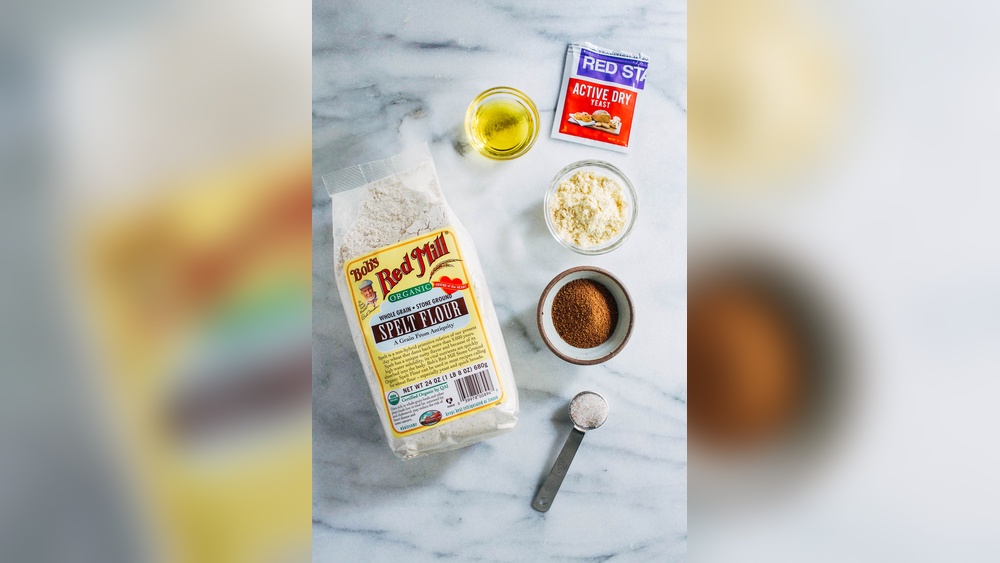
Whole grain flours like whole wheat or spelt keep all parts of the grain. They add fiber and nutrients missing in white flour. Ancient grains such as einkorn and kamut offer unique flavors and health benefits. Using these flours with yeast creates a dough that is hearty and filling.
Adjusting Yeast For Different Flours
Healthy flours absorb more water and behave differently than white flour. Yeast needs more time to work with whole grains. Reduce yeast slightly or increase rising time for best results. This balance ensures a soft, airy crust without being dense or hard.
Benefits Of Fermentation With Healthy Flours
Fermentation breaks down some complex fibers and makes nutrients easier to digest. Yeast helps ferment healthy flours slowly, improving taste and texture. Longer fermentation also reduces phytic acid, which can block mineral absorption. The result is a pizza dough that supports gut health.
Storage And Handling For Best Results
Proper storage and handling of yeast play a key role in making healthy pizza dough. Yeast is a living organism that can lose its power if stored incorrectly. Keeping it fresh ensures the dough rises well and tastes great.
Always store yeast in a cool, dry place away from sunlight. Warmth and moisture can weaken yeast, causing poor dough rise. For longer shelf life, refrigeration is best. Once opened, seal yeast tightly in an airtight container to stop air and humidity from reaching it.
Handle yeast gently. Avoid mixing it directly with salt or hot water, as this can kill the yeast. Instead, dissolve active dry yeast in warm water around 100°F (38°C) to activate it safely. Instant yeast can mix directly with dry ingredients, saving time and reducing handling errors.
Refrigeration And Freezing Tips
Store unopened yeast packets in the pantry until the expiration date. After opening, place yeast in the fridge. Use a sealed container or bag to prevent moisture. Yeast can also freeze well. Freeze in small portions for months. Thaw in the fridge before use. Do not refreeze once thawed.
Checking Yeast Freshness
Test yeast before use by proofing it in warm water with sugar. Active yeast will foam and bubble within 10 minutes. No bubbles mean the yeast is dead and should be replaced. Using fresh yeast ensures dough rises fully and creates a better texture.
Handling Different Yeast Types
Instant yeast needs less care and can mix with flour directly. Active dry yeast requires proofing in water to wake up. Fresh yeast is fragile and must stay refrigerated. Use it quickly after buying. Sourdough starters need daily feeding and room temperature storage to keep active.

Credit: www.bbcgoodfood.com
Frequently Asked Questions
What’s The Best Yeast To Use For Pizza Dough?
The best yeast for pizza dough depends on your needs. Use Instant Yeast for quick rises and Active Dry Yeast for richer flavor. Fresh Yeast offers traditional taste but is less common. Sourdough starter provides the deepest flavor but requires maintenance.
What Is The Healthiest Dough For Pizza?
The healthiest pizza dough uses whole-grain, sprouted flour, or alternative flours like cauliflower, chickpea, or almond. These options add fiber, protein, and vitamins while lowering carbs compared to white flour. They support better digestion and provide more nutrients for a wholesome pizza crust.
What Yeast Do Italians Use For Pizza?
Italians typically use fresh yeast for authentic pizza dough, prized for its strong flavor. Instant and active dry yeast also work well. Sourdough starters provide deeper taste but need more care. Fresh yeast remains the traditional favorite for genuine Italian pizza crusts.
What Is The 55 Rule For Pizza Dough?
The 55 rule for pizza dough means using 55% hydration—55 grams of water per 100 grams of flour—for optimal texture and handling.
Conclusion
Choosing the best yeast affects your pizza dough’s health and flavor. Instant yeast works well for fast, simple doughs. Active dry yeast improves taste with slow, cold fermentation. Fresh yeast offers rich flavor but needs care and quick use. Sourdough starter creates the most complex taste and aids digestion.
Pick yeast based on your time and flavor needs. Experiment to find what suits your pizza style best. Enjoy making healthier, tastier pizza dough at home every time.

As the author of the “Ultimate Pizza Guide: Recipes, Tips & Secrets Revealed,” I’m dedicated to sharing my love for pizza and empowering others to create delicious homemade pizzas with ease. Join me on a journey to uncover the secrets to perfecting your pizza game!