When you’re making pizza dough, the temperature right after mixing can make or break your entire pizza experience. You might not realize it, but that exact dough temperature influences how your dough rises, its texture, and ultimately the taste of your pizza crust.
If your dough is too warm or too cold, you could end up with disappointing results, no matter how good your recipe is. You’ll discover why the temperature of your pizza dough right after mixing matters so much, how to measure it correctly, and simple tips to get it just right every time.
Ready to take your homemade pizza to the next level? Let’s dive in!
Ideal Dough Temperature
Achieving the ideal dough temperature after mixing is crucial for making perfect pizza. The right temperature helps the yeast work properly. It controls the dough’s rise and texture. This section explains what temperature range to aim for and how it affects the dough.
Recommended Temperature Range
The ideal temperature for pizza dough after mixing is between 75°F and 78°F (24°C to 26°C). This range supports yeast activity without overheating the dough. Temperatures below 70°F slow the yeast, causing a longer rise time. Above 80°F, the yeast becomes too active, risking over-fermentation and poor dough quality.
Effects On Dough Rise
Temperature directly influences how fast the dough rises. At the ideal temperature, yeast produces carbon dioxide at a steady pace. This creates the right amount of bubbles in the dough. Too cold, and the dough rises slowly and unevenly. Too warm, and the dough can rise too fast, leading to large holes and weak structure.
Impact On Dough Texture
Dough temperature affects texture and stretchability. Proper temperature results in dough that is soft and elastic. It becomes easy to shape without tearing. If the dough is too cold, it feels stiff and hard to stretch. Too warm, and it becomes sticky and overly soft, making it hard to handle.
:max_bytes(150000):strip_icc()/20211115-OONI-PIZZA-ARMENIAN-ANDREW-JANJIGIAN-23-5447ecc61b12450d9a09f38cca67c19c.jpg "Pizza Dough Temperature After Mixing: Perfect Tips for Ideal Rise 2")
Credit: www.seriouseats.com
Water Temperature Tips
Water temperature plays a big role in the final temperature of pizza dough. It controls how fast the yeast works and how the dough feels after mixing. Using the right water temperature helps you get dough at the perfect warmth. This makes it easier to shape and bake great pizza.
Below are some easy tips on how to handle water temperature for pizza dough after mixing. These tips help you balance the heat and get the best dough texture.
Adjusting Water Based On Room Temperature
Warm rooms make dough heat up quickly. Use cooler water to slow yeast activity. Cold rooms cool dough down fast. Use warmer water to help yeast grow. This keeps dough at the right temperature for rising.
Check room temperature before mixing. Change water temperature by a few degrees. This simple step helps control dough warmth and texture.
Calculating Water Temperature
Mixing dough raises its temperature. You can find the right water temperature with a formula. Add the room temperature, flour temperature, and desired dough temperature. Subtract the heat added during mixing. Divide the result by two to get water temperature.
This method keeps dough at the target temperature after mixing. It prevents dough from getting too hot or too cold.
Using Ice Or Warm Water Correctly
Ice water slows yeast and cools dough. Use it in warm kitchens or summer months. Warm water speeds yeast and heats dough. Use it in cold kitchens or winter months. Avoid water that is too hot. It can kill yeast and ruin dough.
Measure water temperature with a thermometer. This helps maintain control over dough temperature every time.
Measuring Dough Temperature
Measuring the temperature of pizza dough right after mixing helps control the dough’s quality. Dough temperature affects yeast activity, gluten development, and fermentation speed. Accurate temperature checks ensure consistent dough results every time you bake.
When To Check Temperature
Check the dough temperature immediately after mixing. This is the best time to measure because the dough is uniform. Checking later can give false readings as the dough warms or cools. Early measurement helps adjust water temperature or mixing time for future batches.
Tools For Accurate Measurement
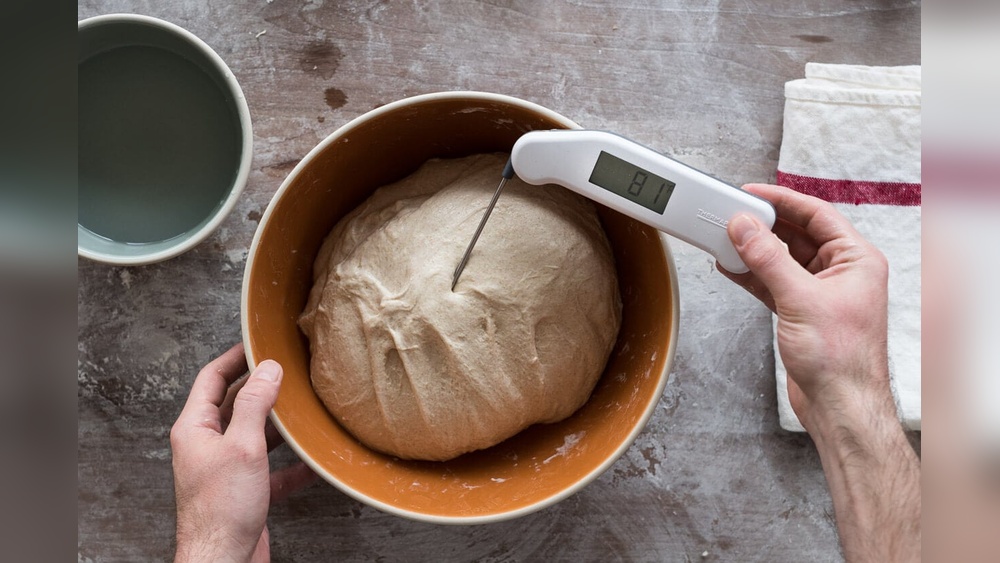
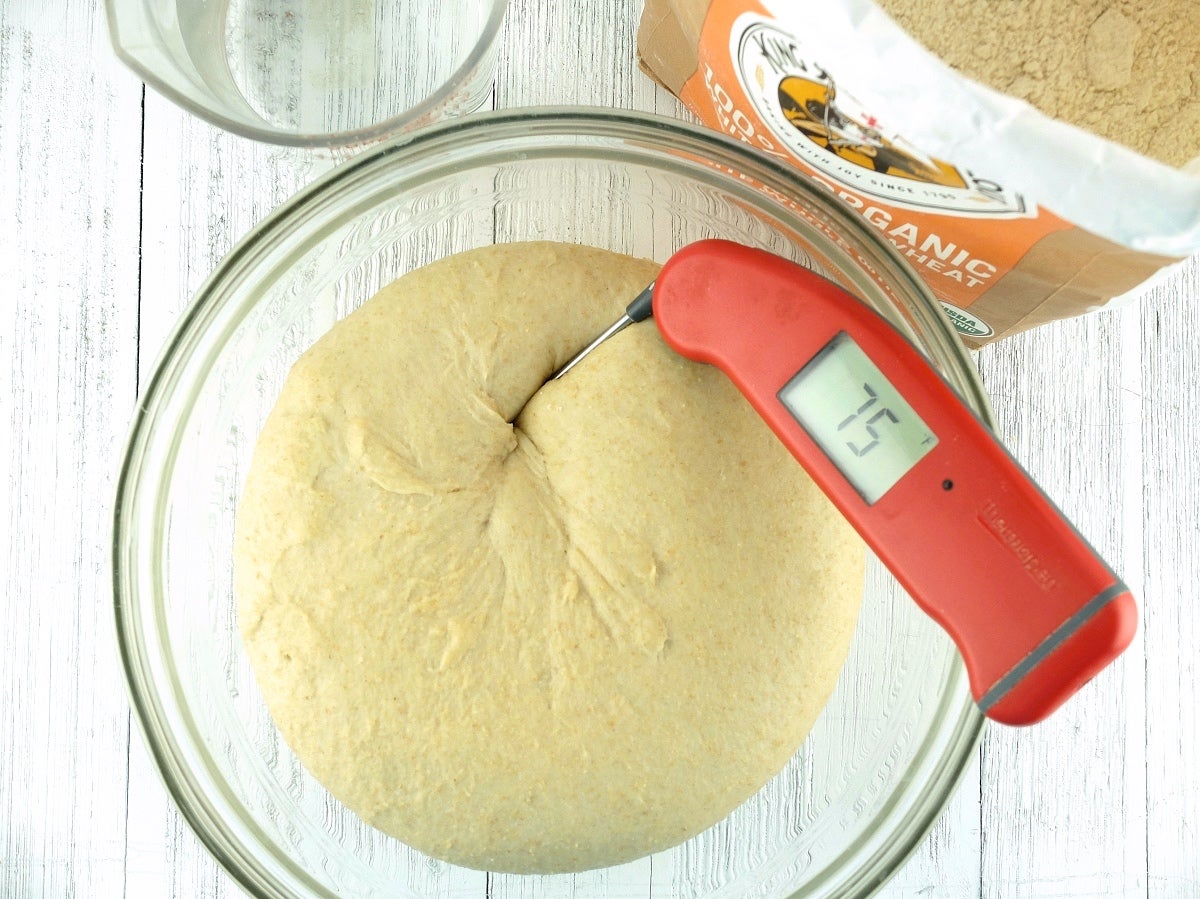
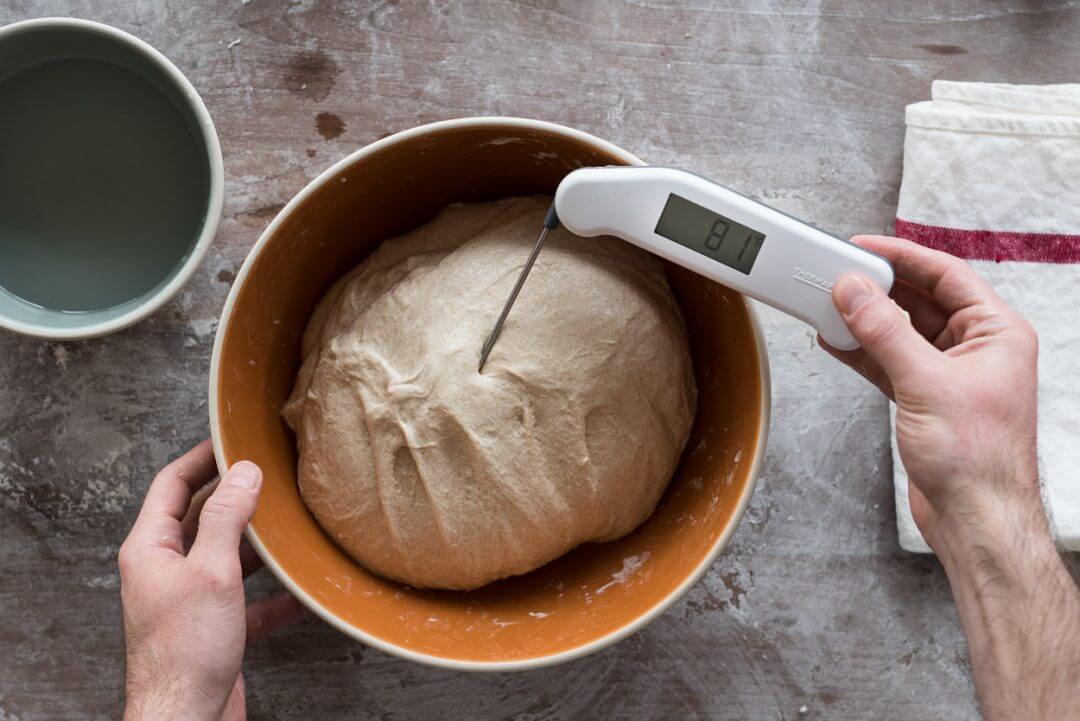
Use a digital instant-read thermometer for fast and precise temperature readings. Insert the probe into the center of the dough ball. Avoid surface measurements as they are less accurate. Clean the thermometer before and after use to keep it reliable.
Interpreting Temperature Readings
Ideal dough temperature after mixing is usually between 75°F and 78°F (24°C to 26°C). If the dough is too warm, yeast may ferment too fast, causing overproofing. If too cold, fermentation slows down and dough rises poorly. Adjust water temperature or mixing time to reach the target dough temperature.
Credit: www.kingarthurbaking.com
Mixing And Kneading Effects
Mixing and kneading pizza dough change its temperature significantly. The physical action creates friction, which warms the dough. This rise in temperature affects yeast activity and gluten development. Managing dough temperature after mixing is essential for good pizza texture and flavor.
How Mixing Raises Dough Temperature
Mixing stretches and folds the dough, creating heat from friction. The mixer blades and dough rub against each other, generating warmth. This heat raises the dough’s internal temperature quickly. Even a few minutes of mixing can increase dough temperature by several degrees.
Optimal Mixing Duration
Mix dough just enough to combine ingredients and develop gluten. Typically, 5 to 10 minutes is enough. Proper mixing ensures the dough is smooth and elastic. Overmixing can cause the dough to become too warm and sticky. Use a timer and check the dough’s feel regularly.
Avoiding Overheating Dough
Overheated dough can kill yeast and reduce fermentation. Keep the dough temperature below 78°F (25.5°C) after mixing. Use cold water or ice if the dough gets too warm. Stop mixing if the dough feels hot or sticky. Cooling the bowl or mixer parts can help control temperature.
Environmental Factors
Environmental factors play a big role in the temperature of pizza dough after mixing. These factors affect how the dough rises and its final texture. Knowing how they influence dough helps create consistent results every time.
Room Temperature Influence
Room temperature directly affects dough temperature. Warmer rooms make dough warmer, speeding up yeast activity. Cooler rooms slow down fermentation, keeping dough cooler. This change impacts how long the dough needs to proof. Always consider room warmth when measuring dough temperature.
Humidity Effects
Humidity changes how dough feels and behaves. High humidity adds moisture to the dough surface. This can make the dough sticky and soft. Low humidity dries out the dough, forming a crust on top. Both conditions affect yeast and gluten development. Adjust your process depending on the air moisture around you.
Controlling Dough Temperature During Proofing
Proofing temperature control is key to good dough. Use a warm, draft-free place for proofing dough. You can use a proofing box or warm oven with the light on. Monitor dough temperature with a thermometer. Avoid hot spots that may overheat parts of the dough. This helps the yeast ferment evenly for the best rise.
Troubleshooting Dough Temperature
Controlling the temperature of pizza dough after mixing is crucial for the dough’s texture and rise. Too hot or too cold dough can cause problems during fermentation. Troubleshooting dough temperature helps ensure consistent results. This section explains how to identify and fix temperature issues in your dough.
Signs Of Too Hot Or Too Cold Dough
Dough that is too hot feels sticky and may rise too fast. It can smell sour or ferment too quickly. This leads to weak gluten and poor structure.
Too cold dough is stiff and hard to stretch. It rises very slowly or not at all. Cold dough may taste bland and dense after baking.
Fixes For Temperature Issues
If dough is too hot, cool it down by placing it in a cooler spot. You can also punch it down to release heat. Use colder water next time.
If dough is too cold, warm it gently by placing the bowl in a warm area. Avoid direct heat to prevent killing the yeast. Use warmer water for mixing dough next time.
Adjusting For Seasonal Changes
Winter and summer affect dough temperature. In winter, use warmer water to keep dough warm enough. In summer, use cooler water to avoid overheating.
Check room temperature and adjust water accordingly. Keep dough covered to maintain steady temperature during rising.
Tools And Techniques
Maintaining the right temperature of pizza dough after mixing is essential for great texture and rise. Using the correct tools and techniques helps bakers control this crucial factor. Accurate temperature measurement and adjustment improve dough consistency and baking results.
Using Dough Temperature Calculators
Dough temperature calculators help predict the final dough temperature. You input room temperature, flour temperature, and water temperature. The calculator suggests the ideal water temperature to reach your target dough temperature. This method simplifies adjustments and reduces errors in mixing.
Thermometers For Home Bakers
A digital thermometer is a must-have tool for home bakers. It gives a quick and precise reading of dough temperature. Insert the probe into the center of the dough ball for the best result. Avoid touching the bowl or flour to get an accurate measure.
Temperature Control Tips
Control the temperature of ingredients before mixing. Use cold water in a warm kitchen, warm water in a cool kitchen. Keep flour in a consistent temperature area. Mix dough in short bursts and check temperature often. Adjust water temperature to fine-tune dough warmth. These small steps help keep dough temperature steady and perfect.
Credit: www.theperfectloaf.com
Frequently Asked Questions
What Temperature Should Pizza Dough Be After Mixing?
Pizza dough temperature after mixing should be between 75°F and 78°F (24°C to 26°C) for optimal fermentation.
What Temperature Should Dough Be After Kneading?
Dough temperature after kneading should be between 75°F and 78°F (24°C to 26°C). This range ensures optimal fermentation and texture. Maintaining this temperature helps yeast activate properly, producing better rise and flavor in the final dough. Use a thermometer for accuracy.
What Is The Rule Of 55 Pizza?
The Rule of 55 in pizza means mixing dough until it reaches 55°F (13°C). This ensures proper fermentation and texture.
What Temperature To Stop Mixing Pizza Dough?
Stop mixing pizza dough when its temperature reaches 75°F to 78°F (24°C to 26°C). This ensures proper gluten development and fermentation.
Conclusion
Getting the right pizza dough temperature after mixing is key to great results. Aim for 75 to 78°F to help the dough rise well. Too hot or too cold can slow yeast activity or kill it. Check your environment and adjust water temperature to balance dough warmth.
Consistent dough temperature leads to better texture and flavor. Keep this simple step in mind for every batch you make. Perfect dough starts with perfect temperature control.

As the author of the “Ultimate Pizza Guide: Recipes, Tips & Secrets Revealed,” I’m dedicated to sharing my love for pizza and empowering others to create delicious homemade pizzas with ease. Join me on a journey to uncover the secrets to perfecting your pizza game!