“How Pizza Dough Impacts Blood Sugar”
You love pizza, but have you ever wondered how that delicious slice might be affecting your blood sugar? The type of pizza dough you choose can make a big difference in how your body responds after eating.
Whether you’re managing diabetes or just want to keep your energy steady, understanding the impact of pizza dough on blood sugar is key. This isn’t about giving up your favorite food—it’s about learning how to enjoy pizza without the unwanted sugar spikes.
Keep reading to discover how different doughs affect your blood sugar and smart tips to make pizza a healthier part of your meal plan.
Credit: www.pizzablab.com
Pizza Dough And Blood Sugar
Pizza dough plays a key role in how your blood sugar reacts after eating pizza. The type of dough and its ingredients affect the speed and amount of sugar entering your bloodstream. Understanding these factors helps manage blood sugar better, especially for people with diabetes.
Carbohydrate Content In Dough
Pizza dough mainly consists of carbohydrates. These carbs turn into glucose during digestion, raising blood sugar levels. The amount of carbs in the dough affects how high and fast your blood sugar will rise. More carbs mean a higher blood sugar spike. Choosing dough with fewer carbs can help control blood sugar.
Effect Of Refined Flour
Many pizza doughs use refined white flour. This flour lacks fiber and breaks down quickly into sugar. It causes rapid blood sugar spikes after eating. Whole grain flours digest slower and cause smaller blood sugar increases. Using whole grain or alternative flours can reduce blood sugar impact.
Role Of Added Sugars
Some pizza dough recipes include added sugars to improve taste and texture. These sugars increase the total carbohydrate load. Added sugars cause faster and higher blood sugar rises. Reading labels and choosing dough without added sugars helps maintain better blood sugar control.
Glycemic Impact Of Different Crusts
The type of pizza crust you choose affects your blood sugar differently. The glycemic impact depends on the ingredients and how the crust is made. Some crusts cause quick spikes in blood glucose, while others release sugar slowly. Understanding these differences helps manage blood sugar better.
Traditional Thick Crusts
Thick crusts use refined white flour, which breaks down fast into sugar. This causes a rapid rise in blood glucose after eating. The high glycemic index means the body absorbs carbs quickly. People with diabetes often find this type of crust challenging to manage. Thick crust pizzas usually have more calories and carbs too.
Whole Grain Alternatives
Whole grain crusts contain fiber and nutrients that slow sugar absorption. This helps prevent sharp blood sugar spikes. The fiber content improves digestion and keeps you feeling full longer. Using whole wheat or other grains makes the crust healthier. Choosing whole grain crusts supports better blood sugar control.
Cauliflower And Gluten-free Crusts
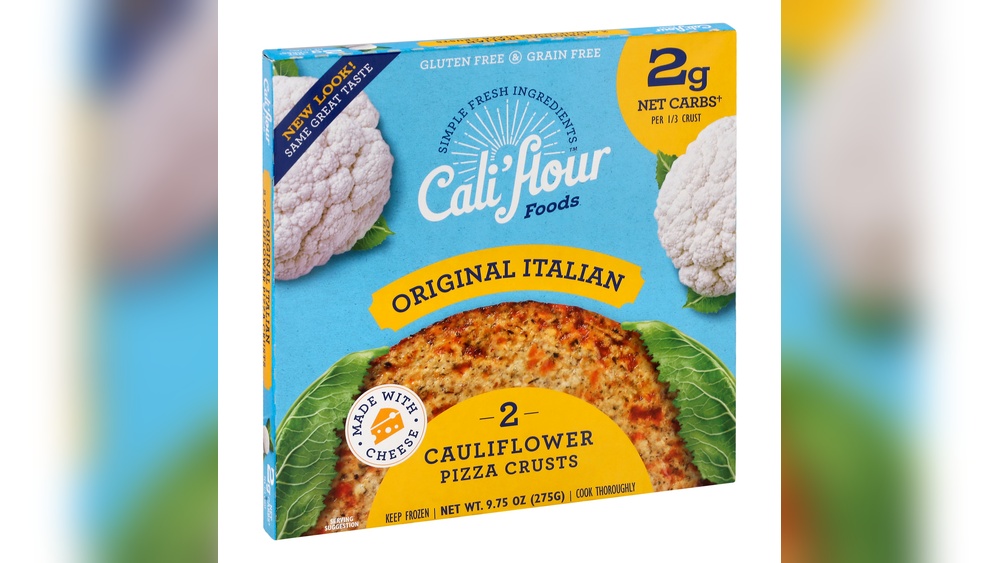
Cauliflower crusts have fewer carbs and more fiber than traditional dough. They cause a gentler rise in blood sugar levels. Gluten-free crusts made from almond or coconut flour also lower carb intake. These options suit people with gluten intolerance or diabetes. They offer tasty, lower glycemic choices for pizza lovers.
Delayed Blood Sugar Spikes
Pizza dough can cause blood sugar to rise slowly and later than expected. This delay happens because fats and proteins in the pizza slow down digestion. The sugar from the crust does not hit the bloodstream all at once. Instead, blood sugar levels climb hours after eating. Understanding this delayed spike helps manage blood sugar better.
Influence Of Fat And Protein
Fat and protein in pizza toppings slow stomach emptying. This causes carbohydrates to digest more slowly. Blood sugar rises less quickly but stays elevated longer. Cheese and meat add fat and protein, affecting how sugar enters the blood. This delayed rise can surprise people who expect a quick spike.
Challenges For Diabetes Management
Delayed blood sugar spikes make insulin timing tricky. People with diabetes may need to adjust insulin doses. A fast-acting dose might not cover the late rise from fat and protein. This can cause low blood sugar first, then high blood sugar later. Careful meal planning and blood sugar monitoring become essential. Talking with a healthcare provider helps find the right strategy.

Credit: www.doordash.com
Toppings And Blood Sugar
Pizza toppings play a big role in how your blood sugar reacts after eating. They can either help keep blood sugar steady or cause it to spike. Choosing the right toppings is important for better blood sugar control. This section explains how vegetables, fiber, and protein types affect blood sugar.
Vegetables And Fiber Benefits
Vegetables add fiber to your pizza. Fiber slows down sugar absorption in the blood. This helps prevent sudden blood sugar spikes. Vegetables also provide vitamins and minerals that support health. Examples include spinach, peppers, mushrooms, and tomatoes. These toppings make pizza healthier and better for blood sugar.
Lean Proteins Vs Processed Meats
Lean proteins like grilled chicken or turkey support steady blood sugar. They help keep you full longer without adding unhealthy fats. Processed meats like pepperoni and sausage contain more saturated fat and salt. These can cause inflammation and worsen blood sugar control. Choosing lean proteins over processed meats makes pizza a smarter choice for blood sugar management.
Strategies To Lower Blood Sugar Impact
Managing blood sugar after eating pizza starts with smart choices. The type of pizza dough and what you eat alongside it matters. These strategies help reduce the rise in blood sugar and keep you feeling better.
Choosing The Right Crust
Thin crust pizzas usually have fewer carbohydrates than thick crusts. Whole grain or cauliflower crusts add fiber, which slows sugar absorption. Avoid dough made from refined white flour. This choice lowers the blood sugar spike after eating.
Portion Control Tips
Eating smaller slices helps control carbohydrate intake. Try to limit yourself to one or two slices. Avoid eating late at night when blood sugar control is harder. Taking time to eat slowly also helps digestion and blood sugar levels.
Pairing With High-fiber Sides
Add a side of vegetables or a fresh salad with your pizza. High-fiber foods slow sugar release into the blood. Choose leafy greens, cucumbers, or bell peppers. This combination balances the meal and supports steady blood sugar.
Credit: www.pizzablab.com
Insulin And Blood Sugar Control
Insulin plays a key role in controlling blood sugar after eating pizza. The type of pizza dough affects how quickly blood sugar rises. Dough made from refined white flour breaks down fast, causing rapid blood sugar spikes. In contrast, whole grain or alternative flours slow digestion and help insulin work better.
Fat and protein in pizza toppings delay blood sugar spikes. This delay can make insulin timing tricky for people managing diabetes. Understanding how dough affects blood sugar helps control insulin needs and avoid sudden changes.
Managing Delayed Spikes
Fat and protein slow down digestion and delay blood sugar rises. This can cause a second spike hours after eating. Managing this requires careful insulin timing. Some people use extended or dual-wave insulin doses. This spreads insulin delivery over time to match the delayed rise in blood sugar.
Choosing pizza dough with lower glycemic index helps reduce the size of these spikes. Thin crusts made with whole grain or cauliflower flour are better choices. Pairing pizza with fiber-rich vegetables also slows sugar absorption.
Consulting Healthcare Providers
Every person’s insulin needs vary. Speak with a healthcare provider to create a plan that fits your body. They can help adjust insulin doses for pizza meals. This may include timing insulin before, during, or after eating.
Providers can suggest testing blood sugar at different times to track delayed spikes. This data helps fine-tune insulin therapy. Regular communication with healthcare professionals supports better blood sugar control while enjoying pizza.
Pizza And Diabetes: What To Know
Pizza is a popular dish enjoyed worldwide. People with diabetes often wonder if they can eat pizza safely.
Understanding how pizza dough affects blood sugar helps make better choices. Different crust types impact glucose levels in various ways.
Is Pizza Safe For Diabetics?
Pizza can raise blood sugar quickly due to its high carbohydrate content. The crust, usually made from refined flour, breaks down into sugar fast.
Cheese and toppings add fat and protein, which can cause a delayed blood sugar rise. This makes managing glucose levels more complex for diabetics.
Choosing thin crusts or whole grain options lowers the carb load. Alternative crusts like cauliflower or almond flour are better choices.
Balancing Enjoyment And Health
Enjoying pizza with diabetes means balancing taste and blood sugar control. Adding vegetables increases fiber, which slows sugar absorption.
Lean proteins like chicken provide nutrients without spiking blood sugar. Avoid processed meats such as sausage or pepperoni.
Portion control is key. Eating smaller slices helps prevent large blood sugar spikes.
Pair pizza with a fresh salad to add fiber and nutrients. This combination supports better blood sugar management.
Frequently Asked Questions
Is Pizza Dough Bad For Diabetics?
Pizza dough, especially white flour crusts, can spike blood sugar quickly in diabetics. Choose thin, whole grain, or low-carb crusts instead.
Can Pizza Make Your Blood Sugar Go Up?
Yes, pizza can raise blood sugar due to its high carb crust. Fat and protein cause delayed spikes, complicating control. Choose thin, whole-grain crusts and veggie toppings to reduce impact.
Is Pizza Dough High In Sugar?
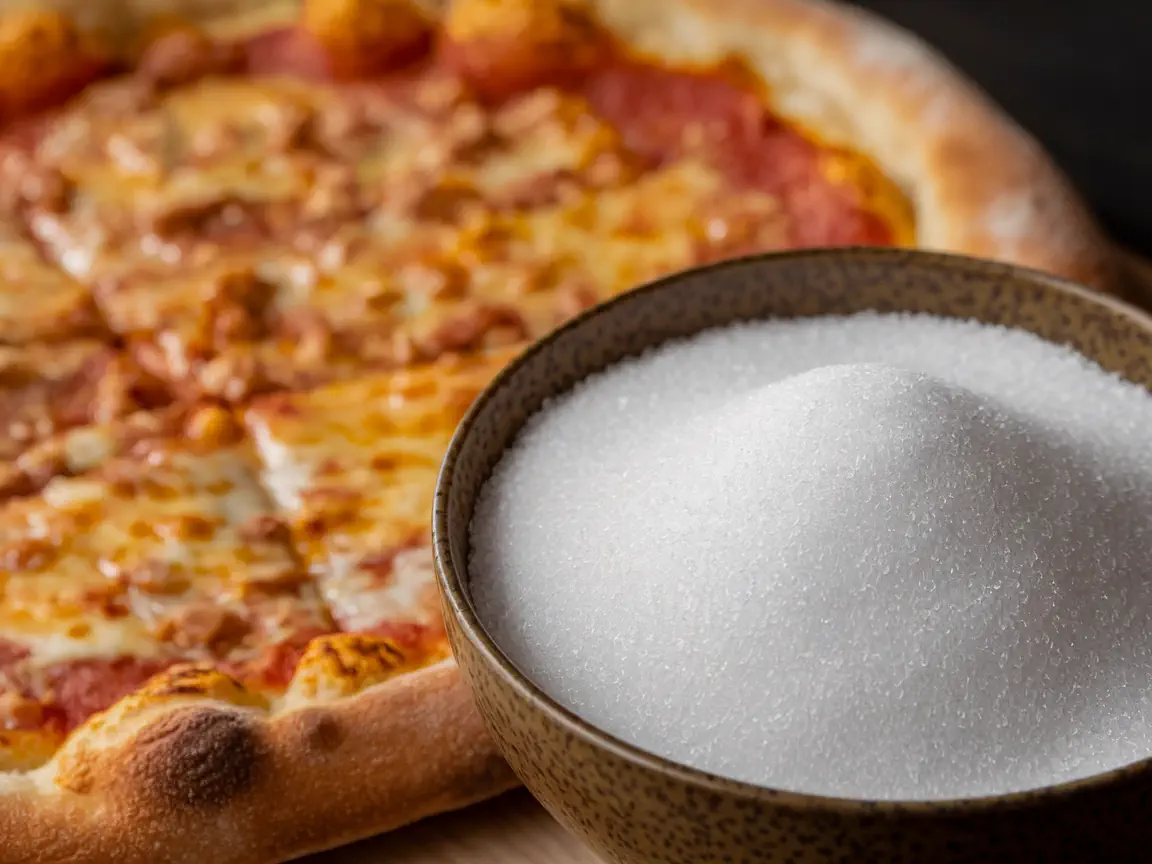
Pizza dough contains a small amount of sugar to activate yeast, but overall sugar content is low. Most carbs come from flour.
What Is The 55 Rule For Pizza Dough?
The 55 rule for pizza dough means using 55% hydration—55 grams of water per 100 grams of flour. This creates a soft, elastic dough.
Conclusion
Pizza dough plays a key role in blood sugar levels. Thick, white flour crusts cause quick spikes. Choosing whole grain or vegetable-based crusts helps control sugar. Adding fiber-rich toppings slows sugar absorption. Portion size also affects blood sugar response. Small changes in dough and toppings make a difference.
Understanding these facts supports healthier pizza choices. Managing blood sugar doesn’t mean giving up pizza. It means making smarter dough and topping decisions. This way, you enjoy pizza without large sugar swings.

As the author of the “Ultimate Pizza Guide: Recipes, Tips & Secrets Revealed,” I’m dedicated to sharing my love for pizza and empowering others to create delicious homemade pizzas with ease. Join me on a journey to uncover the secrets to perfecting your pizza game!