“Salt Levels in Pizza Dough Health”
When you bite into a delicious slice of pizza, you might not think much about what’s in the dough—especially the salt. But have you ever wondered how much salt is really in your pizza dough and what it means for your health?
Salt isn’t just about taste; it plays a key role in how your dough behaves and how healthy your pizza really is. If you care about enjoying your favorite food without overloading on sodium, understanding salt levels in pizza dough is essential.
Keep reading to discover how salt affects your pizza’s texture, flavor, and your well-being—so you can make smarter, tastier choices every time you enjoy a slice.

Credit: lowsorecipes.com
Salt’s Role In Dough
Salt plays a key role in pizza dough beyond just flavor. It helps shape the dough’s structure and controls how it grows. Understanding salt’s function can improve dough quality and health balance.
Too much salt can slow down yeast, while too little weakens the dough. The right amount strengthens gluten and adjusts texture. These effects make salt a vital ingredient in pizza dough making.
Strengthening Gluten
Salt tightens gluten strands in the dough. This creates a strong network that holds gas from yeast. The dough becomes elastic and less likely to tear. Salt helps maintain dough shape during baking.
Regulating Yeast Activity
Salt controls how fast yeast works. It slows yeast growth to prevent over-fermentation. Without enough salt, yeast grows too fast and weakens dough structure. Proper salt levels balance yeast for steady rising.
Impact On Dough Texture
Salt affects dough’s feel and chewiness. It firms the dough and adds slight resistance when stretched. This leads to a pleasant, chewy pizza crust. Salt also helps dough hold moisture for a soft bite.
Health Risks Of High Salt
Eating too much salt can harm your health in many ways. Salt is important for taste and dough texture. Still, high salt levels in pizza dough may cause health issues. It is vital to know the risks linked to excess salt intake.
Many people eat pizza often without realizing how much salt it contains. High salt can affect your body’s functions and increase disease risk. Understanding these dangers helps you make better food choices.
Sodium Intake Concerns
Sodium is a key part of salt. Too much sodium can cause serious health problems. The recommended daily limit for sodium is about 2,300 mg for most adults. Many pizza dough recipes add enough salt to increase sodium beyond this limit.
High sodium intake can lead to water retention and swelling. It can also harm your kidneys over time. Watching sodium levels in your diet is important for long-term health.
Effects On Blood Pressure
Salt raises blood pressure by making your body hold extra water. This puts more strain on your heart and blood vessels. High blood pressure increases the risk of heart attacks and strokes.
People who consume a lot of salty foods, including pizza, often have higher blood pressure. Reducing salt intake helps keep blood pressure in a healthy range. This lowers the chance of heart disease.
Hidden Salt In Pizza Dough
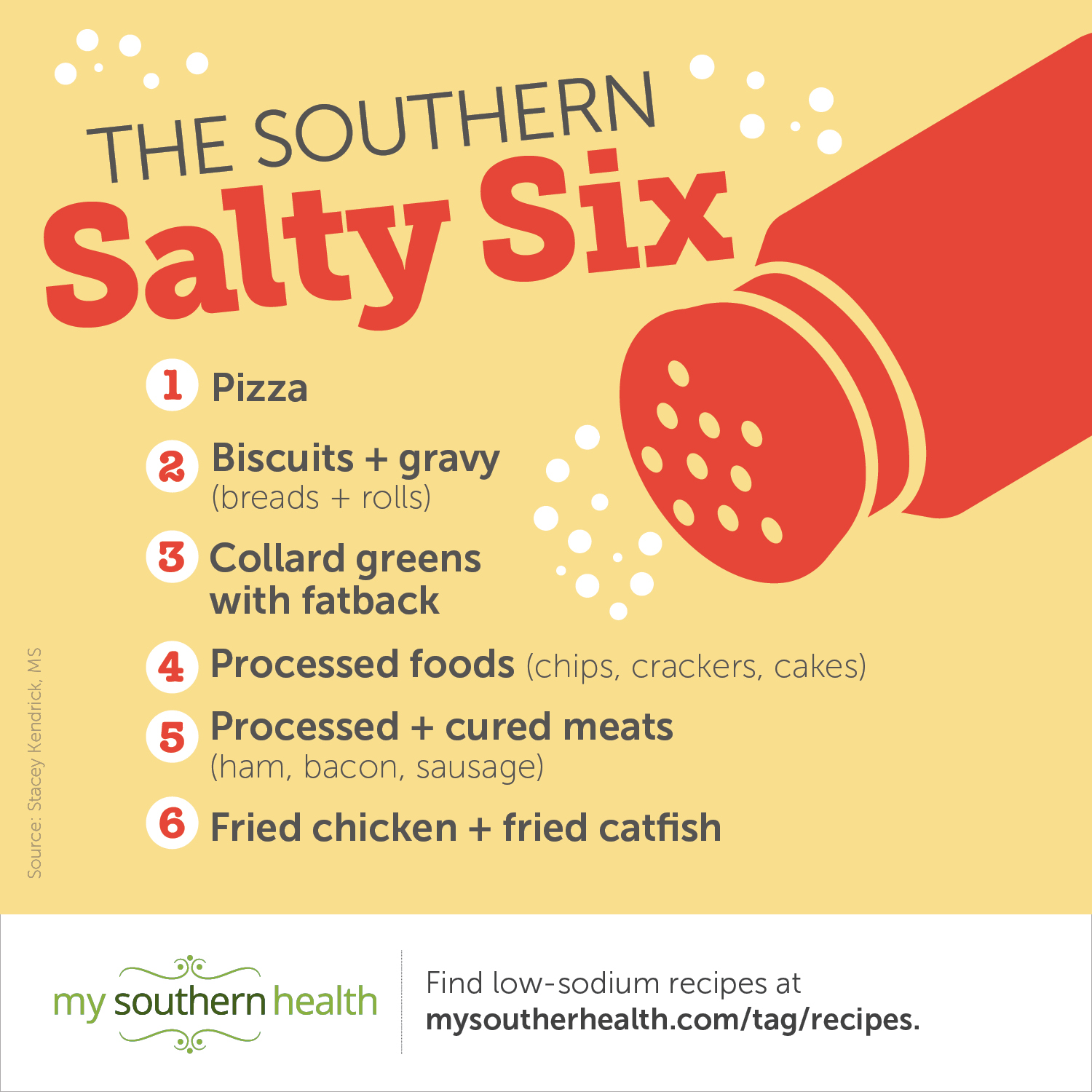
Many do not realize how much salt pizza dough can contain. Salt is added to improve flavor and dough texture. This means even plain pizza crust can add significant sodium to your meal.
Cheese and toppings add even more salt. Combined, this can easily exceed healthy sodium limits. Being aware of hidden salt helps you manage your salt intake better.
Benefits Of Salt In Dough
Salt plays a vital role in making pizza dough. It does more than just add taste. Salt affects the dough’s texture, rise, and handling. Using the right amount of salt leads to better dough and a tastier pizza. Below are some key benefits of salt in dough.
Enhancing Flavor
Salt brings out the natural flavors in the dough. It balances the bland taste of flour and yeast. Without salt, the dough can taste flat and dull. Salt makes the crust more savory and enjoyable.
Controlling Fermentation
Salt slows down yeast activity during fermentation. This control helps the dough rise evenly. It prevents the dough from over-fermenting or growing too fast. Proper fermentation improves texture and flavor.
Improving Dough Handling
Salt strengthens gluten strands in the dough. This makes the dough less sticky and easier to shape. It prevents tearing and helps the dough hold its shape. Salt creates a smooth, elastic dough that is simple to work with.
Balancing Salt Levels
Salt is a key ingredient in pizza dough. It affects taste, texture, and dough strength. Balancing salt levels helps create dough that is healthy and delicious. Too much salt can raise sodium intake and affect fermentation. Too little salt can weaken the dough and reduce flavor. Careful control of salt amounts improves both health and dough quality.
Recommended Salt Percentages
Most pizza dough recipes use salt between 1.5% and 2.5% of the flour weight. This range gives good flavor and dough strength. For example, 20 grams of flour would use about 0.3 to 0.5 grams of salt. Staying within this range keeps sodium levels moderate. It also helps the yeast work properly, balancing dough rise and taste.
Adjusting For Healthier Dough
Reducing salt below 1.5% lowers sodium but may weaken dough texture. To keep dough strong, increase fermentation time or use stronger flour. Adding herbs or spices can boost flavor without salt. Gradual salt reduction allows taste buds to adjust. This method supports a healthier pizza without losing enjoyment.
Alternatives To Traditional Salt
Sea salt and Himalayan pink salt add minerals but still contain sodium. Potassium chloride can replace some salt to reduce sodium. It tastes slightly different, so test in small batches. Using low-sodium seasoning blends adds flavor without extra salt. These alternatives help create tasty dough with less sodium impact.
Reducing Salt Without Sacrifice
Reducing salt in pizza dough does not mean losing quality or taste. Salt plays a key role in dough texture and flavor. Cutting sodium needs care to keep dough strong and tasty. Small changes can make a big difference. Simple methods help lower salt while keeping dough just right.
These ideas balance health and flavor. You can enjoy pizza with less sodium and full satisfaction.
Techniques To Lower Sodium
Start by reducing salt step-by-step. Cut 10 to 20 percent at first. This helps your taste buds adjust. Use measured salt instead of guessing. Replace some salt with natural sea salt, which has stronger flavor. Try mixing salt with herbs for more taste. Avoid adding salt twice during mixing. Monitor dough rise carefully as salt affects yeast activity.
Maintaining Dough Strength
Salt tightens gluten strands in dough. Less salt means softer dough that can tear. Add vital wheat gluten to improve strength. Use cold water to slow fermentation and control yeast. Knead dough longer to build structure. Let dough rest well; it helps gluten develop. Avoid over-proofing; it weakens dough texture.
Flavor Boosting Alternatives
Boost flavor without salt by using garlic powder or onion powder. Add fresh herbs like basil, oregano, or rosemary. Use a splash of lemon juice or vinegar for brightness. Mix in Parmesan or aged cheese for salty notes. Toast spices lightly for deeper aroma. These alternatives enrich taste and reduce salt need.
Credit: my.vanderbilthealth.com
Common Mistakes With Salt
Salt is an important ingredient in pizza dough. Many people make mistakes with salt that affect the dough’s health and taste. Too much or too little salt can cause problems. Understanding these errors helps you create better pizza dough with the right balance.
Using Too Much Salt
Adding too much salt can make the dough taste salty and unpleasant. It also slows down yeast activity. This means the dough will rise slower and may become dense. Over-salting can weaken the gluten network. The dough may become tough and hard to stretch.
Omitting Salt Completely
Some bakers skip salt to reduce sodium intake. Without salt, dough lacks flavor and can taste bland. Salt controls yeast growth. Without it, yeast works too fast. This causes the dough to overproof quickly. The dough structure becomes weak and sticky. It may tear easily during shaping.
Effects On Dough Performance
Salt affects dough texture and strength. It tightens gluten strands, making the dough elastic. Proper salt levels help dough hold gas from fermentation. This leads to a better rise and airy crust. Too little or too much salt disrupts these processes. The dough can become either too soft or too stiff.
Choosing The Right Salt
Choosing the right salt for pizza dough is key to both health and taste. Salt affects dough texture and fermentation. It also influences the final flavor of your pizza. Selecting the proper salt type and amount can improve your pizza-making experience. Below are important points to consider.
Types Of Salt For Dough
Different salts bring unique qualities to dough. Table salt is common but finely ground and often contains additives. Sea salt offers natural minerals and a coarser texture. Kosher salt is popular with bakers for its purity and ease of control. Each type dissolves differently and impacts dough hydration. Choose salt that fits your baking style and health needs.
Quality Vs. Quantity
Quality of salt can matter more than the amount used. High-quality salts have natural minerals that enhance flavor without extra sodium. Using too much salt can slow yeast activity and toughen dough. Too little salt weakens dough structure and reduces taste. Balance salt quantity with its quality to keep dough healthy and tasty.
Impact On Final Pizza Taste
Salt directly affects the taste of your pizza crust. It enhances flavor and balances sweetness from the dough. Salt also controls yeast fermentation, which changes dough aroma and texture. The right salt choice helps create a crisp, flavorful crust. Poor salt selection may lead to bland or overly salty pizza. Proper salt use ensures a satisfying bite every time.
Credit: www.spinatospizzeria.com
Frequently Asked Questions
Does Pizza Dough Have A Lot Of Sodium?
Pizza dough contains a moderate amount of sodium due to salt, essential for flavor and dough structure. Sodium levels vary by recipe.
How Important Is Salt In Pizza Dough?
Salt strengthens gluten, controls yeast activity, and enhances dough flavor. Too little weakens dough; too much slows fermentation.
What Happens If Too Much Salt Is In Pizza Dough?
Too much salt in pizza dough slows yeast fermentation, resulting in dense, tough dough with reduced rise and less flavor development.
What Is The 55 Rule For Pizza Dough?
The 55 rule for pizza dough means using 55% hydration, combining 55 grams of water per 100 grams of flour. This ratio creates a balanced, workable dough with good texture and rise. It helps achieve a soft, chewy crust ideal for many pizza styles.
Conclusion
Salt in pizza dough affects both taste and health. Too much salt raises sodium levels, which may harm your heart. Too little salt can weaken dough and reduce flavor. Balancing salt keeps dough strong and tasty. Choosing the right amount helps control sodium intake.
Enjoy pizza with mindful salt use for better health. Remember, small changes in dough salt can make a big difference. Keep your pizza delicious and healthier by managing salt levels carefully.

As the author of the “Ultimate Pizza Guide: Recipes, Tips & Secrets Revealed,” I’m dedicated to sharing my love for pizza and empowering others to create delicious homemade pizzas with ease. Join me on a journey to uncover the secrets to perfecting your pizza game!