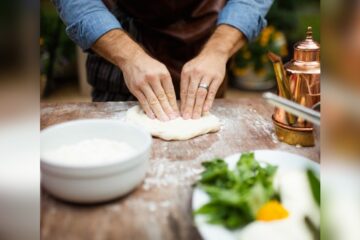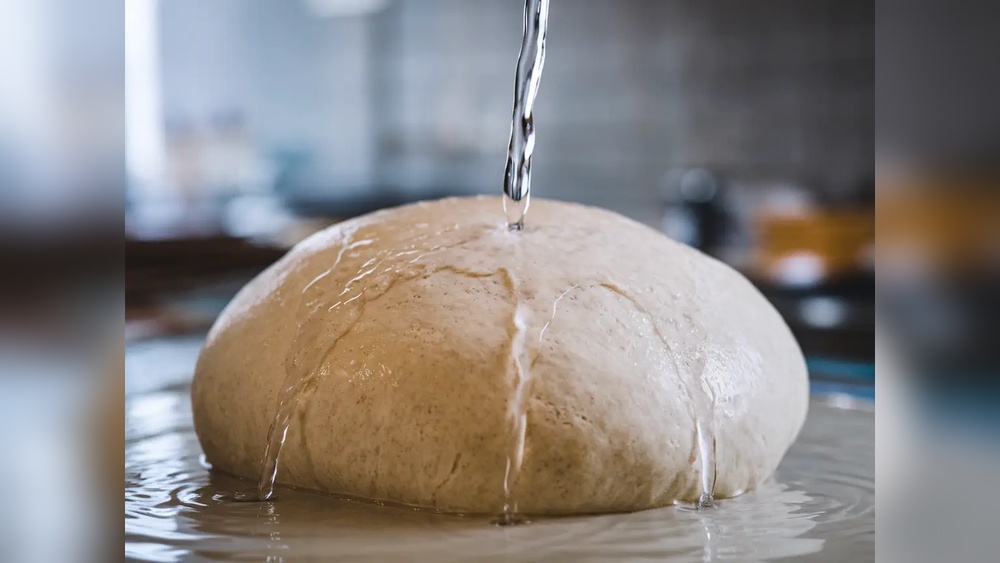
When it comes to making the perfect pizza, understanding your dough is key—and water absorption plays a huge role in that. Have you ever wondered why some pizza crusts come out chewy and soft, while others turn crispy and dense?
The secret often lies in how much water your dough can absorb. Getting the right balance of hydration not only affects the texture but also how easy or tricky your dough is to handle. If you want to master the art of pizza dough and create crusts that impress every time, you need to know how water absorption shapes your results.
Keep reading, and you’ll discover simple tips and insights that will transform your pizza-making game.
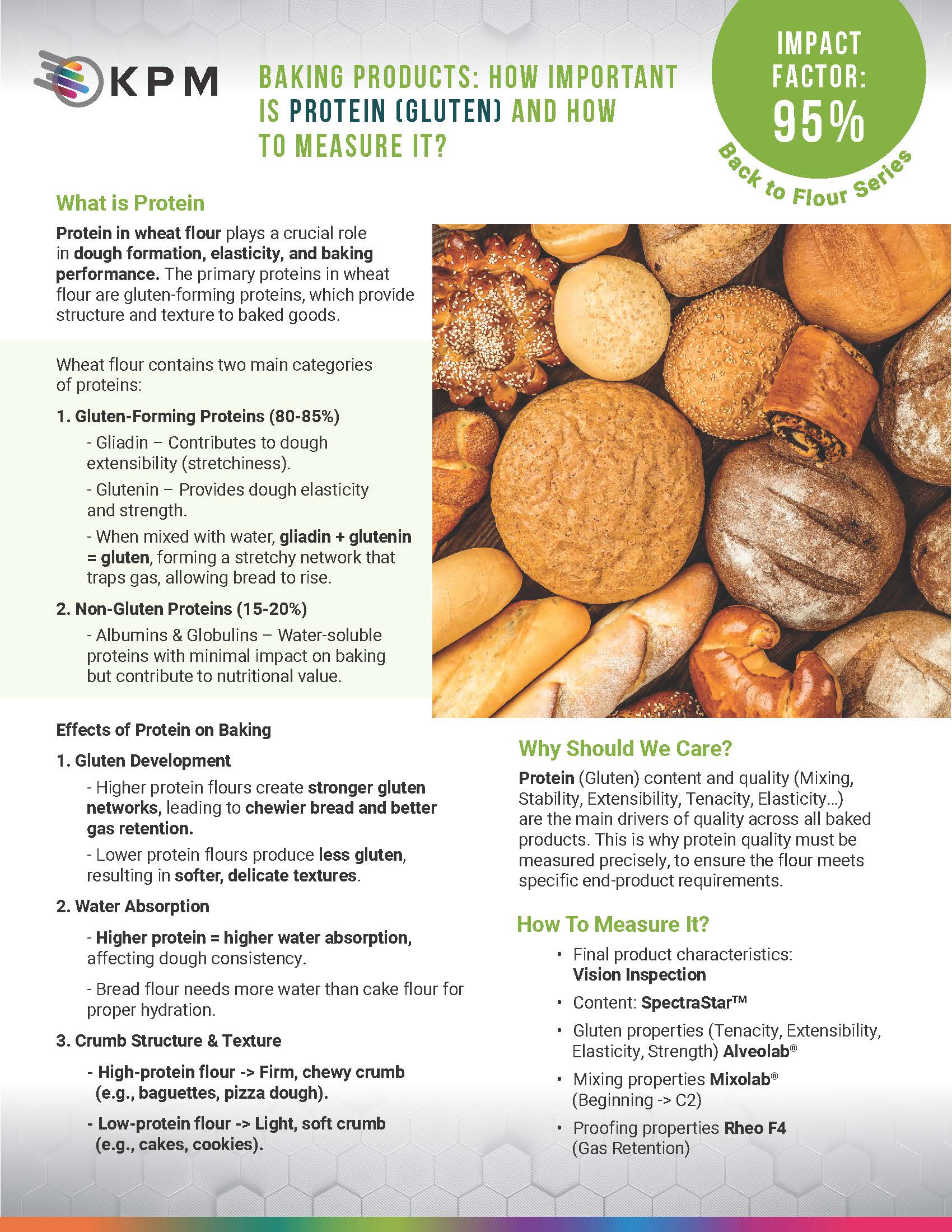
Credit: www.kpmanalytics.com
Hydration Levels And Texture
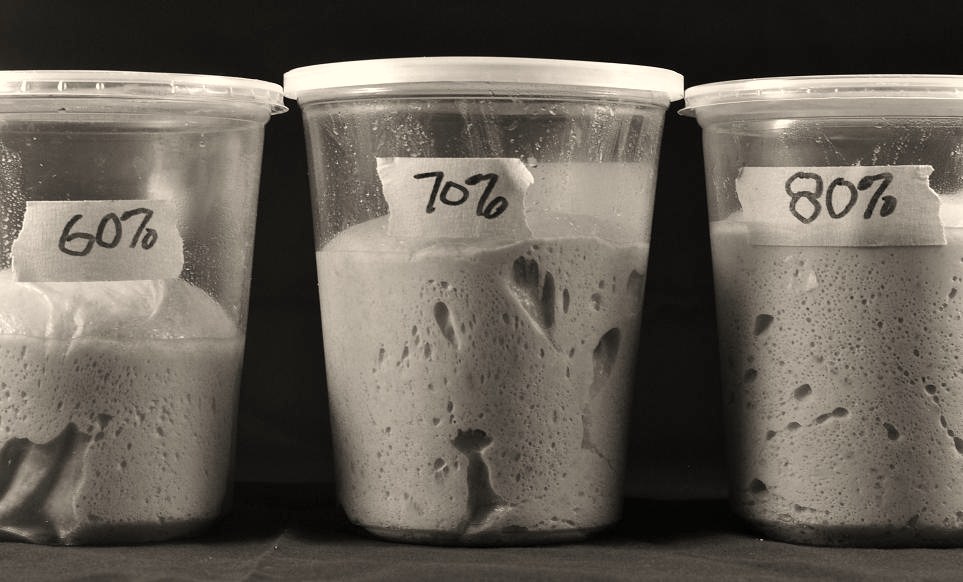
Hydration level plays a crucial role in shaping pizza dough texture. Water absorption affects dough softness, elasticity, and crumb structure. Understanding hydration helps bakers achieve their desired pizza style. Different hydration levels change the dough’s handling and final bite.
Low Hydration Effects
Low hydration dough contains less water, usually below 60%. It feels stiff and firm, making it easy to shape. The crust turns dense and crunchy after baking. This dough creates a crisp texture with a tight crumb. It suits thin and crispy pizza styles well.
High Hydration Effects
High hydration dough has more water, often above 70%. It feels sticky and soft, needing careful handling. The crust becomes light and airy with large bubbles. This dough produces a chewy texture and open crumb. It is popular for Neapolitan and Roman pizzas.
Ideal Hydration For Styles
Each pizza style requires a specific hydration range. Thin and crispy pizzas prefer 55-60% hydration for a firm bite. New York-style dough works well at 60-65% hydration for chewiness. Neapolitan and Roman pizzas need 70-75% hydration for airiness. Chicago deep-dish dough uses 65-70% for a soft, thick crust.
Hydration By Pizza Style
Water absorption, or hydration, plays a big role in shaping pizza dough texture. Different pizza styles need different hydration levels to create their unique crusts. Hydration affects dough softness, chewiness, and crispness. Knowing the right hydration helps you bake a pizza that matches the style you want.
Neapolitan
Neapolitan dough has a hydration around 60-65%. This level keeps the dough soft and stretchy. It creates a light, airy crust with big bubbles. The dough is wet but not sticky, which makes it easy to stretch by hand. This hydration supports the fast, high-heat baking typical of Neapolitan pizza ovens.
New York
New York-style dough usually has 58-62% hydration. This is slightly less wet than Neapolitan dough. It yields a thinner, foldable crust with a bit of chew. The dough feels firm but soft enough to bend without breaking. This hydration suits longer baking times and moderate oven temperatures.
Thin & Crispy
Thin and crispy dough has lower hydration, around 50-55%. Less water means a firmer dough that bakes into a crisp crust. The texture is crunchy with little chew. This dough is easier to roll thin and holds up under toppings without getting soggy. It works well in home ovens or tavern-style pizza ovens.
Chicago Deep Dish
Chicago deep dish dough has high hydration, often 65-70%. This dough is rich and buttery, with more water and oil. It creates a thick, soft crust that stays moist during long baking. The high hydration helps form the deep, tender base needed for heavy toppings and sauce. Handling this dough requires care due to its stickiness.
Factors Influencing Water Absorption
Water absorption in pizza dough varies due to several factors. Understanding these helps you control dough texture and baking results. Each factor changes how much water the flour can hold. This affects dough softness, elasticity, and rise. Let’s explore the main influences on water absorption.
Flour Type
Different flours absorb water differently. High-protein flours soak up more water than low-protein ones. Bread flour usually absorbs more than all-purpose flour. Whole wheat flour holds more water because of its bran content. The finer the flour grind, the better it absorbs water. This affects dough hydration and final pizza texture.
Ambient Conditions
Temperature and humidity in the room impact water absorption. Warm environments increase dough hydration needs. Dry air causes dough to lose moisture quickly. Cold conditions slow water absorption by flour. Bakers adjust water amounts based on these conditions for consistent dough. Keeping a stable room environment helps maintain dough quality.
Handling Techniques
How you mix and knead dough influences water absorption. Longer kneading allows flour to absorb more water. Gentle handling keeps dough structure intact while hydrating. Overmixing can cause tough dough and reduce water holding. Resting dough after mixing lets water fully soak in. Proper technique leads to well-hydrated, smooth dough.
Managing Dough Consistency
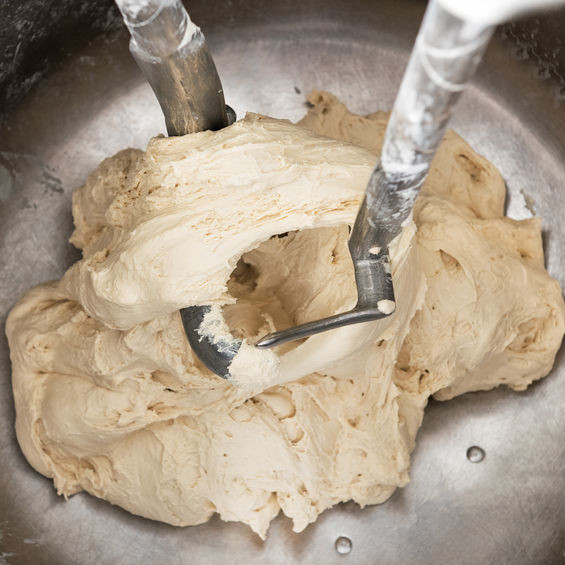
Managing dough consistency is key to making great pizza. Water absorption affects dough texture and handling. Too much water makes dough sticky and hard to shape. Too little water results in dry, tough dough. Finding the right balance helps create a perfect crust.
Gradual Hydration Increase
Start by adding water slowly to your flour. Mix a little, then check the dough’s feel. Add more water only if the dough is too dry. This helps avoid sticky dough and gives better control. Gradual increase lets gluten develop well for elasticity.
Handling Sticky Dough
Sticky dough can be tricky but manageable. Use flour on your hands and work surface. Avoid adding too much flour, which can dry out dough. Stretch and fold the dough gently to build strength. Sticky dough often means good hydration and a soft crust.
Adjusting For Oven Type
Oven heat affects how dough behaves during baking. High heat ovens may need slightly less water for control. Home ovens often benefit from higher hydration for a lighter crust. Adjust dough moisture based on your oven’s temperature and baking time.
Recognizing Overproofed Dough
Recognizing overproofed dough is crucial for perfect pizza. Overproofing affects dough texture, flavor, and baking results. It happens when dough ferments too long, causing gas bubbles to expand excessively. This weakens gluten, making the dough fragile and prone to collapse. Spotting overproofed dough early helps avoid flat, dense pizzas.
Visual Signs
Overproofed dough looks very puffy and swollen. It may have large bubbles on the surface. The dough often appears loose or slack. It might collapse easily when touched. The color can be dull or slightly darker than usual. These signs show the dough has passed its ideal rise time.
Tactile Clues
Touch the dough gently to feel its texture. Overproofed dough feels soft and sticky. It lacks resistance and feels weak. Pressing the dough leaves a deep dent that does not bounce back. This means gluten structure is over-relaxed. Handle the dough carefully to avoid tearing.
Smell Indicators
Overproofed dough often has a strong, sour smell. This comes from excessive fermentation. It may smell like alcohol or vinegar. A fresh dough smell is usually mild and yeasty. A sharp or off smell means the dough is past its prime. Trust your nose to judge dough readiness.
Credit: pizzanea.com
Fixing Overproofed Dough
Overproofed pizza dough can spoil your baking plans. It becomes too soft, loses structure, and may collapse. Fixing it requires quick action and gentle handling. Understanding water absorption helps manage dough texture and elasticity. Here are simple ways to improve overproofed dough and save your pizza.
Stretching Techniques
Stretch the dough gently to avoid tearing. Use your fingertips to push from the center outward. Keep a light touch to maintain bubbles in the dough. Let the dough rest briefly if it resists stretching. This helps relax the gluten and makes shaping easier.
Re-shaping Tips
Press the dough lightly to release excess gas. Fold edges toward the center to tighten the surface. Shape it into a smooth ball before resting again. Use a little flour to prevent sticking. Rest the dough for 10-15 minutes to regain strength.
Preventive Measures
Control proofing time to avoid overproofing. Cooler temperatures slow yeast activity and improve flavor. Use the right water amount for proper hydration. Keep dough covered to prevent drying out. Check dough firmness regularly during fermentation.
Tips For Beginners
Starting with the right water absorption in pizza dough can change your baking experience. Beginners benefit from simple, clear tips that guide them to make dough that feels right and bakes well. Understanding hydration helps control texture and ease of handling. Below are key points every novice should remember.
Starting Hydration Levels
Use 60% hydration as your base. This means 60 grams of water for 100 grams of flour. It creates dough that is easy to shape and not too sticky. At this level, the dough is firm but soft enough to stretch. Beginners find it easier to work with and still bake a tasty pizza crust.
Balancing Crunch And Chew
More water makes dough softer and chewier. Less water results in a crispier crust. For a balanced pizza, keep hydration between 60% and 65%. This range gives a good mix of crunch and chewiness. Adjust slightly based on your oven and flour type. Test small batches to find what suits your taste.
Common Mistakes To Avoid
Adding too much water causes sticky dough hard to handle. Avoid rushing to add water; add slowly and mix well. Not measuring ingredients carefully leads to inconsistent results. Use a kitchen scale for accuracy. Kneading too little or too much can affect dough texture. Aim for smooth and elastic dough without overworking it.
Credit: bakerpedia.com
Frequently Asked Questions
What Is The 55 Rule For Pizza Dough?
The 55 rule for pizza dough means using 55% hydration, combining 55 grams of water per 100 grams of flour. This balance creates a manageable, soft dough with good texture and chew. It suits home ovens and yields a crisp yet tender crust.
What Is The Best Hydration Level For Pizza Dough?
The best hydration level for pizza dough is typically 60-65%. This range balances chewiness, crust crispness, and ease of handling. Higher hydration creates a lighter, airier crust but is stickier and harder to work with. Adjust hydration based on desired texture and pizza style.
What Does Overproofed Pizza Dough Look Like?
Overproofed pizza dough looks puffy, slack, and fragile. It shows large popped bubbles, a pale color, and a sour smell. The dough deflates easily and wrinkles, losing its shape and elasticity.
Is 60 Or 70 Hydration Pizza Dough Better?
A 60% hydration dough offers easier handling and a crispier crust. A 70% hydration dough creates a lighter, chewier texture but is stickier and harder to manage. Choose based on your texture preference and skill level.
Conclusion
Understanding pizza dough water absorption helps you control texture and flavor. Water amount changes dough softness and how it bakes. Higher hydration creates lighter, airier crusts but needs careful handling. Lower hydration makes dough firmer and easier to work with.
Experimenting with water levels lets you find your perfect dough. Keep notes on each try for best results. Enjoy baking pizza that suits your taste and style every time.

As the author of the “Ultimate Pizza Guide: Recipes, Tips & Secrets Revealed,” I’m dedicated to sharing my love for pizza and empowering others to create delicious homemade pizzas with ease. Join me on a journey to uncover the secrets to perfecting your pizza game!