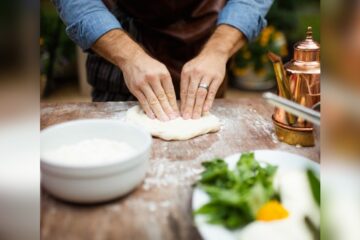
Have you ever wondered if the amount of water in your dough changes how many calories it contains? When you’re baking bread, pizza, or cookies, the hydration of your dough—the ratio of water to flour—can affect more than just texture and rise.
But does it actually impact the calorie count of your final product? Understanding this can help you make smarter choices in the kitchen, especially if you’re watching your calorie intake or aiming for healthier baking. You’ll discover how dough hydration influences calories, what happens if your dough is too wet, and practical tips to get the perfect balance every time.
Keep reading to unlock the secrets behind dough hydration and its surprising effects on calories!
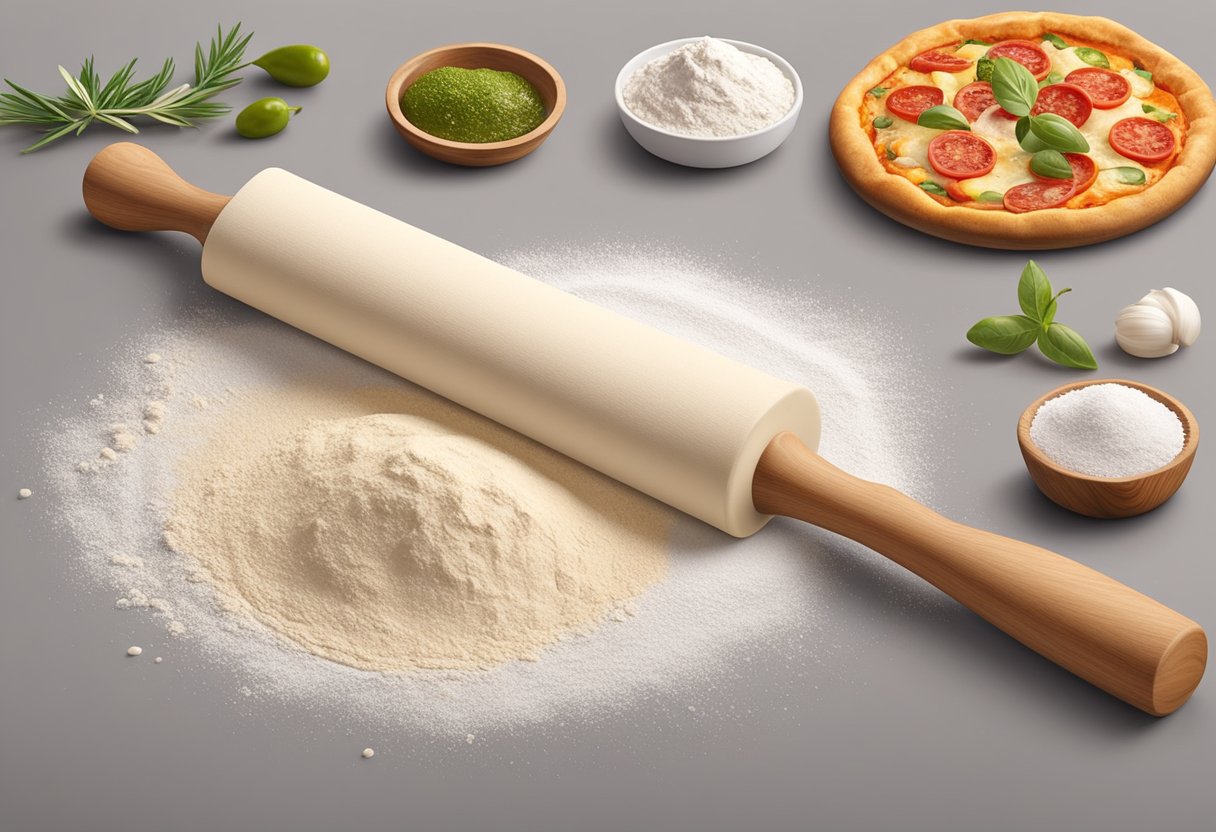
Credit: www.prepapizza.com
Dough Hydration Basics
Dough hydration plays a key role in baking. It affects the dough’s feel, texture, and baking result. Understanding dough hydration helps bakers control the dough better. This section explains the basics of dough hydration.
What Is Dough Hydration
Dough hydration means the amount of water in the dough. It is shown as a percentage of flour weight. For example, 60% hydration means 60 grams of water per 100 grams of flour. Water mixes with flour to form gluten, which gives dough its structure.
Hydration affects dough softness and stickiness. Higher hydration makes dough wetter and softer. Lower hydration makes it drier and firmer. Different recipes need different hydration levels to get the right texture and rise.
Typical Hydration Levels
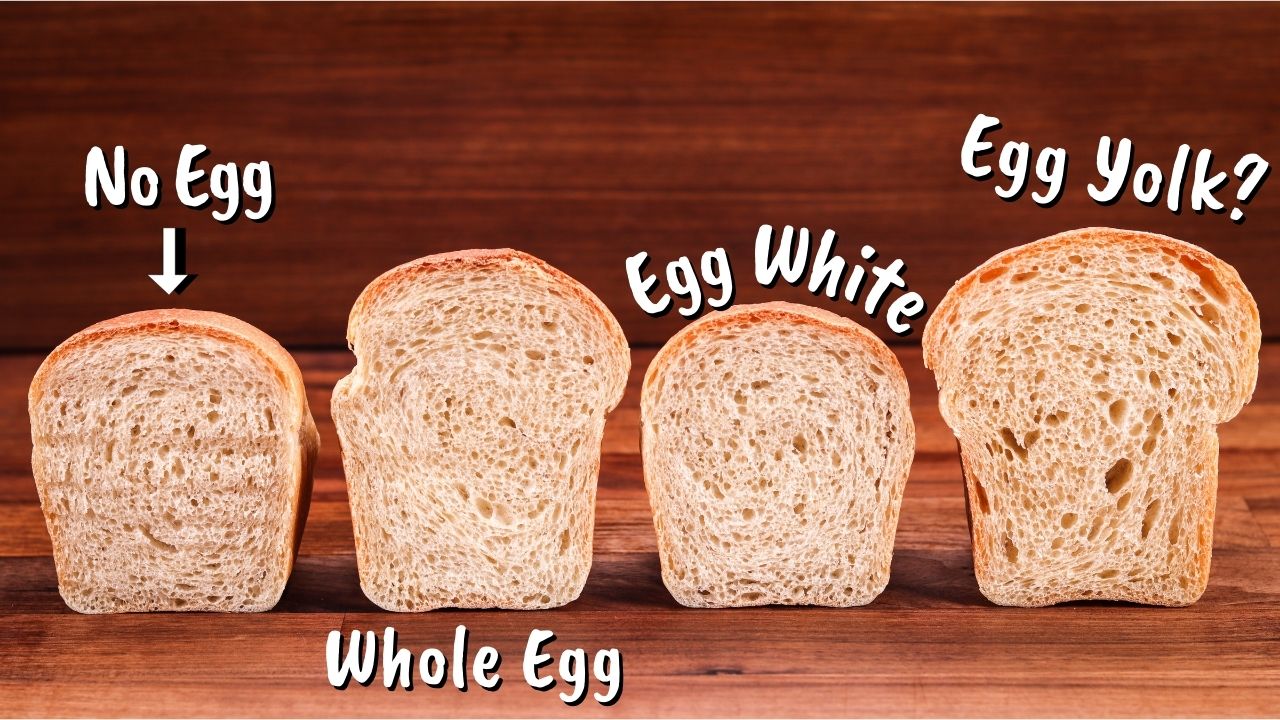
Most bread doughs have hydration between 55% and 75%. Basic sandwich bread usually has about 60% hydration. Artisan breads like ciabatta can reach 75% or higher. Pizza dough often stays around 60% to 65% hydration.
Pastry doughs have much lower hydration, often below 50%, to keep them flaky. High hydration doughs are harder to handle but create open, airy crumbs. Lower hydration doughs are firmer and easier to shape.
Credit: www.chainbaker.com
Effects Of High Hydration
High hydration means adding more water to the dough than usual. This changes how the dough feels and works. It can make the dough softer and more open. Bakers often use high hydration to get a lighter bread with big holes inside. But high hydration also brings some challenges to the baking process.
The extra water affects the dough’s texture and how easy it is to handle. It also changes the gluten structure inside the dough. These factors are important to understand for better baking results.
Texture And Handling Challenges
Dough with high hydration feels sticky and wet. It can stick to your hands and tools, making it hard to shape. The dough may spread out too much and lose its form. This can cause flat or dense bread. Handling requires special techniques like folding or using wet hands.
It takes practice to work with wet dough. The texture is soft and sometimes gloopy. This softness can make it hard to develop strength in the dough. Bakers need patience and skill to manage this type of dough.
Impact On Gluten Structure
Gluten gives dough its strength and stretchiness. High hydration weakens the gluten network. The extra water dilutes gluten proteins, making the dough less firm. This results in a more open crumb with larger holes. The bread becomes lighter and airier.
But too much water can cause the gluten to break down. This makes the dough unable to hold gas well. Bread may not rise properly and become dense. Balancing water and gluten is key for good bread texture.
Signs Of Excess Water
Signs of excess water in dough are easy to spot. They show how hydration affects dough texture and handling. Too much water changes dough behavior and can affect baking results.
Recognizing these signs helps adjust the dough before baking. This saves time and improves the final product’s quality.
Sticky And Gloopy Dough
Dough with too much water feels sticky and gloopy. It sticks to your hands and any surface it touches. This makes it hard to work with and messy.
The dough loses its firmness and becomes weak. It may look like thick batter rather than traditional dough. This stickiness signals that hydration is beyond the ideal level.
Difficulty In Shaping
Excess water causes dough to lose shape easily. It collapses or spreads out instead of holding form. This makes shaping loaves or cookies a real challenge.
Such dough is hard to handle and does not respond well to kneading. The weak gluten network cannot trap gases well. This leads to flat, dense baked goods with poor texture.
Credit: www.ralphs.com
Baking Outcomes Of Wet Dough
Dough hydration plays a key role in shaping the final baked product. The amount of water in dough changes its texture and baking behavior. Wet dough tends to be sticky and loose. This affects how the dough rises and bakes. Understanding these baking outcomes helps in making better bread and cookies.
Flat And Dense Loaves
Wet dough often leads to flat and dense loaves. Excess water weakens the gluten network. This makes the dough less able to hold gas. As a result, bread does not rise well. The crumb becomes heavy and gummy instead of light and airy. Handling wet dough can be tricky, making shaping difficult. Bakers may need to adjust flour or use special techniques to improve structure.
Spread And Crispiness In Cookies
High hydration affects cookies by causing them to spread out too much. Wet cookie dough flows easily on the baking sheet. This results in thin, wide cookies. The edges often turn very crispy or even burnt. The center may lack chewiness and become brittle. Controlling water content is crucial for the right cookie texture. Lower hydration helps cookies keep their shape and softness.
Adjusting Over-hydrated Dough
Over-hydrated dough can cause trouble in baking. It feels sticky and hard to manage. This can lead to flat, dense, or spread-out baked goods. Adjusting the dough saves it from these problems. Small changes improve texture and ease of handling. Focus on the right methods to fix the dough and keep your recipe on track.
Kneading Techniques
Kneading helps develop gluten and improve dough strength. Use the “slap and fold” method for very wet dough. This technique adds air and builds structure without extra flour. Wet hands or a dough scraper stop sticking during kneading. Knead gently but firmly to avoid tearing the dough. Give the dough time to rest between kneads. Resting lets the flour absorb water and relax gluten.
Adding Flour Or Gluten
Add flour gradually, one tablespoon at a time. Mix well and check dough texture after each addition. This prevents over-drying and keeps dough soft but firm. For bread dough, vital wheat gluten strengthens the dough. Gluten improves elasticity and traps gas for better rise. Avoid adding too much flour or gluten at once. Small amounts help reach the right dough consistency carefully.
Calories And Dough Hydration
Dough hydration affects more than texture and rise. It also influences the calorie content in subtle ways. Understanding this relationship helps bakers make informed choices. Calories and dough hydration connect through water content and fermentation processes.
Water’s Calorie Contribution
Water adds no calories to dough. It only increases the dough’s weight and volume. Higher hydration means more water but not more calories. Calories come from flour and other dry ingredients. Adding water dilutes calorie density but does not reduce total calories. This means a wetter dough might seem less calorie-dense per gram but holds the same total calories.
Caloric Changes During Fermentation
Fermentation slightly changes calories in dough. Yeast consumes some sugars and starches for energy. It converts them into carbon dioxide and alcohol. This process reduces some calories as sugars break down. Alcohol mostly evaporates during baking, lowering calorie content a bit. However, the calorie change is minimal and often not noticeable in the final product.
Fermentation And Calorie Reduction
Fermentation plays a key role in how dough changes over time. It can also affect the calorie content in the final bread. During fermentation, yeast and bacteria consume sugars in the dough. This process alters the carbohydrates and may reduce calories slightly.
Understanding fermentation helps to see if dough hydration impacts calories through this natural process.
Role Of Yeast And Bacteria
Yeast is a tiny fungus that eats sugars in the dough. It produces carbon dioxide and alcohol. These gases make the dough rise and create air pockets.
Bacteria also grow during fermentation. They break down some carbohydrates into simpler compounds. This changes the dough’s texture and flavor.
Both yeast and bacteria use sugars as fuel. This reduces the amount of carbohydrates available for calories.
Impact On Carbohydrates
Carbohydrates are the main source of calories in dough. During fermentation, many sugars get consumed by yeast and bacteria. This lowers the sugar content in the dough.
Some starches also break down into simpler sugars. These are easier for the yeast to consume. This process slightly reduces the calorie count.
The longer the fermentation, the more carbohydrates get used. This can lead to a small calorie reduction in the baked bread.
Water Intake And Calorie Burn
Water intake plays a role in how the body burns calories. Drinking enough water can boost metabolism slightly. This increase helps the body burn more energy throughout the day. Hydration also supports many bodily functions, which can impact calorie use.
Understanding how water affects calorie burn helps clarify if dough hydration changes calorie content. Though dough hydration mainly affects texture, the water you drink influences your body’s energy use.
Metabolic Effects Of Drinking Water
Drinking water raises your resting energy expenditure. This means your body burns more calories just to keep basic functions running. The effect may last for about an hour after drinking. Cold water can increase calorie burn more, as the body uses energy to warm it up.
Water also helps the body process nutrients better. Improved digestion means your body can use food energy more efficiently. Staying hydrated keeps your metabolism steady, preventing dips that slow calorie burn.
Appetite Regulation
Water intake can influence hunger signals in the body. Sometimes, thirst is mistaken for hunger, causing overeating. Drinking water before meals may reduce appetite and calorie intake. This simple step helps control how much food you eat.
Proper hydration supports hormones that manage hunger. Balanced hormones prevent sudden cravings and overeating. Drinking enough water helps maintain a healthy appetite and supports weight management.
Practical Tips For Calorie-conscious Baking
Baking with calorie control in mind requires simple adjustments to dough hydration. Changing water content affects dough texture and handling. These tweaks help create lighter, healthier baked goods without sacrificing taste or quality.
Understanding how to pick hydration levels and manage dough consistency makes calorie-conscious baking easier. Small changes in water can influence the final product’s density and calories per serving. Follow practical tips below to balance hydration and calories effectively.
Choosing Hydration Levels
Lower hydration means less water in the dough. This creates denser bread with fewer calories from water weight. Higher hydration makes dough wetter and lighter. It may increase volume but does not add calories since water has none.
Select hydration based on your recipe and calorie goals. For fewer calories, use moderate hydration. Avoid very wet dough that spreads or becomes heavy after baking. Measure water carefully using a scale for accuracy.
Managing Dough Consistency
Check dough texture to control calories and quality. Dough should feel slightly sticky but still hold shape well. Too wet dough is hard to shape and may bake unevenly. Too dry dough results in tough, calorie-dense bread.
Adjust consistency by adding small amounts of flour or water. Knead gently to evenly mix ingredients. Rest the dough to allow hydration and gluten development. Proper dough consistency helps maintain calorie targets and improves baking results.
Frequently Asked Questions
What Happens If Dough Is Too Hydrated?
Too hydrated dough becomes sticky and hard to shape. It weakens gluten, causing flat, dense bread or overly spread, crispy cookies.
Does Fermenting Dough Reduce Calories?
Fermenting dough slightly reduces calories by breaking down carbohydrates into acids and alcohols. The calorie reduction is minimal and not significant for weight loss.
Is 60% Hydration Good For Pizza Dough?
A 60% hydration level is good for pizza dough. It creates a balanced, easy-to-handle dough with a soft, chewy crust. This hydration suits most home ovens and yields consistent results.
Does Water Intake Affect Calories?
Drinking water can boost calorie burning by increasing energy expenditure. It also helps control appetite and supports fat breakdown.
Conclusion
Dough hydration mainly changes texture, not calorie count. Adding water makes dough softer and easier to handle. Calories come from flour and other ingredients, not water. Fermentation can slightly reduce calories by breaking down carbs. Still, the difference is small and often not noticeable.
Focus on ingredient quality for healthier baking results. Understanding hydration helps improve your baking skills and final product. Keep experimenting to find the best dough balance for you.

As the author of the “Ultimate Pizza Guide: Recipes, Tips & Secrets Revealed,” I’m dedicated to sharing my love for pizza and empowering others to create delicious homemade pizzas with ease. Join me on a journey to uncover the secrets to perfecting your pizza game!