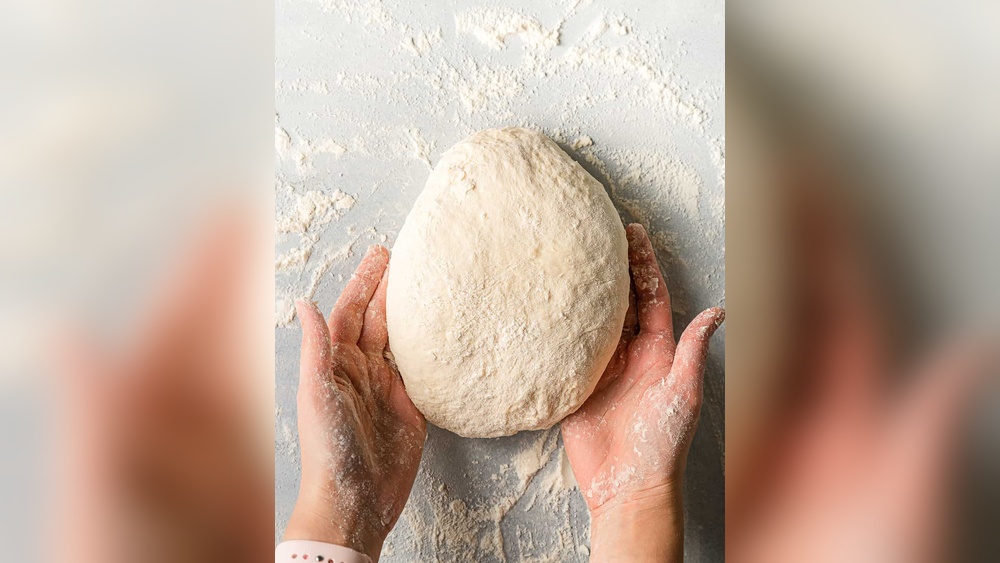
If you love pizza, you’ve probably wondered how to make the perfect crust that’s both delicious and good for your health. Cold fermented pizza dough might be the secret you’re missing.
This simple process not only enhances the flavor and texture of your pizza but can also offer surprising health benefits. By slowing down the fermentation in the fridge, you help break down the flour in a way that makes the dough easier to digest and more nutritious.
You’ll discover why cold fermented pizza dough could be a game-changer for your pizza nights and how it supports your digestive health without sacrificing taste. Ready to learn how to make your pizza better and healthier? Let’s dive in!

Credit: www.flippedoutfood.com
Cold Fermentation Basics
Cold fermentation is a slow process that improves pizza dough flavor and texture. It involves letting the dough rest in the refrigerator for several hours or days. This slow rise allows natural yeast and bacteria to develop more complex tastes. Many home cooks and pizza makers prefer this method for its health and taste benefits.
Keeping the dough cold slows down fermentation, giving it time to develop natural acids and enzymes. These help break down gluten and starches, making the dough easier to digest. Cold fermentation also creates a chewier crust with a nice airy crumb. Understanding the basics helps you make better, healthier pizza dough at home.
What Is Cold Fermentation
Cold fermentation means letting pizza dough rise slowly in the fridge. The cold temperature keeps yeast activity low but steady. This slow process helps develop flavors that do not form in quick rises. It usually takes from 24 to 72 hours.
During this time, enzymes break down some proteins and starches. This makes the dough easier on the stomach. The dough also gains a richer taste and better texture. Cold fermentation is popular in artisan pizza making for these reasons.
How It Differs From Traditional Dough
Traditional dough rises at room temperature for one to two hours. This fast rise means yeast works quickly, creating a simple flavor. The dough may lack depth and complexity. It also can be harder to digest for some people.
Cold fermented dough rises slowly and develops natural acids and flavors. It often tastes better and feels lighter on the stomach. The gluten structure also changes, making the dough easier to stretch and shape. Cold fermentation requires planning but delivers higher quality dough.

Credit: www.jacobsonpizza.com
Health Benefits
Cold fermented pizza dough offers more than just great taste and texture. It also brings several health benefits that make your pizza a smarter choice. The slow fermentation process changes the dough in ways that support digestion and nutrient use.
Improved Digestibility
Cold fermentation breaks down complex starches and gluten in the dough. This makes the pizza easier to digest for many people. The long, slow rise allows natural enzymes to work on the dough. It reduces bloating and discomfort after eating.
Lower Glycemic Impact
Cold fermented dough has a lower glycemic index than quick-rise dough. This means it causes a slower rise in blood sugar levels. A stable blood sugar level helps control hunger and energy dips. It is especially beneficial for those managing diabetes or insulin sensitivity.
Enhanced Nutrient Absorption
The fermentation process reduces phytic acid in the flour. Phytic acid can block the absorption of minerals like iron and zinc. By lowering phytic acid, the dough helps your body absorb more nutrients. This supports overall health and well-being.
Flavor And Texture Advantages
Cold fermented pizza dough offers unique flavor and texture benefits. The slow fermentation process allows natural enzymes and yeast to develop deeper flavors. This method also improves the dough’s structure, giving a better bite and feel. Many pizza lovers prefer cold fermented dough for these reasons.
Richer Taste Profiles
Cold fermentation creates complex flavors in the dough. The yeast breaks down sugars slowly, producing subtle tangy notes. This adds depth and character to the pizza base. The longer fermentation allows organic acids to develop naturally. It results in a slightly sour and aromatic taste. This flavor cannot be achieved with quick-rise dough.
Better Crust Texture
Cold fermented dough forms a crisp, airy crust with a chewy center. The gluten relaxes during the slow rise, making it easier to stretch. This process creates small gas bubbles that give a light, open crumb. The crust bakes evenly, producing a perfect balance of crunch and softness. This texture enhances the overall eating experience.
Fermentation And Yeast Activity
Fermentation plays a key role in the quality and health benefits of cold fermented pizza dough. This process involves yeast consuming sugars in the flour and releasing carbon dioxide and other compounds. The slow, cold fermentation enhances flavor and dough texture. It also changes the dough’s nutritional profile in positive ways.
Understanding yeast activity during cold fermentation helps explain these effects. Yeast reacts differently at low temperatures compared to warm ones. This section explores yeast behavior in cold conditions and its impact on dough rise and structure.
Yeast Behavior In Cold Conditions
Yeast grows slower in cold environments, typically between 33°F and 45°F (1°C to 7°C). This slow activity means fermentation lasts longer, often 24 to 72 hours. The extended fermentation allows enzymes to break down starches and proteins better.
Slow yeast action produces fewer gases quickly, but more complex flavors develop. The yeast also creates organic acids, which improve dough digestibility and reduce gluten intensity. Cold conditions keep yeast alive but calm, avoiding overproofing.
Impact On Dough Rise And Structure
Because yeast works slowly, dough rises gradually during cold fermentation. This leads to a finer crumb with well-formed air pockets. The dough’s gluten network strengthens over time, improving elasticity and chewiness.
Slow rise prevents large holes and creates a consistent texture. The dough becomes easier to shape and stretch without tearing. This structure supports better baking performance and a flavorful crust with a light bite.
Handling Cold Dough
Cold fermented pizza dough offers rich flavor and better texture. Handling this dough requires care because its cold temperature affects its flexibility. Understanding how to work with cold dough helps you shape perfect pizza bases without frustration.
The dough is firmer and less stretchy when cold. It needs gentle warming before shaping. Proper handling improves the dough’s rise and final crust quality.
Challenges Of Cold Dough
Cold dough has stiff gluten strands. This stiffness makes stretching harder and causes the dough to snap back. It resists forming a thin, even base, often leading to a smaller, thicker crust.
Cold dough also has less oven spring. The dough rises slower in the oven, which can affect the crust’s lightness and texture. Working with cold dough means you must adjust your technique.
Tips For Warming And Shaping
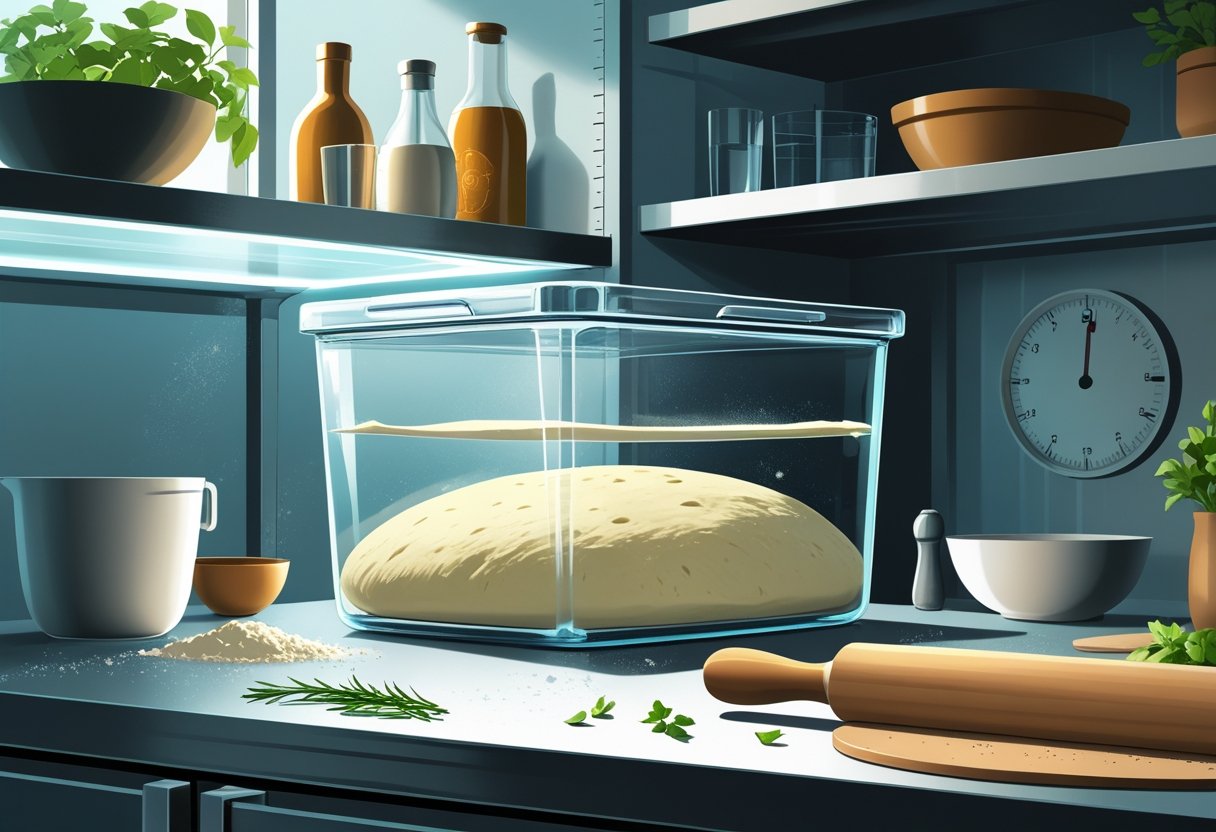
Remove the dough from the fridge at least 30 minutes before shaping. Let it warm on the counter to soften the gluten. Gently press and stretch the dough instead of pulling hard.
Use light flour dusting to prevent sticking. Avoid overworking the dough, as it can become tough. When the dough feels soft and springy, it is ready to shape and bake.
Credit: www.prepapizza.com
Safety Considerations
Cold fermented pizza dough offers a unique flavor and texture. It needs careful handling to keep it safe to eat. Understanding key safety aspects helps prevent food risks. Proper fermentation and storage are essential for health and quality.
Is Cold Fermented Dough Safe To Eat?
Cold fermentation uses low temperatures to slow yeast activity. This process reduces harmful bacteria growth. The dough stays safe if kept below 40°F (4°C). Use clean utensils and containers to avoid contamination.
Fermentation time usually ranges from 24 to 72 hours. Longer times may increase risk if the dough is not refrigerated. Always check for unusual smells or colors. A sour smell or mold means the dough is unsafe.
Avoiding Over-fermentation
Over-fermentation causes dough to become too acidic and weak. This can affect taste and safety. Keep fermentation times within recommended limits. Store dough properly in airtight containers at cold temperatures.
Over-fermented dough may develop off-flavors and poor texture. It can also be harder to work with. Watch for bubbles that are too large or dough that collapses. These signs show fermentation went too far.
Fermentation Duration
Fermentation duration plays a crucial role in cold fermented pizza dough health. The length of fermentation influences flavor, texture, and digestibility. It also affects the dough’s nutritional benefits. Understanding the right fermentation time helps achieve a balance between taste and health advantages.
Optimal Cold Fermentation Time
The ideal cold fermentation lasts between 24 to 72 hours. During this time, natural yeast and bacteria slowly break down gluten and starches. This process improves dough digestibility and reduces bloating. It also enhances flavor complexity without developing sourness.
Shorter fermentation under 24 hours may not allow full nutrient release. Longer fermentation over 72 hours risks over-acidification. The dough might become overly tangy and lose its soft texture.
Effects Of Prolonged Fermentation
Prolonged fermentation beyond 72 hours changes dough chemistry significantly. The dough becomes more acidic as lactic acid builds up. This can cause a sharp taste that some find unpleasant. It may also weaken gluten structure, making dough sticky and hard to handle.
Extended fermentation may increase some antioxidants and vitamins, but it can reduce overall dough strength. Over-fermented dough can rise less effectively in the oven. It may result in denser, less airy pizza crusts.
Using Cold Dough In Baking
Using cold dough in baking changes the way pizza crust turns out. Cold dough comes straight from the fridge. It is firm and less stretchy than room-temperature dough. This firmness can affect how easily the dough shapes and how it bakes. Understanding how to work with cold dough helps create better pizza crusts.
When Cold Dough Works Best
Cold dough works well for dough with high water content. These doughs are sticky and soft at room temperature. Cooling makes them easier to handle and shape. Cold dough also suits quick baking plans. If you need pizza soon, using cold dough saves time. It limits over-proofing and keeps the flavor mild.
Adjusting Techniques For Better Results
Let cold dough sit out before baking. Warming it for 20 to 30 minutes softens gluten. This helps stretch the dough without snapping back. Use gentle hands to shape the dough. Avoid pressing too hard, which can squeeze out air bubbles. A softer dough creates a lighter, airier crust. Baking at a high temperature helps cold dough rise quickly. This creates a crispy outside and chewy inside.
Cold Fermentation And Digestion
Cold fermentation changes pizza dough in ways that help digestion. This slow process allows natural enzymes to work on the dough. These enzymes break down complex compounds. The result is a lighter, easier-to-digest crust. Many people find cold-fermented pizza less heavy on the stomach. It also may reduce bloating and discomfort after eating.
Enzyme Activity During Fermentation
During cold fermentation, enzymes in the flour become active. They slowly break down starches and proteins. This process makes the dough softer and more flavorful. The enzymes also reduce some substances that can cause digestive issues. For example, phytates, which block nutrient absorption, decrease. The slow fermentation lets enzymes work longer, improving dough quality.
Benefits For Gut Health
Cold-fermented dough may help gut bacteria thrive. The fermentation process produces small amounts of beneficial acids. These acids support healthy gut flora balance. Eating this dough can aid digestion and nutrient absorption. It may also lower the risk of gut discomfort. This is especially helpful for people sensitive to regular bread.
Frequently Asked Questions
Is Cold Fermented Pizza Dough Better?
Cold fermented pizza dough develops richer flavor, better texture, and improved digestibility through slow yeast activity in the fridge.
Is It Safe To Eat Fermented Pizza Dough?
Yes, fermented pizza dough is safe to eat if stored properly and shows no signs of spoilage. It enhances flavor and digestibility.
Is It Okay To Use Cold Pizza Dough?
Yes, you can use cold pizza dough, but warming it first improves stretchability and oven rise. Cold dough is stiff and harder to shape.
Can You Cold Ferment Pizza Dough For Too Long?
Yes, cold fermenting pizza dough too long can over-ferment it, causing a sour taste and weakened gluten structure.
Conclusion
Cold fermented pizza dough offers health benefits and richer flavor. It improves digestion by breaking down gluten and sugars. The slow fermentation also creates beneficial bacteria for your gut. This dough type uses fewer additives, making it a cleaner choice.
Remember to warm the dough before baking for better texture. Enjoy homemade pizza that tastes great and supports your health. Give cold fermented dough a try and notice the difference yourself.

As the author of the “Ultimate Pizza Guide: Recipes, Tips & Secrets Revealed,” I’m dedicated to sharing my love for pizza and empowering others to create delicious homemade pizzas with ease. Join me on a journey to uncover the secrets to perfecting your pizza game!