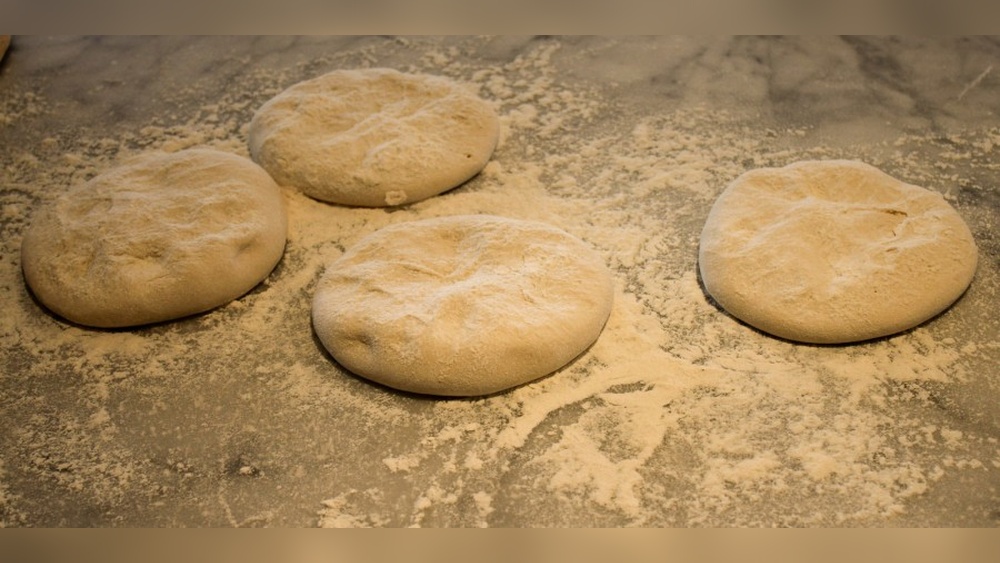
Have you ever wondered if the pizza dough you enjoy could actually be good for your health? Fermented pizza dough is not just a culinary trend—it offers real health benefits that might surprise you.
By allowing the dough to ferment slowly, natural processes break down gluten and starches, making your pizza easier to digest and gentler on your blood sugar levels. Imagine savoring a delicious, flavorful crust that supports your gut health and keeps you feeling light instead of bloated.
You’ll discover why choosing fermented pizza dough can be a smarter and tastier choice for your body—and how you can make the most of its benefits every time you bake or order your favorite slice. Keep reading to unlock the secrets behind this healthier pizza option!
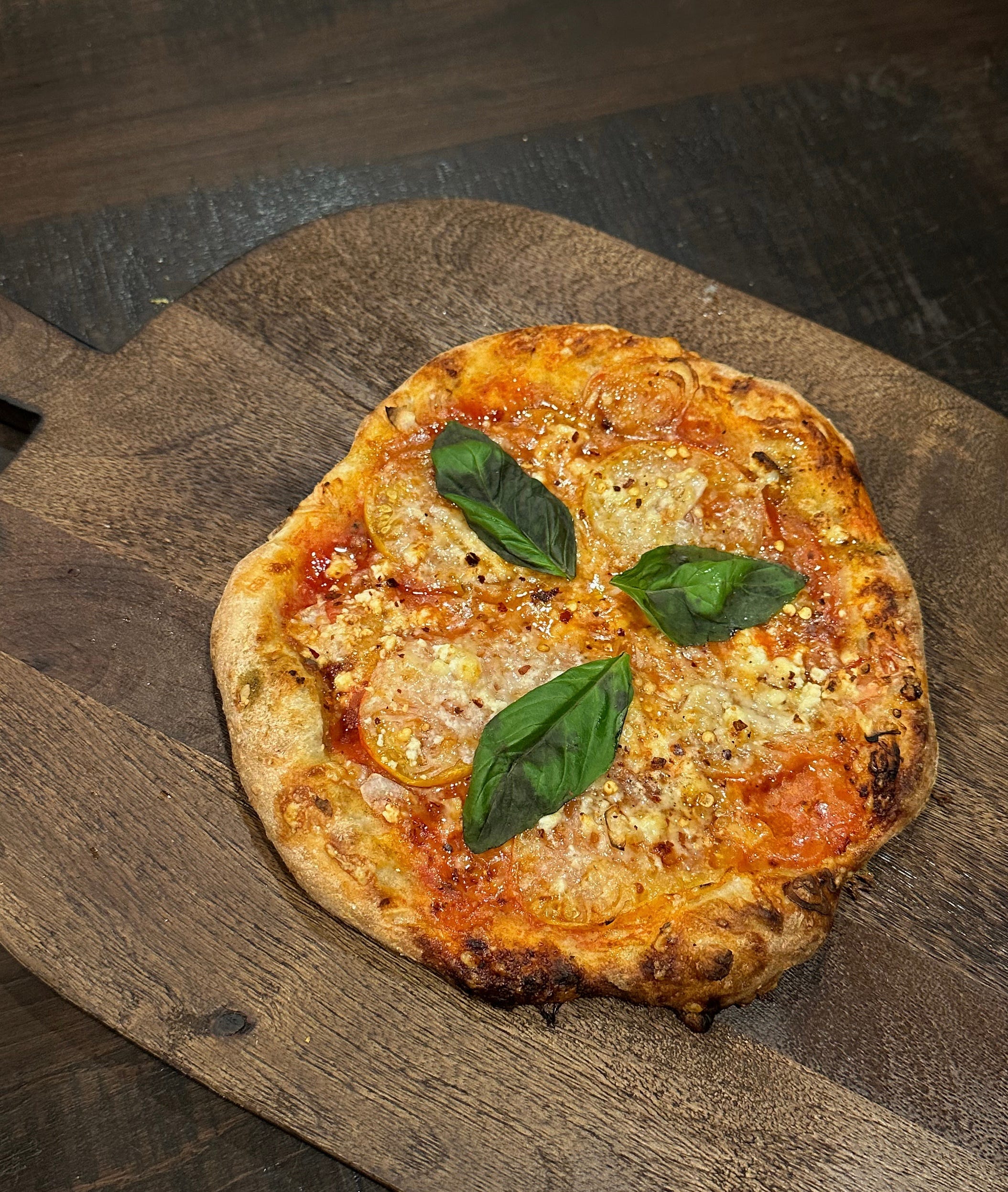
Credit: stephrobinnson.substack.com
Health Benefits Of Fermented Dough
Fermented pizza dough offers several health advantages compared to regular dough. The natural fermentation process uses beneficial bacteria and yeast to break down the dough’s components. This breakdown improves digestion and nutrient availability. It also creates a richer flavor without needing extra salt or additives. Many people find fermented dough easier on their stomachs and enjoy its lighter texture.
Improved Digestibility
Fermentation breaks down complex carbohydrates and proteins. This makes the dough easier to digest. It reduces bloating and stomach discomfort for many people. The natural enzymes created during fermentation help your body process the dough better.
Lower Glycemic Impact
Slow fermentation lowers the dough’s glycemic index. This means sugar enters the bloodstream more slowly. It helps avoid sudden blood sugar spikes. This effect supports better energy levels and may benefit people with blood sugar concerns.
Enhanced Nutrient Absorption
Fermentation reduces phytic acid, a natural compound that blocks minerals. Lower phytic acid lets your body absorb more iron, zinc, and magnesium. These minerals are important for overall health and energy. Better absorption means your body gets more from each bite.
Reduced Gluten Content
The fermentation process partially breaks down gluten proteins. This can make the dough easier to tolerate for some with mild gluten sensitivity. It is not safe for those with celiac disease, but many find relief from bloating or discomfort.
Increased Antioxidants
Fermented dough contains more antioxidants than regular dough. Antioxidants help protect cells from damage. They support the immune system and reduce inflammation. This makes fermented dough a healthier choice overall.
Natural Flavor Development
Fermentation creates complex, tangy flavors naturally. This reduces the need for extra salt or artificial flavorings. The dough tastes richer and more satisfying. It adds depth to your pizza without unhealthy additives.

Credit: atomebakery.com
Fermentation And Digestive Health
Fermented pizza dough offers more than just great taste. The fermentation process improves digestive health in several ways. It changes the dough’s structure, making it easier on your stomach. This natural process helps your body handle the carbs and gluten better. Eating fermented dough can reduce digestive issues and support overall gut wellness.
Breaking Down Complex Carbs
Fermentation breaks down complex carbohydrates into simpler sugars. These are easier for your digestive system to absorb. This reduces the workload on your stomach and intestines. The process also lowers the dough’s glycemic index, helping to keep blood sugar levels stable. Simpler carbs mean less chance of digestive discomfort after eating pizza.
Supporting Gut Microbiome
Fermented dough contains beneficial bacteria from the natural yeast and fermentation process. These bacteria act as probiotics, feeding the good microbes in your gut. A healthy gut microbiome aids digestion and strengthens your immune system. Eating fermented foods like this dough can promote a balanced and diverse gut flora.
Reducing Bloating And Discomfort
Fermentation reduces gluten and certain starches that cause bloating. It “pre-digests” these components, making them less likely to irritate your gut. Many people find fermented pizza dough easier to digest than regular dough. This means less gas, bloating, and stomach pain after enjoying your favorite slice.
Optimizing Fermentation For Health
Optimizing fermentation enhances the health benefits of pizza dough. The fermentation process breaks down gluten and starches. This makes the dough easier to digest and gentler on the stomach. Proper fermentation also lowers the dough’s glycemic index. This means it releases sugar slowly, avoiding blood sugar spikes. Adjusting fermentation methods boosts nutrients and flavor in every bite.
Choosing Long Fermentation Times
Long fermentation allows natural enzymes to work fully. It breaks down gluten and starches more completely. This reduces bloating and digestive discomfort. The dough becomes lighter and more flavorful. A slow, cold fermentation of 24 to 72 hours is ideal. It increases nutrient absorption and lowers the glycemic impact. Patience in fermentation improves both taste and health.
Temperature And Environment Effects
Temperature controls how fast fermentation happens. Cooler temperatures slow yeast activity, allowing better flavor development. Warmer environments speed fermentation but can reduce health benefits. Keeping dough in a cool place helps preserve nutrients. Humidity levels also influence fermentation quality. A stable, cool environment supports optimal enzyme activity and dough texture.
Using Natural Starters
Natural starters like sourdough contain beneficial bacteria and wild yeast. These microbes improve dough digestibility and nutrient release. They help reduce anti-nutrients such as phytic acid. Natural starters create complex flavors without additives. Using them makes pizza dough healthier and more gut-friendly. They also support balanced fermentation and better crust texture.
Pairing With Nutritious Toppings
Pairing fermented pizza dough with nutritious toppings boosts the overall health benefits of your meal. Choosing fresh, wholesome ingredients enhances flavor and nutrient intake. This approach supports digestion and provides essential vitamins and minerals. Careful selection of toppings creates a balanced, satisfying pizza that nourishes your body.
Fresh Vegetables And Herbs
Fresh vegetables add fiber, vitamins, and antioxidants to your pizza. Tomatoes, spinach, bell peppers, and mushrooms offer vibrant colors and natural nutrients. Herbs like basil, oregano, and rosemary bring flavor without extra calories. These plant-based toppings help reduce inflammation and support immune health.
Lean Protein Options
Lean proteins provide essential amino acids for muscle repair and energy. Grilled chicken, turkey, or seafood are excellent choices. Plant-based proteins like beans or tofu also work well. These options avoid excess fat and promote heart health while keeping your pizza light.
Limiting Processed Ingredients
Processed meats and heavy cheeses can add unhealthy fats and sodium. Limiting pepperoni, sausage, and extra cheese reduces these risks. Focus on natural, less processed toppings to maintain the health benefits of fermented dough. This keeps your pizza wholesome and better for digestion.
Fermented Dough Vs Traditional Dough
Fermented pizza dough differs significantly from traditional dough in health and taste. The slow fermentation process changes the dough’s makeup, offering distinct benefits. This section compares fermented dough to traditional dough in nutrient content, blood sugar effects, and flavor.
Differences In Nutrient Profiles
Fermented dough contains more accessible nutrients than traditional dough. Fermentation breaks down phytic acid, which blocks mineral absorption. This allows the body to absorb more iron, zinc, and magnesium. Traditional dough retains more anti-nutrients, limiting mineral uptake. Fermentation also increases antioxidants, supporting overall health.
Impact On Blood Sugar Levels
Fermented dough has a lower glycemic index than traditional dough. The slow fermentation breaks down starches into simpler sugars gradually. This process slows glucose release into the blood. Traditional dough causes quicker blood sugar spikes due to rapid starch digestion. Lower spikes can support better energy and reduce insulin stress.
Flavor And Texture Comparison
Fermented dough offers a richer, tangy flavor compared to traditional dough. The natural acids and yeast create complex tastes during fermentation. This dough also bakes into a lighter, airier crust with a crisp edge. Traditional dough tends to be denser and less flavorful. Many prefer fermented dough for its superior texture and taste.
Common Myths About Fermented Pizza Dough
Fermented pizza dough has gained popularity due to its health benefits. Yet, many myths surround this traditional baking method. These myths often confuse people about the fermentation process and its effects on health. Clearing up these misunderstandings helps you enjoy your pizza without worry.
Is Longer Fermentation Always Better?
Many believe that longer fermentation always improves dough health. Longer fermentation does break down more gluten and starches. But too long can lead to over-fermentation. This may cause a sour taste and weaker dough structure. Ideal fermentation depends on temperature, flour type, and recipe. Balance is key for both flavor and digestibility.
Gluten Sensitivity And Fermentation
Fermentation reduces gluten but does not remove it completely. People with celiac disease must avoid all gluten, even in fermented dough. Those with mild gluten sensitivity might find fermented dough easier to digest. Fermentation breaks down some gluten proteins, easing gut discomfort. Still, it is not a cure for gluten intolerance.
Salt Content Considerations
Some think fermented dough always has less salt. Salt controls yeast activity and dough flavor. Reducing salt too much can affect fermentation and dough texture. Using moderate salt keeps dough healthy and tasty. Watch for extra salt in toppings and sauces to keep pizza balanced.
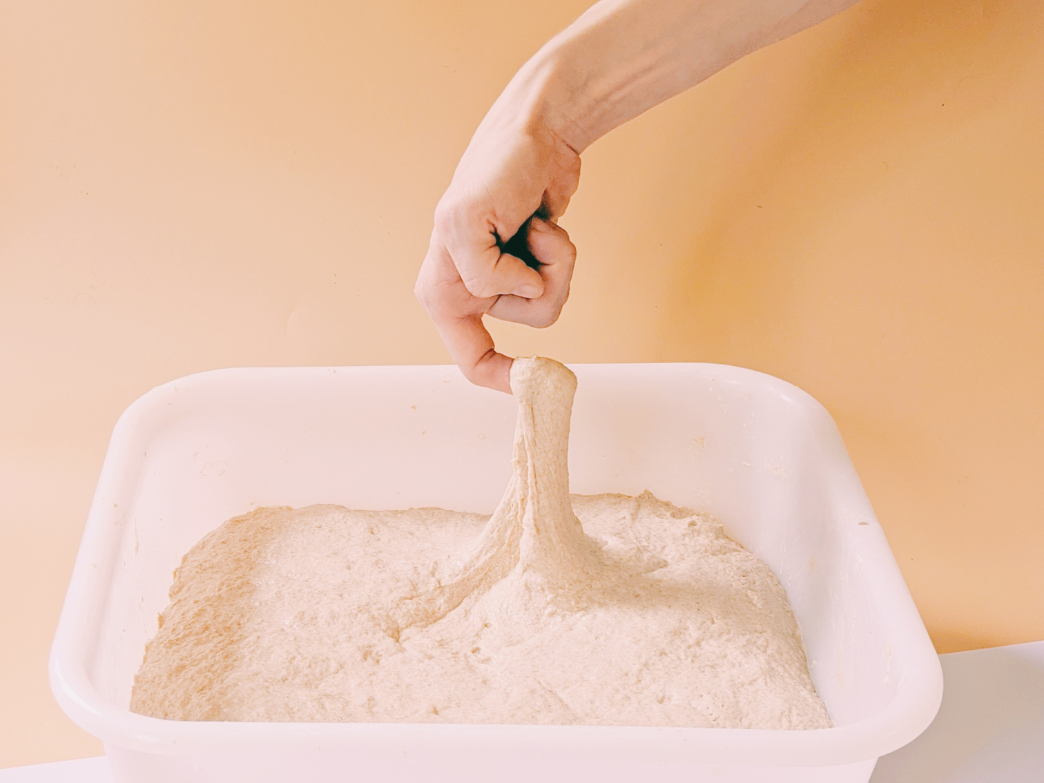
Credit: wildgrain.com
Frequently Asked Questions
Is Fermented Pizza Dough Healthy?
Fermented pizza dough improves digestion by breaking down gluten and starches. It lowers glycemic response, boosts nutrient absorption, and enhances flavor. This makes it a healthier choice than standard dough for many people.
Is Fermented Dough Good For Health?
Fermented dough improves digestion by breaking down gluten and starches. It lowers blood sugar spikes and enhances nutrient absorption. It also supports gut health and creates richer flavors. This makes fermented dough a healthier choice than standard dough for many people.
What Are The Benefits Of Fermenting Pizza Dough?
Fermenting pizza dough improves digestibility by breaking down gluten and starches. It enhances flavor, reduces bloating, lowers glycemic impact, and increases nutrient absorption. This process creates a lighter, tangier crust that supports better gut health and may be easier for those with mild gluten sensitivity.
What Is The Healthiest Type Of Pizza Dough?
The healthiest pizza dough is fermented dough. Fermentation improves digestibility, lowers glycemic impact, enhances nutrient absorption, and reduces gluten sensitivity. This process creates a flavorful, lighter crust that supports better gut health and offers more antioxidants than standard dough. Choose long fermentation for maximum benefits.
Conclusion
Fermented pizza dough offers several health benefits worth trying. It helps your body digest pizza more easily and prevents blood sugar spikes. The fermentation process increases nutrient absorption and adds natural antioxidants. This dough also has a richer, tangy flavor without needing too much salt.
Choosing long fermentation and fresh toppings makes your pizza even healthier. Eating fermented dough pizza supports better gut health and overall wellness. Give it a chance for a tasty, gentle meal your body will thank you for.

As the author of the “Ultimate Pizza Guide: Recipes, Tips & Secrets Revealed,” I’m dedicated to sharing my love for pizza and empowering others to create delicious homemade pizzas with ease. Join me on a journey to uncover the secrets to perfecting your pizza game!