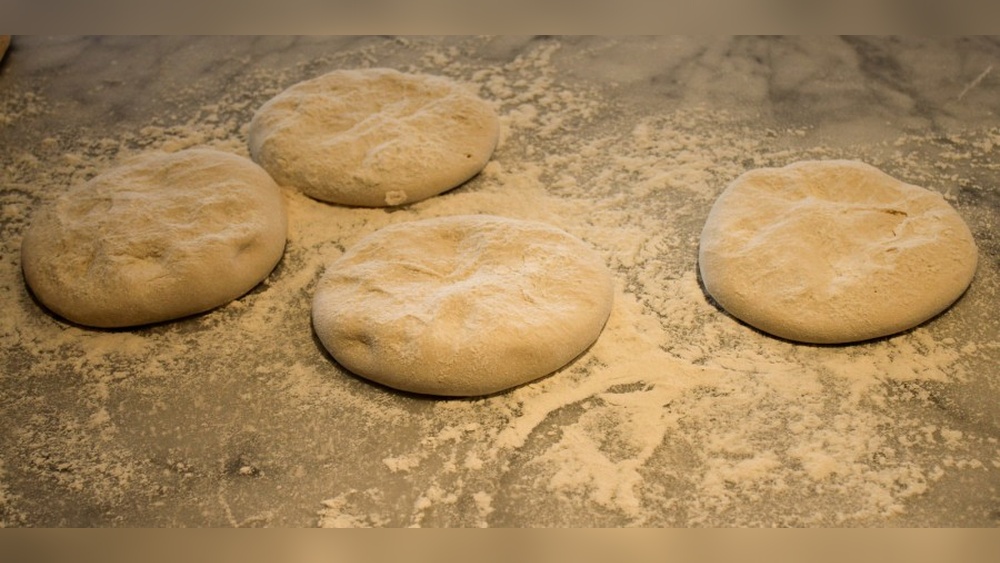
“Pizza Dough Fermentation Benefits”
Have you ever wondered why some pizzas taste so much better than others? The secret often lies in the fermentation of the pizza dough.
Fermenting your dough isn’t just a step in the recipe—it’s a game-changer that transforms the texture, flavor, and even the health benefits of your pizza. When you let your dough ferment, you unlock richer, deeper flavors and create a crust that’s both crispy and airy.
Plus, fermentation helps break down complex ingredients, making your pizza easier to digest and gentler on your blood sugar. If you want to take your homemade pizza to the next level, understanding the benefits of pizza dough fermentation is a must. Keep reading to discover how this simple process can revolutionize your pizza experience.
Fermentation And Dough Texture
Fermentation plays a vital role in shaping the texture of pizza dough. It changes the dough’s structure and feel, making it more enjoyable to work with and eat. This natural process allows the dough to develop qualities that affect how it stretches, bakes, and tastes. Understanding these effects helps in making better pizza dough at home or in a professional kitchen.
Extensibility And Stretchability
Fermentation improves the dough’s extensibility, meaning it can stretch more without tearing. Yeast and bacteria produce gases that create tiny bubbles inside the dough. These bubbles make the dough lighter and more flexible. As a result, the dough stretches easily, which is key for shaping the pizza base. This quality helps avoid holes or breaks while spreading the dough thin.
Impact On Crust Crispiness
The fermentation process also affects the crust’s crispiness. As the dough ferments, it develops organic acids and alcohol. These by-products change the dough’s surface and how it reacts to heat. A well-fermented dough bakes into a crust that is crisp on the outside yet soft inside. This balance is what many pizza lovers seek in every bite.
Hydration And Dough Handling
Fermentation influences dough hydration, making it easier to handle. The enzymes break down starches and proteins, allowing the dough to absorb water better. This results in a softer and less sticky dough. Bakers find it simpler to knead and shape fermented dough. Proper hydration during fermentation ensures a smooth texture and consistent baking results.

Credit: leopardcrustpizza.com
Flavor Development
Fermentation plays a key role in shaping pizza dough’s flavor. It transforms simple ingredients into a complex taste experience. The yeast and bacteria break down sugars and starches, producing flavorful compounds. This process makes the crust more aromatic and rich.
Longer fermentation often results in deeper, more interesting flavors. The dough gains subtle sour notes and a slight sweetness. These flavors enhance the overall pizza, making each bite more enjoyable.
Organic Acids And Alcohols
During fermentation, yeast and bacteria create organic acids like lactic and acetic acid. These acids add mild tanginess to the dough. Alcohols such as ethanol also form, contributing to flavor and aroma.
These compounds balance the dough’s sweetness. They give the crust a pleasant complexity. The acids improve the dough’s texture by strengthening gluten. This balance leads to a crust with better taste and mouthfeel.
Complex Aroma Formation
Fermentation produces many aroma compounds in the dough. These include esters, aldehydes, and ketones. They create fruity, nutty, and floral scents.
This aroma complexity makes the pizza smell inviting. It stimulates appetite and enhances the eating experience. Freshly baked pizza with fermented dough has a richer, more layered smell.
Effects Of Fermentation Duration
Short fermentation yields mild flavor and a soft crust. Longer fermentation deepens flavor and firms the texture. Cold fermentation slows yeast activity, allowing flavors to develop slowly over time.
Extended fermentation also improves dough digestibility. It breaks down gluten and starches. Finding the right fermentation time depends on desired taste and texture. Many pizza makers prefer 24 to 72 hours for best results.
Health Advantages
Fermenting pizza dough offers several health advantages beyond taste and texture. The natural process breaks down ingredients in ways that benefit your body. This section explores key health benefits of fermented pizza dough.
Lower Glycemic Index
Fermentation reduces the glycemic index of pizza dough. This means it causes slower sugar release into the bloodstream. Slower sugar release helps maintain steady blood sugar levels. It is especially good for people managing diabetes or blood sugar issues. A lower glycemic index supports longer-lasting energy without spikes or crashes.
Digestibility Improvements
Fermentation breaks down gluten and starches in the dough. This makes the pizza easier to digest for many people. It can reduce bloating and stomach discomfort after eating. The process also lessens anti-nutrients like phytic acid. These changes improve nutrient absorption from the pizza. Overall, fermented dough is gentler on the digestive system.
Probiotic Potential And Nutrients
Fermented dough contains beneficial bacteria before baking. These bacteria can support gut health and immunity. Though baking kills most live probiotics, some beneficial compounds remain. Fermentation increases vitamins like B vitamins and antioxidants. These nutrients contribute to overall health and wellness. Eating fermented dough adds more than just flavor to your meal.
Fermentation Techniques
Fermentation plays a crucial role in developing the texture and flavor of pizza dough. Different fermentation techniques influence the dough’s rise, taste, and workability. Understanding these methods helps create a better pizza crust. Below are key points about common fermentation approaches.
Cold Vs. Room Temperature Fermentation
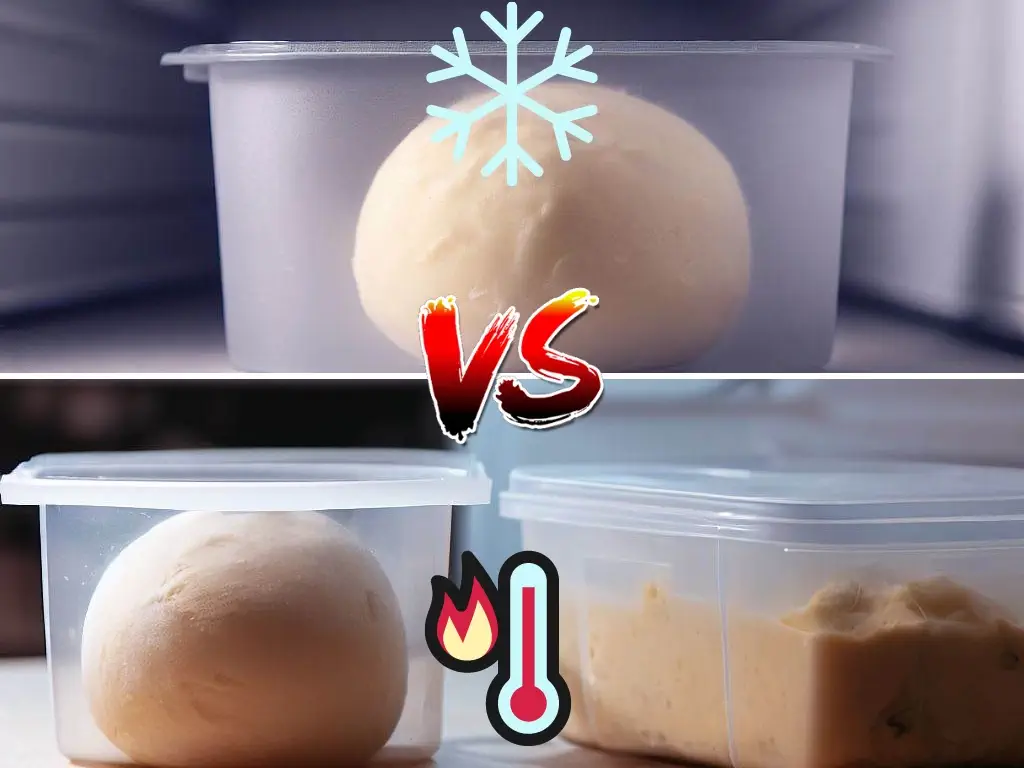
Cold fermentation happens in the refrigerator at about 4°C (39°F). It slows yeast activity, allowing flavors to develop over 24 to 72 hours. This method produces a complex, tangy taste and a chewier crust. Room temperature fermentation occurs at 20-25°C (68-77°F). It speeds up yeast action, usually finishing in 1 to 4 hours. The dough rises faster but has a milder flavor. Choose cold fermentation for deeper taste. Use room temperature for quick preparation.
Optimal Time Frames
The fermentation time depends on temperature and recipe. Cold fermentation usually lasts 24 to 72 hours. Longer times create stronger flavors and better texture. Room temperature fermentation takes about 1 to 4 hours. Over-fermenting can cause the dough to collapse and lose structure. Check the dough’s size and feel. It should be soft and slightly puffy. Adjust timing to match your baking schedule and taste preference.
Yeast And Flour Ratios
The amount of yeast affects fermentation speed and dough rise. Typical yeast use ranges from 0.1% to 2% of flour weight. Less yeast suits longer fermentation and slow flavor development. More yeast suits shorter fermentation but may reduce flavor depth. Flour type also matters. High-protein flours support gluten formation and better gas retention. Use strong bread flour or 00 flour for pizza dough. Balance yeast and flour to get the right rise and texture.
Tips For Perfect Fermented Dough
Perfect fermented dough is key for a delicious pizza crust. It requires attention to detail and patience. Small adjustments during fermentation impact the dough’s texture and flavor. Follow these tips to get the best results from your pizza dough fermentation.
Managing Fermentation Process
Keep an eye on the dough as it ferments. The yeast consumes sugars and produces gases that make the dough rise. Avoid over-fermentation because it can weaken gluten and cause a sour taste. Under-fermentation leaves the dough dense and flat. Check the dough regularly and look for slight puffiness and bubbles. This means the dough is ready for baking or shaping.
Temperature Control
Temperature affects fermentation speed and dough quality. Warmer temperatures speed up yeast activity but reduce flavor development. Cooler temperatures slow fermentation and enhance flavor. Ideal room temperature is around 70°F (21°C). For longer fermentation, use the refrigerator at 38-42°F (3-6°C). Always bring cold dough back to room temperature before shaping.
Dough Handling And Kneading
Handle the dough gently to keep air bubbles inside. Kneading develops gluten, giving the dough strength and elasticity. Use a folding technique instead of aggressive kneading for fermented dough. Over-kneading can break down the gluten structure and cause a tough crust. Let the dough rest between folds to relax the gluten and improve texture.

Credit: homecookingcollective.com
Authentic Styles And Fermentation
Fermentation shapes the soul of authentic pizza dough. It creates texture and flavor unique to each style. Traditional methods rely on time and natural yeast activity. This process transforms simple ingredients into a fragrant, airy crust. Understanding fermentation helps appreciate regional pizza styles and their distinct qualities.
Neapolitan Dough Traditions
Neapolitan pizza dough uses a slow, natural fermentation. It often ferments for 8 to 24 hours at room temperature. This allows the yeast to develop a mild, tangy flavor. The dough stays soft and elastic, perfect for hand-stretching.
Only basic ingredients appear in Neapolitan dough: flour, water, salt, and yeast. No fats or sugars alter the fermentation. The result is a light, tender crust with a slight chewiness. This tradition respects the simplicity and purity of the recipe.
Regional Variations
Different Italian regions vary fermentation times and techniques. Some use cold fermentation, slowing yeast activity over days. Others prefer warmer, faster fermentation to speed the process. These choices affect dough flavor, texture, and rise.
For example, Roman-style dough ferments longer and often includes olive oil. It yields a crispier, thinner crust. Sicilian pizza dough is thicker, with a softer crumb from extended fermentation. Each region’s method creates a unique eating experience.
Balancing Fermentation And Baking
Proper fermentation must balance with baking temperature and time. Over-fermented dough can become too sour or weak. Under-fermented dough lacks flavor and structure. Monitoring fermentation ensures the dough stretches well and browns evenly.
Baking hot and fast preserves the dough’s airy texture. It locks in the flavors formed during fermentation. A well-fermented dough bakes into a crust that is crisp outside and tender inside. This balance defines authentic, delicious pizza.
Credit: www.pizzablab.com
Frequently Asked Questions
What Are The Benefits Of Fermenting Pizza Dough?
Fermenting pizza dough enhances flavor by developing organic acids and alcohol. It improves texture, making dough easier to stretch and creating a crispier crust. Fermentation also breaks down carbohydrates, aiding digestion and lowering the glycemic index for healthier pizza.
Is Fermented Pizza Dough Healthy?
Fermented pizza dough improves digestion by breaking down carbohydrates and lowering glycemic index. It enhances flavor and texture naturally.
Should You Ferment Your Pizza Dough?
Fermenting pizza dough improves flavor, texture, and digestibility. It creates a light, airy crust and enhances stretchability. Cold fermentation deepens taste and reduces dough stickiness.
What Is The 55 Rule For Pizza Dough?
The 55 rule for pizza dough means using 55% hydration—55 grams of water per 100 grams of flour. It creates a balanced, easy-to-handle dough with a crisp crust.
Conclusion
Fermenting pizza dough brings many benefits. It makes the dough easier to stretch and shape. The flavor becomes richer and more complex. Fermentation also helps create a light, airy crust. This process breaks down sugars, which can aid digestion. A well-fermented dough often bakes crispier and tastes fresher.
Taking time to ferment improves the overall pizza experience. Try it and enjoy better texture and flavor in every bite.

As the author of the “Ultimate Pizza Guide: Recipes, Tips & Secrets Revealed,” I’m dedicated to sharing my love for pizza and empowering others to create delicious homemade pizzas with ease. Join me on a journey to uncover the secrets to perfecting your pizza game!