Craving pizza but want to skip the oil? You’re not alone.
Whether you’re aiming for a healthier lifestyle, managing dietary restrictions, or simply curious about new cooking methods, oil-free pizza dough is a game changer. Imagine biting into a crispy, tender crust made with just simple ingredients—flour, water, yeast, and a pinch of salt—without sacrificing flavor or texture.
You’ll discover easy, effective oil-free dough options that anyone can master at home. Ready to transform your pizza nights and impress your taste buds? Keep reading and unlock the secrets to delicious, oil-free pizza dough that’s perfect for you.
Credit: www.forksoverknives.com
Oil-free Dough Basics
Making pizza dough without oil is simple and healthy. This method uses basic ingredients and easy steps. The dough can still be soft or crispy, depending on how you bake it. Understanding oil-free dough basics helps you create delicious pizza crusts that suit your taste and diet.
Key Ingredients
Use all-purpose or whole wheat flour for the base. Warm water activates the yeast and helps the dough rise. Salt adds flavor and controls yeast growth. A small amount of sugar feeds the yeast and speeds up fermentation. No oil is needed, but some recipes add applesauce or yogurt for extra moisture.
Simple Preparation
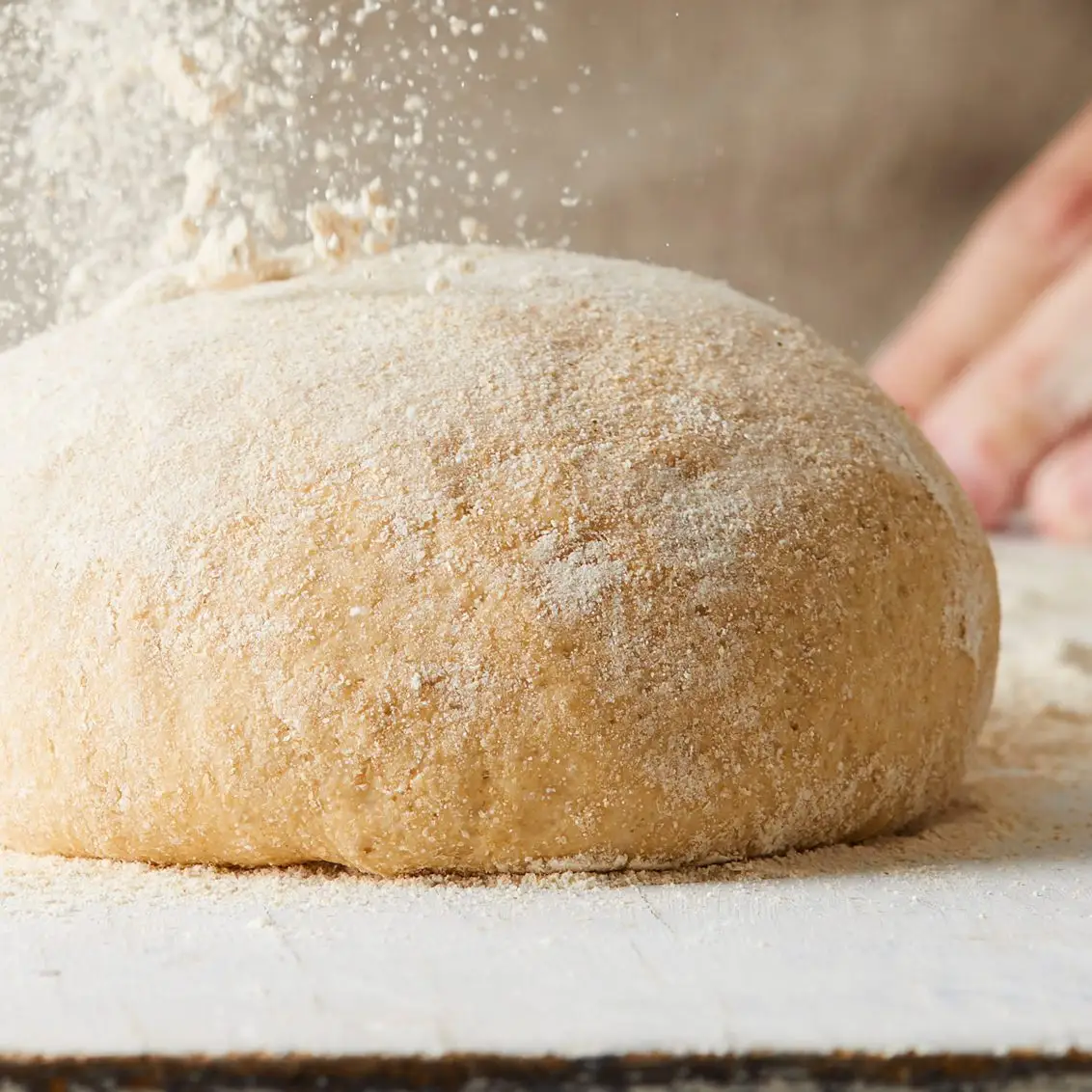
Start by mixing yeast with warm water and a pinch of sugar. Let it sit until bubbly, about 5-10 minutes. Combine flour and salt in a bowl, then add the yeast mixture. Knead the dough on a clean surface until smooth and elastic. Cover and let it rise for 1-2 hours until doubled in size. This process builds gluten and develops flavor without oil.
Classic Crust Texture
Oil-free dough creates a crust that is light and tender. The crust can be crispy if baked at high heat. Proper hydration keeps the dough from drying out. Longer fermentation improves taste and texture. The result is a simple, natural pizza crust with a clean flavor and pleasant chewiness.

Credit: www.youtube.com
Adding Moisture Without Oil
Moisture plays a key role in making pizza dough soft and easy to work with. Without oil, adding the right moisture helps keep the dough from drying out. Several simple ingredients can add moisture without changing the flavor or texture too much. These options are great for those avoiding oil for health or dietary reasons.
Choosing the right moisture source keeps the dough tender and smooth. It also helps the dough rise better and bake evenly. Below are some effective ways to add moisture without oil in your pizza dough recipes.
Using Applesauce
Applesauce is a natural, oil-free way to add moisture. It blends well with flour and water. The mild sweetness of applesauce can slightly enhance dough flavor.
This ingredient helps keep the dough soft while adding some natural sugars. These sugars help yeast activate and improve the rise. Use unsweetened applesauce to avoid extra sugar in your dough.
Replace oil with an equal amount of applesauce for similar moisture. The dough becomes easy to handle and less sticky.
Dairy-free Yogurt Options
Dairy-free yogurt adds moisture and a slight tang to the dough. It improves dough softness and elasticity. Choose plain, unsweetened yogurt made from coconut, almond, or soy.
The yogurt’s natural fats and proteins help create a tender crust. It also provides a boost to yeast activity, helping dough rise better. Use about the same amount as you would oil.
This option works well for those avoiding dairy or seeking a plant-based pizza dough.
Effects On Dough Consistency
Adding moisture without oil changes dough texture slightly. Dough may feel stickier or softer at first. It requires gentle kneading and possibly a little extra flour.
Moisture from applesauce or yogurt helps dough stay pliable during shaping. It also prevents cracking or dryness after baking.
Watch the dough carefully while mixing. Adjust water or flour amounts as needed for the right consistency. The final crust will be tender and flavorful without added oil.
Yeast-free Oil-free Dough
Yeast-free oil-free dough offers a simple, quick alternative to traditional pizza crusts. This dough skips yeast and oil, focusing on basic ingredients for a lighter pizza base. Ideal for those with yeast sensitivities or who want to avoid oil, it uses other methods to create rise and texture. The result is a versatile dough that bakes quickly and works well with many toppings.
Alternative Leavening Methods
Baking soda and baking powder replace yeast in this dough. These ingredients create bubbles that make the dough rise. They work instantly, so no long waiting time is needed. Some recipes use vinegar or lemon juice to activate the leavening agents. These methods help achieve a soft, airy crust without yeast or oil.
Quick Dough Recipes
Yeast-free oil-free doughs often use flour, water, salt, and baking powder. Mix ingredients and knead briefly for a smooth dough. Roll out immediately and bake right away. This saves time and effort. These recipes are perfect for last-minute pizza cravings. They are easy to prepare and require no proofing time.
Texture And Flavor Profiles
The texture of yeast-free oil-free dough tends to be tender yet slightly denser than yeast dough. It has a mild, neutral flavor that pairs well with bold toppings. The crust can be crisp around the edges and soft inside. Adjusting hydration and baking time can change the crust’s chewiness. This dough suits those who prefer a straightforward, clean taste.
Tips For Perfect Oil-free Dough
Creating perfect oil-free pizza dough requires attention to key details. Without oil, the dough behaves differently. Focus on hydration, fermentation, and baking to get the best texture and flavor. These tips help you bake a delicious crust every time.
Hydration Levels
Water content affects dough texture and elasticity. Use enough water to make the dough soft but not sticky. Start with a hydration level around 60% (water weight compared to flour). Adjust slightly based on flour type and humidity. Higher hydration creates a lighter, airier crust. Lower hydration gives a denser, chewier texture.
Fermentation Time
Fermentation develops flavor and dough strength. Let the dough rise slowly at room temperature for 1 to 2 hours. For deeper flavor, refrigerate dough overnight. Cold fermentation slows yeast activity and improves texture. Avoid rushing the process to prevent bland dough. Proper fermentation also makes the dough easier to stretch.
Baking Temperature
High heat is key for crispy, well-cooked crust. Preheat your oven to at least 475°F (245°C). Use a pizza stone or steel to mimic a pizza oven’s intense heat. Bake the pizza quickly, 10 to 15 minutes, until the crust is golden and crisp. Lower temperatures lead to a softer, less crispy base.
Whole Wheat And Gluten-free Options
Exploring whole wheat and gluten-free options for oil-free pizza dough opens up healthier and allergy-friendly choices. These alternatives provide more fiber and nutrients than traditional white flour doughs. Both types require slight adjustments to achieve the best texture and flavor without oil.
Using Whole Wheat Flour
Whole wheat flour adds a nutty taste and dense texture to pizza dough. It contains the bran and germ parts of the grain, increasing fiber content. Using it alone can make dough heavier, so mixing with all-purpose flour can help. Keep the dough hydrated; whole wheat flour absorbs more water. Knead well to develop gluten and improve elasticity. The crust will be heartier and slightly chewy, perfect for rustic-style pizzas.
Gluten-free Flour Blends
Gluten-free flour blends typically mix rice, tapioca, and potato starch. These blends mimic wheat flour but lack gluten’s elasticity. Choose blends designed for baking to ensure better results. Adding xanthan gum or psyllium husk can improve dough structure. Gluten-free dough tends to be more fragile and crumbly. Use fresh ingredients and measure carefully for consistency. Baking on parchment paper or a pizza stone helps prevent sticking.
Adjusting Dough Techniques
Oil-free doughs need careful handling to avoid dryness or toughness. Increase water slightly for whole wheat or gluten-free doughs. Allow longer resting times for hydration and flavor development. Use gentle kneading to keep dough soft but strong. Proof dough in a warm, humid place to aid rising. Bake at high temperatures to get a crisp crust without oil. These tweaks create satisfying pizza crusts without added fats.
Flavor Enhancements For Oil-free Crusts
Enhancing the flavor of oil-free pizza crusts makes a big difference. Without oil, the dough can taste plain or dry. Simple additions create rich, tasty crusts that everyone will enjoy. Using herbs, spices, nutritional yeast, and natural sweeteners helps improve texture and aroma. These ingredients keep the dough moist and flavorful without adding fat.
Herbs And Spices
Fresh or dried herbs add a burst of flavor to oil-free dough. Basil, oregano, and thyme are classic choices for pizza crusts. Garlic powder and onion powder bring depth and warmth. A pinch of red pepper flakes adds a subtle kick. Mix herbs and spices directly into the flour before kneading. This step infuses the dough with aromatic notes. Your pizza crust will smell and taste inviting.
Nutritional Yeast
Nutritional yeast offers a cheesy, savory flavor without dairy or oil. It also provides a boost of vitamins and protein. Sprinkle some nutritional yeast into the dough mix for an umami lift. This ingredient enhances crust taste while keeping it light. It blends well with herbs and spices. Nutritional yeast makes the oil-free crust more satisfying and rich.
Natural Sweeteners
Small amounts of natural sweeteners balance flavors and improve browning. Honey, maple syrup, or agave nectar work well for this. Sweeteners feed the yeast, helping the dough rise better. They also add a slight caramel taste to the crust. Use just a teaspoon or two to avoid overpowering the dough. Natural sweeteners make oil-free pizza crusts tastier and visually appealing.
Common Substitutes For Oil In Dough
Removing oil from pizza dough requires finding good replacements. These substitutes keep dough moist and tender. They also help create a soft, flexible texture. Using natural, plant-based ingredients is common. These options add moisture without fat or grease. This section explores popular choices to replace oil in dough.
Fruit Purees
Fruit purees like applesauce or mashed bananas work well. They add moisture and slight sweetness to dough. Applesauce is mild and does not affect flavor much. It helps keep dough soft and tender. Use unsweetened purees to control sugar levels. These purees create a moist texture without oil’s heaviness.
Plant-based Yogurts
Plant-based yogurts add creaminess and moisture to dough. Coconut or almond yogurt are common choices. They improve dough softness and help with rising. Yogurt also adds a subtle tangy taste. Choose plain, unsweetened yogurts for best results. These yogurts make dough tender without adding oil.
Other Moisture Boosters
Other options include mashed avocado, pumpkin puree, or even cooked sweet potatoes. These ingredients add moisture and richness naturally. They help dough stay soft and elastic during baking. Each option brings a unique flavor and texture. Experimenting with these can improve oil-free dough quality.
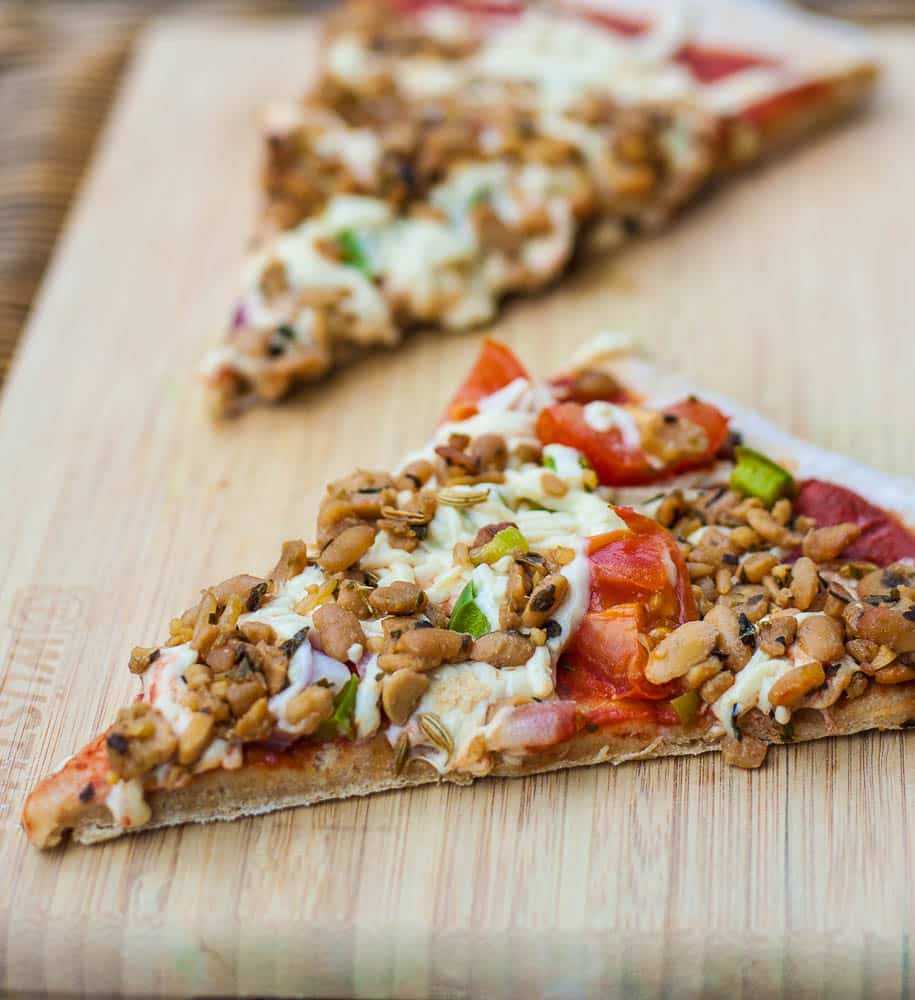
Credit: www.noracooks.com
Health Benefits Of Oil-free Pizza Dough
Choosing oil-free pizza dough offers more than just a lighter crust. It supports a healthier lifestyle with benefits that suit many diets. Removing oil reduces calories and fat, making pizza a better option for daily meals. It also fits well with plant-based and whole food diets, enhancing overall wellness.
Lower Fat Content
Oil-free dough cuts down on unhealthy fats. It contains less saturated fat and fewer calories. This supports heart health and weight management. Eating less fat can reduce cholesterol levels. This dough option makes pizza lighter and easier to digest.
Plant-based Advantages
Many oil-free dough recipes use simple, natural ingredients. They often rely on flour, water, yeast, and salt. This aligns well with vegan and plant-based diets. The absence of oil keeps the dough free from animal fats. It also avoids processed oils, making it a cleaner choice.
Digestive Benefits
Without oil, pizza dough is gentler on the stomach. It can be easier to digest, especially for sensitive individuals. The dough’s simple makeup helps improve gut health. Less oil means less chance of digestive discomfort. This makes oil-free dough a smart choice for better digestion.
Frequently Asked Questions
Can You Make Pizza Dough With No Oil?
Yes, you can make pizza dough without oil using flour, water, yeast, and salt. Alternatives like applesauce add moisture and tenderness. Proper hydration and baking create a delicious, tender, or crispy crust without oil.
Can I Skip Oil In Pizza Dough?
Yes, you can skip oil in pizza dough. Use flour, water, yeast, and salt for a basic dough. Adding applesauce or yogurt improves moisture and tenderness. Oil-free dough can still produce a soft or crispy crust with proper hydration and baking techniques.
What Can I Use Instead Of Olive Oil For Pizza Dough?
You can use applesauce, dairy-free yogurt, or omit oil entirely for pizza dough. These keep it moist and tender. Flour, water, yeast, salt, and sugar create a classic base. Proper hydration and fermentation ensure a soft or crispy crust without olive oil.
Can Dough Rise Without Oil?
Yes, dough can rise without oil by using flour, water, yeast, salt, and sugar. Oil improves texture but isn’t essential.
Conclusion
Exploring oil-free pizza dough options opens new, healthy baking paths. Simple ingredients like flour, water, yeast, and salt create tasty crusts. Adding applesauce or yogurt helps keep dough soft and moist. You can enjoy crispy or tender results without using oil.
Experimenting with these recipes suits many diets and tastes. Baking oil-free pizza dough can be easy and fun. Try different methods to find your favorite texture and flavor. Making pizza at home can be healthy and delicious without oil.

As the author of the “Ultimate Pizza Guide: Recipes, Tips & Secrets Revealed,” I’m dedicated to sharing my love for pizza and empowering others to create delicious homemade pizzas with ease. Join me on a journey to uncover the secrets to perfecting your pizza game!