When it comes to making authentic Neapolitan pizza, mastering the hydration percentage of your dough is a game-changer. You might have heard that water and flour ratios can make or break your crust, but what does hydration really mean for your dough’s texture, flexibility, and flavor?
Whether you’re aiming for that perfect airy crust with a slight chew or a tender base that holds your toppings just right, understanding and controlling hydration is key. You’ll discover exactly how to find the right hydration percentage for your Neapolitan dough, so you can bake pizzas that impress every time.
Ready to take your pizza-making skills to the next level? Let’s dive in.

Credit: us.gozney.com
Neapolitan Dough Basics
Neapolitan dough is the heart of authentic pizza from Naples, Italy. It has a soft, light texture with a slightly chewy crust. The dough’s hydration level plays a big role in creating this texture. Understanding the basics of this dough helps you make great pizza at home.
The dough is simple but requires attention to detail. Using the right ingredients and techniques brings out its unique flavor and structure. Let’s explore the key ingredients and traditional methods used.
Key Ingredients
Neapolitan dough uses just a few basic ingredients. High-quality flour, water, salt, and yeast form the base. The flour is usually type 00, finely ground for a soft dough. Water controls the hydration percentage, affecting dough softness and elasticity.
Salt adds flavor and strengthens gluten. Yeast makes the dough rise and develop flavor over time. Each ingredient’s quality and quantity affect the final dough texture and taste.
Traditional Techniques
Traditional Neapolitan dough requires slow fermentation. The dough rests for at least 8 to 24 hours, allowing flavors to develop. This slow rise makes the dough airy and easy to stretch.
Hand mixing and kneading are preferred to keep the dough light. The dough is shaped by hand without a rolling pin to keep air bubbles intact. Proper hydration and careful handling create the tender, puffy crust typical of Neapolitan pizza.
Credit: www.youtube.com
What Hydration Means
Hydration percentage is a key term in making Neapolitan pizza dough. It shows how much water is in the dough compared to flour. This number affects the dough’s feel and how it bakes. Understanding hydration helps you control the dough’s texture and performance.
Water To Flour Ratio
Hydration percentage is the ratio of water weight to flour weight. For example, 60% hydration means 60 grams of water per 100 grams of flour. More water means higher hydration. Less water means lower hydration. This ratio is simple but very important for dough quality.
Impact On Dough
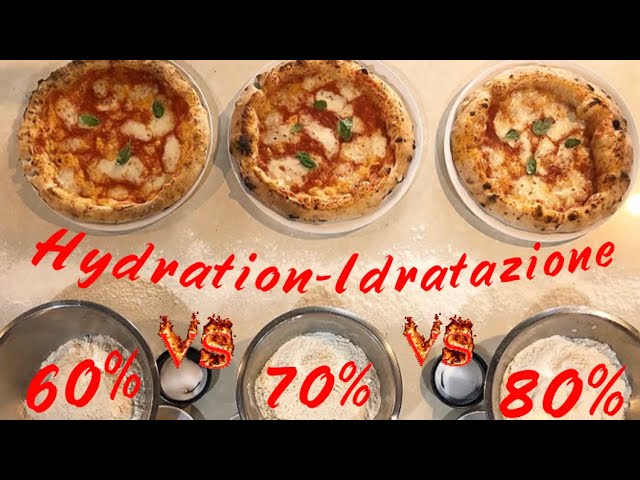
Higher hydration dough feels softer and stickier. It creates a lighter and airier pizza crust. Lower hydration dough is firmer and easier to handle. It makes a denser crust. Hydration affects how the dough stretches and its final texture after baking. Adjusting water changes how your Neapolitan pizza turns out.
Ideal Hydration Range
The ideal hydration range for Neapolitan dough is crucial for the perfect pizza crust. Hydration means the amount of water compared to flour in the dough. This balance affects the dough’s texture, elasticity, and baking results. A good hydration level helps create a soft, airy crust with a slight chewiness. It also influences how easy the dough is to work with.
Different hydration percentages produce different dough behaviors. Lower hydration leads to stiffer dough, which can be harder to stretch. Higher hydration creates a wetter dough that can be sticky but yields a lighter crust. Finding the right hydration range is key to making authentic Neapolitan pizza dough.
Standard Percentages
Most traditional Neapolitan pizza dough recipes use hydration between 58% and 65%. This means 58 to 65 grams of water for every 100 grams of flour. This range creates dough that is soft but not too sticky. It is easy to shape and holds its form well during baking.
At about 60% hydration, the dough feels smooth and elastic. It stretches easily without tearing. This standard range works well for most home ovens and wood-fired pizza ovens. It balances moisture and strength, giving the crust a classic texture and flavor.
Variations By Region
Hydration levels can vary by region and personal style. In Naples, some pizzaiolos use hydration close to 65% for a lighter, more airy crust. This higher water content makes the dough more tender and open.
In other parts of Italy or the world, hydration might drop to around 58% or 60%. These lower levels create a firmer dough that is easier to handle and bake in different ovens. Some cooks adjust hydration based on flour type and local humidity.
Experimenting within this hydration range helps find the perfect dough for your taste and baking conditions. The key is balance between softness, strength, and flavor.
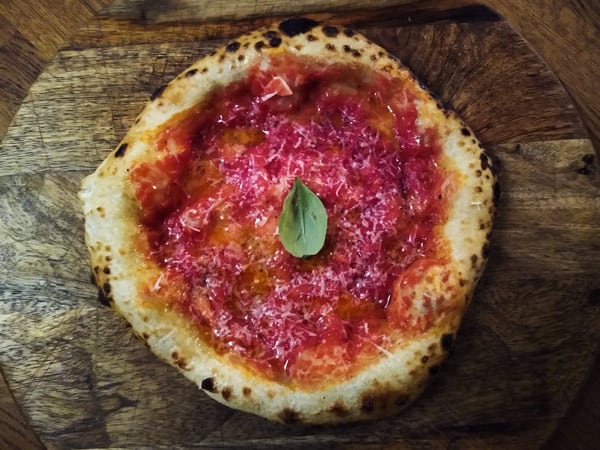
Credit: mypizzacorner.com
Effects On Texture
The hydration percentage in Neapolitan dough greatly influences its texture. It changes how the dough feels and bakes. Higher hydration means more water in the dough. This affects the crust’s crispiness and the inside’s chewiness. Understanding these effects helps create the perfect pizza base.
Crispiness Vs. Chewiness
Lower hydration dough often results in a crispier crust. It holds shape well and bakes quickly. The crust becomes firm and crunchy. Higher hydration dough creates more chewiness inside. It allows air bubbles to form, giving a soft, tender crumb. Balancing hydration lets you enjoy both crispy edges and a chewy center.
Handling Sticky Dough
Dough with high hydration feels sticky and soft. It can be hard to shape and stretch. Using wet hands or a bench scraper helps prevent sticking. Allow the dough to rest longer for better elasticity. Practice makes handling sticky dough easier over time. Proper technique ensures a smooth, workable dough for pizza making.
Adjusting Hydration
Adjusting the hydration percentage is essential for crafting perfect Neapolitan dough. Hydration affects dough texture, elasticity, and baking results. Small changes in water content can change how the dough behaves. Understanding key factors helps to fine-tune hydration for consistent quality.
Climate Considerations
Climate impacts dough hydration needs significantly. In humid areas, flour absorbs less water, so reduce hydration slightly. Dry climates make flour absorb more water, requiring higher hydration. Temperature also plays a role. Warmer weather speeds up fermentation, so a bit less water may help control dough rise. Adjust water based on local weather for best results.
Flour Types And Absorption
Different flours absorb water differently. High-protein flours soak up more water, allowing higher hydration. Soft wheat flours absorb less, needing lower hydration. Consider flour freshness; older flour may absorb less water. Experiment with small batches to find the right hydration for your flour. Proper hydration ensures a soft, stretchy dough that bakes well.
Mixing And Fermentation Tips
Mixing and fermentation are crucial steps in crafting Neapolitan dough. These processes affect dough texture and final pizza quality. Proper hydration combined with effective fermentation creates a soft, airy crust with a perfect rise. Understanding these tips can improve your dough handling and baking results.
Hydration And Rise Time
The hydration level of Neapolitan dough usually ranges from 58% to 65%. Higher hydration creates a wetter dough, which can rise faster and develop larger air pockets. Lower hydration yields a denser dough with a slower rise.
Adjust rise time based on hydration. Wetter doughs may need shorter rises to avoid overproofing. Dryer doughs require longer fermentation to develop flavor and texture. Always watch the dough’s volume, not just the clock.
Cold Vs. Room Temperature Fermentation
Cold fermentation slows yeast activity, allowing flavors to develop over 24 to 72 hours. It also strengthens the dough’s gluten network, resulting in better chewiness. Keep dough covered and refrigerated during this time.
Room temperature fermentation is faster, usually lasting 4 to 8 hours. It produces a milder flavor and softer texture. Use this method when you need dough ready quickly but be careful not to overproof.
Troubleshooting Dough Issues
Troubleshooting dough issues is key to baking perfect Neapolitan pizza. Dough hydration plays a major role in its texture and workability. Small changes in water percentage can cause big differences in the dough’s feel. Understanding how to fix common hydration problems saves time and improves results.
Too Wet Or Too Dry
Too wet dough feels sticky and hard to shape. It may spread too much during baking. This happens when hydration is too high for the flour type or environment. Too dry dough feels stiff and cracks easily. It resists stretching and may tear when shaped. Low hydration or too much flour causes this problem.
Adjust water carefully to fix these issues. Add flour little by little to wet dough until it feels smooth. For dry dough, add small amounts of water and knead well. Let the dough rest to absorb moisture evenly. This helps create a balanced texture for shaping.
Fixing Texture Problems
Dough texture depends on hydration and kneading. Sticky dough needs more flour or longer kneading. Very firm dough benefits from extra water and gentle handling. Resting time allows gluten to develop and relax the dough. This improves elasticity and softness.
Check dough feel during mixing and adjust water or flour as needed. Use your hands to test stickiness and strength. The right texture is soft, smooth, and slightly tacky but not sticky. Perfect hydration gives dough good stretch and rise without tearing.
Tools For Accuracy
Precision matters in making Neapolitan dough. Accurate hydration percentage affects dough texture and bake quality. Small measurement errors cause big differences in dough feel and rise. Tools for accuracy help maintain consistent results. They ensure water and flour ratios match the desired hydration level. Using the right tools saves time and reduces waste.
Hydration Calculators
Hydration calculators simplify the math behind dough making. Enter the flour weight, and the calculator shows how much water to add. This tool removes guesswork from the process. It helps keep your hydration percentage exact every time. Many calculators are available online or as smartphone apps. They allow quick adjustments for different batch sizes. This precision leads to better dough consistency and baking outcomes.
Measuring Techniques
Using proper measuring techniques ensures accuracy in hydration. Weighing ingredients with a digital scale is the best method. Scales provide exact numbers, unlike cups or spoons. Use a kitchen scale to measure both flour and water in grams. Avoid estimating or eyeballing amounts. Always zero the scale before adding each ingredient. This practice prevents errors and keeps your dough hydration on point.
Expert Hydration Secrets
Hydration percentage plays a key role in Neapolitan dough. It affects texture, flavor, and handling. Experts share tips to get it just right. These secrets help achieve that soft, airy crust everyone loves.
Water amount changes how dough feels and bakes. Too little water makes dough stiff and hard to stretch. Too much water creates sticky dough that can tear easily. Finding balance is crucial.
Chef Recommendations
Top pizza chefs often suggest hydration between 60% and 65%. This range keeps dough soft but manageable. Some prefer slightly higher, up to 70%, for a lighter crust.
Hydration varies by flour type. Stronger flour absorbs more water. Chefs adjust water amounts based on their flour brand and humidity levels.
Resting dough longer improves water absorption. Many chefs recommend slow fermentation in the fridge. This process enhances flavor and dough texture.
Popular Recipe Examples
Classic Neapolitan recipes use 62% to 65% hydration. For example, the Associazione Verace Pizza Napoletana suggests 63% water to flour ratio. This keeps dough soft and elastic.
Home recipes sometimes lower hydration to 60%. This makes dough easier for beginners. Professional recipes may push to 68% for that airy, bubbly crust.
Some popular recipes add olive oil or sugar. These ingredients affect hydration needs slightly. Adjust water based on added ingredients for best results.
Frequently Asked Questions
What Is The Best Hydration For Neapolitan Pizza Dough?
The best hydration for Neapolitan pizza dough is around 60-65%. This ensures a soft, elastic crust with a perfect chew.
Is 60% Hydration Good For Pizza Dough?
Yes, 60% hydration is good for pizza dough. It creates a manageable, slightly soft dough with a balanced texture and crisp crust.
What Is The 55 Rule For Pizza Dough?
The 55 rule for pizza dough means using 55% hydration, mixing water equal to 55% of flour weight. It creates a firm, easy-to-handle dough.
What Is The Water To Flour Ratio For Neapolitan Pizza?
The water to flour ratio for Neapolitan pizza dough is typically 60-65% hydration. This means 60-65 grams of water per 100 grams of flour. This ratio creates a soft, elastic dough ideal for the classic thin and airy crust.
Conclusion
Achieving the right hydration percentage is key for Neapolitan dough. It affects dough softness, stretch, and baking results. Usually, 60% to 65% hydration works well. Too much water makes the dough sticky and hard to shape. Too little water can cause a dense, tough crust.
Experiment within this range to find your perfect balance. This simple step improves your pizza’s texture and flavor. Keep the process consistent, and enjoy baking authentic Neapolitan pizza at home.

As the author of the “Ultimate Pizza Guide: Recipes, Tips & Secrets Revealed,” I’m dedicated to sharing my love for pizza and empowering others to create delicious homemade pizzas with ease. Join me on a journey to uncover the secrets to perfecting your pizza game!