If you love pizza but want to keep it healthy, the secret starts with your flour choice. The best flour for healthy pizza dough can transform your crust from ordinary to extraordinary—giving you a delicious, wholesome base that supports your nutrition goals without sacrificing taste.
Whether you prefer a thin, crispy crust or a soft, chewy bite, choosing the right flour affects every slice you enjoy. In this guide, you’ll discover which flours pack the most nutrients, enhance flavor, and boost texture so your homemade pizza feels both satisfying and guilt-free.
Ready to bake pizza that’s as good for your body as it is for your taste buds? Let’s find the perfect flour for your healthiest pizza dough yet.
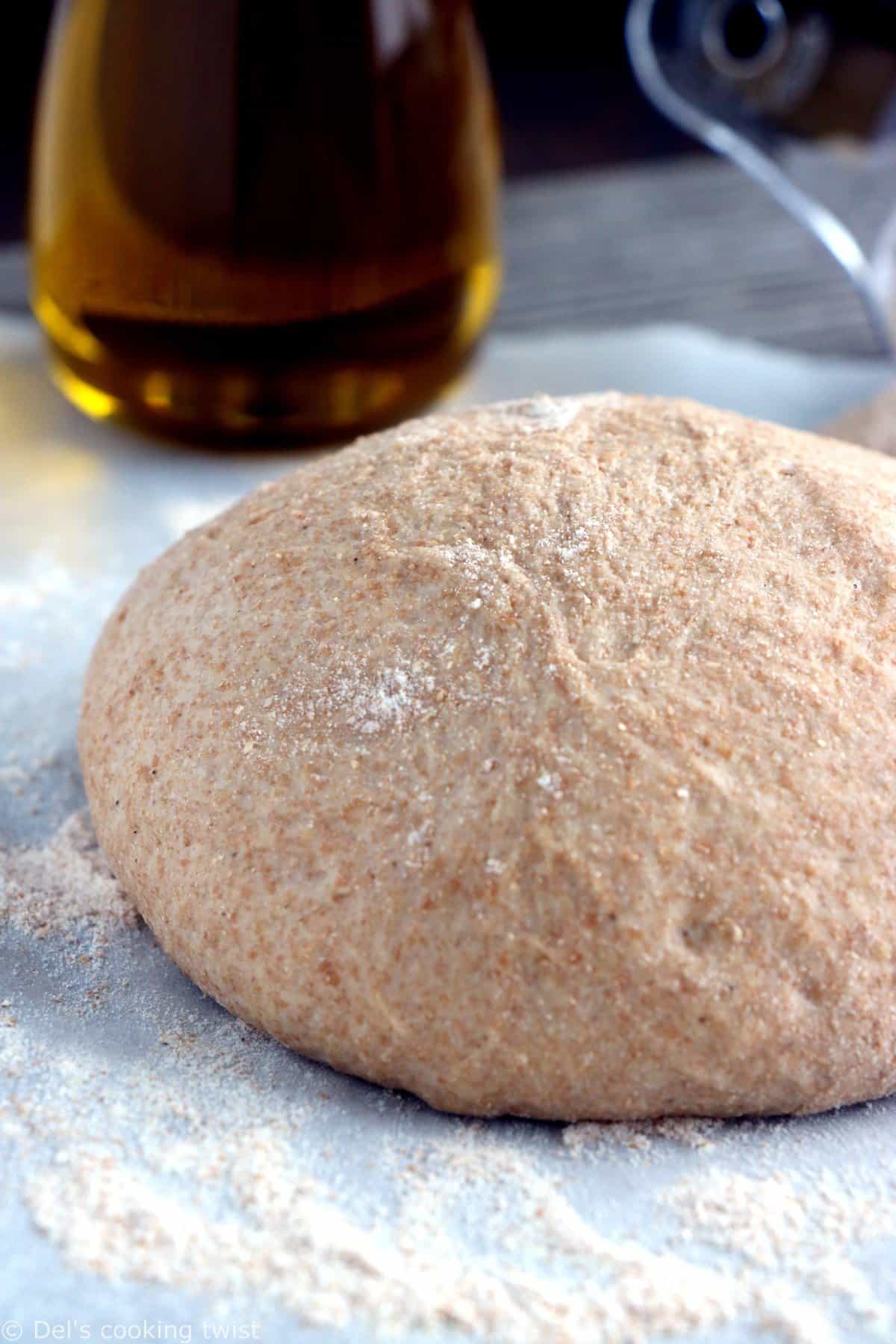
Credit: www.delscookingtwist.com
Flour Types For Pizza Dough
Choosing the right flour affects your pizza dough’s texture and health benefits. Different flours offer unique qualities for baking. Understanding these types helps you create a tasty and nutritious pizza base. Here are common flour types used for pizza dough.
All-purpose Flour
All-purpose flour works well for soft and light pizza crusts. It has moderate protein content, which helps dough rise moderately. This flour is easy to find and versatile. It creates a tender crust without too much chewiness.
Bread Flour
Bread flour has higher protein than all-purpose flour. It forms more gluten, giving dough strength and elasticity. This results in a chewy and airy crust. Bread flour suits those who like a classic pizzeria-style pizza.
Whole Wheat Flour
Whole wheat flour contains the bran, germ, and endosperm of the grain. It adds fiber and nutrients to the dough. The crust becomes denser and more flavorful. Whole wheat flour makes pizza healthier but may need extra hydration.
Tipo 00 Flour
Tipo 00 flour is finely ground and popular in Italy. It produces a smooth, soft dough with a delicate crust. This flour has a balanced protein level for stretch and strength. It is ideal for thin and crispy Neapolitan-style pizzas.
Semolina Flour
Semolina flour comes from durum wheat and has a coarse texture. It adds a slight crunch and golden color to the crust. Often mixed with other flours, semolina improves dough structure. It gives a unique taste and firmness to pizza bases.
Alternative Flours
Alternative flours include almond, chickpea, and oat flours. They offer gluten-free or nutrient-rich options. These flours change dough texture and flavor significantly. Using them may require recipe adjustments for best results.
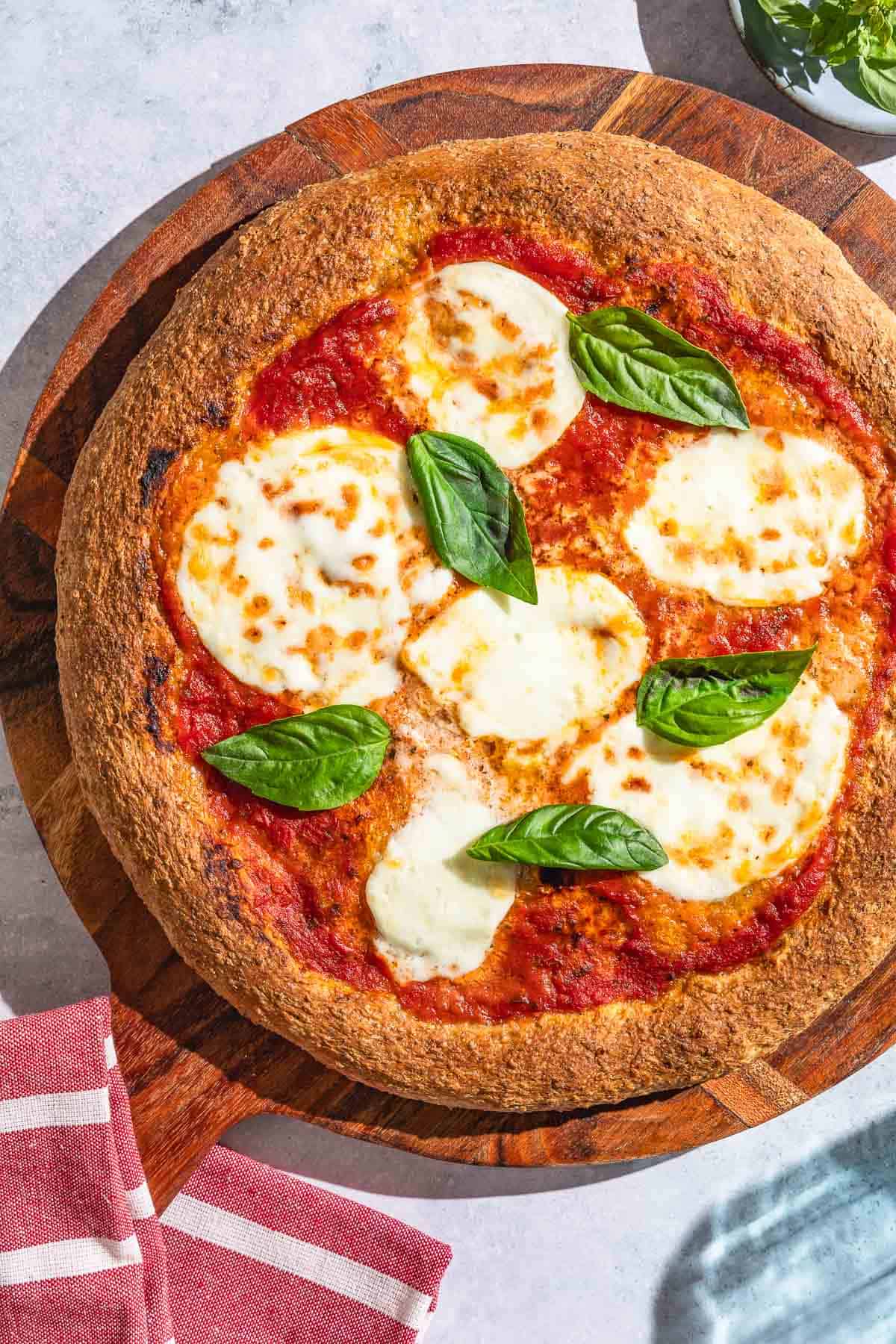
Credit: www.themediterraneandish.com
Health Benefits Of Different Flours
Choosing the right flour for pizza dough affects health and taste. Different flours offer unique benefits. Understanding these helps pick the best flour for healthy pizza dough. Let’s explore the health advantages of common flours.
Fiber Content Comparison
Whole grain flours have more fiber than refined flours. Fiber supports digestion and helps keep you full longer. For example, whole wheat flour contains about 12 grams of fiber per 100 grams. White flour usually has less than 3 grams. Higher fiber flours also help control blood sugar levels.
Vitamins And Minerals
Unrefined flours retain more vitamins and minerals. Whole wheat flour is rich in B vitamins like niacin and folate. It also has minerals such as iron, magnesium, and zinc. Refined flours lose many nutrients during processing. Using nutrient-rich flours boosts the nutritional value of your pizza dough.
Gluten And Protein Levels
Gluten affects dough texture and chewiness. High-protein flours create strong gluten networks. Bread flour and high-gluten flour have about 12-14% protein. Whole wheat flour has slightly less protein but more fiber. Lower protein flours make softer dough but may not rise as well.
Refined Vs. Unrefined Flours
Refined flours are stripped of bran and germ, leaving mostly starch. This makes dough lighter but less nutritious. Unrefined flours include bran and germ, adding flavor and fiber. They also digest slower, providing steady energy. Using unrefined flour supports better health and fuller taste in pizza dough.
Texture And Flavor Impact
The type of flour you choose greatly affects your pizza dough’s texture and flavor. Different flours create distinct crust experiences, from crispy to chewy. They also add unique tastes that can enhance your homemade pizza. Understanding these effects helps you pick the best flour for a healthy and delicious pizza dough.
Crispy Vs. Chewy Crusts
Flour protein content controls the crust’s texture. High-protein flours, like bread flour, make chewy crusts. They develop strong gluten, giving dough elasticity and bite. Low-protein flours, such as all-purpose flour, produce crispier crusts. They create less gluten, making the dough lighter and crunchier. Choose flour based on your preferred crust texture.
Flavor Enhancements From Flour Choices
Each flour type has a unique flavor profile. Whole wheat flour adds a nutty, earthy taste. It also boosts fiber and nutrients in your dough. White flours have a mild flavor that lets toppings shine. Specialty flours, like einkorn or spelt, bring subtle, sweet notes. Experiment with different flours to find your favorite flavor.
Using Semolina For Richness
Semolina flour is made from durum wheat. It has a coarse texture and golden color. Adding semolina to your dough creates a rich, slightly sweet flavor. It also improves the crust’s crunch and chewiness. Use semolina in small amounts mixed with other flours for balanced texture and taste.
Mixing Flours For Best Results
Combining flours lets you balance texture and flavor. Mix whole wheat with bread flour for a chewy yet healthy crust. Blend semolina with all-purpose flour for extra crunch and richness. Mixing also improves dough handling and rise. Try different ratios to discover your perfect healthy pizza dough blend.
Tips For Making Healthy Pizza Dough
Making healthy pizza dough starts with smart choices. Small changes improve taste and nutrition. These tips help create dough that is both tasty and good for you.
Follow simple steps to balance flavor, texture, and health benefits. Each tip focuses on an important part of the dough-making process.
Choosing The Right Flour Blend
Select flours that offer good nutrients and texture. Combine whole wheat flour with white flour for softness and fiber. Use bread flour for better gluten development and chewiness. Avoid refined flours that lack vitamins and minerals.
Adjusting Hydration And Kneading
Hydration affects dough softness and rise. Add water gradually to reach a smooth, elastic dough. Knead dough well to develop gluten for structure. Over-kneading can make dough tough, so knead just enough.
Incorporating Whole Grains
Whole grains add fiber, vitamins, and minerals. Replace part of white flour with whole wheat, spelt, or rye flour. This change boosts nutrition and adds a nutty flavor. Keep balance to avoid dense dough.
Using Olive Oil And Natural Sweeteners
Add olive oil to improve dough texture and taste. It helps keep dough moist and tender. Use natural sweeteners like honey or maple syrup to feed yeast. These options are healthier than refined sugars.
Popular Flour Brands And Products
Choosing the right flour is key to making healthy pizza dough. Different brands offer unique flour types that affect taste and texture. Here are some popular flour brands and products used by pizza lovers and home bakers alike.
King Arthur Flour Options
King Arthur is known for consistent quality and wide availability. Their all-purpose flour is unbleached and perfect for most pizza doughs. The King Arthur Perfect Pizza Flour Blend combines high-protein flour with whole wheat for a healthy balance. Organic options are also available for those seeking natural ingredients. This brand offers reliable performance and good nutrition.
Caputo Flour Varieties
Caputo flour comes from Italy and is famous for pizza dough. Their “00” flour is finely milled and ideal for thin, crispy crusts. Caputo also offers all-purpose and baking flour suited for softer doughs. This brand’s products bring authentic Italian flavor and texture to your pizza. Many chefs prefer Caputo for its quality and tradition.
Bob’s Red Mill Selections
Bob’s Red Mill focuses on whole grain and organic flours. Their unbleached all-purpose flour is a staple for healthy baking. Artisan Bread Flour from Bob’s Red Mill has higher protein for stronger dough. These flours add natural flavor and nutrients to pizza crusts. The brand supports health-conscious bakers with whole food ingredients.
Local Store Brands In Austin, Texas
Austin stores offer local and regional flour brands. H-E-B carries King Arthur and Central Market flours at good prices. These include unbleached, organic, and specialty blends for pizza. Local brands often focus on organic and sustainable farming. Buying local flour supports community farms and freshness.
Recipes For Nutritious Pizza Dough
Healthy pizza dough starts with the right flour and simple recipes. Using nutritious ingredients boosts flavor and wellness. Choose whole grains or special blends for extra benefits. These recipes show easy ways to make pizza dough better for your body.
Try these recipes to enjoy tasty, wholesome pizza at home. Each one uses flours that add fiber, vitamins, and minerals. They suit different tastes and dietary needs. Make your pizza nights both delicious and healthy.
Whole Wheat Thin Crust
Whole wheat flour gives a nutty flavor and more fiber. This thin crust is crispy yet soft inside. Mix whole wheat flour with water, yeast, salt, and olive oil. Let the dough rise well for a light texture. Roll it thin to get a perfect crust.
Easy Whole Wheat Dough
This recipe uses simple ingredients and takes less time. Whole wheat flour, warm water, yeast, honey, and olive oil come together quickly. Knead the dough until smooth and elastic. It works well for thick or thin crust pizzas. Great for beginners and busy cooks.
Mixed Flour Blends
Combining flours balances taste and nutrition. Use whole wheat with all-purpose or bread flour for softness. Try adding rye or spelt flour for unique flavors. This mix improves dough texture and helps it rise better. Adjust ratios for your preferred crust style.
Gluten-free Alternatives
Gluten-free flours suit people with sensitivities. Rice flour, almond flour, or chickpea flour are good choices. Combine with xanthan gum or psyllium husk to bind the dough. These recipes create tasty crusts without gluten. Perfect for gluten-free diets and variety.
Buying And Storage Advice
Choosing the right flour for healthy pizza dough is only part of the process. Proper buying and storage ensure your flour stays fresh and performs well. Poor storage can lead to stale or spoiled flour, which affects taste and texture. Smart buying habits help you get the best quality flour that suits your health goals and baking needs.
Where To Buy Quality Flour
Buy flour from trusted stores or online shops. Look for brands known for quality and consistency. Local health food stores often carry organic and specialty flours. Large supermarkets may offer common flours at good prices. Check the packaging date to ensure freshness. Specialty pizza flours can be found in baking supply stores or dedicated online retailers.
Storing Flour For Freshness
Keep flour in an airtight container to block moisture and pests. Store it in a cool, dry place away from sunlight. For long-term storage, use the refrigerator or freezer. Let the flour return to room temperature before use. Label containers with purchase dates to track freshness. Proper storage keeps nutrients intact and preserves flavor.
Organic Vs. Conventional Choices
Organic flour comes from grains grown without synthetic chemicals. It may have a richer flavor and fewer additives. Conventional flour is often more affordable and widely available. Both types work well for pizza dough. Choose based on your budget, health preferences, and availability. Organic flour can support sustainable farming practices.
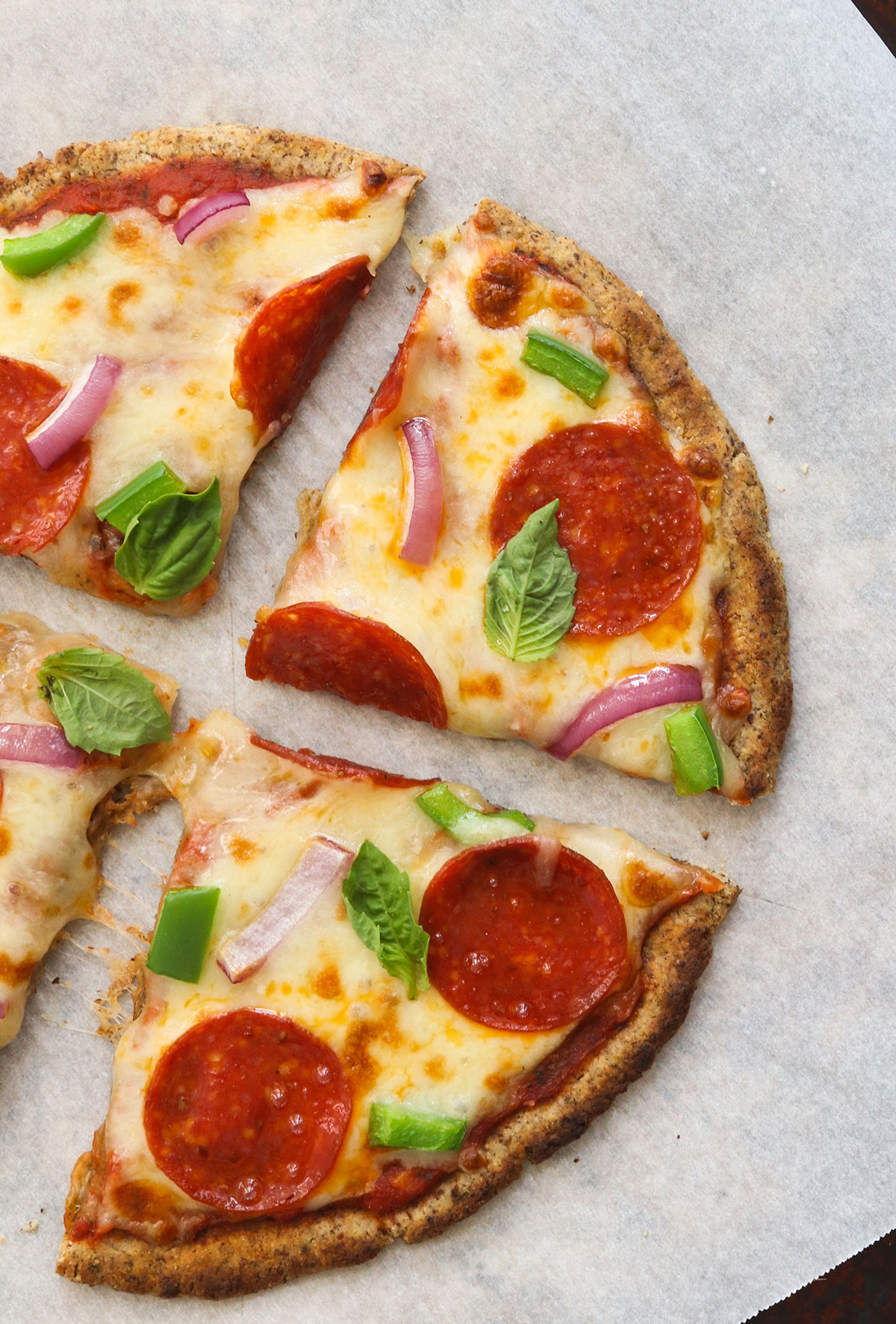
Credit: detoxinista.com
Frequently Asked Questions
What Is The Healthiest Flour To Make Pizza With?
Whole wheat flour is the healthiest for pizza dough. It contains more fiber, vitamins, and minerals than white flour. It also supports better digestion and adds a nutty flavor. Choose whole wheat for a nutritious, delicious pizza crust without sacrificing texture.
What Is The Healthiest Type Of Pizza Dough?
Whole wheat flour makes the healthiest pizza dough. It contains more fiber, vitamins, and minerals than white flour. It supports digestion and keeps you fuller longer. Use whole wheat for a nutrient-rich, hearty crust with natural sweetness and better texture.
What Flour Is Best For Healthy Dough?
Whole wheat flour is best for healthy dough. It contains more fiber, vitamins, and minerals than white flour. It supports digestion and adds nutrients while maintaining good texture.
What Is The Best Flour To Use In Pizza Dough?
The best flour for pizza dough is Tipo 00 for a soft, chewy crust. All-purpose flour works well for a classic, crispy crust. Bread flour suits thick, chewy styles. Whole wheat offers a healthier, fiber-rich option but yields a denser crust.
Conclusion
Choosing the best flour shapes your pizza dough’s health and taste. Whole wheat flour offers more fiber and nutrients than white flour. Tipo 00 flour creates a light, chewy crust loved by many. Blending flours can balance nutrition and texture well.
Experiment with different flours to find your favorite mix. Healthy pizza dough starts with the right flour choice. Enjoy making pizza that’s both tasty and good for you.

As the author of the “Ultimate Pizza Guide: Recipes, Tips & Secrets Revealed,” I’m dedicated to sharing my love for pizza and empowering others to create delicious homemade pizzas with ease. Join me on a journey to uncover the secrets to perfecting your pizza game!