Have you ever wondered what really happens inside your pizza dough as it transforms from sticky mixture to golden, chewy perfection? The secret lies in something called enzymatic activity—a natural process that works behind the scenes to break down starches and proteins, shaping your dough’s texture, flavor, and rise.
Understanding how these tiny biological powerhouses affect your dough can completely change the way you bake, helping you create pizzas with the perfect crust every time. Ready to unlock the science that makes your homemade pizza truly exceptional? Let’s dive into the fascinating world of pizza dough enzymatic activity and discover how you can harness it for your best bake yet.
Credit: www.pizzablab.com
Enzymes In Pizza Dough
Enzymes play a vital role in the making of pizza dough. They act as natural catalysts, speeding up the chemical reactions needed for dough development. Understanding these enzymes helps bakers control dough texture, flavor, and rise.
Each enzyme has a specific job that affects the dough’s quality. These biological molecules break down components like proteins, starches, and fats. This process improves dough elasticity, sweetness, and taste.
Key Enzymes And Functions
Three main enzymes work in pizza dough: protease, amylase, and lipase. Each influences different parts of the dough. Protease modifies the gluten network, amylase breaks down starches, and lipase contributes to flavor. Their combined action shapes the dough’s final texture and flavor.
Protease And Gluten Structure
Protease targets proteins, especially gluten in the dough. Gluten gives dough its strength and stretchiness. Protease gently breaks gluten strands, making dough easier to knead and shape. It also prevents the dough from becoming too tough or chewy after baking.
Amylase And Sugar Breakdown
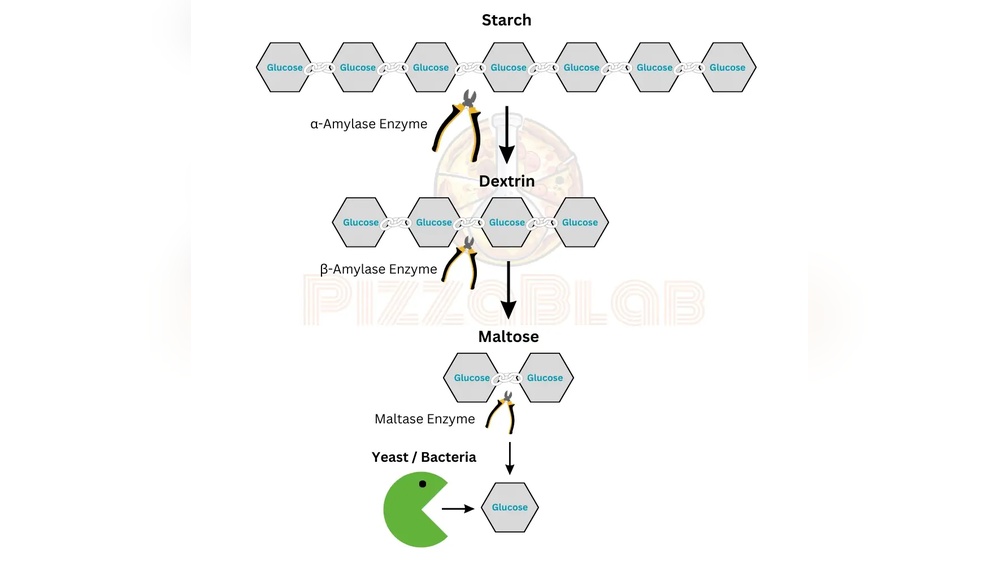
Amylase breaks down starch molecules into simple sugars. These sugars feed yeast during fermentation, helping the dough rise. They also contribute to the crust’s golden color and sweetness through baking reactions. Without amylase, the dough would lack flavor and volume.
Lipase And Flavor Enhancement
Lipase breaks down fats in the dough, releasing aromatic compounds. These compounds add richness and depth to the pizza crust’s flavor. Lipase activity supports the development of a complex and appealing taste. It works slowly during fermentation and baking.

Credit: www.aosdates.com
Enzymatic Impact On Dough Texture
Enzymes play a crucial role in shaping the texture of pizza dough. They act on the dough’s proteins and starches, changing its feel and workability. This enzymatic activity helps bakers achieve the perfect dough consistency. Understanding these effects allows better control over dough quality.
Elasticity And Strength
Protease enzymes break down gluten proteins in dough. This action adjusts dough elasticity, making it stretchable without tearing. Enzymes help balance dough strength, ensuring it can hold toppings and air pockets. Proper enzymatic activity creates a dough that is both flexible and sturdy.
Softening Gluten Networks
Gluten forms a network that traps air and gives dough structure. Proteases soften this network by gently cutting protein chains. This softening makes dough easier to knead and shape. A softer gluten network results in a tender, less chewy crust after baking.
Controlling Dough Hydration
Amylase enzymes break down starch into simple sugars. This process affects water absorption in the dough. Better hydration improves dough softness and prevents dryness. Enzymes help maintain a balanced dough moisture level for optimal texture.
Enzyme Activity And Fermentation
Enzyme activity plays a vital role in pizza dough fermentation. Enzymes break down starches and proteins into simpler compounds. These compounds provide food for yeast and help develop flavor and texture. Fermentation is the process where yeast consumes sugars and releases gas. This gas causes dough to rise, creating a light and airy crust. Understanding enzyme activity helps bakers control dough quality and taste.
Role Of Time And Temperature
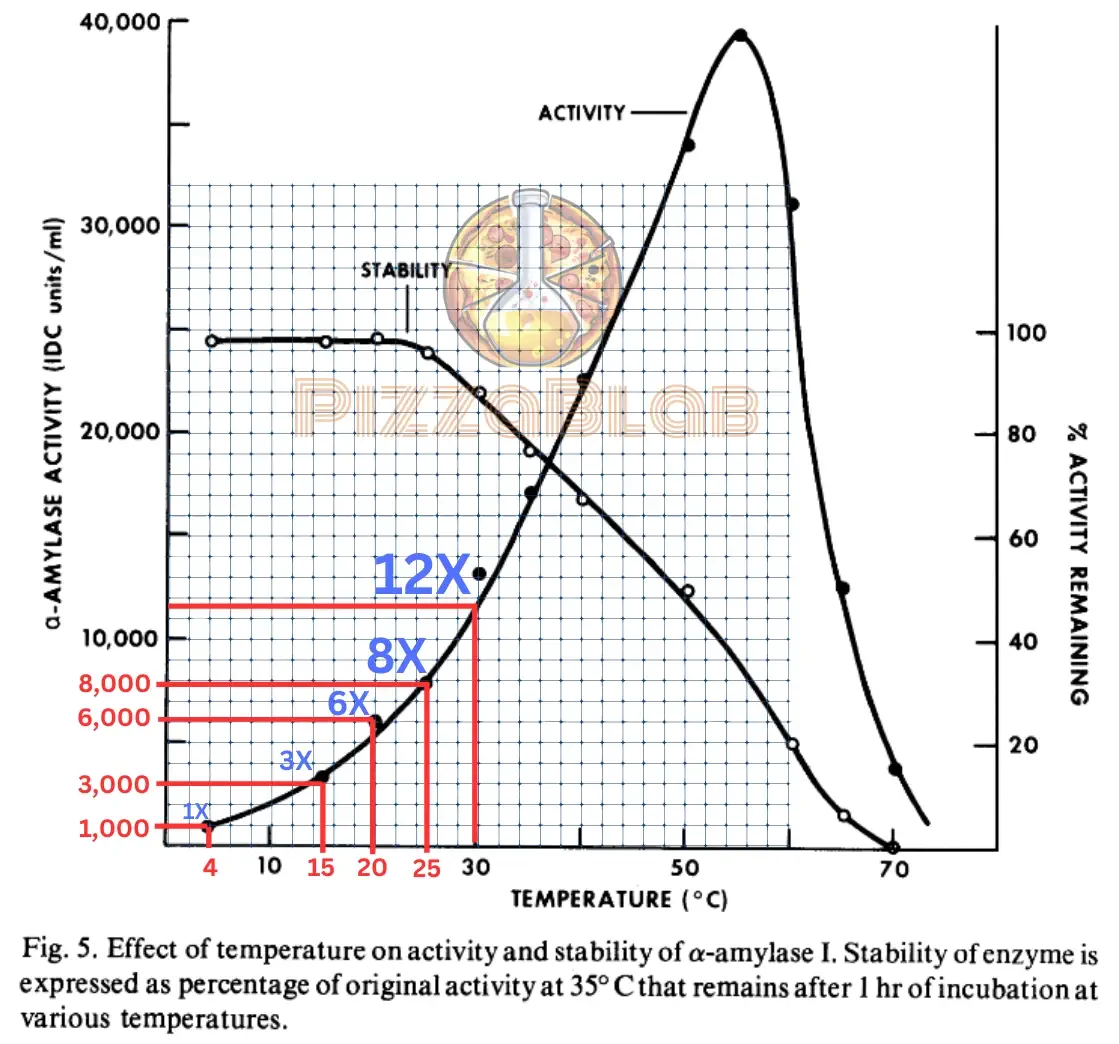
Time and temperature directly affect enzyme activity in dough. Warmer temperatures speed up enzyme reactions and yeast fermentation. Cooler temperatures slow the process down. A longer fermentation time allows enzymes to break down more starch and proteins. This leads to better dough flavor and texture. Controlling time and temperature balances dough rise and enzyme activity for optimal results.
Yeast Interaction With Enzymes
Yeast and enzymes work closely during fermentation. Enzymes break starch into sugars that yeast consumes for energy. Yeast then produces carbon dioxide and alcohol. Carbon dioxide makes dough rise while alcohol adds flavor. Enzymes also soften gluten, making dough more elastic. This teamwork between yeast and enzymes creates the perfect dough structure and taste.
Optimizing Fermentation For Flavor
Proper fermentation enhances dough flavor through enzyme activity. Longer fermentation allows more sugar release and complex flavor development. Controlling temperature prevents over-fermentation and off-flavors. Using the right flour and hydration supports enzyme function. Monitoring fermentation carefully helps bakers create dough with rich, balanced flavors and great texture.
Chemical Reactions In Baking
Baking pizza dough involves many chemical reactions. These reactions create the crust’s texture, color, and taste. Heat triggers changes in sugars, proteins, and enzymes in the dough. Understanding these changes helps improve baking results. Let’s explore key chemical reactions in pizza baking.
Maillard Reaction And Crust Color
The Maillard reaction occurs when amino acids meet sugars under heat. This reaction forms brown pigments on the crust. It gives the crust a golden-brown color and rich flavor. The Maillard reaction starts above 285°F (140°C) during baking. It also produces complex aromas that enhance the eating experience.
Caramelization And Taste Development
Caramelization happens when sugars break down at high temperatures. This process adds sweetness and depth to the crust’s flavor. It begins around 320°F (160°C) and continues as the crust bakes. Caramelization creates a slightly crispy texture on the surface. It works with the Maillard reaction to build a balanced taste.
Enzymes Influencing Browning
Enzymes in pizza dough affect browning and dough quality. Amylase breaks starch into simple sugars, feeding the Maillard reaction. Protease softens gluten, improving dough elasticity and crust texture. Lipase helps develop subtle flavors by breaking down fats. These enzymes work during fermentation and baking to shape the final pizza crust.
Managing Enzymes For Perfect Dough
Managing enzymes in pizza dough is key to achieving the perfect texture and flavor. Enzymes break down starches and proteins, affecting dough strength and rise. Controlling enzymatic activity helps create dough that is elastic, airy, and flavorful. Proper management balances the dough’s softness and structure for a better baking result.
Controlling Temperature
Temperature directly influences enzyme activity in dough. Warmer temperatures speed up enzymes like amylase and protease. These enzymes break down starch and gluten, softening the dough. Cooler temperatures slow enzyme action, giving dough more time to develop. Maintaining the right temperature ensures enzymes work without over-softening the dough.
Adjusting Resting Periods
Resting, or fermentation time, affects how enzymes interact with dough. Longer resting allows enzymes to break down starches and proteins more completely. This process improves dough flavor and texture. Shorter rests limit enzyme activity, resulting in firmer dough. Adjust resting periods based on dough temperature and enzyme strength for balanced results.
Hydration Levels And Enzyme Control
Water content impacts enzymatic reactions in pizza dough. Higher hydration supports enzyme movement and action. Enzymes break down starches and gluten more efficiently with more water. Low hydration slows enzyme activity, creating a denser dough. Adjust hydration carefully to control enzyme effects and achieve the desired dough consistency.

Credit: modernistcuisine.com
Health Considerations
Health considerations play an important role in pizza dough enzymatic activity. Enzymes influence not only the dough’s texture but also its effects on digestion and overall health. Understanding these effects helps in making better pizza choices for sensitive individuals.
Enzymes And Digestive Sensitivity
Enzymes like amylase and protease break down starches and proteins in the dough. This process can make pizza easier to digest for some people. But others with enzyme sensitivities may still experience discomfort. Gluten proteins broken down by protease can cause issues for those with gluten intolerance. Being aware of enzyme activity helps manage digestive reactions after eating pizza.
Reducing Acrylamide With Asparaginase
Acrylamide forms when dough cooks at high heat, and it may pose health risks. Asparaginase is an enzyme that reduces acrylamide levels in baked goods. Adding this enzyme to pizza dough lowers harmful compounds formed during baking. This makes the pizza safer and less likely to cause negative health effects.
Fodmaps In Pizza Ingredients
Many pizza ingredients contain FODMAPs, which can trigger digestive issues. Wheat crust is high in fructans, a type of FODMAP that causes bloating. Garlic and onions, common pizza toppings, also contain FODMAPs. People sensitive to FODMAPs may need to avoid or limit these ingredients. Understanding enzyme activity does not reduce FODMAPs, so ingredient choice is key.
Frequently Asked Questions
What Is An Enzyme In Pizza Dough?
An enzyme in pizza dough breaks down starches and proteins, improving dough texture, elasticity, and flavor during fermentation.
What Is The 55 Rule For Pizza Dough?
The 55 rule for pizza dough means using 55% water to flour by weight. It creates a balanced, easy-to-handle dough.
What Is The Chemical Reaction In Pizza Dough?
The chemical reaction in pizza dough involves yeast fermenting sugars, producing carbon dioxide and alcohol. Heat triggers Maillard reaction and caramelization, creating flavor and crust color. Enzymes like amylase break down starches, while protease softens gluten, improving dough texture and elasticity.
Is Pizza Dough High In Fodmap?
Traditional pizza dough made from wheat flour is high in FODMAPs due to fructans. This can trigger IBS symptoms in sensitive individuals.
Conclusion
Enzymatic activity shapes pizza dough’s texture and flavor deeply. Enzymes break down starches and proteins, making dough soft and stretchy. Controlling enzyme action helps create the perfect crust every time. Temperature and time affect how enzymes work during fermentation. Understanding these natural processes brings better results in baking.
Experimenting with dough allows you to see these effects firsthand. Keep these facts in mind for delicious, well-made pizza dough.

As the author of the “Ultimate Pizza Guide: Recipes, Tips & Secrets Revealed,” I’m dedicated to sharing my love for pizza and empowering others to create delicious homemade pizzas with ease. Join me on a journey to uncover the secrets to perfecting your pizza game!