Have you ever wondered why some homemade pizzas have that perfect chewy crust while others turn out dense and tough? The secret often lies in how well your dough’s gluten develops—and that’s where the “Pizza Dough Gluten Window” comes in.
This simple yet powerful test helps you see if your dough has the right stretch and strength before baking. By mastering this technique, you’ll unlock the key to making pizza crusts that are light, airy, and full of texture. Ready to learn how to test your dough like a pro and transform your pizza game?
Keep reading and discover the easy steps to create dough that passes the gluten window test every time.
Credit: www.pizzablab.com
Gluten’s Role In Pizza Dough
Gluten plays a key role in making pizza dough stretchy and chewy. It forms a network that traps gases from yeast. This network helps the dough rise and keeps its shape during baking. Understanding gluten’s function helps bakers create better dough for pizza crusts.
How Gluten Affects Texture
Gluten gives dough its elasticity and strength. It allows the dough to stretch without breaking. This stretchiness creates a soft, chewy texture in the finished pizza crust. Without enough gluten, dough feels dense and crumbly. Proper gluten development is vital for a light, airy crust.
Gluten Formation Basics
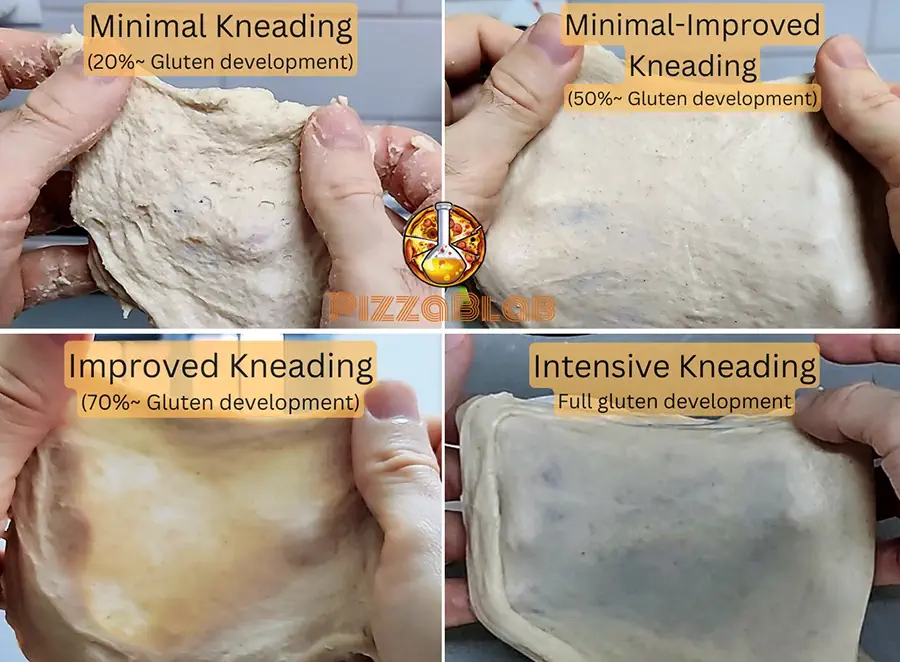
Gluten forms when water mixes with wheat flour. Two proteins, glutenin and gliadin, combine to create gluten strands. Kneading the dough helps align these strands, making the gluten network stronger. The more you knead, the better the gluten develops. This process leads to dough that can pass the “gluten window” test, which shows proper gluten strength.
What Is The Gluten Window Test
The gluten window test shows how well gluten has formed in pizza dough. It checks dough elasticity and strength. This simple test helps bakers know if the dough is ready for shaping and baking. Proper gluten development makes pizza dough stretchy and chewy. Without it, the dough can tear or become too dense.
Visual Signs Of Gluten Development
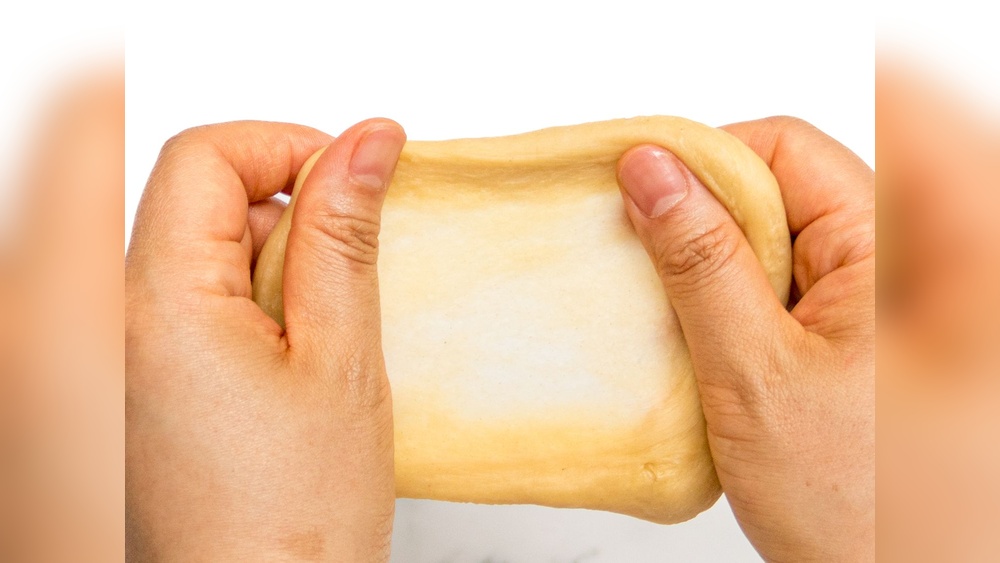
Take a small piece of dough and stretch it gently. The dough should stretch thin without tearing. You can see light through the stretched dough, like a thin window. If the dough breaks quickly, gluten is underdeveloped. A smooth, elastic surface also shows good gluten formation.
Why It Matters For Pizza Dough
Strong gluten holds gas from yeast during baking. This creates a light, airy crust with good texture. Weak gluten leads to flat, tough pizza bases. The window test ensures dough will rise well and stay soft. It helps make pizza crusts chewy and easy to fold.
When To Perform The Window Test
The window test helps check gluten strength in pizza dough. It shows if the dough is ready for shaping and baking. Performing the test at the right time improves dough texture and final pizza quality. Knowing when to do the test saves time and avoids overworking the dough.
Timing During Dough Preparation
Perform the window test after the dough has rested and been kneaded. Usually, this happens after 8 to 10 minutes of kneading by hand or machine. Let the dough rest for 10 to 15 minutes before testing. Resting relaxes the gluten, making the test easier and more accurate. Avoid testing too early or the dough may tear easily. Testing too late can mean the dough is over-kneaded.
Indicators Your Dough Is Ready
Look for a smooth, elastic dough before testing. The dough should feel soft and slightly tacky but not sticky. When stretched gently, it should not break immediately. If the dough stretches into a thin, translucent membrane without tearing, the gluten is well developed. A strong window means the dough can hold air and rise well during baking. If the dough tears quickly, knead a little more and test again.
Step-by-step Gluten Window Test
The gluten window test helps check if your pizza dough is ready. It shows if gluten has developed enough. This is important for a chewy, stretchy pizza base. Follow these simple steps to perform the test at home.
Preparing A Dough Sample
Take a small piece of dough, about the size of a golf ball. Gently roll it into a smooth ball with your hands. Let it rest for a few minutes to relax the gluten. This makes stretching easier and prevents tearing.
Stretching Techniques
Hold the dough piece between your fingers. Slowly stretch it outwards, turning it in a circle. Use gentle pressure to avoid breaking the dough. Stretch until it becomes thin and almost see-through.
Identifying A Perfect Windowpane
The dough should stretch thin enough to let light pass through. It must not tear or break easily. If it does, the gluten is well-developed. If it tears quickly, knead the dough more and test again.
Common Issues And Fixes
Working with pizza dough can be tricky. Problems often arise during gluten development. These common issues affect dough texture and stretchability. Fixing them improves your pizza crust quality. Understanding what causes each issue helps you correct your dough quickly.
Dough Tears Easily
Tearing dough means gluten is weak or overworked. Dough needs gentle handling to stretch properly. Rest dough for 10-15 minutes to relax gluten. Use flour lightly to avoid sticking but not too much.
Too much flour makes dough dry and prone to tearing. Also, avoid pulling dough too fast. Stretch slowly to let gluten extend without breaking.
Dough Is Too Stiff Or Sticky
Stiff dough lacks enough water or is over-kneaded. Add small water amounts and knead gently. Sticky dough usually means too much water or under-kneaded.
Use flour sparingly on sticky dough. Knead longer for better gluten formation. Both stiffness and stickiness improve with correct water ratio and kneading time.
Underdeveloped Gluten
Underdeveloped gluten shows as dough that is not elastic. It feels weak and breaks easily. Knead dough longer to build gluten strength. Use the windowpane test to check gluten development.
Rest dough between kneading sessions. This helps gluten relax and grow. Proper flour choice also supports gluten formation. Bread flour is best for strong gluten.

Credit: www.youtube.com
Improving Gluten Development
Improving gluten development is essential for perfect pizza dough. Strong gluten gives dough its stretch and chewiness. It also helps create the ideal pizza crust texture. Understanding how to improve gluten can make a big difference in your baking results.
Kneading Tips And Tricks
Kneading strengthens gluten strands in the dough. Use a folding and pressing motion with your hands. Avoid over-kneading, which can make dough tough. Stop kneading once the dough feels smooth and elastic. The dough should pass the windowpane test without tearing.
Hydration Adjustments
Water is key to gluten development. Higher hydration makes dough softer and stretchier. Add water gradually to find the right balance. Too much water makes dough sticky and hard to handle. Aim for a dough that feels tacky but not wet.
Resting And Fermentation Benefits
Resting allows gluten to relax and strengthen. Let dough rest after kneading to improve texture. Fermentation by yeast enhances gluten structure and flavor. Cold fermentation in the fridge for 24-48 hours works best. Patience during resting produces better dough elasticity.
Tools That Help Test Gluten
Testing the gluten in your pizza dough is key for perfect texture and stretch. Tools can help you check gluten development easily. Using the right method makes the process simple and effective. This section explains the best tools to test gluten in your dough.
Using Hands Vs. Tools
Hands are the most common tool to test gluten. Simply stretch a small piece of dough between your fingers. If it stretches thin without tearing, the gluten is well developed.
Hands give you a direct feel of the dough’s texture and strength. No extra equipment is needed, making this method quick and easy.
Other tools, like dough stretchers or plastic sheets, can also help. These tools offer more control and can show the dough’s elasticity clearly. They let you see the thinness without breaking.
When To Use A Mixer
A mixer helps develop gluten evenly in the dough. Use it during kneading for consistent results. The mixer saves time and effort, especially for large batches.
Stop the mixer and test the dough with the windowpane test. This tells you if the gluten is ready or needs more kneading.
Mixers are great for beginners or when making dough often. They give better control over gluten development than hand kneading alone.
:max_bytes(150000):strip_icc()/__opt__aboutcom__coeus__resources__content_migration__serious_eats__slice.seriouseats.com__images__2010092320windowpane203-bc89009bab834a50bd2d8e6a6cb524b0.JPG "Pizza Dough Gluten Window: Master the Perfect Stretch Every Time 4")
Credit: www.seriouseats.com
Gluten Window For Different Flours
Understanding the gluten window helps bakers know how well the dough stretches. Different flours create different gluten windows. This affects the dough’s texture and rise. Testing the gluten window guides the right kneading time. It also shows the dough’s strength and elasticity. Let’s explore how various flours behave with the gluten window test.
High-gluten Vs. Low-gluten Flours
High-gluten flours have more protein, which forms strong gluten strands. These flours produce dough that stretches thin without breaking easily. The gluten window for high-gluten dough is usually large and clear. It allows light to pass through without tearing.
Low-gluten flours contain less protein. Their dough tends to tear quickly during the window test. The gluten window is smaller and less transparent. Low-gluten doughs need gentler handling and shorter kneading times. They work best for soft, tender pizza crusts.
Gluten-free Dough Alternatives
Gluten-free flours lack gluten-forming proteins. They cannot form a traditional gluten window. Instead, these doughs rely on binders like xanthan gum or psyllium husk. These ingredients help mimic the stretch and elasticity of gluten.
Testing the gluten window is not possible with gluten-free dough. Bakers judge dough texture by feel and stretch resistance. Gluten-free doughs are often stickier and softer. Adjusting hydration and mixing times is key for good results.
Troubleshooting Dough That Fails
Pizza dough must pass the gluten window test to ensure good texture. Sometimes, dough tears easily or feels too sticky. This means the gluten network is weak or underdeveloped. Troubleshooting dough that fails the window test saves time and ingredients. Understanding how to fix dough problems helps create perfect pizza bases every time.
Reworking Dough Without Over-kneading
Gently stretch the dough if it tears during the window test. Let it rest for 10 to 15 minutes to relax gluten strands. Avoid heavy kneading or folding as it breaks gluten bonds. Lightly dust your hands and surface with flour to prevent sticking. Re-stretch the dough slowly to see if it becomes elastic. Repeat resting and gentle stretching to improve gluten development.
Adjusting Ingredients For Better Gluten
Check the flour type. Use high-protein bread flour for stronger gluten. Add a little more water if dough feels stiff or dry. Water hydrates flour and helps gluten form. Use fresh yeast to ensure proper fermentation and gluten growth. Avoid too much fat or sugar as they weaken gluten structure. Small changes in ingredients make a big difference in dough quality.
Mastering The Stretch Every Time
Stretching pizza dough to the perfect thinness takes skill and patience. The gluten window test helps bakers check the dough’s strength and elasticity. Achieving that delicate stretch without tearing shows the dough is ready. This section helps you improve your stretching technique every time you work with pizza dough.
Practice Makes Perfect
Consistent practice builds your dough handling skills. Each time you stretch, you learn how much force to use. Over time, your hands will feel the dough’s resistance naturally. Repeating the process develops muscle memory for gentle, even stretching. Mistakes help you understand dough behavior and improve results.
Signs Of Dough Ready For Shaping
Good dough feels smooth and slightly springy to touch. It should hold its shape without snapping back too fast. The gluten window test confirms readiness by stretching dough thin enough to see light through. No tears mean the gluten network is strong and elastic. These signs show the dough can stretch well without breaking.
Frequently Asked Questions
Should Pizza Dough Pass The Windowpane Test?
Yes, pizza dough should pass the windowpane test to ensure proper gluten development and elasticity.
What Is The 55 Rule For Pizza Dough?
The 55 rule for pizza dough means using 55% hydration—55 grams of water per 100 grams of flour—for optimal texture and stretch.
When To Do The Windowpane Test?
Perform the windowpane test after kneading dough to check gluten development. Stretch dough thin until light passes without tearing.
What Is The Windowpane Test And How Does It Help Determine Gluten Development?
The windowpane test stretches dough thin to check if gluten forms a strong, elastic network. Passing it means good gluten development.
Conclusion
Perfecting the pizza dough gluten window takes practice and patience. Stretch the dough gently until light shines through without tearing. This simple test shows strong gluten development. Strong gluten gives your pizza a chewy, airy texture. Try the windowpane test to improve your dough each time.
Enjoy making pizza with confidence and better results.

As the author of the “Ultimate Pizza Guide: Recipes, Tips & Secrets Revealed,” I’m dedicated to sharing my love for pizza and empowering others to create delicious homemade pizzas with ease. Join me on a journey to uncover the secrets to perfecting your pizza game!