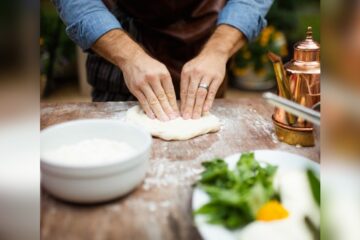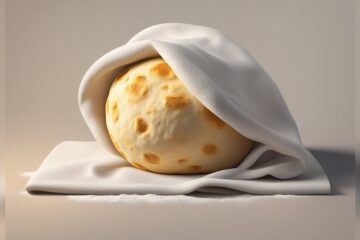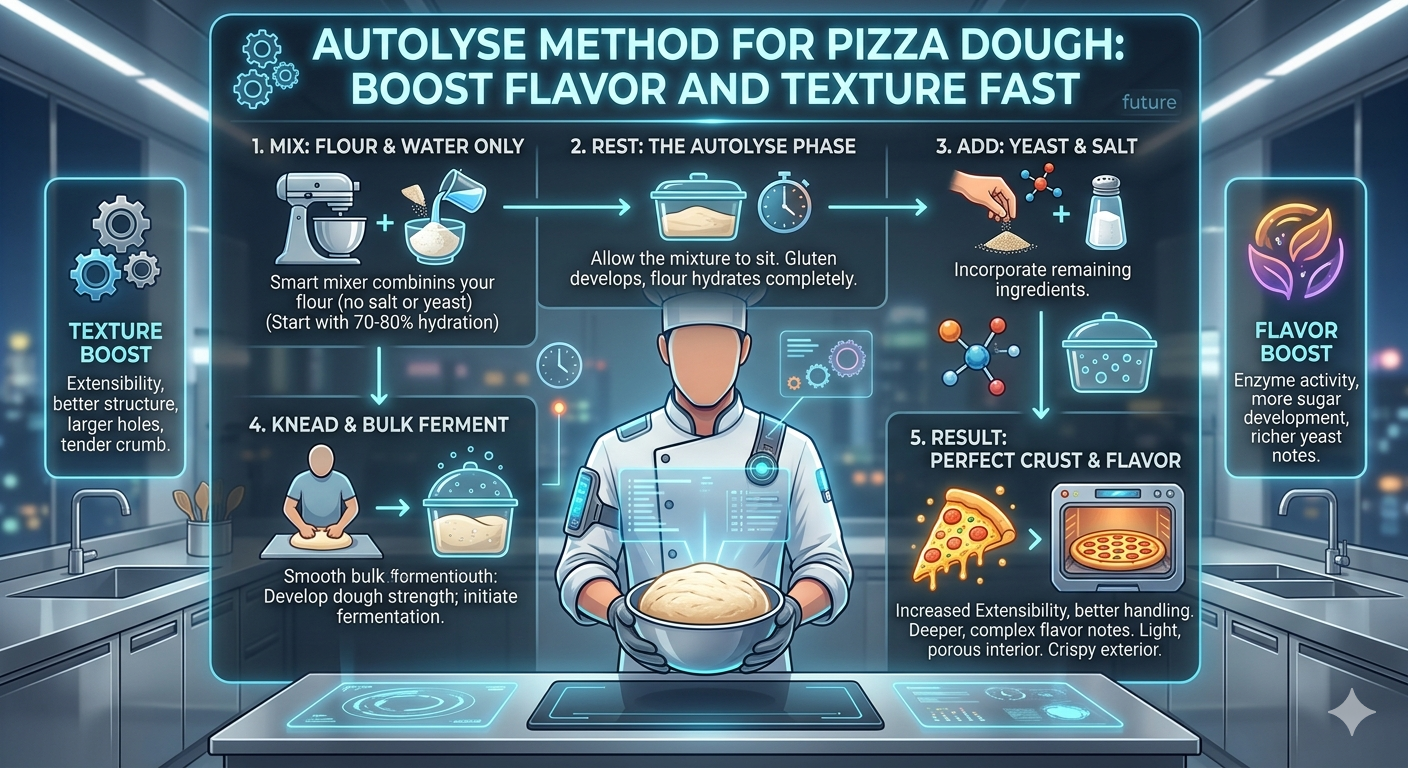
If you want to take your homemade pizza dough to the next level, the autolyse method is a simple game-changer you need to try. This easy step transforms ordinary dough into a silky, stretchy masterpiece that’s easier to work with and tastes incredible.
Imagine pulling apart a crust that’s light, airy, and full of flavor—all thanks to a brief rest period after mixing just flour and water. You’ll discover exactly how the autolyse method works, why it matters, and how to use it to create pizza dough that will impress everyone at your table.
Ready to make your best pizza dough yet? Let’s dive in.

Credit: www.youtube.com
Autolyse Basics
The Autolyse method is a simple yet powerful technique in pizza dough making. It helps improve dough texture and flavor by resting flour and water together before adding other ingredients. Understanding the basics of autolyse can enhance your pizza baking skills and results.
What Autolyse Means
Autolyse is a French word meaning “self-digestion.” In baking, it refers to mixing only flour and water first. This mixture rests for a short time, usually 20 to 40 minutes. During this rest, enzymes break down starches and proteins. This process improves gluten development without kneading. It also makes the dough easier to handle and stretch.
Why It Matters For Pizza
Autolyse helps create a light and airy pizza crust. It improves dough elasticity and strength naturally. The resting time allows flour to absorb water fully. This leads to better gluten formation and better gas retention. As a result, the dough rises well and has a chewy texture. Autolyse also enhances the flavor by starting natural fermentation earlier. This method reduces mixing time and effort, making dough preparation smoother.
Key Ingredients
The autolyse method relies on just a few simple ingredients. Each one plays a vital role in creating the perfect pizza dough texture and flavor. Understanding these key ingredients helps you make better dough every time.
Choosing The Right Flour
Flour type affects dough strength and chewiness. Bread flour with higher protein works best for autolyse. It forms strong gluten networks, giving the crust a good bite. Avoid low-protein flours, which make dough weak and sticky.
Look for flour that is fresh and finely milled. This ensures better water absorption during autolyse. Using high-quality flour leads to a more elastic and airy dough.
Water Quality And Temperature
Water hydrates the flour and activates enzymes in autolyse. Use clean, filtered water for the best results. Hard water with minerals can change dough texture and fermentation speed.
Keep water temperature between 70°F and 80°F (21°C to 27°C). This range promotes enzyme activity without killing yeast later on. Cooler water slows the process, while hot water can harm dough structure.
Step-by-step Autolyse
The autolyse method improves pizza dough texture and flavor. It involves mixing flour and water first, then resting the dough. This simple process helps gluten develop naturally. Follow these clear steps for perfect dough every time.
Mixing Flour And Water
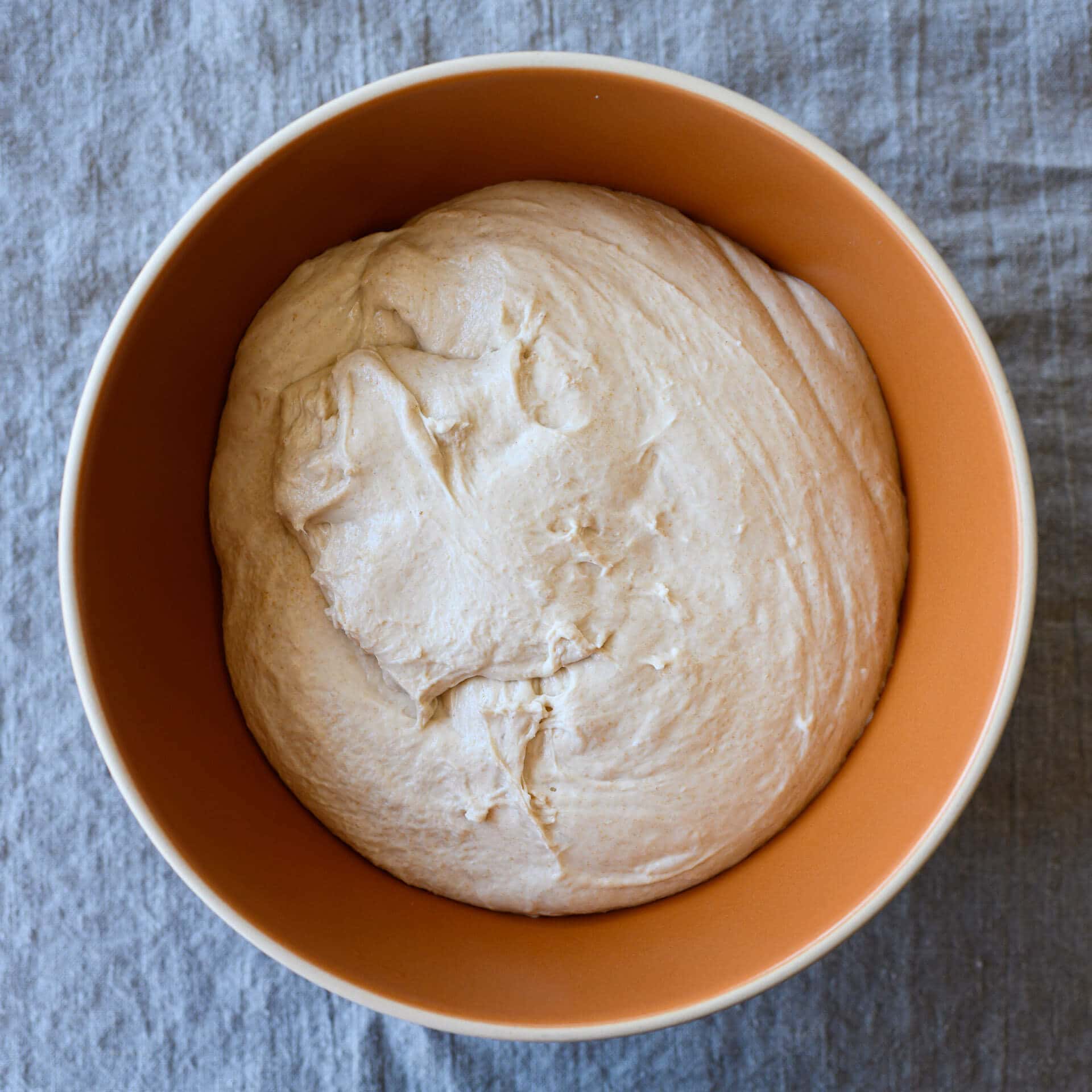
Start by combining your flour and water in a large bowl. Use lukewarm water for better absorption. Stir gently until the flour is fully hydrated. Avoid adding yeast or salt at this stage. The dough will look rough and shaggy. This mix allows enzymes to activate and gluten to begin forming.
Resting Time Guidelines
Cover the bowl with a damp cloth or plastic wrap. Let the dough rest for 20 to 40 minutes at room temperature. This resting period is crucial for flour to absorb water well. It also helps break down starches into sugars. You will notice the dough becomes smoother and more elastic after resting.
Adding Yeast And Salt Post-autolyse
After the resting time, add yeast and salt to the dough. Sprinkle salt evenly over the surface. Add yeast dissolved in a small amount of water if needed. Mix gently but thoroughly to combine all ingredients. Now your dough is ready for kneading and fermentation. This step ensures the dough develops good structure and flavor.
Texture And Flavor Impact
The autolyse method changes the texture and flavor of pizza dough in key ways. It helps create a dough that is easier to handle and bake. The method also improves the overall eating experience by enhancing both the chewiness and taste of the pizza crust.
Gluten Development Effects
Autolyse allows flour to fully absorb water before kneading. This activates enzymes that break down proteins. The gluten forms more gently and evenly. The dough becomes smoother and less sticky. This makes stretching the dough easier. It also helps create a strong but tender structure.
Crust Characteristics
Pizza crust made with autolyse has a light, airy texture. It forms a crisp outer layer while staying soft inside. The crumb is open with small holes, giving it a rustic look. The crust also browns better in the oven. This creates a visually appealing and pleasant bite.
Taste Enhancements
Autolyse improves flavor by allowing natural sugars to develop. The enzymes break down starches into simple sugars. This process adds subtle sweetness and depth. The dough also ferments more fully, which boosts aroma. The final pizza tastes richer and more complex.
Autolyse Variations
The autolyse method offers flexibility in pizza dough preparation. Different variations can affect dough texture and flavor. Understanding these variations helps customize your dough.
Adjusting autolyse time or combining it with preferments can improve dough quality. Each approach suits different baking styles and results.
Short Vs. Long Autolyse
Short autolyse lasts 20 to 30 minutes. It quickly hydrates flour and starts gluten formation. This is great for fast pizza dough preparation.
Long autolyse can last 1 to 4 hours or more. It deepens flavor and strengthens gluten. The dough becomes easier to stretch and less sticky.
Longer autolyse requires more attention to dough temperature. Warmer conditions speed up fermentation and enzyme activity. Choose a time that fits your schedule and dough style.
Combining With Poolish Or Preferments
Poolish is a wet preferment made from flour, water, and a small amount of yeast. Adding poolish before autolyse enhances flavor and dough strength.
This method extends fermentation, producing complex taste and better texture. Autolyse hydrates flour, and poolish adds natural yeast activity.
Other preferments, like biga or levain, also work well with autolyse. Mixing preferments into the dough after autolyse balances fermentation and gluten development.

Credit: www.youtube.com
Common Mistakes
Using the autolyse method for pizza dough can improve texture and flavor. Mistakes during this process can cause problems. Avoiding common errors helps you get the best dough results. Here are frequent mistakes to watch out for.
Overhydration Issues
Adding too much water during autolyse makes dough sticky and hard to handle. Excess water weakens gluten, leading to a flat crust. Measure water carefully and stick to the recipe’s hydration level. Use your hands to feel the dough’s texture during mixing.
Skipping Rest Periods
Skipping or shortening the autolyse rest time reduces gluten development. The dough may become tough and less elastic. Let the dough rest for 20 to 40 minutes as recommended. This rest allows flour to absorb water fully and improves dough strength.
Incorrect Ingredient Timing
Adding salt or yeast too early can stop the autolyse process. Salt tightens gluten too soon, and yeast starts fermentation early. Add salt and yeast only after the autolyse rest is complete. This timing ensures proper dough hydration and better rise.
Tips For Austin Pizza Makers
Austin pizza makers can enhance their dough by using the Autolyse method. This process involves mixing flour and water first, then resting before adding yeast and salt. It improves dough texture and flavor. To get the best results in Austin, consider some local tips. These tips help adapt the Autolyse method to Austin’s unique environment and baking conditions.
Adapting To Local Water
Austin’s water has a distinct mineral content. These minerals affect dough hydration and gluten development. Use filtered water to control mineral effects. Adjust water quantity slightly based on dough feel. Softer water may need less hydration; harder water might require more. Test small batches to find the right balance. This ensures the dough is neither too sticky nor too dry.
Best Ovens For Autolyse Dough
Autolyse dough benefits from high, consistent heat for baking. Wood-fired ovens work well in Austin’s outdoor-friendly climate. They provide strong heat for crisp crusts. Gas ovens offer good temperature control and even baking. Electric pizza ovens are convenient for indoor use and steady heat. Choose an oven that reaches at least 500°F for best results. Preheat the oven fully before baking to maximize crust texture and flavor.
Credit: www.theperfectloaf.com
Frequently Asked Questions
How To Autolyse For Pizza Dough?
Mix flour and water until combined, then rest the dough for 20-60 minutes. Add yeast and salt after resting.
How Long Should You Let Dough Autolyse?
Let dough autolyse for 20 to 40 minutes. This hydrates flour, improves gluten, and enhances dough extensibility and flavor.
What Is The 55 Rule For Pizza Dough?
The 55 rule for pizza dough means using 55% water to flour ratio by weight. It ensures optimal hydration and texture.
What Is The Best Proofing Method For Pizza Dough?
The best proofing method for pizza dough is a slow, cold fermentation in the refrigerator for 24-72 hours. This enhances flavor and texture.
Conclusion
The autolyse method improves pizza dough texture and flavor naturally. Resting flour and water first helps gluten develop well. This step makes the dough easier to stretch and shape. It also reduces kneading time and enhances taste. Try adding autolyse to your pizza routine soon.
Enjoy softer, more flavorful crusts every time. Simple, effective, and worth the small wait!

As the author of the “Ultimate Pizza Guide: Recipes, Tips & Secrets Revealed,” I’m dedicated to sharing my love for pizza and empowering others to create delicious homemade pizzas with ease. Join me on a journey to uncover the secrets to perfecting your pizza game!