You want your homemade pizza to taste just like your favorite pizzeria’s, right? The secret often lies not just in the ingredients but in one key factor: pizza dough temperature control.
Getting your dough to the perfect temperature can change everything—from how it rises to the final crust’s texture and flavor. If you’ve ever wondered why some dough turns out amazing while others fall flat, understanding and managing dough temperature is the game-changer you need.
Keep reading, and you’ll discover simple tips to master this crucial step, making every pizza you bake a delicious success.
Ideal Dough Temperature
Controlling the temperature of pizza dough is key to great results. The ideal dough temperature helps yeast work well. This creates the perfect texture and flavor in your pizza crust. Keeping dough within a specific temperature range improves fermentation. It also makes dough easier to shape and bake. Understanding the right temperature guides better pizza making every time.
Target Range For Dough
The best dough temperature usually falls between 75°F and 78°F (24°C to 26°C). This range allows yeast to ferment steadily without rushing or slowing down. Dough that is too cold will ferment too slowly. Too hot, and yeast works too fast, risking overproofing. Staying within this target range helps develop good dough structure and taste.
Finished Dough Temperature
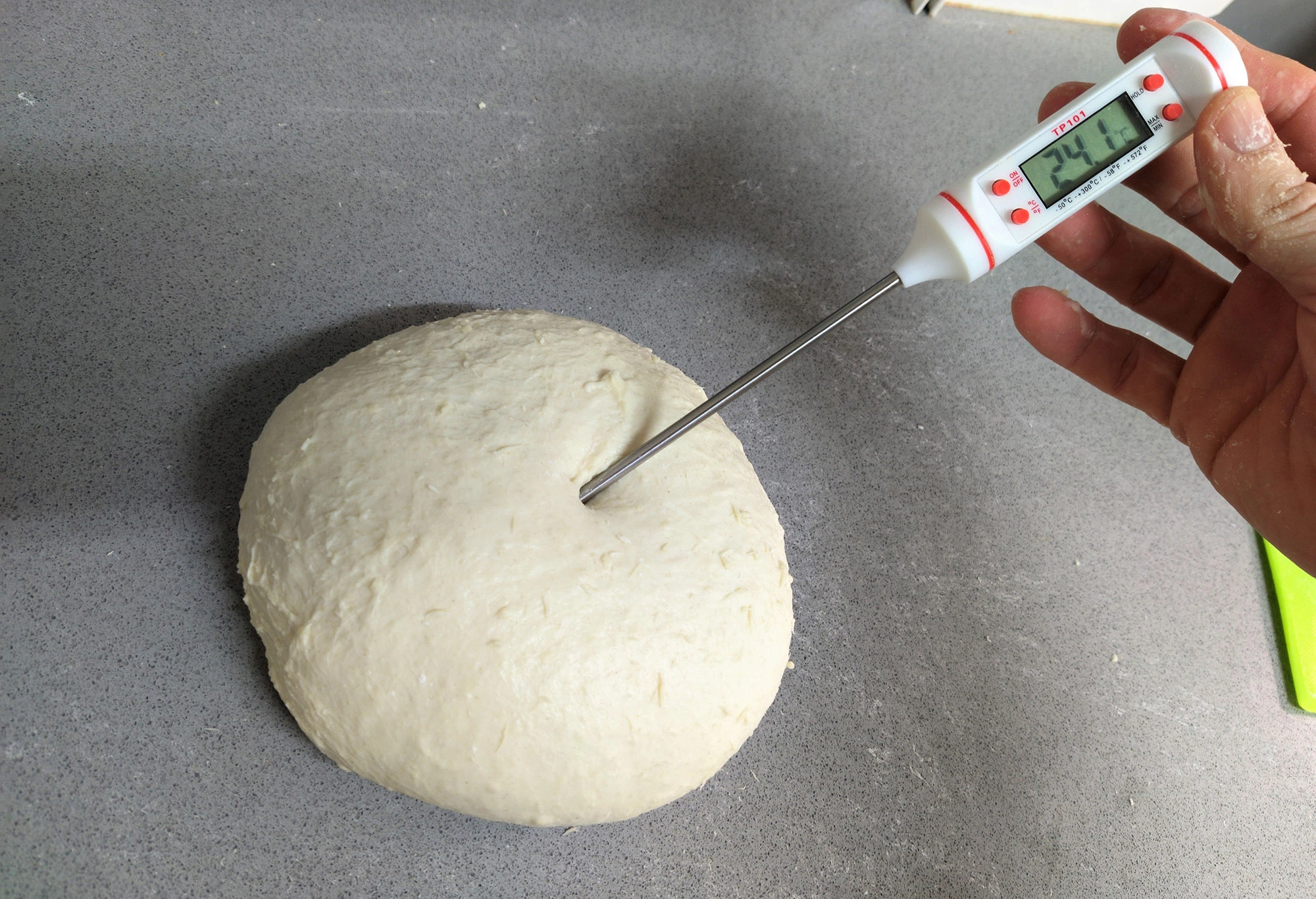
Finished dough temperature (FDT) is the temperature of dough after mixing. It affects how fast fermentation happens. Ideal FDT is around 75°F to 78°F (24°C to 26°C). This temperature supports balanced yeast activity. Measuring FDT with a thermometer helps keep consistency. Adjust water or flour temperature to reach the right FDT. Proper FDT means dough will rise well and bake evenly.
Credit: www.pizzablab.com
Water Temperature Adjustments
Water temperature plays a key role in making perfect pizza dough. It controls how fast the yeast works. Adjusting water temperature helps to get the right dough texture and flavor. This section explains how to calculate water temperature and its effect on dough fermentation.
Calculating Water Temperature
Start by knowing the target dough temperature. This is usually around 75°F (24°C). Measure the temperature of your flour and room. Use this formula to find the water temperature:
Water Temperature = (3 x Target Dough Temp) – Flour Temp – Room Temp
This formula balances the heat from all ingredients. It keeps the dough at the perfect temperature for yeast activity.
Impact On Dough Fermentation
Warm water speeds up yeast fermentation. Dough rises faster and becomes soft. Cold water slows down fermentation. Dough rises slowly and tastes better.
Too hot water can kill yeast. Dough will not rise at all. Too cold water makes dough too slow to rise. It may stay dense and tough.
Adjust water temperature to control dough rise time. It helps create the perfect pizza crust every time.
Controlling Dough Rise
Controlling dough rise is key to making soft, airy pizza crusts. The right temperature helps yeast work well. It makes the dough expand evenly and develop flavor. Too cold slows yeast; too hot can kill it. Keeping the dough at a steady, warm temperature ensures a perfect rise every time.
Managing dough temperature helps avoid common baking problems like dense or flat crusts. Understanding simple temperature tips can improve your pizza dough quality.
Proofing At Room Temperature
Room temperature proofing is the easiest method to control dough rise. Most homes keep the air between 68°F and 78°F. This range is ideal for yeast to activate properly. Place the dough in a bowl and cover it to keep moisture in. Check after 1 to 2 hours for size increase. The dough should double in size, soft and puffy.
Proofing at room temperature avoids overheating and helps develop good texture. It also lets you watch the dough closely without rushing.
Maintaining Warmth For Rising
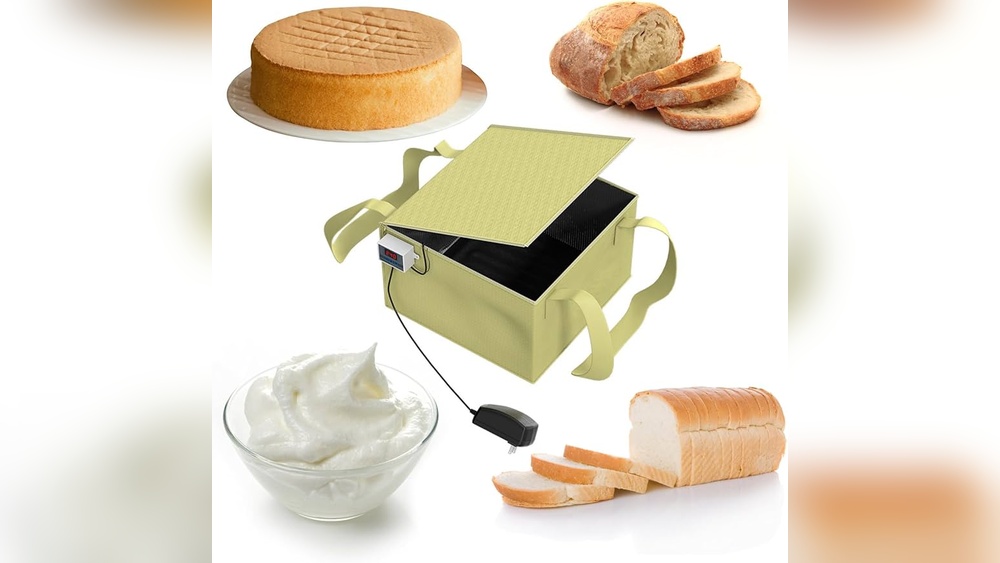
Sometimes room temperature is too cool for good dough rise. Use gentle warmth to keep the dough active. A warm spot near the oven or on top of a fridge works well. You can also use a proofing box or a bowl covered with a warm towel.
Keep the temperature steady around 75°F to 80°F. Too much heat makes yeast work too fast and weakens the dough. Too little warmth slows the rise and affects taste. Consistent warmth helps the dough rise evenly and improve flavor.
Effects Of Temperature On Texture
Temperature plays a key role in shaping the texture of pizza dough. It affects how the yeast works and how the dough develops. Different temperatures can change the dough’s feel, from soft and airy to firm and chewy. Understanding these effects helps in making pizza dough with the right texture every time.
Slower Vs Faster Fermentation
Cold dough ferments slowly. This slow process creates more flavor and a light texture. The dough has time to develop bubbles, making the crust airy and soft. Warm dough ferments faster. Yeast works quickly, producing more gas in less time. This fast rise can make the dough dense and less flavorful. Temperature control helps balance fermentation speed to get the best texture.
Achieving Desired Crust And Crumb
The crust’s crispness and the crumb’s softness depend on dough temperature. Lower temperatures often lead to a chewier crust and open crumb. Higher temperatures can create a thicker crust and tighter crumb. Adjusting water and room temperature during mixing controls final dough temperature. This control lets bakers shape the crust and crumb to fit their pizza style perfectly.
Tools For Temperature Monitoring
Keeping the right temperature for pizza dough is essential. Temperature affects how the dough rises and its final texture. To monitor dough temperature accurately, use specific tools. These tools help maintain consistency and improve pizza quality every time.
Using Thermometers
Thermometers are the best tool for checking dough temperature. Use a digital or instant-read thermometer for quick results. Insert the probe into the middle of the dough ball. Avoid touching the bowl or surface to get an accurate reading. Check the temperature after mixing and before proofing. This step ensures the dough is within the ideal range.
Many pizza makers prefer digital thermometers. They give precise readings in seconds. This helps adjust water or room temperature as needed. Consistent dough temperature creates better fermentation and flavor.
Dough Temperature Charts
Dough temperature charts provide a helpful guide for pizza makers. These charts show the ideal temperature range for different dough stages. They include mixing, fermentation, and final dough temperature. Use the chart to compare your readings and make adjustments.
Charts also explain how water temperature affects dough temperature. For example, colder water slows fermentation. Warmer water speeds it up. Keeping the dough temperature in the right range prevents over or under-proofing. Dough temperature charts are easy to find online or in pizza cookbooks.
Temperature Tips For Home Bakers
Maintaining the right temperature for pizza dough is vital for home bakers. It affects how the dough rises and the final texture of your pizza crust. Keeping dough at the right temperature helps control yeast activity and fermentation speed.
This section shares simple tips on managing dough temperature in different baking environments. These tips suit beginners and experienced bakers aiming for better pizza at home.
Adjusting For Oven Variations
Ovens heat differently. Some ovens have hot spots or uneven heat. Check your oven temperature with an oven thermometer. Adjust the baking time and temperature based on this reading.
If your oven runs hot, lower the baking temperature by 10-20 degrees Fahrenheit. For cooler ovens, increase it slightly. This helps the dough cook evenly and prevents burning or undercooking.
Temperature Control In Cold Climates
Cold kitchens slow down dough rising. Use warm water (around 90°F) when mixing dough to help activate yeast. Avoid water that is too hot; it can kill the yeast.
Let dough rise in a warm spot like near a heater or inside an oven with the light on. Cover the dough to keep warmth in. This promotes steady fermentation and better dough texture.
Common Temperature Mistakes
Controlling the temperature of pizza dough is key to baking success. Mistakes in temperature can cause problems with dough texture and flavor. Many beginners struggle with understanding the right temperature for dough handling. These common mistakes can slow down fermentation or spoil the dough’s rise. Knowing what to avoid helps you create better pizza crusts every time.
Too Hot Or Too Cold Dough
Dough that is too hot ferments too fast. This can lead to a dough that is sticky and hard to shape. The yeast works quickly, causing the dough to over-expand and lose structure.
Too cold dough slows down yeast activity. The rise takes too long or may not happen at all. Cold dough can feel stiff and tough, making it difficult to stretch and bake evenly.
A balanced dough temperature around 75°F (24°C) is ideal. This temperature allows steady fermentation and a smooth, elastic dough.
Overproofing And Underproofing
Overproofing happens when dough rises for too long. The dough becomes soft and weak. It can collapse during baking, resulting in a dense crust.
Underproofing means the dough has not risen enough. The crust will be tight and chewy. It lacks the air bubbles that create lightness and texture.
Proofing at the right temperature helps prevent these issues. Aim for a room temperature of about 70-75°F (21-24°C). Check the dough regularly to catch the perfect rise.
Credit: www.pmq.com
Temperature And Baking Time
Temperature and baking time play a key role in making perfect pizza dough. Controlling these factors ensures the crust cooks evenly and gains the right texture. The oven’s heat level affects how fast the dough bakes and how the crust turns out. Baking too long or at the wrong temperature can make the pizza dry or soggy. Understanding the ideal temperature and timing helps create a balanced, tasty pizza.
Optimal Oven Temperatures
Most home ovens work best between 450°F and 500°F for pizza. This range allows the dough to rise quickly and form a crispy crust. Higher temperatures, like 550°F, are great for thin crust pizzas, giving a slight char and crunch. Lower temperatures can make the dough cook slowly, causing a chewy or dense crust. Preheat the oven fully before baking to keep the heat steady throughout.
Timing For Perfect Crust
Bake pizza dough for 8 to 12 minutes, depending on thickness and toppings. Thin crust pizzas usually take less time, around 8 to 10 minutes. Thick crusts need more time, about 10 to 12 minutes, to cook through without burning. Watch the crust’s edges for a golden color and slight crisp. Remove the pizza as soon as the crust looks done to keep it soft inside and crunchy outside.

Credit: www.amazon.com
Frequently Asked Questions
What Is The 55 Rule For Pizza Dough?
The 55 rule for pizza dough means the dough’s final temperature should be around 55°F. This controls fermentation speed. Cooler dough slows yeast activity, producing a better texture and flavor. Adjust water temperature to reach this ideal dough temperature for consistent, high-quality pizza crust results.
Should Pizza Be At 375 Or 400?
Bake pizza at 400°F for a crisp crust and even cooking. Use 375°F for thicker crust or delicate toppings.
What Is The Best Temperature For Pizza Dough?
The best temperature for pizza dough is between 68°F and 78°F (20°C to 26°C). This range ensures ideal fermentation and rise. Maintain dough temperature within this range for optimal texture and flavor. Use water temperature adjustments to control dough temperature effectively.
How Long For Pizza Dough At 450 Degrees?
Bake pizza dough at 450°F for 10 to 15 minutes. Check for a golden crust and bubbly cheese before removing.
Conclusion
Controlling pizza dough temperature helps you get the best crust texture. Warm dough rises faster and creates light, airy bubbles. Cooler dough slows fermentation, allowing more flavor to develop. Use water temperature to adjust dough warmth easily. Keep your workspace consistent in temperature for steady results.
Watch your dough closely during proofing to avoid over- or under-rising. Small changes in temperature make a big difference in pizza quality. Practice and attention to dough temperature improve your homemade pizza every time.

As the author of the “Ultimate Pizza Guide: Recipes, Tips & Secrets Revealed,” I’m dedicated to sharing my love for pizza and empowering others to create delicious homemade pizzas with ease. Join me on a journey to uncover the secrets to perfecting your pizza game!