You love pizza, but have you ever stopped to think about what makes the crust so delicious? The secret lies in the flavor development of your pizza dough.
If your dough tastes bland or lacks that perfect depth, you’re missing out on simple steps that can transform your homemade pizza from ordinary to extraordinary. You’ll discover how time, fermentation, and a few smart tricks unlock amazing flavors in your dough.
Ready to take your pizza game to the next level? Let’s dive into the art and science behind pizza dough flavor development and make every bite unforgettable.
Credit: www.prepapizza.com
Ingredients Impacting Flavor
Every ingredient in pizza dough plays a key role in shaping its flavor. Understanding these components helps create dough with rich, complex tastes. Each element interacts with others to build unique profiles. Let’s explore the main ingredients that impact pizza dough flavor.
Flour Types And Protein Content
The type of flour influences dough texture and taste. High-protein flours like bread flour create more gluten. This results in a chewier crust with more flavor. All-purpose flour has less protein, producing softer dough. Some bakers use specialty flours for a nuttier or earthier taste. The protein content also affects how dough absorbs water and rises.
Yeast Varieties And Effects
Yeast is essential for fermentation and flavor creation. Active dry yeast works fast and gives a classic taste. Fresh yeast adds mild flavor and a tender crumb. Wild yeast, used in sourdough, offers tangy and complex notes. The fermentation time changes yeast’s flavor output. Longer rises let yeast produce more flavor compounds.
Salt And Sugar Roles
Salt enhances dough flavor and controls yeast activity. It strengthens the gluten structure, improving texture. Sugar feeds yeast and speeds fermentation but also adds sweetness. Small amounts balance flavors without making dough sweet. Adjusting salt and sugar levels can fine-tune the dough’s taste.
Use Of Oils And Additives
Oils add richness and help keep dough moist. Olive oil is common and adds a fruity flavor. Other oils bring different subtle tastes. Some recipes use additives like milk or honey to soften dough and add flavor. These ingredients affect dough color, texture, and aroma as well.
Credit: www.prepapizza.com
Fermentation Techniques
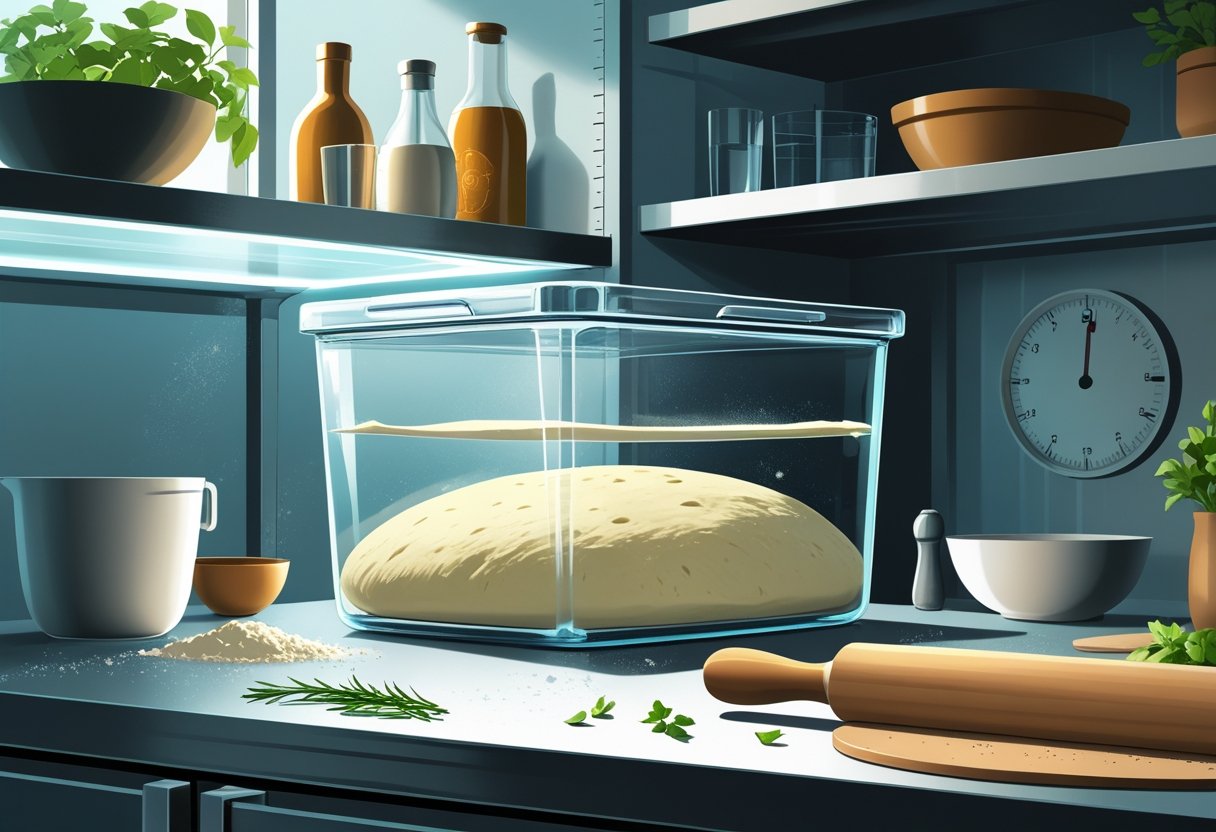
Fermentation plays a key role in developing the flavor of pizza dough. This natural process allows yeast and bacteria to break down sugars and produce flavorful compounds. Different fermentation methods affect the taste, texture, and aroma of the dough. Understanding these techniques helps create a more complex and delicious pizza base.
Cold Fermentation Benefits
Cold fermentation happens when dough rests in the fridge for hours or days. The low temperature slows yeast activity, allowing flavors to build gradually. This method enhances the dough’s depth and adds a slight tanginess. It also improves the texture, making the crust chewier and crispier after baking.
Long cold fermentation produces natural sugars and acids. These elements give the dough a rich, complex taste without adding extra ingredients. It also helps the dough keep its shape and rise well in the oven.
Room Temperature Fermentation
Room temperature fermentation is faster than cold fermentation. It usually takes a few hours for the dough to rise at about 70°F (21°C). This method produces a milder flavor and softer texture. It suits quick pizza preparations where time is limited.
Yeast works actively at room temperature, creating carbon dioxide that makes the dough rise. The flavor is lighter but still pleasant. It’s ideal for fresh, everyday pizzas without the need for long waiting times.
Double Fermentation Process
Double fermentation involves two rising stages. First, the dough rises at room temperature. Then, it rests again in the fridge for more flavor development. This process combines fast yeast activity with slow flavor building.
The initial rise boosts dough volume and gluten strength. The second cold rest deepens the flavor and improves texture. Double fermentation results in a balanced dough with a nice crust and rich taste.
Timing And Flavor Development
Time is a crucial factor in fermentation. Longer fermentation allows more flavor compounds to form. Short fermentation gives a simple, yeasty taste. Over-fermentation can create sour or alcoholic notes.
Finding the right timing depends on the recipe and environment. Many chefs prefer 24 to 72 hours of cold fermentation. This range offers a good balance between flavor and dough handling. Watching the dough’s rise and feel helps determine the perfect moment to bake.
Dough Handling And Mixing
Handling and mixing pizza dough shape its flavor and texture. Each step influences how the dough feels and tastes. Proper dough handling helps build gluten, which creates a chewy crust. Mixing blends ingredients evenly, starting the fermentation that develops flavor. This section explores key factors in dough handling and mixing for better pizza dough.
Kneading Methods For Texture
Kneading strengthens gluten strands, giving dough its structure. Hand kneading allows more control over dough feel. It also lets you sense when dough reaches the right elasticity. Machine kneading works faster and is consistent for large batches. Over-kneading can make dough tough and less flavorful. Under-kneading results in crumbly or dense texture. Proper kneading time varies depending on method and flour type.
Hydration Levels And Flavor
Hydration means the amount of water in the dough. Higher hydration creates a softer, airier crust. It also helps enzymes break down starches, releasing more sugars. These sugars feed yeast and add subtle sweetness to flavor. Low hydration dough is firmer and easier to handle. It produces a denser crust with less open crumb. Adjust hydration based on flour absorption and desired dough feel.
Resting And Autolyse Effects
Resting dough allows flour to fully absorb water. Autolyse is a short rest after mixing flour and water only. This step helps gluten develop naturally without kneading. It improves dough extensibility and flavor depth. Resting also relaxes gluten, making shaping easier. Longer rests let yeast produce more flavorful byproducts. These processes enhance dough taste and texture significantly.
Enhancing Dough Flavor
Enhancing the flavor of pizza dough transforms a simple base into a tasty delight. Small changes in ingredients and techniques create big differences in taste. Each method adds a unique character to the dough. These approaches help make your pizza memorable and delicious.
Incorporating Natural Flavor Boosters
Natural flavor boosters enrich the dough without artificial additives. Ingredients like olive oil add smoothness and depth. Using a pinch of sugar feeds the yeast and brings out sweetness. A bit of salt balances all flavors perfectly. These simple additions improve the dough’s overall taste.
Using Sourdough Starters
Sourdough starters introduce complex, tangy flavors to pizza dough. The natural fermentation process creates a richer aroma. It slows fermentation, allowing flavors to develop fully. This method produces a chewy crust with a slight sour note. Sourdough starters require patience but reward with exceptional taste.
Adding Herbs And Spices
Herbs like oregano, basil, and rosemary lift the dough’s flavor profile. Ground spices such as garlic powder or black pepper add warmth and zest. Fresh herbs can be mixed directly into the dough. Dried herbs offer a more concentrated taste. These additions bring freshness and aroma to every bite.
Sun-dried Tomatoes And Other Mix-ins
Sun-dried tomatoes add a sweet, tangy punch to pizza dough. Chopped finely, they blend well without changing texture much. Other mix-ins include olives, grated cheese, or caramelized onions. These ingredients create pockets of flavor in the crust. Experimenting with mix-ins personalizes your dough’s taste.
Common Flavor Challenges
Developing rich flavor in pizza dough can be tricky. Many bakers face common challenges that affect the taste and texture. Understanding these issues helps create dough with better aroma and depth.
Simple mistakes can lead to bland dough or unpleasant sourness. Controlling fermentation and yeast activity is key to achieving the right balance of flavors. Let’s explore the main flavor challenges and how to avoid them.
Avoiding Bland Dough
Bland dough lacks character and taste. Using too little yeast can cause poor rising and dull flavor. Also, skipping fermentation time reduces flavor complexity. Cold fermentation helps develop subtle, rich notes. Adding a pinch of salt enhances the natural taste of the dough. Avoid rushing the process to let flavors build naturally.
Preventing Over-fermentation
Over-fermentation creates a sour or alcoholic taste. Dough that rises too long can smell and taste unpleasant. Yeast produces alcohol and acids during fermentation, which can overpower flavor. Keep an eye on dough volume; it should roughly double in size. Refrigerate dough if fermentation is too fast. Use less yeast for longer ferment times and better flavor control.
Balancing Yeast Activity
Yeast drives dough flavor and texture. Too much yeast speeds up fermentation but risks off-flavors. Too little yeast slows rising and yields flat dough. Find the right yeast amount for your recipe and environment. Temperature also affects yeast action; warm dough ferments faster. A balanced yeast level creates a pleasant, mild tang and chewy texture.
Credit: www.fontanaforniusa.com
Baking Techniques For Flavor
Baking pizza dough is more than just cooking. It shapes the dough’s flavor and texture. The right baking techniques can make your pizza taste richer and more satisfying. Small details in the baking process affect the final flavor greatly.
Preheating Stones And Ovens
Preheating is key to a great pizza crust. A hot stone or oven gives the dough a quick, intense heat. This heat helps the dough rise fast and form bubbles that add texture. It also creates a slight char that adds a smoky flavor. Without preheating, the dough cooks slowly and tastes flat.
Crust Crispiness And Taste
Crisp crust improves the eating experience and enhances flavor. A crispy crust forms when moisture escapes quickly during baking. This process caramelizes the sugars in the dough, creating a golden color and a toasty taste. Using a baking stone or steel helps achieve this crispiness by evenly distributing heat.
Temperature’s Role In Final Flavor
High temperatures develop more complex flavors in the dough. Heat speeds up Maillard reactions, which produce browned spots and rich aromas. Baking at lower temperatures makes the crust softer and less flavorful. Aim for temperatures above 450°F (230°C) for a traditional, tasty pizza crust.
Troubleshooting Flavor Issues
Troubleshooting flavor issues in pizza dough is key to baking success. Sometimes, dough may taste off or bland. Pinpointing the cause helps fix problems quickly. Small changes can improve the dough’s taste and texture. Understanding common flavor issues guides better baking decisions.
Identifying Off-flavors
Off-flavors can come from many sources. A sour or alcoholic taste means over-fermentation. A bitter or metallic note may come from old yeast or flour. Sometimes, poor water quality changes flavor. Smell the dough and take a small bite. This helps detect any strange or unpleasant tastes early.
Adjusting Fermentation Times
Fermentation time impacts flavor strongly. Short fermentation often causes bland dough. Long fermentation can lead to sourness or alcohol flavors. Lowering the temperature slows yeast activity and deepens flavor. Try cold fermentation in the fridge for 24 to 72 hours. Watch the dough rise and smell to find the best timing.
Modifying Ingredient Ratios
Ingredient balance changes dough flavor and texture. More yeast speeds fermentation but can add harsh notes. Less yeast slows fermentation and may produce dull flavor. Salt controls yeast and adds taste; too little makes dough bland. Too much salt can kill yeast and toughen dough. Adjust flour type or hydration for softer or crisper crust. Test small batches to find ideal ratios.
Regional Styles And Flavor Profiles
Pizza dough flavor changes a lot based on the region it comes from. Each style has unique tastes and textures. The local climate, ingredients, and traditions shape these differences. Understanding these regional styles helps you appreciate the art of pizza making. It also guides you in creating dough with authentic flavors at home.
Neapolitan Vs. New York Style
Neapolitan dough is soft, light, and chewy. It uses simple ingredients: flour, water, salt, and yeast. It ferments quickly and cooks at very high heat. This creates a slightly charred, tender crust with a fresh wheat taste.
New York style dough is thicker and chewier. It often includes oil and sugar. The dough ferments longer, developing a richer, more complex flavor. It bakes at a lower temperature, giving a crisp outside and soft inside.
Influence Of Local Ingredients
Local flour type greatly affects dough flavor. Some regions use soft wheat, others hard wheat. Water quality also changes the dough’s taste and texture. Salt and yeast varieties differ too. These small changes give each pizza a distinct regional character.
Even the air and humidity in a place impact fermentation. Bakers adapt their recipes to match local conditions. This creates a unique taste that belongs to the place.
Tradition Meets Innovation
Traditional pizza makers respect old recipes and methods. They use slow fermentation and natural starters. This builds deep, rich flavors over time. New bakers try adding herbs, spices, or alternative flours.
Some combine old techniques with new technology. For example, cold fermentation slows yeast activity. This improves flavor without losing texture. Experimenting keeps pizza dough evolving while honoring its roots.
Frequently Asked Questions
How To Develop Flavor In Pizza Dough?
Develop flavor in pizza dough by cold fermenting it slowly for 24-72 hours. Use quality flour and minimal yeast. Longer fermentation lets yeast break down sugars, creating complex flavors. Avoid over-proofing to prevent sour taste.
What Is The 55 Rule For Pizza Dough?
The 55 rule for pizza dough means using 55% hydration—55 grams of water per 100 grams of flour—for balanced texture and flavor.
Does Pizza Dough Taste Better The Longer It Rises?
Yes, longer rising lets yeast produce flavorful byproducts, enhancing pizza dough’s taste and texture significantly.
Why Does My Pizza Dough Taste Bland?
Your pizza dough tastes bland due to insufficient fermentation time or too little yeast. Slow, cold fermentation enhances flavor by allowing yeast to develop complex taste compounds. Using quality flour and proper salt levels also improves dough flavor. Avoid overusing yeast to prevent sour or alcoholic aftertaste.
Conclusion
Developing pizza dough flavor takes time and patience. Let the dough rise slowly for best taste. Cold fermentation helps create deeper, richer flavors. Using the right amount of yeast is important. Avoid rushing the process to prevent bland dough. Simple ingredients and proper technique make a big difference.
Experimenting with fermentation times improves your dough’s character. Enjoy the process and savor every bite. Great pizza starts with well-developed dough flavor.

As the author of the “Ultimate Pizza Guide: Recipes, Tips & Secrets Revealed,” I’m dedicated to sharing my love for pizza and empowering others to create delicious homemade pizzas with ease. Join me on a journey to uncover the secrets to perfecting your pizza game!