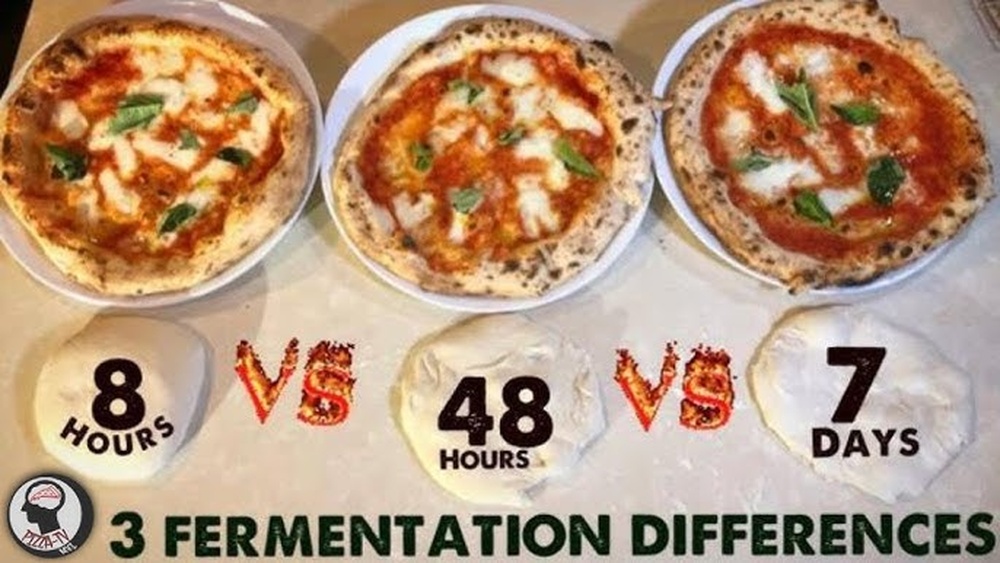
If you’ve ever wondered why some pizza crusts taste so much better than others, the secret often lies in how long the dough ferments. Pizza dough fermentation length isn’t just a step in the process—it’s the game-changer that transforms simple ingredients into a flavorful, airy, and perfectly textured crust.
Whether you’re a beginner or a seasoned pizza maker, understanding how fermentation time affects your dough can take your homemade pizza to the next level. Ready to discover the ideal fermentation window that suits your schedule and taste buds? Keep reading, and you’ll learn everything you need to master the art of pizza dough fermentation.
Fermentation Basics
Fermentation is a key step in making great pizza dough. It affects the dough’s texture, flavor, and rise. Understanding fermentation basics helps bakers control the process for the best results. This section explains what happens during fermentation, how yeast interacts with the dough, and the role temperature plays.
What Happens During Fermentation
Fermentation is when yeast eats sugar in the dough. It produces carbon dioxide gas and alcohol. The gas creates bubbles that make the dough rise and become light. The alcohol adds flavor and aroma to the dough. This process also breaks down gluten, making the dough easier to stretch.
Yeast And Dough Interaction
Yeast is a living organism that reacts with flour and water. It feeds on sugars in the flour and releases gas. The gas gets trapped in the dough’s gluten network. This causes the dough to expand and become airy. Yeast also helps develop the dough’s taste during fermentation.
Role Of Temperature
Temperature controls how fast yeast works. Warmer dough speeds up fermentation. Cooler dough slows it down. Cold fermentation produces a stronger flavor but takes longer. Room temperature fermentation is faster but may produce less flavor. Adjusting temperature helps control dough’s rise and taste.
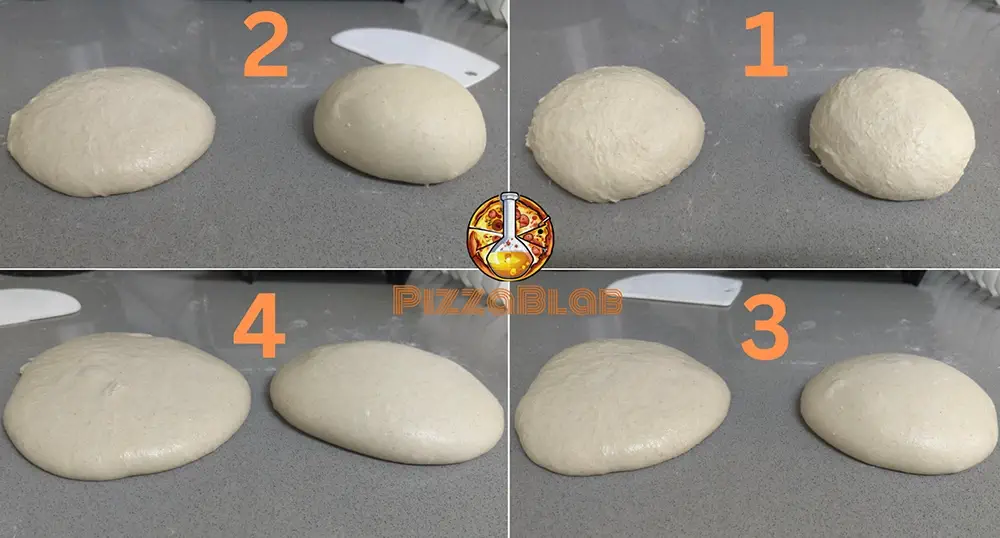
Credit: www.pizzablab.com
Fermentation Times
Fermentation time plays a crucial role in shaping pizza dough’s flavor, texture, and rise. Different fermentation lengths change the dough’s characteristics. Understanding these differences helps you choose the best method for your pizza style. Below, we explore the benefits and effects of short, cold, and long fermentation times.
Short Fermentation Benefits
Short fermentation usually lasts 1 to 3 hours. It produces dough that rises quickly. This method suits busy cooks needing fast results. The dough remains soft and easy to shape. It offers a mild flavor, ideal for simple pizzas. Short fermentation works well with fresh yeast or instant yeast. The crust tends to be light but less complex in taste.
Cold Fermentation Advantages
Cold fermentation takes place in the fridge for 24 to 72 hours. This slower process allows flavors to develop deeply. The dough becomes more elastic and easier to stretch. It also improves the crust’s crunch and chewiness. Cold fermentation reduces yeast activity, giving the dough a balanced rise. This method suits artisan pizza styles and home bakers aiming for rich taste.
Long Fermentation Effects
Long fermentation can last over 72 hours, sometimes up to a week. It enhances flavor with a tangy, slightly sour note. The dough’s gluten structure strengthens, improving texture and chew. Extended fermentation can increase dough hydration, making it lighter. Watch for over-fermentation, which might weaken dough and cause collapse. Long fermentation is best for experienced bakers seeking deep flavor and unique crust.
Room Temperature Fermentation
Room temperature fermentation is a common method for preparing pizza dough. It allows the dough to develop flavor and texture naturally. This process relies on yeast activity and typically takes a few hours to complete. The room temperature environment speeds up fermentation compared to cold methods. Understanding how long to ferment at room temperature helps achieve the best dough quality.
Ideal Duration
The ideal room temperature fermentation lasts between 2 to 4 hours. This range varies depending on the temperature and yeast amount. Warmer rooms shorten fermentation time. Cooler rooms require more time. Check the dough periodically to avoid under or over fermentation. Aim for dough that roughly doubles in size.
Signs Dough Is Ready
Look for dough that has risen and feels soft and puffy. It should pass the “poke test”: gently press the dough with your finger. If the indentation slowly fills back, the dough is ready. If the dough springs back quickly, it needs more time. A well-fermented dough will also have small air bubbles inside.
Risks Of Overfermentation
Leaving dough to ferment too long at room temperature causes overfermentation. This breaks down gluten structure, making dough sticky and hard to shape. Overfermented dough can develop a sour smell and taste. It may collapse or lose its rise. Avoid these risks by monitoring dough closely and not exceeding 5 hours.
:max_bytes(150000):strip_icc()/__opt__aboutcom__coeus__resources__content_migration__serious_eats__slice.seriouseats.com__images__20100923-pizza-lab-fermentation-crusts-days-dfb1224705b84d078221037d6be82c71.jpg "Pizza Dough Fermentation Length: Ultimate Guide for Perfect Crust 3")
Credit: www.seriouseats.com
Cold Fermentation Insights
Cold fermentation is a popular method for improving pizza dough. It involves letting the dough rest in the refrigerator for an extended time. This slow process helps develop better flavor and texture. Understanding the ideal timing and care can make a big difference in your pizza crust.
Optimal Refrigeration Period
The best cold fermentation lasts between 24 and 72 hours. Dough kept too short may lack flavor. Dough kept too long can become over-fermented and lose structure. Most home bakers find 48 hours works well. This period balances flavor and dough strength. Always store dough in an airtight container to avoid drying out.
Flavor Development
During cold fermentation, yeast works slowly to create complex flavors. The dough gains a mild tang and deeper aroma. Natural sugars break down, enhancing sweetness and crust browning. This slow process makes the dough easier to digest. It also improves the crust’s chewiness and crispness after baking.
Handling And Storage Tips
Use a large container to allow the dough room to grow. Cover the dough tightly with plastic wrap or a lid. Avoid opening the container often to keep the temperature steady. Before shaping, let the dough warm up for 30 minutes at room temperature. This step relaxes the gluten and makes stretching easier. Proper handling keeps the dough fresh and ready for baking.
Tools To Gauge Dough Readiness
Knowing when pizza dough is ready after fermentation is key to great pizza. The dough changes over time, and using tools to check readiness helps avoid guesswork. These tools offer simple ways to judge dough without special equipment. They focus on how the dough looks, feels, and behaves. Each method gives clues about the fermentation progress and dough quality.
Visual Cues
Look at the dough’s size and surface. It should roughly double in volume. The surface often shows bubbles or small cracks. These bubbles mean yeast is active and producing gas. A smooth, shiny surface can mean the dough is ready. If the dough shrinks back quickly after pressing, it may need more time.
Touch And Texture Tests
Gently press the dough with your finger. It should feel soft but spring back slowly. If it springs back too fast, it is under-fermented. If it stays indented, it may be over-fermented. The dough should feel slightly sticky but not wet. This test helps confirm the dough’s strength and elasticity.
Using The Shot Glass Method
Take a small piece of dough and place it inside a shot glass. The dough should touch all sides of the glass. Let it sit at room temperature. When the dough piece doubles in size, it is ready. This simple method measures fermentation by dough expansion. It works well for consistent and reliable results.
Adjusting Fermentation For Different Recipes
Adjusting fermentation time is crucial for different pizza dough recipes. Fermentation affects dough flavor, texture, and rise. Each style needs unique fermentation periods to reach its best form. Understanding these differences helps make perfect pizza every time.
Neapolitan Style
Neapolitan dough benefits from a long, slow fermentation. Typically, 18 to 24 hours at a cool temperature works well. This slow rise enhances flavor and creates a light, airy crust. Shorter fermentation can make the dough less flavorful and dense.
Use Tipo 00 flour for the best texture. Keep the dough hydrated but not too wet. Cold fermentation in the fridge improves elasticity and taste. Let the dough rest at room temperature before shaping for easy handling.
Thick Crust Variations
Thick crust dough needs a longer fermentation to develop fully. Around 24 to 48 hours cold fermentation is ideal. This allows the dough to rise slowly and gain flavor complexity. A longer fermentation also helps create a chewy, soft interior.
Use higher hydration to keep the dough soft but manageable. Avoid rushing the proofing process. Punching down the dough after the first rise redistributes gases and improves texture. Final shaping should be gentle to keep air pockets intact.
High Protein Flour Doughs
High protein flours absorb more water and ferment slower. They need slightly longer fermentation times, about 24 hours or more. This helps break down gluten and makes the dough easier to stretch. The result is a strong, chewy crust with good structure.
Adjust water content to prevent dryness. Watch the dough closely during fermentation to avoid over-proofing. Using instant yeast can speed up the process if needed. Resting the dough after shaping improves extensibility and oven spring.
Common Mistakes In Fermentation
Fermentation is a key step in making pizza dough. Mistakes during this process can ruin the dough’s texture and flavor. Many beginners face common issues that affect dough quality. Understanding these mistakes helps improve your pizza baking skills.
Too Long At Room Temperature
Leaving dough out too long at room temperature causes over fermentation. The dough can become sticky and lose structure. It may develop a sour taste that is too strong. Over fermented dough is hard to shape and bakes poorly. Control the timing carefully to avoid this problem.
Inconsistent Temperature Control
Temperature changes slow or speed up fermentation unexpectedly. Warm spots cause uneven rising and uneven gluten development. Cold spots slow yeast activity, resulting in dense dough. Keep dough in a stable, moderate temperature for best results. Use a thermometer or a controlled environment if possible.
Ignoring Dough Signs
Watching the dough is better than relying on the clock. Dough should double in size and feel soft and airy. Overlooked signs lead to under or over fermentation. Check for bubbles, elasticity, and smell to judge readiness. Trust your senses for perfect dough every time.
Enhancing Flavor And Texture
Fermentation length plays a key role in enhancing the flavor and texture of pizza dough. The time allows natural enzymes and yeast to develop complex flavors. It also changes the dough’s structure, making it airy and chewy. Adjusting ingredients during fermentation can boost these effects. Small tweaks in flour type, fats, and hydration help create a better crust and crumb.
These simple changes work together with fermentation time. They build a dough that tastes richer and feels perfect on the palate. Experimenting with flour, oil, cheese, and moisture balance leads to delicious results.
Using Semolina And Tipo 00 Flour
Semolina adds a slightly gritty texture and a nutty flavor. It gives the crust a golden color and a bit of crunch. Tipo 00 flour is very fine and soft. It creates a smooth, elastic dough that stretches easily. Mixing these flours balances chewiness and crispness. Both flours improve fermentation by feeding yeast better.
Adding Olive Oil And Cheese
Olive oil softens the dough and adds a subtle richness. It slows fermentation slightly but makes the crust tender. Cheese, like Pecorino Romano, brings extra flavor and fat. It melts into the dough and adds savory notes. These ingredients enrich the dough without overpowering natural fermentation flavors. They also improve browning during baking.
Balancing Hydration And Yeast
Hydration affects dough softness and fermentation speed. Higher water content helps yeast work faster and creates open crumbs. Too much water makes dough sticky and hard to shape. Yeast quantity controls fermentation length and rise. Using less yeast with longer fermentation develops more flavor. Finding the right balance is key for ideal dough texture and taste.
Expert Tips And Tricks
Understanding the right techniques for pizza dough fermentation can elevate your pizza-making experience. Expert tips help control fermentation length and improve dough texture and flavor. Small adjustments in the process make a big difference in the final crust.
These tips focus on managing fermentation stages, yeast choices, and ways to get the best dough results. Following these tricks ensures your dough rises perfectly and tastes delicious.
Managing Bulk Fermentation
Bulk fermentation is when the dough rests and rises after mixing. Keep the dough covered and at a consistent temperature between 70°F and 75°F for best results. Check the dough every hour to avoid over-fermentation. The dough should double in size and feel airy but not sticky. Use a timer to track fermentation length carefully. If the dough rises too fast, lower the temperature or shorten the time. A slower bulk fermentation produces better flavor and texture.
When To Use Instant Vs Dry Yeast
Instant yeast works faster and can be added directly to flour without proofing. It suits quick fermentations under 4 hours. Dry yeast needs to be dissolved in warm water before use. It is better for longer fermentations or cold fermentation. Use dry yeast if you want a stronger flavor and slower rise. Both types create good dough, but timing and method affect dough behavior. Choose yeast based on your fermentation plan and schedule.
Maximizing Dough Performance
Proper fermentation is key for dough strength and flavor. Use high-quality flour with enough protein for good gluten development. Knead dough until smooth and elastic before fermenting. Hydration levels affect fermentation speed; wetter dough ferments faster. Cold ferment dough in the fridge for 24 to 72 hours to develop complex flavors. Always handle dough gently after fermentation to keep the air inside. Proper fermentation and handling lead to a light, chewy pizza crust.
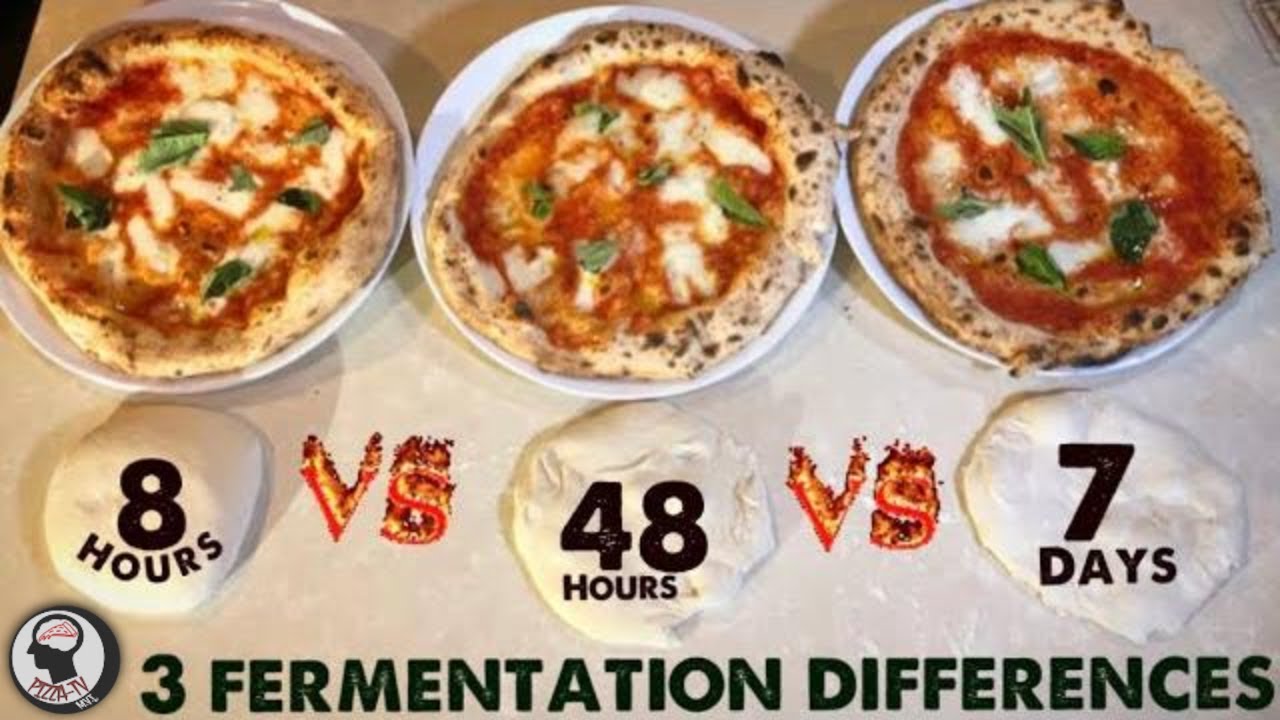
Credit: www.youtube.com
Frequently Asked Questions
How Long Is Too Long To Ferment Pizza Dough?
Fermenting pizza dough longer than 5-7 days in the fridge can cause over-fermentation. It leads to weak gluten and sour flavors. Room temperature fermentation usually lasts 4-6 hours; beyond that, dough may overproof and collapse. Always watch dough texture and rise for best results.
Is 7 Hours Too Long To Bulk Ferment?
Seven hours can be too long for bulk fermentation at room temperature. It may cause over-fermentation, affecting dough texture and flavor. Monitor dough rise and adjust time based on temperature and yeast activity for best results.
How To Know When Pizza Dough Is Done Fermenting?
Pizza dough is done fermenting when it doubles in size and feels airy with visible bubbles. The dough should spring back slowly when pressed.
What Is The 55 Rule For Pizza Dough?
The 55 rule for pizza dough means using 55% hydration—55 grams of water per 100 grams of flour. This creates a soft, manageable dough.
Conclusion
Fermentation time shapes pizza dough’s flavor and texture. Short fermentations yield mild taste and soft crust. Longer fermentations create complex flavors and chewier crusts. Cold fermentation slows yeast, improving dough strength and taste. Watch dough rise and feel it gently to judge readiness.
Avoid over-fermentation to keep dough balanced and easy to handle. Experiment with times to find your perfect dough style. Patience in fermentation rewards with better homemade pizza every time.

As the author of the “Ultimate Pizza Guide: Recipes, Tips & Secrets Revealed,” I’m dedicated to sharing my love for pizza and empowering others to create delicious homemade pizzas with ease. Join me on a journey to uncover the secrets to perfecting your pizza game!