Is your pizza dough not rising like it should? Or maybe it’s overgrown, sticky, and impossible to shape?
If you’ve faced these frustrating moments, you’re not alone. Fermentation is the heart of great pizza dough, but it can also be the trickiest part to master. The good news? You can fix these common problems and take your dough from a mess to a masterpiece.
In this guide, you’ll discover simple, clear solutions to troubleshoot your pizza dough fermentation issues. Keep reading, and you’ll learn how to rescue dough that won’t rise, handle over-fermented batches, and understand exactly what’s happening inside your mix—so your next pizza turns out perfect every time.

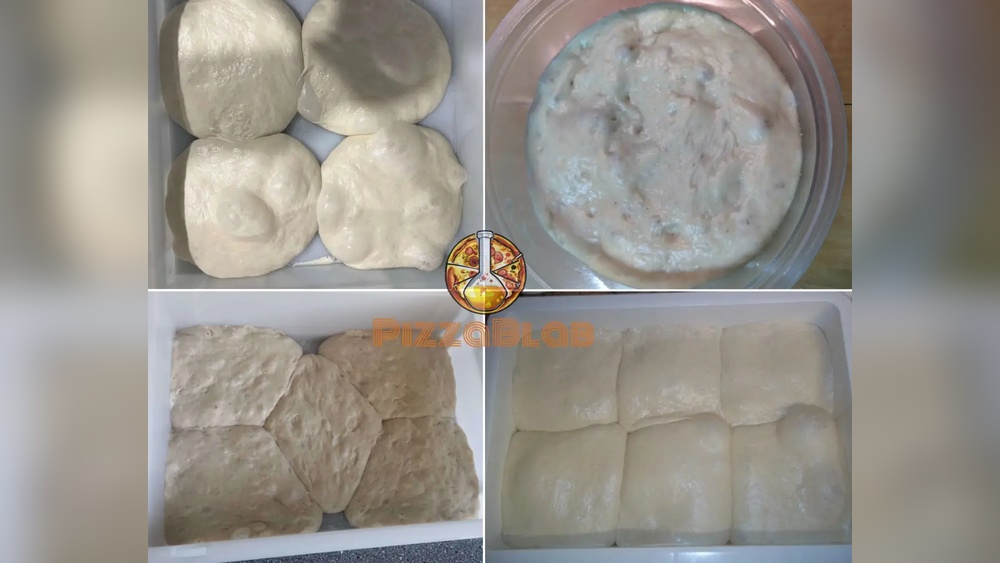
Credit: www.reddit.com
Common Fermentation Issues
Fermentation is a key step in making great pizza dough. It helps develop flavor and texture. Sometimes, problems happen during fermentation. These issues can affect dough rise, texture, and taste. Understanding common fermentation problems can help fix them fast. Below are frequent issues and tips to spot them early.
Dough Not Rising
Dough not rising means yeast is not active enough. Yeast may be old or dead. Cold temperatures slow yeast growth too much. Dough left in a too cold fridge will not rise well. Use warm water to mix dough. Let dough sit at room temperature for a short time before refrigerating. Check yeast expiration date before use. A dough that stays flat needs more warmth or fresh yeast.
Overproofed Dough Signs
Overproofed dough rises too much and then collapses. It looks very puffy but feels weak. Large bubbles may burst, leaving holes in dough. The color may turn pale or grayish. Smell can become sour or alcoholic. Gluten weakens, making dough hard to handle. Overproofing means dough ferments too long or at high temperature. Use shorter fermentation times and cooler temperatures to avoid this.
Sticky Dough Problems
Sticky dough is hard to shape and sticks to hands. It often means too much water or not enough flour. Dough that ferments too long can become sticky too. Sticky dough can also result from weak gluten development. To fix sticky dough, add small amounts of flour while kneading. Avoid adding too much flour to keep dough soft. Proper kneading and correct water ratio help prevent stickiness.
Causes Behind Fermentation Problems
Fermentation is vital for making pizza dough rise and develop flavor. Several issues can stop dough from fermenting properly. Understanding these causes helps fix common problems quickly. Below are key factors that affect fermentation and what may go wrong.
Yeast Quality And Activity
Yeast is a living organism that drives fermentation. Old or dead yeast cannot produce gas needed to rise dough. Store yeast in a cool, dry place. Always check the expiration date before use. Fresh yeast ensures active fermentation and good dough texture.
Using too little yeast slows fermentation and may cause dough to stay dense. Too much yeast can make dough rise too fast and lose flavor. Measure yeast carefully for best results.
Temperature Effects
Temperature controls how fast yeast works. Cold temperatures slow fermentation. Dough left in a refrigerator will rise slowly or not at all. Warm temperatures speed up yeast activity but too much heat can kill yeast.
Ideal dough fermentation happens between 75°F and 85°F (24°C – 29°C). Temperatures above 120°F (49°C) stop yeast from working. Keep dough in a warm, draft-free place for steady fermentation.
Sugar Consumption By Yeast
Yeast feeds on sugar to produce carbon dioxide and alcohol. Lack of sugar means yeast has less fuel to ferment dough. Some flour types have less natural sugar, so adding a small amount of sugar helps.
Too much sugar can also harm yeast by drawing water out of its cells. Balance sugar carefully in your recipe. Proper sugar levels improve yeast activity and dough rise.
Visual And Sensory Clues
Understanding the visual and sensory clues during pizza dough fermentation helps prevent common baking mistakes. Observing the dough closely gives you signs about its readiness and quality. These clues help adjust fermentation time or temperature for better results.
Appearance And Texture Changes
Dough should look smooth and slightly shiny after fermenting. Small bubbles or air pockets appear under the surface. The dough expands and feels soft and elastic. Over-fermented dough looks very puffy and may have large popped bubbles. It can become sticky or too loose, losing its shape easily.
Smell Indicators
Freshly fermented dough has a mild, yeasty aroma. A slight sweetness or bread-like scent is normal. If the dough smells sour, like vinegar or alcohol, it may be over-fermented. This means the yeast has produced too much acid or alcohol. A bad or rotten smell means the dough should be discarded.
Poke Test For Dough Readiness
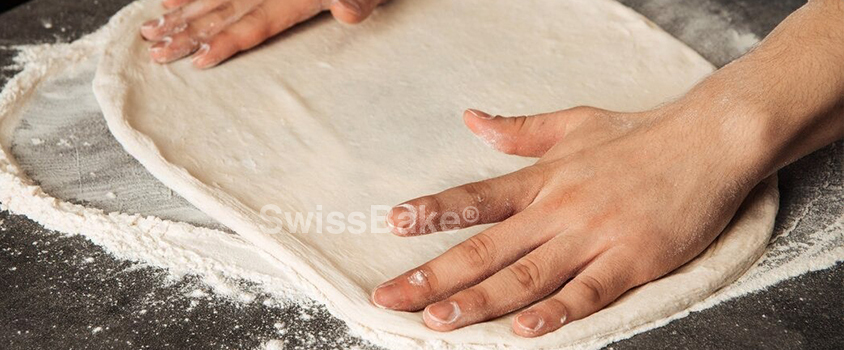
Press your finger gently into the dough surface. If the indentation springs back slowly, the dough is ready. If it springs back quickly, the dough needs more time. If the indentation stays and does not bounce back, the dough is over-fermented. This simple test helps decide the perfect time to bake.
Credit: www.swissbake.in
Fixes For Under-fermented Dough
Under-fermented pizza dough can lead to a dense and tough crust. Fixing this issue improves texture and flavor. Here are simple ways to help your dough ferment properly and rise as expected.
Room Temperature Kick-start
After mixing, let the dough rest at room temperature. This encourages yeast activity and fermentation. Even one to two hours can make a big difference. Avoid placing dough in the fridge immediately. The warmth helps yeast wake up and start working.
Adjusting Fermentation Time
Extend the fermentation time if dough feels tight or hard. More time allows yeast to produce gases and flavors. Check dough every 30 minutes after the first hour. Look for visible bubbles and a soft, airy feel. Avoid rushing the process for better results.
Using Fresh Yeast
Old or expired yeast loses its power to ferment dough. Always use fresh yeast for reliable rising. Test yeast by dissolving it in warm water with sugar. If it bubbles and foams within 10 minutes, it’s active. Replace yeast that shows no activity.
Handling Overfermented Dough
Overfermented pizza dough can be a real challenge. It loses its strength and becomes too soft. The dough might smell sour or alcoholic. Its texture changes, making it hard to shape. Handling this dough carefully can save your pizza. Let’s explore how to assess and fix overfermented dough. Also, learn tips to prevent overproofing next time.
Assessing Usability
Check the dough’s smell and texture first. A strong sour or alcohol smell means overfermentation. Press the dough gently. If it collapses easily, the gluten is weak. Look for large bubbles or a pale color. These signs show the dough may not rise well. Still, slightly overfermented dough can bake with good results. Very slack dough might be too far gone.
Techniques To Rescue Dough
Try folding the dough gently to rebuild strength. Shape it carefully without pressing too hard. Let it rest for 20 to 30 minutes to regain some elasticity. Use less yeast next time to slow fermentation. Avoid adding extra flour, which can dry the dough. Bake at a slightly higher temperature to improve crust texture. Thin out the dough for a crispier base if it feels weak.
Avoiding Overproofing Next Time
Control the fermentation time closely. Use a timer to track rising periods. Keep dough in a cool place or fridge for slower fermentation. Use fresh yeast for consistent activity. Measure ingredients precisely for balanced dough. Test dough early to stop fermentation before it gets too far. Practice makes it easier to find the perfect timing.

Credit: www.reddit.com
Tips For Perfect Dough Fermentation
Fermentation is a crucial step in making pizza dough. It develops flavor, texture, and structure. Perfect fermentation requires care and attention. Small adjustments can greatly improve your dough’s rise and taste. Follow these practical tips to get consistent, delicious results every time.
Ideal Temperature Ranges
Yeast works best between 75°F and 80°F (24°C to 27°C). Temperatures lower than 70°F slow fermentation down. Above 85°F, yeast may die or ferment too fast. Maintain a warm, draft-free spot for your dough. Avoid sudden temperature changes to keep the yeast active and healthy.
Proper Storage Practices
Store dough in a lightly oiled bowl. Cover it with plastic wrap or a damp cloth. This prevents drying and crust formation. For cold fermentation, use a sealed container or bag. Keep it in the fridge at 38°F to 42°F (3°C to 6°C). Remove dough from the fridge before shaping to warm up slightly.
Timing And Patience
Fermentation time varies by recipe and temperature. Dough usually doubles in size after 1 to 2 hours at room temperature. For slow fermentation, refrigerate dough for 12 to 72 hours. Avoid rushing the process to develop better flavor and texture. Check the dough gently; it should feel airy and slightly springy.
Troubleshooting Dough Stickiness
Sticky pizza dough can be frustrating during fermentation and shaping. It slows down your work and makes the dough hard to handle. Understanding why dough becomes sticky helps fix the issue quickly. This section covers the causes, preventive tips, and ways to manage sticky dough when shaping.
Causes Of Excess Stickiness
Too much water in the dough increases stickiness. Using the wrong flour type can cause the dough to feel wet. Not enough flour during kneading leaves the dough tacky. Over-fermentation breaks down gluten, making the dough sticky. Warm temperatures speed up fermentation and increase stickiness. Poor kneading technique can also cause uneven texture.
Preventive Measures
Measure ingredients carefully to avoid extra water. Use bread flour for better gluten development. Add flour gradually while kneading to control stickiness. Keep dough at a cool room temperature during fermentation. Knead the dough until it feels smooth and elastic. Cover dough with a damp cloth to keep moisture balanced.
Handling Sticky Dough During Shaping
Lightly flour your hands and work surface before shaping. Use a bench scraper to lift sticky dough without tearing. Avoid adding too much flour, which can dry out the dough. Chill sticky dough in the fridge for 10-15 minutes to firm it up. Stretch dough gently, letting it rest if it resists. Use oil on your hands to reduce stickiness without adding flour.
Frequently Asked Questions
Why Is My Pizza Dough Not Fermenting?
Your pizza dough may not ferment due to old yeast, too-cold fridge temperatures, or insufficient resting time at room temperature.
What Is The 55 Rule For Pizza Dough?
The 55 rule for pizza dough means using 55% hydration—55 grams of water per 100 grams of flour—for a balanced, easy-to-handle dough.
How To Tell If Pizza Dough Is Over Fermented?
Over-fermented pizza dough smells sour or alcoholic and looks pale or grayish. It feels slack, fragile, and deflates easily. Large, popped bubbles appear, and dough fails the poke test, leaving an indentation without springing back. These signs indicate weakened gluten and poor dough structure.
What Does Overproofed Pizza Dough Look Like?
Overproofed pizza dough looks puffy, slack, and fragile with large, popped bubbles. It appears pale or grayish and smells sour or alcoholic. The dough deflates easily and doesn’t spring back when poked, showing weakened gluten and loss of shape-holding ability.
Conclusion
Troubles with pizza dough fermentation happen to everyone sometimes. Watch for signs like slow rising or sticky texture. Adjust temperature and yeast freshness to help dough ferment well. Let dough rest at room temperature to kick-start activity. Avoid overproofing by checking dough often; it should feel springy, not slack.
Small changes can fix common dough problems quickly. With patience and care, you can enjoy better pizza every time. Keep practicing and learning from each batch you make.

As the author of the “Ultimate Pizza Guide: Recipes, Tips & Secrets Revealed,” I’m dedicated to sharing my love for pizza and empowering others to create delicious homemade pizzas with ease. Join me on a journey to uncover the secrets to perfecting your pizza game!