“Pizza Dough Hydration Adjustment”
Have you ever wondered why some pizza crusts turn out perfectly soft and airy, while others feel dense and tough? The secret often lies in one simple yet powerful factor: pizza dough hydration.
By adjusting the amount of water in your dough, you can transform your homemade pizza into a mouthwatering masterpiece. Whether you want a crispier crust or a chewier bite, mastering hydration adjustment puts you in full control of your pizza’s texture and flavor.
Ready to unlock the science behind dough hydration and elevate your pizza game? Keep reading to discover how small changes in water content can make a big difference in every slice you bake.
Hydration Basics
Understanding hydration is key to making great pizza dough. Hydration affects dough texture and handling. It is simply the ratio of water to flour in the dough. This ratio changes how the dough feels and bakes.
Adjusting hydration helps control crust softness, chewiness, and rise. Even small changes can make a big difference in your pizza. Knowing hydration basics helps you create dough that matches your taste and style.
What Hydration Means
Hydration means the percentage of water compared to flour weight. For example, 60% hydration means 60 grams of water per 100 grams of flour. Water activates gluten, the protein that gives dough strength.
More water makes dough stickier and softer. Less water creates firmer dough that is easier to shape. Hydration also affects how the crust bakes—crisp or chewy.
Common Hydration Levels
Typical pizza dough hydration ranges from 55% to 70%. Lower hydration, around 55%, produces a stiff dough. It is easier to handle and creates a thicker crust.
Medium hydration near 60% is common for balanced dough. It offers good elasticity and a soft crumb. Higher hydration, above 65%, results in a wetter dough. This dough is stretchier and makes a lighter, airier crust.

Credit: eu.gozney.com
Effects On Dough
Adjusting the hydration level of pizza dough significantly changes how the dough behaves. Hydration means the amount of water compared to flour in the dough. This ratio affects the dough’s texture, how easy it is to handle, and the final crust quality. Small changes in water content can make a big difference in the baking process and the pizza’s taste.
Texture And Elasticity
Higher hydration makes the dough softer and more elastic. It feels wetter and more flexible to touch. This elasticity helps the dough stretch without tearing. Lower hydration dough is stiffer and less stretchy. It may feel denser and harder to work with. The right balance creates a smooth, springy dough that holds air well.
Handling And Stretching
Hydration affects how easy the dough is to shape. Wet dough can be sticky and hard to control. It may need more flour on the surface to prevent sticking. Dryer dough is easier to handle and less sticky. It stretches less but holds its shape better. Finding the right hydration helps create a dough that is both easy to stretch and strong enough to hold toppings.
Crust Crispiness And Chew
Dough with higher hydration often bakes into a crust that is crisp outside and chewy inside. The extra water creates steam during baking, which forms air pockets. These pockets give the crust a light, airy texture. Lower hydration dough results in a denser, crunchier crust with less chew. Adjusting hydration lets you control the crust texture to match your pizza style.
Adjusting Hydration
Adjusting hydration in pizza dough changes its texture and handling. Hydration means the amount of water compared to flour in your dough. Changing water content affects elasticity, softness, and crust quality. Small adjustments can improve your pizza’s taste and baking results.
Increasing Water Content
Adding more water makes dough softer and stretchier. It helps create a lighter, airier crust. Higher hydration dough is stickier and harder to shape. Handle it gently to keep the structure. Use wet hands or a dough scraper to work with it. Remember, more water means longer fermentation time for best results.
Reducing Hydration
Less water makes dough firmer and easier to shape. It gives a denser, chewier crust. Lower hydration is good for beginners or thick crust pizzas. The dough is less sticky and holds its form well. It bakes faster and has a crispier texture. Adjust slowly to avoid dry or tough dough.
Tools For Measurement
Use a digital kitchen scale for precise water and flour amounts. Measure by weight, not volume, for accuracy. A measuring jug helps when adding water. Keep notes of your hydration percentages for consistency. Hydration percentage = (water weight ÷ flour weight) × 100. Proper tools lead to better dough control and pizza results.
High Hydration Techniques
High hydration pizza dough contains more water than standard dough. This extra water makes the dough soft and elastic. It creates a lighter, airier crust with large bubbles. Handling this dough needs special care and skill. Using the right techniques helps manage the dough easily and shape it well.
Mixing And Kneading Tips
Mix dough slowly to let water absorb fully. Use a gentle folding method instead of heavy kneading. This keeps the dough structure strong without tearing. Wet hands or a dough scraper help manage sticky dough during kneading. Let the dough rest between folds. This rest helps develop gluten and improves texture.
Managing Sticky Dough
High hydration dough feels sticky and soft. Dust your work surface with flour, but avoid too much. Use wet hands to handle the dough without sticking. Keep a dough scraper nearby to lift and move the dough. Avoid adding extra flour, which can dry out the dough. Patience and gentle handling reduce frustration.
Shaping Challenges
Shaping wet dough can be tricky. Use a light touch to stretch the dough slowly. Support the dough’s edges to keep its shape. Work on a well-floured surface or use parchment paper. Avoid pressing down too hard to keep air bubbles intact. Practice helps improve control and confidence.
Hydration And Flour Types
Hydration plays a vital role in pizza dough texture and handling. The amount of water in dough changes how it feels and bakes. Different flours absorb water at different rates. Knowing how flour type affects hydration helps in making perfect pizza dough.
Impact Of Flour Absorption
Flour absorbs water depending on its protein and fiber content. High-protein flours soak up more water. This creates a dough that is more elastic and stronger. Low-protein flours absorb less water and make softer dough. Whole wheat flour holds more water because of its bran and germ. Adjusting water amount to flour type improves dough consistency. It prevents dough from being too sticky or too dry.
Choosing The Right Flour
Pick flour based on the pizza style you want to make. Bread flour works well for chewy and elastic crusts. All-purpose flour suits softer, tender crusts. Whole wheat or specialty flours add flavor and nutrition. They need more water to balance dryness. Testing flour with different hydration levels helps find the best match. Proper flour choice makes dough easier to work with and better tasting.
Hydration And Fermentation
Hydration and fermentation are key factors in pizza dough preparation. Hydration means the amount of water added to the flour. It affects the dough’s texture and how it handles during shaping. Fermentation is the process where yeast consumes sugars and creates gases. This helps the dough rise and develop flavor. Adjusting hydration changes fermentation speed and dough behavior. Understanding their relationship helps create better pizza crusts.
Rise And Proofing Times
Higher hydration dough rises faster because water feeds yeast well. The dough becomes softer and more elastic. This can shorten proofing times. Lower hydration dough is firmer and rises slower. It needs longer proofing to develop air pockets. Proper rise time prevents dense or flat crusts. Watching dough size, not just time, is important. Adjust proofing based on dough feel and hydration level.
Flavor Development
Fermentation affects dough taste strongly. Longer fermentation creates richer, deeper flavors. Higher hydration helps yeast work better, enhancing flavor compounds. It also allows enzymes to break down starches more. This adds sweetness and complexity. Lower hydration slows fermentation, leading to milder taste. Balancing hydration and fermentation time creates the best flavor. Experimenting helps find the right mix for your pizza.
Troubleshooting
Troubleshooting dough hydration can save your pizza night. Adjusting water content affects dough texture, workability, and final crust. Small tweaks improve your dough’s feel and performance.
Understanding common hydration problems helps you fix issues fast. Dry or wet dough each requires a different approach. Here are simple ways to adjust and handle these problems.
Fixing Too Dry Dough
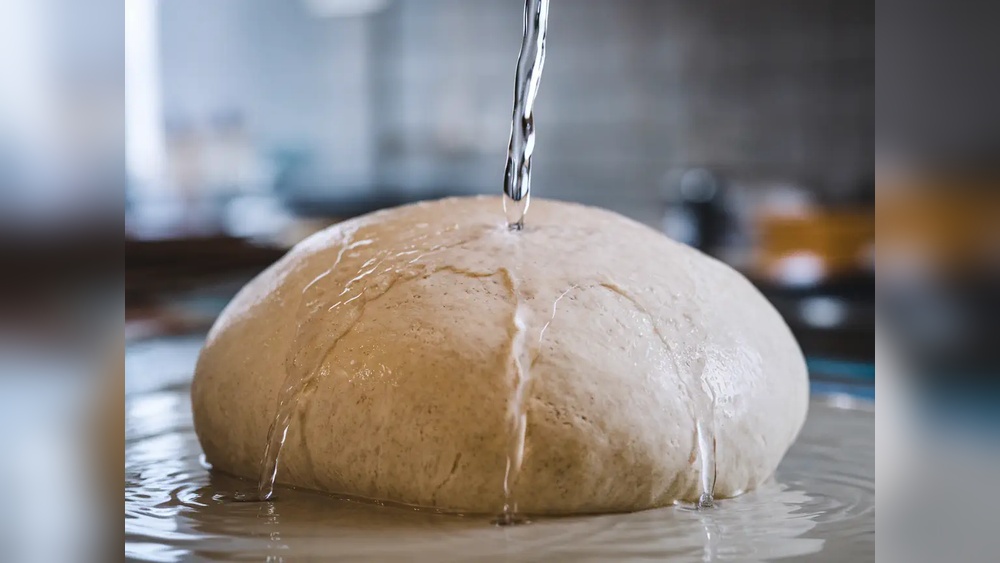
Dry dough feels stiff and cracks easily. It is hard to stretch and shape. Add small amounts of water, a tablespoon at a time. Knead thoroughly after each addition. Wait a few minutes to let water absorb fully. Avoid adding too much water at once. This prevents sticky dough and mess.
If dough remains tough, let it rest covered. Resting helps flour absorb moisture and softens dough. Use a spray bottle to mist dough lightly if needed. Once dough feels soft and elastic, it is ready to use.
Handling Overly Wet Dough
Wet dough is sticky and hard to handle. It may spread too much during baking. Sprinkle flour on the dough surface. Add flour gradually while kneading. Avoid adding too much flour quickly. Excess flour makes dough dense and dry.
Use a bench scraper to help shape sticky dough. Keep your hands lightly floured to prevent sticking. Rest wet dough longer before shaping. This helps gluten develop and dough firm up. Proper handling makes wet dough manageable and yields a soft, airy crust.
Credit: www.pizzablab.com
Hydration Calculator Use
Adjusting pizza dough hydration can change its texture and workability. Using a hydration calculator makes this process simple and precise. It helps bakers find the right water-to-flour ratio for their dough. This tool saves time and reduces guesswork.
How To Calculate Hydration Percentage
Hydration percentage shows water weight compared to flour weight. The formula is simple: divide water weight by flour weight, then multiply by 100. For example, 600 grams of water divided by 1000 grams of flour equals 0.6. Multiply by 100 to get 60% hydration.
This percentage guides dough softness and elasticity. Higher hydration means softer, more elastic dough. Lower hydration gives firmer dough that is easier to handle. Knowing this helps adjust recipes for desired results.
Using Digital Tools
Digital hydration calculators speed up the adjustment process. Enter flour and water amounts into the tool. It instantly shows hydration percentage. Some calculators allow input of other ingredients like salt or yeast.
Many apps and websites offer free hydration calculators. They help maintain consistency in dough preparation. Using digital tools reduces errors in measurement and calculation. It is ideal for both beginners and experienced bakers.
Regional Hydration Styles
Different regions have unique pizza dough hydration styles. Hydration refers to the water percentage in the dough compared to flour. Adjusting hydration changes dough texture, stretch, and final crust quality. Understanding regional hydration helps replicate authentic pizza experiences at home.
Hydration levels vary based on climate, tradition, and baking methods. Some styles use wetter dough for light, airy crusts. Others prefer drier dough for a chewy, sturdy base. Let’s explore two famous regional styles and their typical hydration ratios.
Neapolitan Dough
Neapolitan dough usually has 58% to 65% hydration. This means the water weight is about 58 to 65 percent of the flour weight. The dough feels soft and slightly sticky. It creates a light, airy crust with some charred bubbles.
This hydration level helps form a tender crumb and a thin center. The dough stretches easily but holds shape well. It cooks quickly in high-temperature wood-fired ovens, giving the classic Neapolitan texture.
New York Style Dough
New York style dough uses about 60% to 65% hydration. It is slightly drier than Neapolitan but still soft. This hydration supports a thicker, chewier crust with a crisp outside.
The dough is easier to handle and shape into large, thin circles. It holds toppings well without becoming soggy. This balance suits electric or gas ovens used in New York pizzerias. The hydration level yields a sturdy yet flexible pizza base.

Credit: us.gozney.com
Frequently Asked Questions
How To Adjust Hydration In Pizza Dough?
Adjust pizza dough hydration by changing the water-to-flour ratio. Add water slowly for higher hydration. Reduce water to lower it. Measure ingredients precisely for consistency. Adjust based on dough feel and desired crust texture.
Is 60 Or 70 Hydration Pizza Dough Better?
A 60% hydration dough is easier to handle and yields a chewier crust. A 70% hydration dough produces a lighter, airier crust but is stickier and harder to shape. Choose based on your skill and texture preference.
What Is The 55 Rule For Pizza Dough?
The 55 rule for pizza dough means using 55% water relative to flour weight. It creates a balanced, easy-to-handle dough.
Is Higher Hydration Pizza Dough Crispier?
Higher hydration pizza dough creates a lighter, airier crust but usually results in a softer, less crispy texture.
Conclusion
Adjusting pizza dough hydration changes its texture and handling. Higher hydration makes dough softer and stretchier. Lower hydration creates a firmer, easier-to-shape dough. Experiment with water amounts to find your best balance. Pay attention to how dough feels and bakes.
Small changes can affect crust crispiness and chewiness. Practice helps you understand dough behavior better. Keep notes on your adjustments for future reference. Enjoy creating pizza dough that suits your taste perfectly. Simple tweaks can improve your pizza baking experience.

As the author of the “Ultimate Pizza Guide: Recipes, Tips & Secrets Revealed,” I’m dedicated to sharing my love for pizza and empowering others to create delicious homemade pizzas with ease. Join me on a journey to uncover the secrets to perfecting your pizza game!