When it comes to making the perfect pizza at home, mastering your dough is key. But have you ever wondered whether resting your pizza dough or kneading it more is the secret to that ideal crust?
Finding the right balance between pizza dough rest vs knead can transform your baking game. If you knead too little, your dough might be sticky and tough to shape. Rest it too long without enough kneading, and you could end up with a dense, flavorless crust.
You’ll discover exactly how to tell when your dough has been kneaded enough and when it’s ready to rest—and how these two steps work together to create that soft, elastic, and flavorful pizza base you crave. Stick around, because understanding this balance could be the game-changer your homemade pizza needs!
Dough Resting Times
Resting pizza dough is a crucial step that affects its texture, flavor, and ease of handling. Proper resting allows the gluten to relax and yeast to develop, which improves dough elasticity and taste. Different resting times create unique results, from quick shaping to deeper flavor enhancement.
Short Rest For Workability
A short rest period helps the dough become softer and easier to shape. It relaxes the gluten just enough to reduce resistance. This is perfect for thin crust pizzas or when you need to work fast. Usually, 20 to 30 minutes at room temperature is enough.
Balanced Flavor And Elasticity
Allowing the dough to rest longer, about 1 to 2 hours, balances flavor and texture well. The yeast has time to ferment, creating mild, pleasant flavors. Gluten also relaxes fully, making the dough stretch smoothly without tearing. This time frame suits most classic pizza recipes.
Cold Rest For Complex Flavors
Resting dough in the fridge overnight or up to 24 hours develops richer, more complex flavors. The slow fermentation deepens taste and improves the dough’s structure. Cold rest also enhances chewiness and gives a better crust texture after baking.
Signs Dough Is Ready
Knowing when pizza dough is ready makes a big difference in your baking results. The right balance between resting and kneading lets the dough develop good texture and flavor. Watch for signs that show the dough is ready to shape and bake. These clues help you avoid overworking or under-resting the dough.
Slow Spring Back On Poke
Gently press your finger into the dough. The dent should slowly bounce back. If it springs back too fast, the dough needs more rest. A slow spring means the gluten has relaxed well. This makes the dough easier to stretch without shrinking.
Soft And Stretchy Texture
The dough should feel soft but not sticky. It must stretch easily without tearing. A stretchy dough shows good gluten development. This texture helps create a light, airy crust. If the dough feels tight or breaks easily, give it more rest or knead gently.
Resting Tips
Resting pizza dough is a key step that shapes its texture and flavor. Proper resting allows gluten to relax and yeast to activate, making the dough easier to stretch. Following smart resting tips can prevent common issues like dryness or snap-back. These tips help achieve a soft, elastic dough ready for perfect pizza.
Oil And Cover Dough
Lightly oil the dough surface before resting. This prevents the dough from drying out and forming a crust. Use a clean bowl or container and cover the dough tightly with plastic wrap or a damp cloth. The cover traps moisture and keeps the dough soft and pliable.
Room Temperature Effects
Room temperature greatly affects dough rising time. Warm environments speed up yeast activity, causing faster rising. Cooler rooms slow the process, resulting in longer resting times. Adjust the resting period based on the room temperature for best results.
Avoiding Snap-back
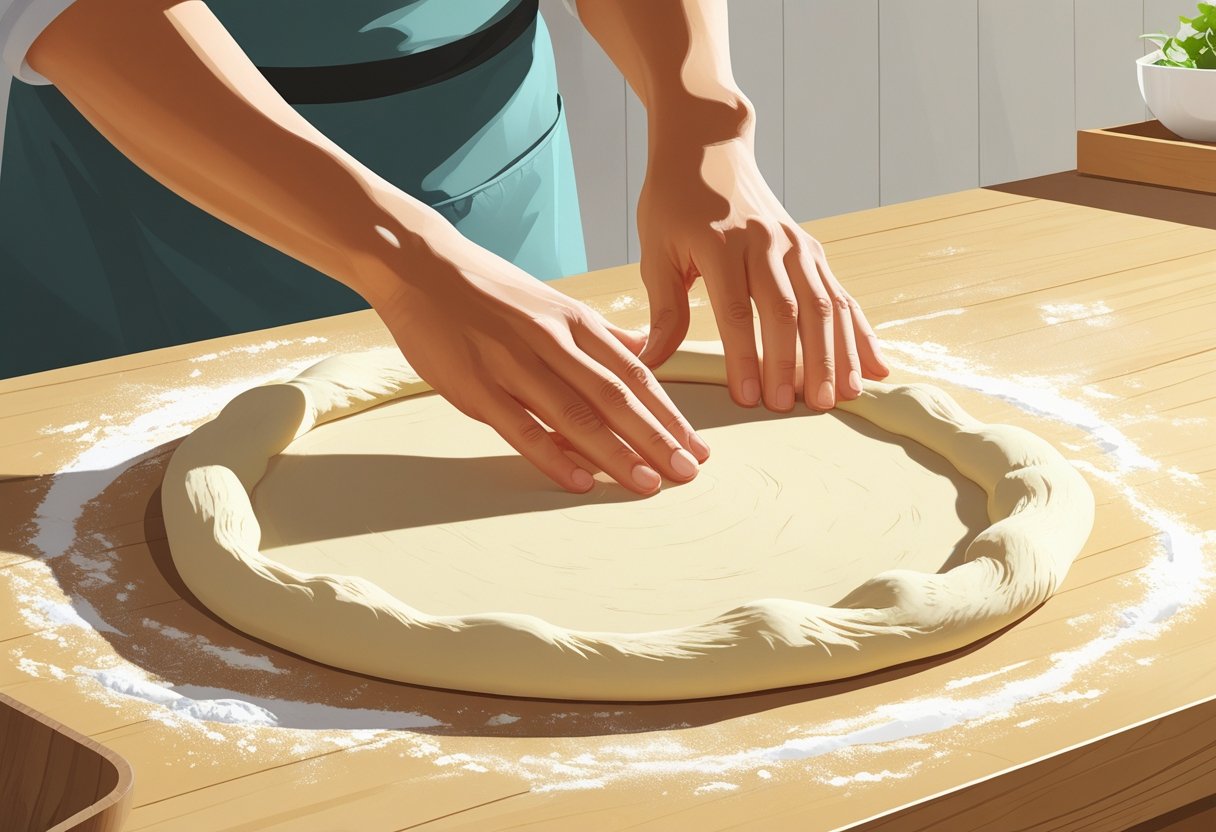
Snap-back happens when the dough resists stretching and springs back. It means gluten has not relaxed enough. Rest the dough long enough to let gluten unwind. Gently press the dough; if it springs back quickly, rest more. Proper rest stops snap-back, making shaping easier.
Credit: www.prepapizza.com
Kneading Indicators
Kneading pizza dough correctly is key to great texture and flavor. Knowing when dough is properly kneaded can be tricky. Certain signs help you decide if the dough is ready to rest or shape. These kneading indicators show if the gluten has developed enough. Understanding them ensures a perfect balance between kneading and resting.
Smooth And Elastic Texture
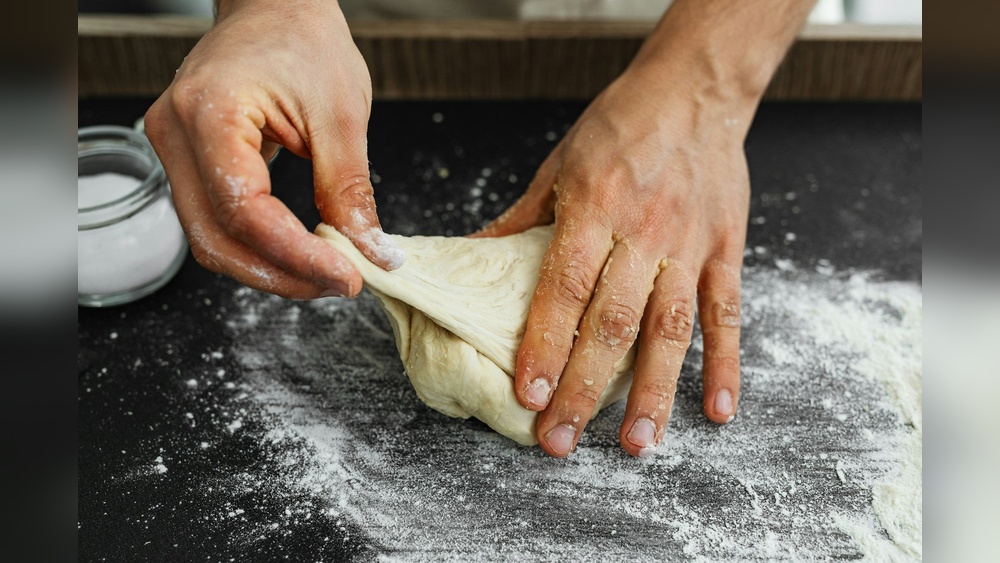
Well-kneaded dough feels smooth and soft. It becomes elastic, stretching without tearing easily. This texture means gluten strands are strong and well-formed. Rough or sticky dough needs more kneading to reach this stage. Smooth dough holds its shape and bounces back gently when pressed.
Windowpane Test
Stretch a small dough piece thinly until light shines through. If it forms a thin, translucent membrane without breaking, gluten is ready. This test shows dough elasticity and strength. If the dough tears quickly, knead more and test again. Passing this test means dough can hold toppings without collapsing.
Poke Test
Press your finger gently into the dough surface. The dough should spring back slowly and partially fill the dent. Fast snap-back means dough needs more rest or kneading. No bounce means dough may be over-kneaded or too relaxed. This simple test helps check dough readiness before shaping.
Kneading Readiness Tests
Kneading pizza dough is a key step in making great pizza. Knowing when the dough is ready can be tricky. Simple tests help check the dough’s readiness after kneading. These tests show if the dough has enough gluten development and elasticity. They guide you to the perfect balance between kneading and resting.
Stretch Dough Thin Without Tearing
Take a small piece of dough. Gently stretch it thin using your fingers. The dough should stretch without breaking or tearing easily. A thin, smooth stretch means the gluten is well-developed. If the dough tears quickly, it needs more kneading or resting. This test shows if the dough can hold toppings without ripping.
Quick Indentation Recovery
Press your finger lightly into the dough. Watch how fast the dough bounces back. A good dough slowly springs back to its shape. If the dough springs back too fast, it needs more rest to relax. If it stays indented, the dough might be over-rested or under-kneaded. This test helps balance softness and strength.
Uniform And Firm Appearance
Look at the dough’s surface and feel its texture. The dough should look smooth and even. It should feel firm but soft, not sticky or dry. A uniform dough means gluten strands are evenly spread. This balance helps the dough rise properly. It also makes shaping easier and the crust more delicious.

Credit: www.biggerbolderbaking.com
Kneading Characteristics
Kneading pizza dough shapes its texture and strength. Proper kneading ensures dough is ready for resting and baking. The dough transforms from rough to smooth and elastic. Knowing these kneading characteristics helps create perfect pizza bases.
Cohesive Dough Ball
The dough should form a smooth, tight ball. It sticks slightly but stays together without breaking. This cohesion means gluten strands have developed well. A cohesive dough ball is easier to handle and shape.
Non-sticky Surface
Good kneading results in dough that feels soft but not sticky. It should pull away from your hands and the bowl cleanly. A non-sticky surface helps prevent tearing and makes shaping simpler. Light flour dusting can help if dough feels tacky.
Resilient Bounce
Press the dough gently with a finger. It should slowly bounce back to its original form. This bounce shows elasticity from gluten development. Dough with resilient bounce is ready to rest and rise properly for a tender crust.
Balancing Rest And Knead
Finding the right balance between resting and kneading pizza dough is key for great results. Both steps work together to shape the dough’s texture and flavor. Kneading builds strength, while resting allows relaxation. Understanding their roles helps create a perfect crust.
Too much kneading can make dough tough. Too much resting may cause it to become sticky. A balanced approach ensures the dough is elastic and easy to work with.
Why Resting Complements Kneading
Kneading stretches and aligns gluten strands in the dough. Resting lets these strands relax and settle. This rest period reduces dough resistance, making it softer and more flexible. Resting also gives yeast time to produce gases. These gases help the dough rise and develop flavor. Without enough rest, dough can snap back and resist shaping.
Effects On Gluten Development
Kneading triggers gluten formation by linking proteins. This network traps air for a light texture. Resting lets gluten strands unwind slightly. This prevents the dough from becoming too tight or chewy. The balance between kneading and resting controls gluten strength. Well-developed gluten creates a dough that is stretchy but not tough.
Impact On Crust Texture
The right balance of rest and knead shapes the crust’s final texture. Kneading creates structure, giving the crust chewiness. Resting adds softness and airiness by allowing fermentation. This results in a crust that is crisp outside and tender inside. Skipping rest or over-kneading can lead to a dense or hard crust. Balanced dough makes pizza enjoyable to eat and easy to handle.

Credit: www.101cookbooks.com
Common Dough Issues
Making perfect pizza dough can be tricky. Many home cooks face problems that affect texture and taste. Understanding common dough issues helps improve your pizza every time. The balance between resting and kneading is key. Below are some common problems and ways to solve them.
Over-kneaded Dough
Over-kneading pizza dough makes it tough and hard to shape. The gluten becomes too tight, causing the dough to snap back when stretched. This results in a dense, chewy crust instead of a light, airy one. The dough may also feel dry and lose its elasticity. Avoid kneading too long; stop once the dough is smooth and slightly sticky.
Under-rested Dough
Under-rested dough is stiff and difficult to stretch. It lacks the softness needed for easy shaping. The yeast hasn’t had time to create air bubbles, so the crust will be dense. Resting lets gluten relax and the dough rise. If you skip or shorten this step, the dough will resist stretching and tear easily. Allow enough time for the dough to rest at room temperature for best results.
Fixing Store-bought Dough
Store-bought dough can be convenient but often lacks proper rest. It may be cold, stiff, or hard to stretch. Let it warm at room temperature for at least 30 minutes before use. Gently stretch and fold it to loosen the gluten. If it feels sticky, dust with flour but avoid adding too much. This simple care can make store-bought dough perform more like fresh dough.
Pro Tips For Perfect Crust
Creating the perfect pizza crust needs a clear balance between resting and kneading the dough. Both steps shape the texture, flavor, and stretchiness. Understanding how to time and adjust these processes can make your homemade pizza crust crisp yet tender. The following tips help guide you to a crust that feels just right.
Timing Your Rest And Knead
Resting the dough lets gluten relax and yeast activate. Avoid rushing this step. A good rest lasts from 30 minutes to several hours, depending on the recipe. Kneading develops gluten strands, giving strength to the dough. Knead enough to make the dough smooth and elastic, but not too much or the crust may become tough. Find a balance by alternating short kneads with rest periods.
Adjusting For Room Temperature
Warmer rooms speed up dough rising. Cooler rooms slow it down. Adjust your resting time based on room temperature. In a warm kitchen, shorten the rest to prevent over-proofing. In a cooler spot, allow more time for the dough to rise fully. Keep dough covered and in a draft-free area to maintain consistent temperature for better results.
Using Tests To Guide Process
Simple tests help check if dough is ready. Press the dough gently with a finger. If the indentation springs back slowly, the dough is ready to shape. If it snaps back quickly, it needs more rest. The dough should feel soft and stretch without tearing. These tests guide you to adjust kneading and resting for a perfect crust every time.
Frequently Asked Questions
Should You Let Pizza Dough Rest Before Kneading?
Let pizza dough rest before kneading to relax gluten and improve elasticity. Resting enhances flavor and makes shaping easier.
What Is The 55 Rule For Pizza Dough?
The 55 rule for pizza dough means using 55% water relative to flour weight. It creates a balanced, workable dough with ideal hydration.
How Long Are You Supposed To Let Pizza Dough Rest?
Let pizza dough rest 1 to 2 hours at room temperature for ideal rise and elasticity. Overnight rest in the fridge enhances flavor and texture. Ensure dough feels soft, springs back slowly when poked, and stretches without tearing for best results.
How To Tell If Your Pizza Dough Is Kneaded Enough?
Pizza dough is kneaded enough when it feels smooth, elastic, and springs back after a gentle poke. Pass the windowpane test by stretching a small piece thin without tearing. The dough should be firm, not sticky, and have a uniform texture for perfect pizza results.
Conclusion
Balancing rest and kneading creates better pizza dough texture and flavor. Resting lets gluten relax and yeast develop taste. Kneading builds dough strength and elasticity. Too much kneading makes dough tough; too little leaves it sticky. Watch for a smooth, stretchy dough that springs back when poked.
Let dough rest enough to stop snap-back during shaping. Both steps work together to make pizza dough easy to handle and delicious. Practice helps you find the right rhythm for your dough. Enjoy crafting pizza with balanced rest and knead time.

As the author of the “Ultimate Pizza Guide: Recipes, Tips & Secrets Revealed,” I’m dedicated to sharing my love for pizza and empowering others to create delicious homemade pizzas with ease. Join me on a journey to uncover the secrets to perfecting your pizza game!