Have you ever wondered if the way you knead your dough changes how easy it is to digest? If you’re someone who loves baking or just wants softer, fluffier bread that’s gentle on your stomach, this question matters to you.
Kneading isn’t just about mixing ingredients—it shapes the very texture and structure of your bread. But could it also affect how your body handles it? Keep reading, because understanding the role of kneading might change how you bake—and how you enjoy your bread.

Credit: atomebakery.com
Kneading And Dough Texture
Kneading plays a key role in shaping dough texture. It changes the structure and feel of the dough. The right amount of kneading leads to better dough quality. This section explores how kneading influences dough texture through gluten development, elasticity, and bread volume.
Gluten Development
Kneading activates gluten proteins in the flour. These proteins form a network that traps gas during fermentation. As kneading continues, gluten strands stretch and align. This process strengthens the dough and improves its structure. Without enough kneading, gluten remains weak and uneven.
Elasticity And Chewiness
Elasticity depends on gluten strength and arrangement. Proper kneading creates a dough that stretches without tearing. This elasticity gives bread a pleasant chewiness. Over-kneaded dough becomes too tight and loses flexibility. Under-kneaded dough is sticky and lacks resilience.
Impact On Bread Volume
Well-kneaded dough traps air bubbles effectively. These bubbles expand during baking, making bread rise. Good volume results in light and fluffy bread. Poor kneading causes dense and heavy bread with low volume. Proper kneading balances gluten strength and gas retention.
Credit: www.pizzablab.com
Effects Of Over-kneading
Over-kneading dough affects its digestibility and final quality. Excessive kneading overdevelops gluten, making dough tough and less elastic. This leads to bread with a hard crust and a dense, dry interior. Over-kneaded dough does not expand well during baking, causing poor texture and crumb structure. Understanding the effects helps bakers avoid common mistakes and create softer, easier-to-digest bread.
Signs Of Over-kneaded Dough
Over-kneaded dough tears easily instead of stretching. It feels stiff and tight, making shaping difficult. The dough loses its smooth texture and may become sticky or gooey. It resists staying together and looks rough rather than smooth and elastic. These signs indicate the gluten network is overdeveloped and strained.
Texture Changes In Baked Bread
Bread made from over-kneaded dough has a tough, hard crust. The crumb becomes dense and dry, lacking air pockets. It does not rise properly and feels heavy when eaten. The texture becomes crumbly and breaks apart easily when sliced. These changes reduce the bread’s softness and digestibility.
Ways To Fix Over-kneaded Dough
Resting the dough allows gluten to relax and improves texture slightly. For severely over-kneaded dough, consider baking it as flatbread or crackers. Starting over may be the best choice if the dough is too tough. To prevent over-kneading, knead gently by hand and check with the windowpane test.
Under-kneaded Dough Issues
Under-kneaded dough can cause several problems that affect the final bread quality. It often lacks the strength and elasticity needed for good texture. This section explains common issues with under-kneaded dough and how to know when to keep kneading.
Lack Of Gluten Formation
Gluten is essential for dough structure and elasticity. Under-kneaded dough has weak gluten strands. This makes the dough sticky and hard to shape. It also prevents the dough from trapping gas during fermentation. Without proper gluten, the bread will not rise well and may be flat.
Dense And Crumbly Results
Under-kneaded dough usually bakes into dense and crumbly bread. The crumb lacks softness and air pockets. The texture feels heavy and tight. This happens because the dough cannot stretch properly. It breaks easily and does not hold its shape well during baking.
When To Continue Kneading
Stop kneading only when the dough is smooth and elastic. It should stretch without tearing. The dough passes the windowpane test if you can stretch it thin without breaking. If the dough is sticky, rough, or tears easily, keep kneading. Proper kneading improves digestibility by creating a better gluten network.
Kneading And Digestibility
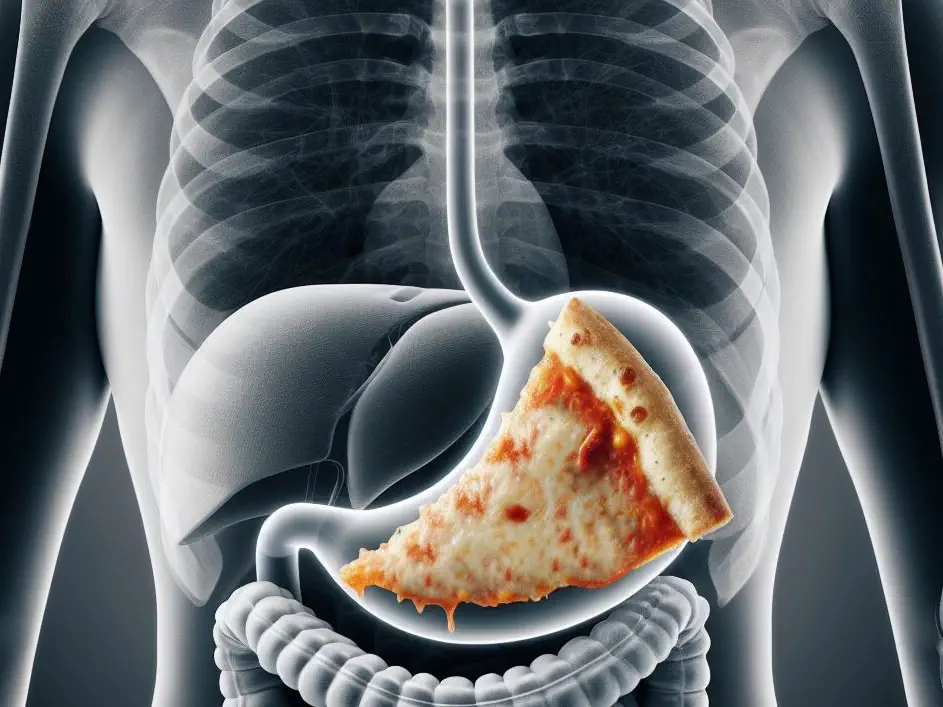
Kneading plays a key role in how dough forms and behaves in the digestive system. It changes the dough’s texture by affecting gluten, a protein in wheat. Understanding how kneading impacts gluten can explain why some breads feel easier to digest. This section explores the link between kneading and dough digestibility.
How Gluten Affects Digestion
Gluten gives dough its stretchy and elastic quality. It helps bread rise and keeps its shape. But gluten can be hard to digest for some people. Large gluten proteins may cause discomfort or bloating. Breaking gluten into smaller parts can help the body digest it more easily.
Role Of Kneading In Gluten Structure
Kneading develops gluten by linking gluten proteins together. It creates a strong, elastic network inside the dough. Proper kneading balances gluten strength and softness. Too little kneading leaves gluten weak and dough dense. Too much kneading can make gluten too tight and tough.
Potential Digestive Benefits
Well-kneaded dough may break gluten into smaller parts during baking. This breakdown can improve digestibility. It also allows enzymes in the gut to work better on gluten. Bread made from properly kneaded dough may cause less digestive discomfort. This makes it a better choice for people sensitive to gluten.
Kneading Techniques
Kneading is a key step in bread making. It helps develop gluten, which affects dough texture and digestibility. Different kneading techniques impact the dough in unique ways. Understanding these methods helps improve your baking results and the bread’s quality.
Hand Kneading Vs Machine Kneading
Hand kneading gives you control over the dough’s texture. You can feel when it becomes smooth and elastic. This tactile feedback helps avoid overworking the dough.
Machine kneading is faster and less tiring. It applies consistent pressure and speed. But it can easily over-knead the dough if not monitored. Beginners may find machines easier but must watch the dough closely.
Windowpane Test For Doneness
The windowpane test checks gluten development. Take a small dough piece and stretch it thin. If it forms a translucent sheet without tearing, the dough is ready.
This test prevents under or over-kneading. Proper gluten structure improves bread texture and digestibility. It also helps the dough rise well and makes slicing easier.
Tips To Avoid Over-kneading
Stop kneading as soon as the dough passes the windowpane test. Avoid using high mixer speeds for long periods. Take breaks during hand kneading to feel the dough’s progress.
Over-kneaded dough feels stiff and tears easily. It leads to tough bread with a dry crumb. Use gentle, consistent pressure and watch the dough carefully for best results.
Credit: www.pizzablab.com
Alternatives For Over-kneaded Dough
Over-kneaded dough can be a baking setback, but it does not mean the effort is wasted. There are simple and creative ways to use dough that is too tough or dense. These alternatives help reduce waste and still produce tasty baked goods. Adjusting your baking approach can bring new life to overworked dough.
Flatbreads And Crackers
Flatbreads and crackers are ideal for over-kneaded dough. They do not require the dough to rise much. Rolling the dough thin and baking it until crisp works well. The dense texture of over-kneaded dough becomes a crunchy base. Add herbs, seeds, or spices for extra flavor. This method turns a baking mistake into a delicious snack.
Starting Fresh Dough
Sometimes, starting fresh is the best option. Over-kneaded dough may be too tough to fix. Use the old dough for flatbreads or crackers and begin again with new dough. This allows better control of the kneading process. Measure ingredients carefully and knead gently. Fresh dough will rise properly and produce soft bread.
Adjusting Baking Methods
Change baking time and temperature to improve tough dough. Lower heat and longer baking can help soften the crumb. Cover the dough with foil to prevent a hard crust. Adding steam to the oven creates a moist environment. This moisture helps the crust stay tender. Experiment with these changes to get better results from over-kneaded dough.
Frequently Asked Questions
Does Kneading Dough Make It Chewier?
Kneading dough develops gluten, making bread chewier and elastic. Proper kneading ensures a soft, fluffy, and well-risen texture. Over-kneading can cause toughness and dryness.
What Happens If Dough Is Kneaded Too Much?
Over-kneading dough overdevelops gluten, causing tough, dense bread with a hard crust and dry, crumbly texture. It tears easily and resists shaping. Resting may help, but severely over-kneaded dough often requires starting over or baking as flatbread.
How Does Kneading Affect Dough?
Kneading develops gluten, making dough elastic and chewy. It evenly distributes yeast and ingredients, improving texture and rise. Over-kneading causes toughness and dryness. Proper kneading ensures soft, airy bread with good structure and chewiness.
Does Kneading Dough Make It Tough?
Kneading develops gluten, making dough elastic and chewy. Over-kneading tightens gluten too much, causing tough, dense bread. Proper kneading ensures soft, airy texture.
Conclusion
Kneading plays a key role in dough digestibility and texture. Proper kneading helps develop gluten, making bread soft and airy. Over-kneading tightens gluten too much, causing tough, dense bread that is harder to digest. Finding the right kneading balance improves bread quality and digestion.
Pay attention to dough feel and elasticity while kneading. This simple step affects your bread’s taste and how your body handles it. Experiment gently and enjoy better homemade bread every time.

As the author of the “Ultimate Pizza Guide: Recipes, Tips & Secrets Revealed,” I’m dedicated to sharing my love for pizza and empowering others to create delicious homemade pizzas with ease. Join me on a journey to uncover the secrets to perfecting your pizza game!