If you’ve ever struggled with pizza dough that snaps back or tears when you try to stretch it, you’re not alone. Getting that perfect elasticity in your dough is the secret to a light, airy crust that’s easy to shape and bake.
But how do you achieve it without frustration? The good news is, with a few simple tips and the right techniques, you can turn your dough into a stretchy, flexible masterpiece every time. You’ll discover key tricks—from kneading and resting to clever stretching methods—that will transform your pizza-making experience.
Ready to make your dough stretch like a pro? Keep reading and unlock the secrets to perfect pizza dough elasticity!
Dough Preparation
Preparing pizza dough is the first step to a perfect crust. The way you handle and treat your dough affects its elasticity. Elastic dough stretches easily without tearing. It also holds shape well during baking. Proper preparation ensures a light and airy pizza base.
Focus on developing gluten, controlling fermentation, and warming the dough. These factors work together to improve dough texture and stretchability.
Kneading For Gluten
Kneading mixes flour and water, activating gluten proteins. Gluten forms a stretchy network that traps air and gives dough strength. Knead for about 8-10 minutes until the dough feels smooth and elastic. Avoid under-kneading, which causes weak dough that tears easily. Over-kneading can make dough tough. Use firm, rhythmic motions to develop gluten well.
Cold Fermentation Benefits
Chilling dough in the fridge for 24 to 72 hours improves flavor and texture. Cold fermentation slows yeast activity, allowing gluten to relax. Relaxed gluten stretches more easily and resists shrinking back. Dough also develops better taste during this time. Remember to cover dough tightly to prevent drying out.
Warming Dough Before Use
Take dough out of the fridge and let it reach room temperature before shaping. Cold dough resists stretching and snaps back. Warming softens gluten strands and reactivates yeast. This step makes dough more flexible and easier to stretch. Allow at least 30 to 60 minutes for warming depending on dough size.

Credit: www.boska.com
Stretching Techniques
Stretching pizza dough correctly improves its elasticity and texture. Proper techniques keep the dough from tearing and help it expand evenly. These methods let the gluten relax and stretch without resistance. Use your hands carefully for the best results.
Gentle Pressing Method
Start by gently pressing the dough ball with your fingertips. Press from the center outwards to create a flat disk. Avoid pushing too hard to keep the air bubbles intact. This method helps stretch the dough evenly and prevents holes.
Knuckle Stretching
Hold the dough up and use your knuckles to stretch it slowly. Rotate the dough as you stretch to keep the shape round. Let gravity help pull the dough down gently. This method keeps the dough soft and elastic without tearing.
Using Gravity And Rotation
Hold the dough by the edges and let gravity stretch it downward. Slowly rotate the dough to stretch all sides evenly. This technique uses natural weight to stretch the dough gently. It reduces the risk of overworking or damaging the dough.
Avoiding Rolling Pins
Do not use a rolling pin to stretch pizza dough. Rolling pins squeeze out air and make the dough dense. Hand stretching keeps the dough light and airy. It also protects the gluten network that gives dough its elasticity.
Resting And Proofing
Resting and proofing are key steps for perfect pizza dough elasticity. These steps help gluten relax and develop. Proper rest times prevent dough from shrinking back when stretched. Proofing also enhances flavor and texture. Skipping or rushing this process leads to tough, hard-to-stretch dough. Follow these tips for softer, stretchier pizza dough.
Importance Of Rest Periods
Rest periods let gluten strands unwind and relax. This reduces dough elasticity tension. The dough becomes easier to shape and stretch. Short rests between kneading and shaping improve dough handling. Without rest, dough snaps back and resists stretching. Rest also helps gas bubbles form, creating a light crust.
Room Temperature Tips
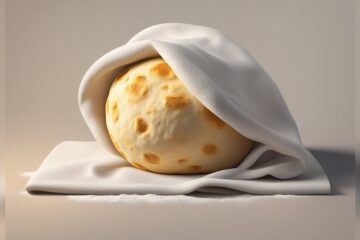
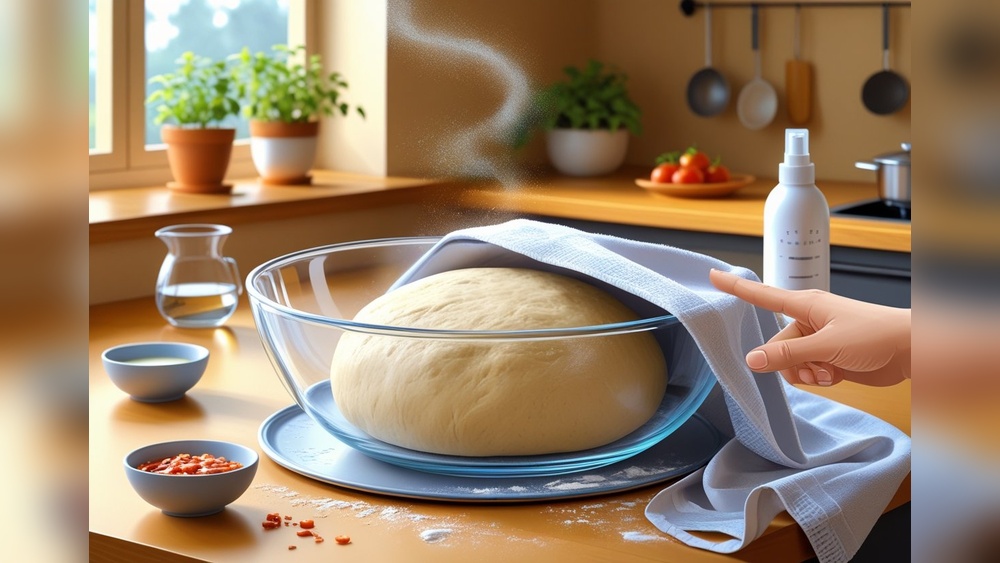
Bring dough to room temperature before shaping. Cold dough is stiff and hard to stretch. Let dough sit out for 30 to 60 minutes after refrigeration. Warm dough feels softer and stretches smoothly. Avoid overheating or drying the dough surface. Cover it with a damp cloth to keep moisture.
Overnight Proofing Effects
Proofing dough overnight in the fridge improves flavor and elasticity. Slow fermentation develops gluten strength and taste. Chilling allows enzymes to break down starches gently. Dough becomes more extensible and less sticky. Remove dough from fridge early to warm before shaping. This method results in tender, airy crusts with great stretch.

Credit: www.savingyoudinero.com
Troubleshooting Common Issues
Pizza dough elasticity can be tricky. Problems like tears, stickiness, or dough that springs back often happen. These issues affect how well your dough stretches and bakes. Fixing them improves your pizza’s texture and shape. Here are simple tips to solve common dough problems.
Fixing Tears
Tears happen when dough is too dry or stretched too fast. To fix tears, patch small holes by pinching the edges together gently. Let the dough rest for 10 minutes before stretching again. Resting allows gluten to relax and reduces tearing.
If tears are large, shape the dough back into a ball. Let it rest covered for 30 minutes. This helps the dough become softer and more elastic. Avoid pulling the dough too hard or too quickly during stretching.
Managing Stickiness
Sticky dough is hard to handle. It usually means too much water or not enough flour. Dust your work surface and hands lightly with flour. Avoid adding too much flour, or the dough will become tough.
Try oiling your hands instead. Oil prevents sticking without drying the dough. If dough is very sticky, chill it for 20 minutes. Cooler dough is easier to work with and less sticky.
Handling Dough That Springs Back
Dough that springs back resists stretching. This means gluten is tight and not relaxed. Let the dough rest at room temperature for 15-30 minutes. This rest time helps gluten loosen and relax.
Use gentle pressing or knuckle stretching to shape the dough. Avoid pulling too hard, which causes spring back. If the dough snaps back, fold it over and rest again. Patience is key for perfect elasticity.
Enhancing Elasticity
Enhancing the elasticity of pizza dough is essential for achieving a perfect stretch and a tender crust. Elastic dough stretches easily without tearing and springs back slowly after being pulled. This quality depends on the gluten network inside the dough, which needs proper care to develop and relax. Several simple steps can improve dough elasticity, making pizza preparation easier and more enjoyable.
Oil Addition Benefits
Adding oil to pizza dough softens the gluten strands. Oil coats the flour proteins, reducing toughness. This helps the dough stretch smoothly without snapping back. Oil also keeps the dough moist, preventing dryness during rising. Use about one to two tablespoons of olive oil for every four cups of flour. This small amount greatly improves dough texture and elasticity.
Gluten Relaxation Techniques
Resting the dough allows gluten to relax naturally. After kneading, let the dough rest for at least 20 to 30 minutes. Resting slows gluten’s tightness and makes dough easier to stretch. For even better results, refrigerate the dough overnight. Cold fermentation further softens gluten and enhances flavor. Before shaping, bring the dough to room temperature for smooth handling.
Proper Dough Handling
Handle dough gently to preserve its elasticity. Use your knuckles or fingertips to stretch the dough slowly. Avoid sharp pulls or tears that break gluten strands. Let gravity help by holding the dough and letting it hang as you stretch. If the dough shrinks back, pause and let it rest again. Gentle pressing and repeated resting keep the dough pliable and ready for shaping.

Credit: www.prepapizza.com
Tools And Equipment
Using the right tools and equipment plays a big role in shaping pizza dough perfectly. These items help keep the dough elastic and prevent tearing. Simple choices can improve your pizza-making experience.
Surface Flour Or Semolina
Sprinkling flour or semolina on your work surface stops the dough from sticking. Semolina adds a bit of crunch to the crust’s bottom. Use just enough to let the dough move freely. Too much flour can dry out the dough and make it hard to stretch.
Avoiding Rolling Pins
Rolling pins press the dough too hard and can kill its elasticity. They often squeeze out the air bubbles that give pizza its light texture. Avoid using a rolling pin to keep the dough soft and stretchy. This helps create a better crust with a nice chew.
Using Hands For Stretching
Hands are the best tool for stretching pizza dough. Use your fingers and knuckles to gently pull and stretch the dough. Let gravity help by holding the dough and rotating it slowly. This technique keeps the dough’s structure strong and elastic, preventing holes and tears.
Frequently Asked Questions
How Do I Make My Pizza Dough More Stretchy?
Rest pizza dough longer, ideally overnight in the fridge, to relax gluten. Knead well and add oil for elasticity. Warm dough to room temperature before gently stretching using knuckles and gravity. Avoid rolling pins to keep air bubbles intact. Let dough rest if it snaps back.
What Is The 55 Rule For Pizza Dough?
The 55 rule for pizza dough means using 55% hydration—55 grams of water per 100 grams of flour. This ratio creates stretchy, elastic dough ideal for hand stretching.
How Do I Make My Dough More Elastic?
Knead dough well to develop gluten and add oil for softness. Cold ferment overnight for better elasticity. Warm dough to room temperature before stretching. Use gentle knuckle stretching and let gravity help. Rest dough between stretches to prevent snapping back.
Avoid rolling pins to preserve air bubbles.
What Is The Secret Of Stretchy Dough?
The secret of stretchy dough lies in proper gluten development through kneading, cold fermentation, and gentle stretching. Rest the dough well, keep it at room temperature, and use gravity-based techniques to avoid tearing. Avoid rolling pins to preserve air bubbles, ensuring elasticity and easy stretching.
Conclusion
Perfect pizza dough needs patience and care for best elasticity. Resting dough relaxes gluten, making it easier to stretch. Warm dough stretches without tearing or snapping back. Kneading well develops gluten, creating a chewy texture. Use gentle pressing and knuckle stretching to shape dough evenly.
Let gravity help by rotating dough while stretching slowly. Avoid rushing; allow dough to rest if it shrinks back. These simple steps improve dough elasticity and pizza quality. Keep practicing to enjoy soft, stretchy dough every time. Your homemade pizza will taste better with these easy tips.

As the author of the “Ultimate Pizza Guide: Recipes, Tips & Secrets Revealed,” I’m dedicated to sharing my love for pizza and empowering others to create delicious homemade pizzas with ease. Join me on a journey to uncover the secrets to perfecting your pizza game!