“Is Gluten-Free Pizza Dough Healthier”
Are you wondering if gluten-free pizza dough is actually healthier for you? With gluten-free options everywhere, it’s easy to assume they’re the better choice.
But before you swap your regular pizza crust, it’s important to know the full story. Is gluten-free dough truly better for your health, or just a trendy option? You’ll discover what gluten-free really means, the potential benefits and risks, and whether it’s the right choice for your lifestyle.
Keep reading to find out how to make the healthiest pizza decision for you.
Credit: eatwithclarity.com
Gluten-free Pizza Dough Basics
Gluten-free pizza dough is a popular choice for many people. Some avoid gluten due to health reasons. Others choose it for variety or taste. Understanding its basics helps to know if it is healthier. This section explains what gluten-free dough is made of. It also shows how it differs from traditional dough.
Ingredients In Gluten-free Dough
Gluten-free dough uses flours like rice, almond, or tapioca. These flours do not contain gluten, the protein found in wheat. Other common ingredients include xanthan gum or psyllium husk. These help bind the dough together. Eggs, oil, and water are also mixed in. Each ingredient affects the texture and taste. The dough is usually softer and more crumbly than wheat dough.
How It Differs From Traditional Dough
Traditional dough contains gluten, which gives it stretch and chew. Gluten-free dough lacks this protein, so it feels different. It does not rise as much and can be more fragile. The baking process may take longer or need adjustments. Taste and texture vary, sometimes being denser or crumblier. Gluten-free dough suits those with gluten intolerance or celiac disease. It offers an alternative but is not always healthier by default.

Credit: callascleaneats.com
Nutritional Content Comparison
Comparing the nutritional content of gluten-free pizza dough and traditional dough helps understand health differences. Nutrients like fiber, vitamins, and minerals vary widely between the two types. This section breaks down key elements such as fiber, micronutrients, sugar, fat, and sodium levels.
Fiber And Micronutrients
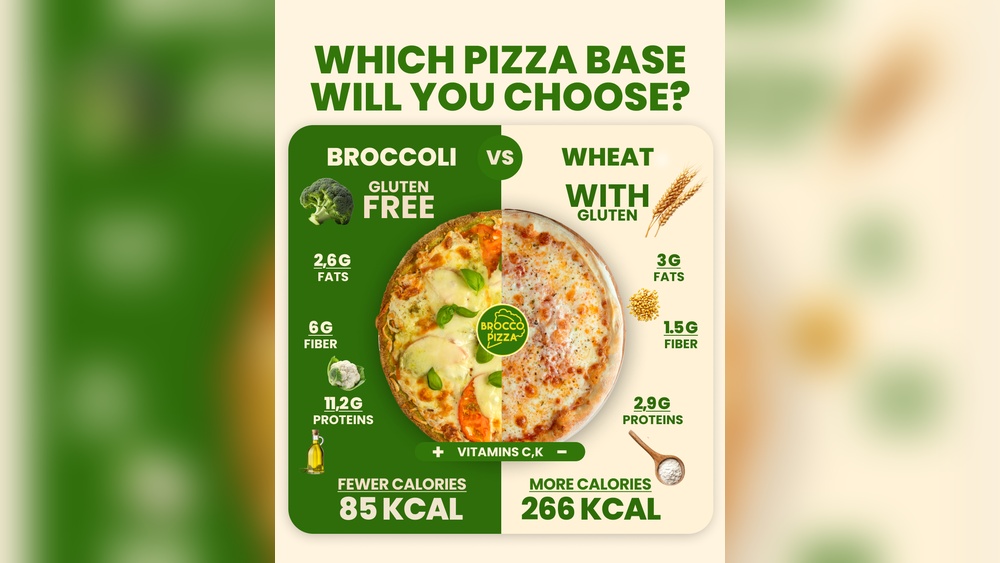
Gluten-free pizza dough often contains less fiber than traditional dough. Many gluten-free flours lack the bran found in whole wheat. This lowers fiber content, which is important for digestion and fullness.
Micronutrients like B vitamins, iron, and zinc also tend to be lower in gluten-free dough. Traditional dough made from whole grains usually offers more of these nutrients. Some gluten-free products add vitamins, but not all do.
Sugar, Fat, And Sodium Levels
Gluten-free dough sometimes contains more sugar to improve taste and texture. This can increase overall sugar intake. Fat levels may also be higher due to added oils or fats for softness.
Sodium content varies, but many gluten-free doughs have added salt to enhance flavor. Excess sodium can impact heart health. Comparing labels is crucial to find lower sodium options.
Health Benefits For Specific Conditions
Gluten-free pizza dough offers specific health benefits for some people. These benefits depend on individual health conditions. Understanding these can help decide if gluten-free options suit your needs.
For certain medical conditions, avoiding gluten can reduce symptoms and improve quality of life. The benefits go beyond general nutrition and focus on managing health issues.
Celiac Disease And Gluten Sensitivity
Celiac disease is a serious autoimmune disorder. Eating gluten damages the small intestine in affected people. This damage leads to poor nutrient absorption and many health problems.
Gluten-free pizza dough is essential for those with celiac disease. It helps avoid symptoms like stomach pain, diarrhea, and fatigue. Strict gluten avoidance supports healing of the intestine.
Non-celiac gluten sensitivity causes discomfort after gluten intake without intestinal damage. People with this condition may feel better by choosing gluten-free dough. It reduces bloating, headaches, and tiredness.
Neurological And Skin Conditions
Gluten can affect the nervous system in some individuals. Conditions like gluten ataxia cause balance and coordination problems. Choosing gluten-free dough can ease these neurological symptoms.
Skin disorders like dermatitis herpetiformis link directly to gluten intake. Gluten-free diets reduce itchy rashes and skin inflammation. Using gluten-free pizza dough helps manage these skin issues.
For people with these conditions, gluten-free choices can improve daily comfort. It lowers the risk of flare-ups and supports overall well-being.
Potential Risks Of Gluten-free Diets
Choosing a gluten-free diet may seem healthy, but it carries some risks. Many people adopt gluten-free eating without medical need. This can lead to problems beyond just missing gluten. Understanding these risks helps in making better food choices.
Nutritional Deficiencies
Gluten-free products often lack important nutrients. They usually have less fiber, iron, folate, and zinc. Whole grains with gluten provide these essential vitamins and minerals. Missing them can cause tiredness and weaken the immune system. Nutritional gaps may affect long-term health.
Unhealthy Processed Alternatives
Many gluten-free pizza doughs use processed ingredients. These often contain high sugar, fat, and salt levels. Such ingredients increase risks of heart disease and weight gain. Choosing gluten-free does not always mean choosing healthy. Checking labels for unhealthy additives is important.
Cost And Accessibility Issues
Gluten-free foods usually cost more than regular products. This can make sticking to a gluten-free diet hard for some people. Also, gluten-free options are not always available everywhere. Limited access may lead to poor diet choices or social inconvenience.
Social And Diagnostic Challenges
A gluten-free diet can cause social difficulties during meals and events. It may isolate people from friends and family. Also, going gluten-free before medical tests can hide celiac disease. This delays proper diagnosis and treatment. Doctors recommend testing before starting gluten-free eating.
When To Choose Gluten-free Pizza Dough
Choosing gluten-free pizza dough depends on specific health needs and personal choices. It is not always a healthier option for everyone. Understanding when to select gluten-free dough helps make better food decisions.
Some people must avoid gluten due to medical reasons. Others may try gluten-free options based on how their body reacts. Knowing these factors guides the best choice for pizza dough.
Medical Indications
Gluten-free pizza dough is essential for those with celiac disease. This condition causes the immune system to attack the small intestine when gluten is eaten. Eating gluten harms their health seriously.
Non-celiac gluten sensitivity also requires avoiding gluten. Symptoms like stomach pain, bloating, and fatigue appear after gluten intake. These symptoms improve with gluten-free foods.
Doctors recommend gluten-free diets only when these medical conditions are confirmed. Testing must be done before starting gluten-free eating to avoid misdiagnosis.
Personal Health Considerations
Some people choose gluten-free dough to reduce digestive discomfort. They may feel better avoiding gluten even without a diagnosis. It is a personal health decision.
Others try gluten-free to explore different tastes or reduce processed ingredients. Yet, gluten-free products can be higher in sugar and fat. Careful label reading is important.
Gluten-free pizza dough is not always more nutritious. Balance and variety in diet matter most for health benefits.
Expert Advice On Gluten Avoidance
Expert advice on gluten avoidance highlights the need for careful decision-making. Many people assume gluten-free diets are always healthier. Experts warn this is not true for everyone. Avoiding gluten without medical reasons can cause problems. Understanding when and why to avoid gluten is essential for health.
Importance Of Medical Testing
Doctors recommend testing before starting a gluten-free diet. Tests identify celiac disease or gluten sensitivity. Avoiding gluten before testing can hide symptoms and cause false results. Accurate diagnosis ensures proper treatment and nutrition. Medical testing helps prevent unnecessary dietary restrictions.
Focus On Whole Foods Instead Of Elimination
Experts suggest choosing whole foods over cutting out gluten alone. Whole grains, fruits, vegetables, and lean proteins support overall health. Gluten-free processed foods often contain more sugar and fat. Eating balanced meals improves nutrition and energy levels. Focus on natural foods rather than strict gluten avoidance without cause.
Tips For Healthier Gluten-free Pizza
Making gluten-free pizza healthier starts with smart choices. These tips help improve nutrition and taste. A good gluten-free pizza can be both tasty and nourishing. Focus on the ingredients and preparation methods.
Small changes create a better pizza experience without sacrificing health benefits. Follow these steps for a balanced gluten-free pizza that supports your well-being.
Selecting Quality Ingredients
Choose whole grain or alternative flours rich in fiber and nutrients. Almond flour, chickpea flour, and brown rice flour offer good options. Avoid flours with added sugars or unhealthy fats. Use fresh vegetables and lean proteins for toppings. Select low-fat cheese or vegan options to reduce saturated fat. Fresh herbs and spices add flavor without extra calories or sodium. Keep sauces simple and low in sugar. Quality ingredients boost both flavor and health benefits.
Homemade Vs Store-bought Options
Homemade dough gives full control over ingredients. You can avoid preservatives, excess salt, and hidden sugars. It also allows for healthier flour blends and natural binders. Store-bought dough offers convenience but often contains additives and less fiber. Read labels carefully to pick the healthiest brands. Choose options with minimal ingredients and no artificial fillers. Making dough at home takes time but rewards with better nutrition. Store-bought choices can work if selected wisely.
Credit: zerocarblyfe.com
Frequently Asked Questions
What Is The Healthiest Type Of Pizza Dough?
The healthiest pizza dough is whole wheat dough. It offers more fiber, vitamins, and minerals than refined flour dough. Avoid highly processed or gluten-free doughs unless medically necessary. Whole wheat dough supports digestion and sustained energy, making it a better choice for overall health.
Why Are So Many Doctors Against A Gluten-free Diet?
Many doctors oppose gluten-free diets without medical need due to risks of nutrient deficiencies, unhealthy processed foods, higher costs, social challenges, and masking celiac disease diagnosis. They recommend testing for celiac disease before avoiding gluten and focusing on whole grains and balanced nutrition instead.
What Is The Downside Of Going Gluten-free?
Going gluten-free without medical need may cause nutrient deficiencies, higher intake of unhealthy ingredients, increased costs, social challenges, and delayed celiac disease diagnosis.
Is Gluten-free Pizza Better Than Normal Pizza?
Gluten-free pizza suits those with celiac disease or gluten sensitivity. For others, it offers no clear health benefits and may lack nutrients. Normal pizza often contains more fiber and vitamins. Choose based on dietary needs, not general health claims.
Conclusion
Choosing gluten-free pizza dough does not always mean healthier eating. Many gluten-free products lack fiber and essential nutrients. They often contain more sugar, fat, or salt than regular dough. Gluten-free diets suit people with celiac disease or gluten sensitivity only.
For others, whole-grain pizza dough may offer better nutrition. Balance and variety in your diet matter most. Always check ingredient labels carefully. Consult a doctor if you think gluten affects your health. Enjoy pizza in ways that support your well-being and taste preferences.
As the author of the “Ultimate Pizza Guide: Recipes, Tips & Secrets Revealed,” I’m dedicated to sharing my love for pizza and empowering others to create delicious homemade pizzas with ease. Join me on a journey to uncover the secrets to perfecting your pizza game!