“Pizza Dough Salt Timing Effects”
Are you ready to take your homemade pizza dough to the next level? One tiny ingredient—salt—can dramatically change your dough’s flavor, texture, and rise, but when you add it matters just as much as how much you use.
If you’ve ever wondered why your dough didn’t rise properly or tasted a bit flat, the secret could be in the timing of salt addition. You’ll discover why adding salt too early or too late affects yeast activity and gluten development, and how mastering the perfect timing can give you that perfect crust every time.
Keep reading to unlock the simple yet powerful technique that pizza pros swear by—and transform your pizza nights forever.
Salt And Yeast Interaction
Salt and yeast are key players in pizza dough. Their interaction affects dough rise and texture. Understanding this interaction helps you make better dough.
Why Avoid Direct Contact
Salt can harm yeast if they touch directly. It draws water away from yeast cells. This weakens yeast and slows its activity. Adding salt too early stops yeast from growing well. Keep salt apart from yeast at the start. Mix yeast with flour and water first. Then add salt later during mixing.
Impact On Yeast Activity
Salt slows yeast fermentation by controlling its speed. A small amount balances dough rise and flavor. Too much salt or early addition can stop yeast from working. Proper salt timing lets yeast produce gas evenly. This creates a light, airy dough structure. Salt also strengthens gluten, improving dough stretch and chew.

Credit: www.pizzablab.com
Optimal Salt Addition Timing
Salt plays a key role in pizza dough. Its timing affects yeast activity, dough texture, and flavor. Adding salt too early can slow yeast, resulting in a denser crust. Adding salt too late may weaken dough structure. Finding the optimal moment to add salt creates a balanced dough with good rise and taste.
After Initial Mixing Of Flour, Yeast, And Water
Mix flour, yeast, and water first before adding salt. This allows yeast to start activating without salt interference. Once the dough begins to form, add salt and continue mixing. This method helps yeast work efficiently, creating better dough rise and texture. It is the most common approach among bakers.
Adding Salt Post Autolyse
Autolyse means resting just flour and water together before adding other ingredients. Adding salt after this rest improves gluten development. Yeast and salt join the dough after autolyse and before kneading. This timing gives dough better extensibility and easier stretching. It also controls fermentation speed well.
Late Salt Addition During Fermentation
Some bakers add salt after the dough begins fermenting. This is usually after the first rise or during stretch and folds. Adding salt late slows fermentation less at the start, allowing a bigger rise. The salt must be kneaded thoroughly to mix evenly. This method can result in a lighter, airier crust.
Techniques For Incorporating Salt
Incorporating salt into pizza dough requires attention to timing and method. Salt affects yeast activity and gluten development. Proper techniques ensure even flavor and dough texture. These methods help bakers control fermentation and dough strength. Below are effective ways to add salt during dough preparation.
Dissolving Salt In Water
Dissolving salt in water before mixing helps it spread evenly. This method prevents salt from directly touching yeast. It reduces the risk of slowing yeast growth too much. Dissolved salt mixes smoothly with flour and water. It also helps control dough fermentation better.
Kneading Salt Evenly
Adding salt during kneading ensures it is well distributed. After the initial mix of flour, yeast, and water, sprinkle salt over the dough. Knead the dough thoroughly to blend salt throughout. This avoids clumps of salty or bland spots. Even kneading improves gluten strength and dough texture.

Credit: www.redbaron.com
Effects On Dough Flavor
Salt timing significantly impacts the flavor of pizza dough. Salt not only seasons the dough but also influences how the yeast ferments. Adding salt at different stages changes the taste and aroma of the final pizza crust. Understanding these effects helps create dough with a balanced, rich flavor.
Enhancing Taste
Salt enhances the natural flavors of the dough. It deepens the taste by controlling yeast activity. Adding salt too early can reduce yeast action, leading to a bland dough. Adding salt after the yeast activates allows for better flavor development. This timing helps the dough develop a pleasant, savory note.
Balancing Fermentation
Salt slows down fermentation by limiting yeast growth. A slower fermentation improves flavor complexity. Adding salt after the initial mix balances yeast activity and salt’s effect. This balance creates a dough with a well-rounded, slightly tangy taste. Proper salt timing prevents the dough from over-fermenting or tasting flat.
Impact On Dough Texture
Salt plays a key role in shaping the texture of pizza dough. The timing of salt addition affects how the dough feels and behaves. Adding salt at the right moment helps create a dough that is smooth and elastic. It also controls how the dough stretches and holds its shape.
Salt influences the gluten network, which is essential for dough structure. The right salt timing leads to a balanced texture that is neither too tough nor too loose. Understanding these effects helps bakers achieve the perfect pizza base.
Gluten Strengthening
Salt tightens the gluten strands in dough. When salt mixes with flour, it strengthens gluten bonds. This process makes dough more elastic and less sticky. Adding salt too early can slow yeast, but adding it after initial mixing boosts gluten strength.
Stronger gluten means dough can hold air better. This results in a light, chewy crust. Proper salt timing ensures gluten develops fully without harming fermentation. The dough becomes easier to shape and bakes with a nice texture.
Improving Extensibility
Extensibility is how far dough can stretch without tearing. Salt helps improve this quality by relaxing gluten just enough. Adding salt too late may reduce extensibility, making dough harder to stretch. Adding it too soon can limit yeast activity, affecting rise.
Correct timing of salt balances dough strength and stretch. This allows bakers to stretch the dough thin without breaking it. A dough with good extensibility spreads toppings evenly and bakes evenly. Salt timing is key to achieving this balance.
Common Mistakes With Salt Timing
Salt plays a key role in pizza dough, but its timing matters a lot. Adding salt at the wrong time can ruin the dough’s texture and rise. Many home bakers make simple mistakes with salt timing. These errors affect yeast activity, dough strength, and the final flavor. Avoiding common salt timing mistakes leads to better dough and tastier pizza.
Adding Salt Too Early
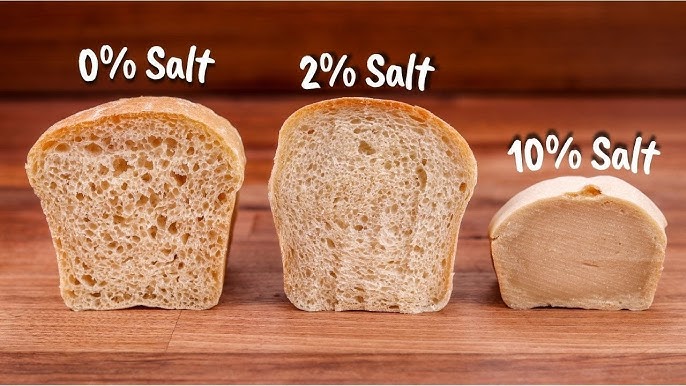
Salt can kill or slow down yeast if added too soon. When salt and yeast touch directly, yeast growth drops. This means less rise and a denser crust. Best practice is to mix flour, yeast, and water first. Add salt only after the yeast starts working. This keeps the dough light and airy.
Skipping Salt Completely
Some skip salt, thinking it is optional. Salt is key for taste and dough strength. Without salt, pizza dough tastes bland and lacks structure. Salt tightens gluten strands, making dough stretchy and easy to handle. Leaving out salt also makes fermentation uneven. The dough may rise too fast or collapse.
Using Excessive Salt
Too much salt harms yeast and flavor. Excess salt slows fermentation too much. The dough may not rise well and feels tough. High salt levels also make the pizza taste too salty. Measure salt carefully. Use about 2% of flour weight for best results. This balances flavor and dough texture perfectly.
Salt Timing Variations By Dough Style
Salt plays a key role in pizza dough, affecting flavor, texture, and fermentation. The timing of adding salt varies depending on the dough style. Different styles require different approaches to salt timing. This helps achieve the best dough performance and taste. Understanding these variations improves your pizza-making skills.
Neapolitan Vs Other Styles
Neapolitan dough often adds salt after mixing flour, water, and yeast. This protects yeast activity for a strong rise. Salt comes in after a short rest or autolyse. Other styles like New York or Sicilian may add salt earlier. They use different hydration levels and fermentation times. Salt timing adapts to each style’s needs.
Adjusting For Hydration And Fermentation
High hydration doughs need careful salt timing to control fermentation. Adding salt too early can slow yeast too much in wet doughs. Lower hydration doughs tolerate earlier salt addition. Long fermentations benefit from late salt addition to balance flavor and rise. Adjust salt timing based on water content and ferment length. This creates the best dough texture and taste.
Credit: www.youtube.com
Salt And Oil Addition Tips
Adding salt and oil to pizza dough impacts its flavor and texture deeply. Knowing the right moment to add each ingredient helps create the perfect dough. Salt controls yeast activity and strengthens gluten, while oil adds softness and richness. Timing their addition is key to balance dough rise and chewiness.
When To Add Oil
Add oil after mixing the flour, yeast, and water. This timing helps oil coat flour particles evenly. It slows gluten development slightly, making the dough easier to stretch. Adding oil too early can weaken the dough structure. Adding it too late may cause uneven texture. Mixing oil in after salt ensures smooth dough that feels soft but strong.
Combined Effects On Dough
Salt and oil work together to improve dough quality. Salt tightens the gluten network, while oil adds tenderness. Salt slows yeast, controlling fermentation speed and flavor. Oil lubricates the dough, preventing dryness and cracking. Adding both at the right time balances rise and texture. This results in a dough that is chewy, flavorful, and easy to handle.
Troubleshooting Dough Issues
Troubleshooting pizza dough can be tricky when salt timing is off. Salt affects yeast activity, gluten strength, and dough fermentation. Small changes in when you add salt can cause problems. Knowing these effects helps fix common dough issues fast. Below are key problems linked to salt timing and how they appear in dough behavior.
Slow Or Stalled Rise
Adding salt too early can kill or slow yeast growth. Salt draws water from yeast cells, making them less active. This leads to a slow or stalled rise. Dough may stay dense and hard to stretch. To avoid this, mix flour, yeast, and water first. Add salt after the yeast shows bubbles or slight rise.
Poor Crumb Color And Texture
Salt strengthens gluten, giving dough good texture. Too little salt or adding it late can weaken gluten. This creates crumb with holes or a chewy, uneven texture. The crust may look pale and lack crispness. Proper salt timing builds stronger dough structure and better browning during baking.
Blending And Aroma Concerns
Salt also affects dough aroma and flavor balance. Adding salt late or unevenly can cause harsh or bland taste. Poor blending makes dough smell flat or salty in spots. Dissolving salt in water before mixing helps it spread evenly. This improves aroma and makes flavor more consistent in every bite.
Frequently Asked Questions
When To Add Salt When Making Pizza Dough?
Add salt to pizza dough after mixing yeast, flour, and water to avoid inhibiting yeast activity and ensure proper rise.
What Is The 55 Rule For Pizza Dough?
The 55 rule for pizza dough means mixing flour and water first, then adding salt after 5-5 minutes to protect yeast. This timing enhances dough rise, texture, and flavor by preventing salt from inhibiting yeast activity.
What Happens If You Put Too Much Salt In Your Pizza Dough?
Too much salt in pizza dough slows yeast activity, resulting in poor rise and dense texture. It also makes dough overly salty and tough.
What Happens If You Don’t Put Enough Salt In Pizza Dough?
Not adding enough salt in pizza dough results in bland flavor and weaker gluten structure. Dough may rise too quickly and become sticky.
Conclusion
Salt timing in pizza dough shapes flavor and texture well. Adding salt after yeast activation helps dough rise better. Salt strengthens gluten, making dough stretchy and easy to handle. Avoid mixing salt directly with yeast at the start. Small changes in timing create big differences in dough quality.
Experiment with salt addition to find your perfect method. Keep your dough simple and enjoy tasty, well-textured pizza every time.

As the author of the “Ultimate Pizza Guide: Recipes, Tips & Secrets Revealed,” I’m dedicated to sharing my love for pizza and empowering others to create delicious homemade pizzas with ease. Join me on a journey to uncover the secrets to perfecting your pizza game!