“Pizza Dough Hydration And Texture”
When you make pizza dough, the amount of water you add—known as hydration—can change everything about your crust. Are you aiming for a chewy, airy bite or a thin, crispy base?
Understanding pizza dough hydration helps you control the texture you want. Whether you’re a beginner or someone looking to perfect your pizza game, knowing how hydration affects dough will unlock new levels of flavor and feel. Ready to discover the secret behind that perfect crust?
Let’s dive into how hydration shapes your pizza dough’s texture and how you can master it at home.

Credit: news.pages.wm.edu
Hydration Basics
Understanding hydration basics is key to making great pizza dough. Hydration affects the dough’s texture, stretch, and how it bakes. It controls moisture, influencing chewiness and crust crispness. Small changes in water content can change the entire pizza experience.
Hydration is the ratio of water to flour by weight in the dough. Knowing this helps bakers create dough that fits their pizza style. High hydration doughs are wetter and softer. Lower hydration doughs feel drier and firmer. Each has its unique feel and baking result.
What Hydration Means
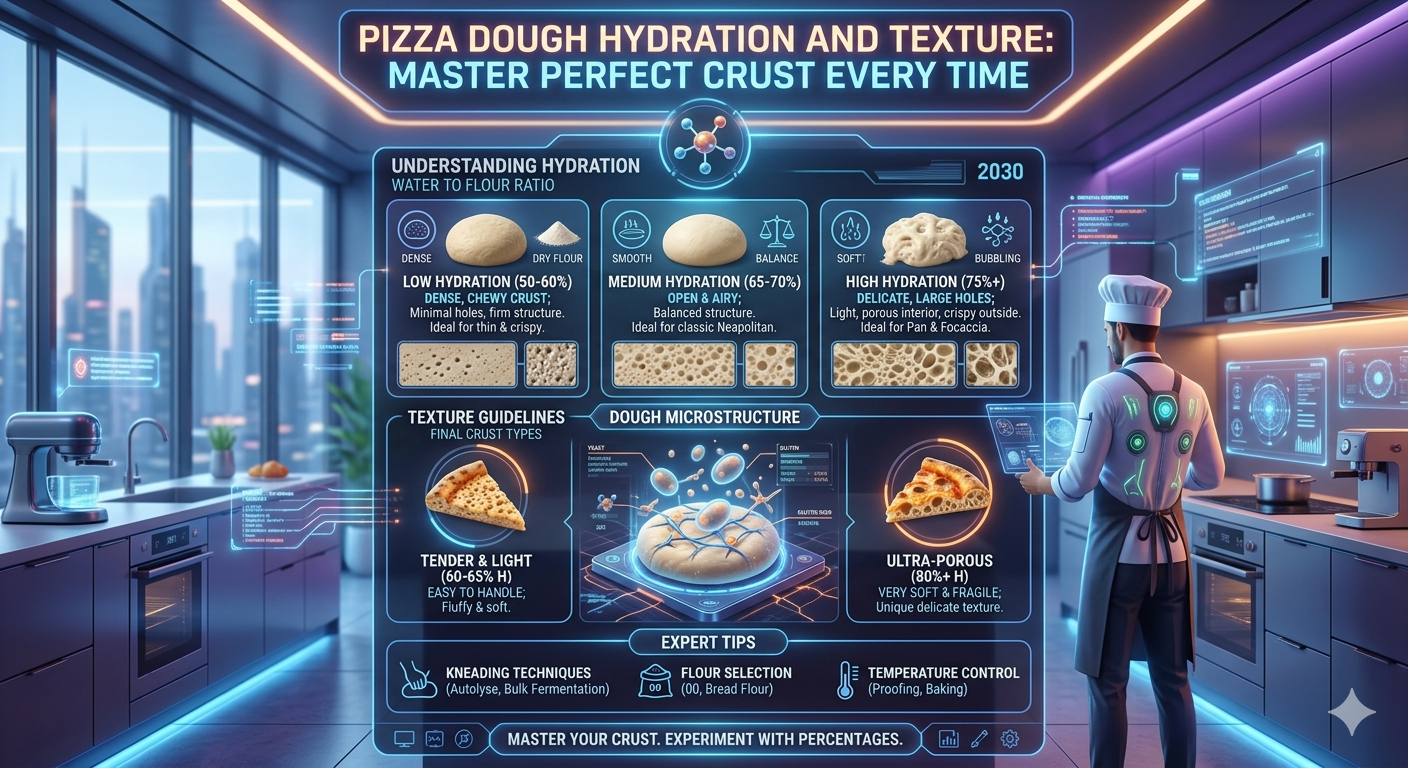
Hydration means the percentage of water compared to flour in dough. For example, 60% hydration means 60 grams of water per 100 grams of flour. Water activates gluten in flour, helping dough stretch without tearing. It also impacts how the dough ferments and rises. More water usually means a lighter, airier crust.
Measuring Hydration Levels
Use a kitchen scale for precise hydration measurement. Weigh the flour first, then weigh the water added. Divide water weight by flour weight, multiply by 100 for the hydration percentage. Adjust water slowly to find the right balance for your dough. Accurate measuring leads to consistent dough results every time.
Hydration Effects On Dough
Hydration greatly impacts pizza dough’s feel and final bake. It changes how the dough stretches, bakes, and tastes. Understanding hydration helps create the perfect pizza crust for your style. Different hydration levels bring unique qualities to dough texture and crust results.
Texture Changes
Higher hydration makes dough softer and more elastic. It creates a more open crumb with bigger holes. Lower hydration results in denser dough with a tighter crumb. Water amount controls dough’s softness and airiness during baking.
Crust Characteristics
Dough with more water bakes into a lighter, airier crust. It often has a crisp outside and chewy inside. Less hydrated dough produces a thick, crunchy crust. Hydration affects crust color, thickness, and chewiness after baking.
Handling Differences
High hydration dough feels sticky and can be harder to shape. It needs gentle handling to keep air bubbles intact. Low hydration dough is firmer and easier to stretch. Adjust your technique based on dough’s water content for best results.
Hydration By Pizza Style
Hydration plays a key role in pizza dough texture. Different pizza styles require different hydration levels. Hydration affects how soft, chewy, or crispy the crust will be. Understanding hydration helps in making the perfect dough for each style.
Neapolitan Dough
Neapolitan dough uses high hydration, usually around 65-70%. This creates a soft, airy crust with big bubbles. The dough feels sticky and wet but bakes into a tender, chewy base. High water content helps the dough stretch easily and rise well in a hot oven.
New York Style
New York style dough has moderate hydration, about 60-65%. This produces a dough that is soft yet sturdy. The crust is thin but still chewy and flexible. It holds toppings well without becoming soggy. This hydration level balances crispness and chewiness perfectly.
Thin And Crispy
Thin and crispy pizza dough uses lower hydration, around 50-55%. Less water makes the dough stiffer and easier to roll thin. The crust bakes very crisp and crunchy. This style requires careful handling to avoid cracking or tearing the dough.
Chicago Deep Dish
Chicago deep dish dough has hydration near 60-65%, similar to New York style. The dough is thick and sturdy to hold heavy toppings. Hydration ensures the dough stays moist inside but bakes to a firm, bread-like crust. It creates a rich, buttery texture unique to deep dish.
Science Behind Water Content
Water plays a key role in pizza dough. It affects the dough’s feel and final texture. The right water amount changes how gluten forms, how the crumb looks, and how crispy the crust becomes. This section explains the science behind water content in pizza dough. Understanding this helps make better pizzas at home.
Gluten Development
Water hydrates flour proteins called glutenin and gliadin. These proteins link to form gluten strands. More water allows gluten to develop fully. This makes the dough stretchy and elastic. Too little water makes gluten weak and dough tough. Proper hydration helps dough rise well and hold gas bubbles.
Crumb Structure
Water affects the dough’s internal texture or crumb. High water content creates open, airy holes inside. It traps more gas during fermentation. Low hydration results in a dense and tight crumb. A balanced water level gives a soft, chewy interior. This texture is important for many pizza styles.
Crispiness Factors
Water also controls crust crispiness. Less water leads to a thinner, crunchier crust. More water makes the crust softer and more tender. During baking, water evaporates and forms steam. Steam helps create bubbles and a light crust. The right water amount balances crispness with chewiness perfectly.
Adjusting Hydration For Desired Texture
Adjusting the hydration of pizza dough changes its texture significantly. Hydration means the amount of water compared to flour in the dough. More water makes the dough softer and more open. Less water results in a firmer, denser crust. Understanding how hydration affects texture helps create your perfect pizza base.
Chewiness And Softness
Higher hydration dough feels softer and more elastic. It holds moisture well, making the crust tender inside. This dough has a nice chew but does not feel tough. Lower hydration dough tends to be stiffer and less stretchy. It gives a firmer bite but can feel dry or crumbly.
Crunch And Density
Low hydration dough creates a crunchy, dense crust. It bakes evenly and crisps quickly. This style suits thin, crispy pizzas. High hydration dough often results in a lighter crust with less crunch. It can be slightly chewy but less dense overall. Balancing hydration lets you control crunchiness.
Open Crumb Vs Dense Crust
High hydration dough creates an open crumb with large air pockets. This dough looks airy and soft after baking. It is common in Neapolitan or artisan-style pizzas. Low hydration dough produces a denser crumb with fewer holes. The crust feels compact and solid. This style suits pizzas with a sturdy base.

Credit: cruovens.com
Tips For Managing High Hydration Dough
High hydration doughs contain more water than typical pizza doughs. This extra water creates a softer, airier crust with open holes. Managing this dough type requires care and practice. Understanding how to handle sticky dough, apply proper kneading, and control fermentation helps improve texture and ease of use.
Handling Sticky Dough
High hydration dough feels very sticky to the touch. Wet your hands and work surface to prevent sticking. Use a bench scraper to move and fold the dough. Avoid adding too much extra flour, as it can toughen the dough. Let the dough rest to relax the gluten and reduce stickiness.
Kneading Techniques
Gentle kneading works best with wet dough. Use a stretch and fold method instead of heavy kneading. This method strengthens gluten without tearing the dough. Perform folds every 20-30 minutes during the first fermentation. This builds structure and improves dough elasticity.
Fermentation Considerations
High hydration dough ferments faster due to more water. Keep fermentation times shorter or use cooler temperatures. Watch the dough closely to avoid over-proofing. Proper fermentation develops flavor and texture. Cold fermentation in the fridge overnight is ideal for flavor and handling.
Hydration And Oven Types
Hydration in pizza dough affects its texture and how it bakes in different ovens. The water content changes dough softness, chewiness, and crust crispiness. Oven type plays a key role in choosing the right hydration level. Each oven heats differently, impacting dough performance and final pizza quality.
Home Oven Adaptations
Home ovens usually reach lower temperatures than professional ones. Dough with 60-65% hydration works well here. This level keeps the dough easy to handle and prevents sogginess. Using a pizza stone or steel helps mimic high heat. It improves crust crispness and texture.
Wood-fired Ovens
Wood-fired ovens get very hot, often over 800°F (425°C). High hydration dough, around 70-75%, suits these ovens best. The extra water creates a light, airy crumb and blistered crust. The quick cooking time locks in moisture, making the pizza chewy yet soft.
Professional Pizza Ovens
Professional ovens offer controlled high heat and airflow. Dough hydration varies from 65% to 70%. This balance gives a chewy inside and crispy outside. Professional ovens handle wetter dough better than home ovens. Adjust hydration based on oven temperature and pizza style.
Common Mistakes To Avoid
Understanding the right hydration for pizza dough is key to great texture. Mistakes in hydration can ruin your dough’s feel and rise. Avoid common errors to get perfect dough every time.
Overhydrating Dough
Adding too much water makes dough sticky and hard to handle. It can tear easily and lose shape while baking. Overhydrated dough often spreads too thin and lacks structure.
This results in a soggy, dense crust without good chew. Avoid pouring water all at once. Add it slowly and watch the dough’s feel.
Underhydrating Dough
Too little water creates tough dough that is hard to stretch. It feels dry and cracks easily during shaping. Underhydrated dough does not rise well, making the pizza dense.
The crust becomes dry and crumbly instead of soft and airy. Measure water carefully. Adjust hydration based on flour type and humidity.
Improper Mixing
Mixing dough incorrectly affects gluten development and texture. Under-mixing leaves lumps and uneven water absorption. Over-mixing breaks gluten strands and weakens dough.
Both cases cause poor elasticity and uneven rise. Mix until dough is smooth and slightly tacky. Resting dough after mixing helps improve texture.
Experimenting With Hydration Levels
Experimenting with hydration levels is key to crafting the perfect pizza dough. Water affects the dough’s texture, elasticity, and how it bakes. Small changes in hydration can lead to big differences in the final pizza. Trying different amounts helps you learn what suits your taste and baking style.
Starting Small
Begin with a hydration level around 60%. This means 60 grams of water for every 100 grams of flour. It’s easier to handle and less sticky. Once you feel comfortable, raise the hydration by 2-3% for the next batch. Small steps make it simpler to notice changes.
Recording Results
Write down the hydration level and how the dough feels. Note its stickiness, stretchiness, and rise time. Also, pay attention to the baked crust’s texture and chew. Keeping records helps track what works best and what does not. It guides your next attempt.
Finding Your Ideal Hydration
Try hydration levels between 60% and 75%. Lower hydration gives a denser, crispier crust. Higher hydration creates a lighter, airier dough with big bubbles. Your ideal hydration depends on flour type, oven heat, and personal taste. Keep testing until you find the best balance.

Credit: www.spice-electronics.com
Frequently Asked Questions
Is 60 Or 70 Hydration Pizza Dough Better?
A 60% hydration dough offers easier handling and a crispier crust. A 70% hydration dough creates a lighter, airier texture but is stickier and harder to manage. Choose based on your skill level and desired pizza style.
What Is The Perfect Hydration For Pizza Dough?
The perfect hydration for pizza dough ranges between 60% and 65%. This balance creates a dough that is easy to handle, with a crispy crust and chewy texture. Higher hydration results in a lighter, airier crumb but requires careful handling.
Adjust hydration based on desired pizza style and oven type.
What Is The 55 Rule For Pizza Dough?
The 55 rule for pizza dough means using 55% hydration—water weight is 55% of flour weight. It creates balanced texture and chew.
Is Higher Hydration Pizza Dough Crispier?
Higher hydration pizza dough creates a lighter, airier crust with larger bubbles but tends to be less crispy. Lower hydration yields a denser, crispier crust.
Conclusion
Understanding pizza dough hydration helps you control texture and taste. Higher hydration makes dough softer and more open. Lower hydration creates a denser, crispier crust. Adjust water slowly to find your favorite balance. Practice patience; dough feels sticky but bakes well with care.
This knowledge lets you bake pizzas that suit your style. Experiment with hydration levels for delicious, fresh results every time.

As the author of the “Ultimate Pizza Guide: Recipes, Tips & Secrets Revealed,” I’m dedicated to sharing my love for pizza and empowering others to create delicious homemade pizzas with ease. Join me on a journey to uncover the secrets to perfecting your pizza game!