Have you ever started making pizza dough only to find it too sticky, wet, and impossible to shape? If your dough feels like a sticky mess that clings to everything, you’re likely dealing with pizza dough overhydration issues.
This common problem can turn your perfect pizza plans upside down, leaving you with dough that’s hard to handle and bakes into flat, dense crusts instead of light, airy masterpieces. But don’t worry—understanding why overhydration happens and how to fix it will transform your dough-handling skills.
Keep reading, and you’ll learn simple, effective ways to tame wet dough and create the perfect pizza crust every time.
Credit: www.swissbake.in
Signs Of Wet Dough
Wet pizza dough shows clear signs that help you spot overhydration early. Recognizing these signs prevents baking problems and wasted ingredients. Wet dough behaves differently than well-balanced dough. It feels, looks, and handles in unique ways that can challenge your pizza-making process.
Excessive Stickiness
Wet dough sticks strongly to your hands and work surface. It clings to tools and bowls, making it hard to manage. This stickiness means the dough holds too much water. Excess moisture weakens the dough’s structure. It slows down handling and shaping steps.
Soupy Or Batter-like Texture
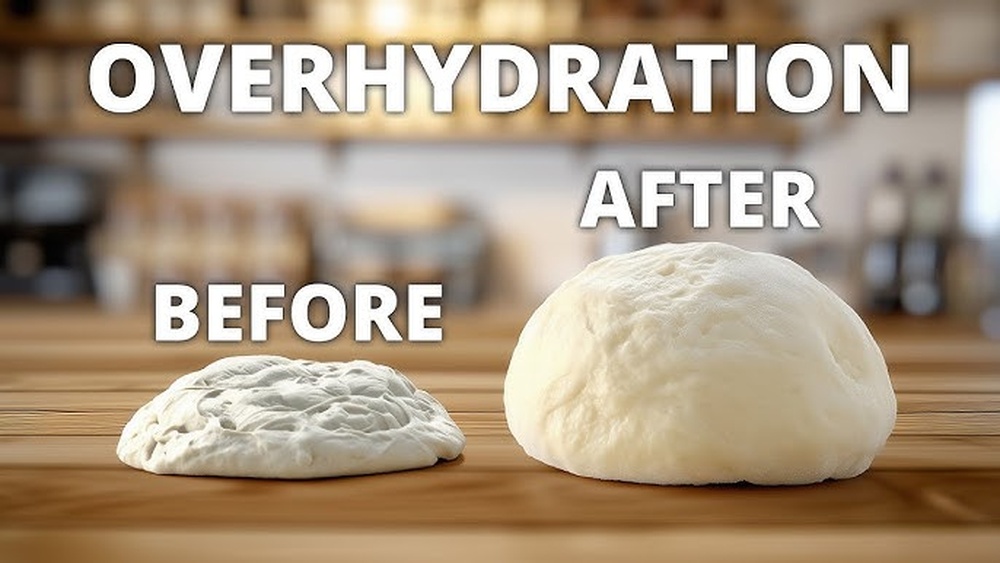
Instead of a firm ball, wet dough looks loose and runny. It can resemble thick batter or soup. This texture shows the dough has extra water that the flour cannot absorb. It spreads out easily when placed on a surface. This state makes it tough to bake properly.
Difficulty Shaping
Wet dough does not keep its shape well. It collapses or flattens when you try to stretch or form it. This happens because the gluten network is too weak. The dough feels fragile and loses elasticity quickly. Shaping becomes frustrating and slows down your prep time.

Credit: bakingwellness.com
Effects On Baking
Overhydrated pizza dough changes how your pizza bakes. The extra water affects the dough’s structure and texture. This leads to noticeable problems in the final bake. Understanding these effects helps you avoid common baking mistakes.
Too much water weakens gluten, the dough’s main support. The dough loses its strength and traps less gas. This results in poor rise and other texture issues. Below are the main effects of overhydrated dough during baking.
Poor Rise And Flat Crust
Excess water dilutes gluten strands in the dough. Weak gluten cannot hold gas from yeast well. Gas escapes quickly, causing the dough to collapse. The crust ends up flat and dense, lacking height. A flat crust means less airiness and chewiness.
Dense And Gummy Texture
Extra water makes the dough too sticky inside. This prevents proper crumb development during baking. The result is a heavy, gummy texture in the crust. It feels wet and doughy, not light and airy. Dense crusts are less enjoyable to eat.
Overly Spread And Crispy Cookies
High hydration dough spreads out too much on the baking surface. Thin, wide shapes form instead of a thick base. The edges become overly crispy or burnt. This effect is common when baking pizza cookies or cracker-style bases. The dough loses structure and shape during baking.
Quick Fixes For Sticky Dough
Sticky pizza dough can slow down your baking process. Fixing it quickly saves time and frustration. Simple methods help regain dough’s right texture fast.
These quick fixes make sticky dough easier to handle. They improve dough strength and prevent flattening during baking. Try these tips to get your dough back on track.
Adding Flour Gradually
Sprinkle flour in small amounts over the dough. Mix gently after each addition. Stop adding flour once dough feels less sticky but still soft. Avoid adding too much flour to keep dough tender.
Using Wet Hands And Scrapers
Wet your hands before touching the dough. It stops dough from sticking to your skin. Use a dough scraper to lift and fold dough. This method keeps dough workable without extra flour.
Trying Slap And Fold Technique
Lift dough and slap it onto the counter. Fold it over itself and repeat. This action strengthens gluten and reduces stickiness. It also helps dough become smooth and elastic.
Strengthening Dough Structure
Strengthening dough structure is key to managing overhydrated pizza dough. Too much water weakens gluten, making dough sticky and hard to shape. A strong dough holds gas well, rises properly, and bakes into a light, chewy crust. Simple changes can improve dough strength and handling.
Adding Vital Wheat Gluten
Vital wheat gluten boosts the dough’s protein content. It strengthens the gluten network, improving elasticity and structure. Adding a small amount, about 1 tablespoon per cup of flour, helps absorb extra water. This makes dough less sticky and easier to shape. It also improves the rise and texture of the baked crust. Use vital wheat gluten carefully, as too much can make dough tough.
Adjusting Kneading Methods
Kneading affects gluten development and dough strength. For wet dough, traditional kneading can be tricky. Use the “slap and fold” method to build strength without adding flour. This technique stretches gluten gently and traps air effectively. Wet hands or a dough scraper help handle sticky dough. Resting dough between kneading sessions also improves gluten formation. Proper kneading improves dough elasticity and final texture.
Handling High-hydration Doughs
Handling high-hydration doughs requires a gentle touch and a few smart strategies. These doughs feel wetter and stickier than usual. They can be tricky to shape but yield a light, airy crust if managed well. Learning to work with them improves your pizza-making skills and results.
The key lies in understanding dough behavior and adjusting your technique. Small changes make a big difference. Here are some helpful tips to make shaping easier, keep the dough manageable, and balance hydration for perfect results.
Tips For Easier Shaping
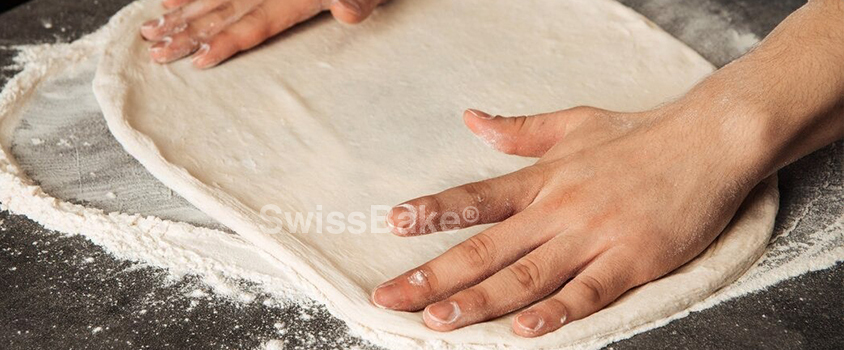
Use a well-floured surface to prevent sticking. Avoid adding too much flour to keep dough soft. Stretch dough gently from the center outward. Let gravity help by lifting and turning the dough slowly. Use a bench scraper to move the dough without tearing. Rest the dough if it resists stretching. Patience pays off with high-hydration doughs.
Practicing With Wet Hands
Keep your hands wet to stop dough from clinging. Wet hands help slide the dough easily during shaping. Dip fingers in water before touching the dough. Use a spray bottle to mist your hands lightly. This method keeps dough soft and prevents tearing. Wet hands also reduce frustration when handling sticky dough.
Balancing Hydration Levels
Hydration means the water percentage in your dough. Higher hydration creates airier dough but feels sticky. Lower hydration makes dough firm and easier to handle. Adjust water gradually in small amounts. Test dough texture after each change. Aim for a balance that suits your skill and recipe. This balance helps avoid overhydration issues and improves baking results.

Credit: www.youtube.com
Preventing Overhydration
Preventing overhydration is key to making perfect pizza dough. Too much water weakens the dough and makes it sticky. This causes problems shaping and baking your pizza. Careful control of water and flour helps avoid these issues. Simple steps can keep your dough balanced and easy to work with.
Measuring Water Accurately
Use a digital scale to measure water precisely. Avoid guessing with cups or spoons. Even a small extra amount can change dough texture. Pour water slowly and check the weight twice. Accurate measurement helps keep hydration in the right range.
Choosing The Right Flour
Different flours absorb water differently. High-protein flours hold more water without getting sticky. Low-protein flours absorb less and can make dough wet quickly. Use bread flour or specific pizza flour for better control. Check flour labels for protein content.
Adjusting For Humidity And Environment
Humidity affects how much water flour absorbs. In humid weather, flour may need less water. In dry conditions, add a bit more water carefully. Keep your kitchen temperature in mind. Adjust water slowly and watch dough feel and look.
Frequently Asked Questions
What Happens If Pizza Dough Is Too Hydrated?
Overhydrated pizza dough becomes sticky and hard to handle. It spreads too much, causing flat, dense crusts with poor rise and texture.
What Happens If You Overhydrate Dough?
Overhydrated dough becomes sticky and hard to handle, causing flat, dense bread or overly spread, crispy cookies. Excess water weakens gluten structure, reducing rise and texture quality. Fix by adding flour gradually, resting dough, or using special kneading techniques like “slap and fold” to improve strength and elasticity.
How To Manage High Hydration Pizza Dough?
Handle high hydration pizza dough by using wet hands or a dough scraper to prevent sticking. Perform “slap and fold” kneading to strengthen gluten. Let the dough rest to improve elasticity. Add flour gradually if too sticky, but avoid over-flouring to maintain hydration balance.
How To Fix Dough With Too Much Water?
Add flour gradually, one tablespoon at a time, and knead gently until dough firms up. Let it rest to absorb moisture. Use wet hands or a scraper to handle sticky dough. Avoid adding too much flour to keep dough soft and workable.
Conclusion
Overhydrated pizza dough can feel sticky and hard to manage. It often spreads too much and loses shape. This causes flat, dense, or overly crispy crusts. You can fix it by adding flour slowly and kneading well. Techniques like “slap and fold” help improve dough strength.
Using vital wheat gluten may also support the dough structure. Practice and patience make handling wet dough easier over time. Keep experimenting to find the right balance for your perfect pizza crust.

As the author of the “Ultimate Pizza Guide: Recipes, Tips & Secrets Revealed,” I’m dedicated to sharing my love for pizza and empowering others to create delicious homemade pizzas with ease. Join me on a journey to uncover the secrets to perfecting your pizza game!