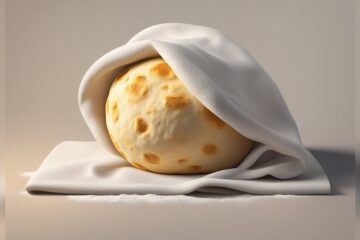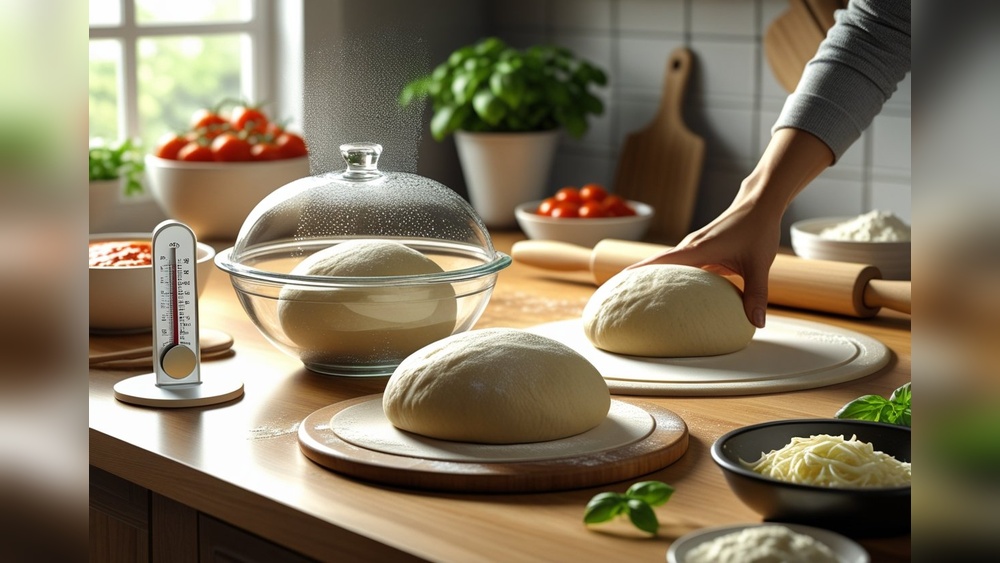
Are you ready to take your homemade pizza to the next level? One simple step that can transform your pizza dough from ordinary to extraordinary is letting it rest.
You might wonder, “Why is pizza dough resting time so important? ” The answer lies in how resting helps the dough relax, develop flavor, and become easier to stretch. Without the right resting time, your dough can be tough, difficult to handle, and end up with a dense crust.
But when you let your dough rest just right, you unlock a softer, airier texture and richer taste that will impress everyone at your table. Keep reading to discover the key benefits of pizza dough resting time and how it can make your homemade pizza truly unforgettable.
Credit: www.prepapizza.com
Gluten Relaxation
Resting pizza dough is a crucial step that allows gluten to relax. Gluten forms a stretchy network when you knead the dough. This network can become tight and springy. Resting gives it time to loosen up.
Gluten relaxation improves dough handling and texture. It helps you stretch the dough without it shrinking back. This makes shaping easier and prevents tearing. The dough becomes soft and smooth.
Why Gluten Needs Rest
Kneading develops gluten strands that hold dough together. This process tightens the gluten, making dough elastic but tense. Resting lets the gluten fibers unwind and relax. Without rest, dough resists stretching and bounces back.
Relaxed gluten reduces dough toughness. It lowers the chance of ripping during shaping. The dough feels more flexible and less stiff. This rest period also aids yeast activity, improving texture.
Effects On Dough Stretching
Rested dough stretches easily and evenly. It flows without snapping back, allowing smooth shaping. This makes it possible to form thin, even pizza crusts. Stressed gluten would shrink and cause uneven thickness.
Gentle stretching keeps the dough structure intact. It traps air bubbles for a light, airy crust. Proper gluten relaxation leads to a chewy, tender bite. This step is key for great homemade pizza.
Yeast Activity
Yeast activity plays a vital role in pizza dough resting. Yeast is a living organism that feeds on sugars in the dough. This process produces gases and flavors that shape the dough’s texture and taste. Resting time allows yeast to work slowly and effectively. This makes the dough light and full of flavor.
Carbon Dioxide Production
During resting, yeast consumes sugars and releases carbon dioxide gas. This gas forms tiny bubbles inside the dough. These bubbles make the dough rise and become fluffy. A well-rested dough traps more carbon dioxide, leading to a soft and airy crust. Without enough rest, the dough will be dense and hard.
Flavor Development
Yeast activity also helps develop rich, complex flavors in the dough. As yeast breaks down sugars, it creates organic acids and alcohols. These compounds add depth and a slight tang to the crust. Longer resting times allow more flavor compounds to form. This results in a tastier pizza base that is far better than quick-rise dough.
Hydration Benefits
Resting pizza dough offers important hydration benefits. This time allows the flour to fully absorb liquids. Proper hydration affects the dough’s texture and workability. Understanding these benefits helps in making better pizza crusts.
Liquid Absorption
During resting, flour absorbs water completely. This process improves dough consistency. The dough becomes less sticky and easier to handle. Proper hydration helps gluten develop evenly. It also prevents dry spots in the dough.
Improved Dough Texture
Well-hydrated dough feels softer and more elastic. This texture makes stretching the dough simpler. It reduces the chance of tearing during shaping. The final crust bakes with a tender, chewy bite. Hydration also supports even browning and crispness.
Texture And Crumb
Resting pizza dough greatly affects its texture and crumb. This step lets the dough develop a soft, chewy inside and a crisp outside. Proper resting time ensures the dough is easy to shape and bakes evenly. The structure inside the crust depends on how well the dough rests. Letting dough rest also helps create tiny pockets of air. These pockets make the pizza light and enjoyable to eat.
Gas Bubble Formation
During resting, yeast produces carbon dioxide gas. This gas forms bubbles inside the dough. These bubbles push the dough out, making it rise. The longer the dough rests, the more bubbles form. This process creates a light and airy dough. Without enough resting, the dough stays dense and heavy.
Open Crumb Structure
Resting allows gluten strands to relax and stretch. This helps create an open crumb with larger holes. An open crumb gives the pizza a soft, chewy texture. It also helps the crust hold toppings better. Dough that is not rested will have a tight, compact crumb. This makes the pizza feel tough and less pleasant to eat.
Risks Of Skipping Rest
Skipping the resting time for pizza dough can cause several problems. Resting allows gluten to relax and yeast to work properly. Without rest, the dough becomes hard to handle and affects the final pizza quality. Understanding these risks helps you avoid disappointing results.
Tough Dough
Skipping rest keeps gluten tight and hard to stretch. Dough snaps back when you try to shape it. This makes rolling or stretching frustrating and uneven. Tough dough often tears, causing holes and thin spots. The texture becomes chewy and unpleasant after baking.
Poor Rise And Texture
Resting lets yeast produce carbon dioxide, creating bubbles in the dough. Without rest, the dough does not rise well. The crust turns dense, heavy, and flat. It loses the light, airy texture that good pizza needs. Flavor also suffers because fermentation time is too short.
:max_bytes(150000):strip_icc()/20211115-OONI-PIZZA-ARMENIAN-ANDREW-JANJIGIAN-23-5447ecc61b12450d9a09f38cca67c19c.jpg "Pizza Dough Resting Time Benefits: Unlock Perfect Texture & Flavor 3")
Credit: www.seriouseats.com
Short Rest Periods
Short rest periods are a handy way to prepare pizza dough quickly. They give the dough just enough time to relax after kneading. This makes stretching easier and reduces the chance of the dough snapping back. Short rests help save time without sacrificing too much dough quality.
Quick Gluten Relaxation
Gluten forms a strong network during kneading. This network makes dough elastic and stretchy. Short resting allows gluten strands to loosen slightly. This reduces tension and makes the dough easier to shape. The dough will stretch smoothly without tearing or shrinking back. Quick gluten relaxation supports a good pizza base in less time.
Best Uses And Limitations
Short rests suit quick pizza recipes and busy kitchens. They work well for thin crusts that need fast handling. These rests are ideal if you plan to bake the dough soon. The flavor development is mild but still pleasant.
Short resting has limits. The dough may not rise fully or develop deep flavor. The texture might be less chewy compared to longer rests. Short rests are not best for thick, chewy crusts or complex dough recipes. Use them when speed matters more than maximum flavor or texture.
Moderate Rest Times
Moderate rest times strike a perfect balance between quick preparation and flavor development. This resting period allows the dough to relax enough for easy handling. It also gives the yeast time to produce mild flavors without overproofing. Moderate rests usually last from one to three hours at room temperature. This timing works well for many home bakers seeking good results without long waits.
Balanced Flavor And Texture
Moderate resting lets the dough develop flavor naturally. Yeast slowly ferments sugars, creating subtle, pleasant tastes. The gluten relaxes, making the dough stretch smoothly. This results in a crust that is both chewy and tender. The dough also gains good elasticity, which helps it rise evenly in the oven. This balance avoids a dough that is too dense or too airy.
Ideal For Home Bakers
This resting time suits home bakers well. It does not require overnight planning or refrigeration. The dough is easier to shape and less likely to spring back. Bakers can see quick progress without sacrificing quality. Moderate rests provide flexibility for baking on the same day. It fits busy schedules while still creating tasty, professional-like pizza crusts.

Credit: cooking.nytimes.com
Long Rests And Cold Fermentation
Long rests and cold fermentation give pizza dough time to develop unique qualities. Chilling the dough slowly builds flavor and improves texture. This process is common among pizza makers who want rich taste and perfect crust. The dough ferments in the fridge, which slows yeast activity and lets enzymes break down starches. This method requires patience but rewards with a better pizza base.
Complex Flavor Profiles
Cold fermentation creates deep, rich flavors in pizza dough. Yeast produces organic acids and alcohols during the slow rest. These compounds add subtle tanginess and sweetness to the dough. The longer the dough rests, the more flavors develop. This process also reduces the raw flour taste. It makes the pizza taste fresher and more delicious.
Chewy And Airy Crust
Long rests improve dough texture by strengthening gluten strands. The dough becomes more elastic and less sticky. This elasticity traps carbon dioxide, forming air bubbles inside. These bubbles create a light, airy crumb with a chewy bite. The crust crisps well in the oven without becoming hard. A cold-fermented dough balances chewiness with a soft inside perfectly.
How To Check Dough Readiness
Knowing when your pizza dough is ready to use is key to a great crust. The resting time helps the dough relax and develop flavor. But how do you tell if the dough has rested enough? Simple tests and visual signs guide you to perfect dough readiness. These methods ensure your pizza base will stretch without tearing and bake to a soft, chewy texture.
Finger Poke Test
Press your finger gently into the dough about half an inch deep. Watch how the dough reacts.
If the dough slowly springs back and the indentation fades, it is ready. This means the gluten has relaxed well. The dough is elastic and easy to shape.
If the dough springs back quickly, it needs more resting time. The gluten is still tight, and the dough will snap back when stretched.
If the dough does not spring back at all, it may be over rested. It can become too soft and lose structure.
Signs Of Over Or Under Resting
Under rested dough feels tight and hard to stretch. It pulls back and shrinks during shaping. Baking such dough results in a tough crust.
Over rested dough looks very soft and sticky. It may spread out too much and lose shape. The texture can become flat and doughy after baking.
Check the dough surface for bubbles. Small bubbles show good fermentation. Large bubbles or sticky patches can signal over resting.
Types Of Dough Rests
Resting pizza dough is essential for texture, flavor, and ease of shaping. Different types of rests serve unique roles during dough preparation. Understanding these types helps you bake better pizza with a soft, chewy crust and rich taste.
Bulk Fermentation
Bulk fermentation is the first long rest after mixing the dough. Yeast begins to produce gas, making the dough rise and expand. Gluten develops strength and elasticity during this phase. Flavor also starts to build as yeast ferments sugars. This rest can last from one to several hours, depending on temperature and recipe. It improves dough texture and workability significantly.
Proofing And Second Rise
Proofing is the final rise after shaping the dough. It allows the dough to relax and become airy before baking. This rest usually lasts 30 minutes to two hours. Proofing prevents the dough from shrinking while baking. It also enhances the crust’s lightness and chewiness. Skipping proofing can lead to dense, tough pizza bases.
Chilling For Stability
Chilling dough slows yeast activity and strengthens gluten. This rest happens in the refrigerator for several hours or overnight. Cold fermentation creates deeper, more complex flavors. It also makes dough easier to handle and shape. Chilled dough often produces a crispier crust with better texture. Many pizza chefs prefer this slow, cool rest for top results.
Frequently Asked Questions
How Long Should You Let Pizza Dough Rest?
Let pizza dough rest for 1 to 2 hours at room temperature or 8 to 24 hours in the fridge. This relaxes gluten and develops flavor. Dough is ready when it slowly springs back after a gentle poke. Resting ensures easy stretching and a light, airy crust.
What Happens If You Don’t Rest Pizza Dough?
Skipping pizza dough rest keeps gluten tight, making dough tough and hard to stretch. Yeast won’t create gas bubbles, causing a dense, chewy crust with poor flavor and texture.
What Is The Purpose Of Resting Dough?
Resting dough relaxes gluten, making it easier to shape and stretch. It allows yeast to produce gas, creating a light, airy texture and enhancing flavor.
What Is The 55 Rule For Pizza Dough?
The 55 rule for pizza dough means using 55% water to flour ratio. It creates a moist, stretchy, and easy-to-handle dough. This hydration level improves texture and crust quality. It suits most home bakers aiming for a balanced, chewy pizza crust.
Conclusion
Resting pizza dough improves texture and flavor significantly. It lets gluten relax, making dough easier to stretch. Yeast works during rest, creating light, airy bubbles. Longer rests deepen flavor and create a chewier crust. Short rests suit quick pizzas with decent results.
Watch dough rise carefully; it should slowly spring back. Avoid skipping rest to prevent tough, flabby dough. Taking time to rest dough makes your pizza better. Simple steps lead to tastier, more enjoyable homemade pizza.

As the author of the “Ultimate Pizza Guide: Recipes, Tips & Secrets Revealed,” I’m dedicated to sharing my love for pizza and empowering others to create delicious homemade pizzas with ease. Join me on a journey to uncover the secrets to perfecting your pizza game!