Have you ever wondered why some pizza crusts are perfectly chewy and airy, while others turn out dense or tough? The secret often lies in one simple factor: hydration.
Understanding pizza dough hydration ratios can completely change the way your dough behaves and tastes. Whether you’re aiming for a classic Neapolitan, a crispy New York slice, or a deep-dish delight, getting the right water-to-flour balance is key. You’ll discover how hydration affects texture, handling, and flavor, plus practical tips to find the perfect ratio for your homemade pizza.
Ready to unlock the full potential of your dough? Keep reading and transform your pizza game for good.

Credit: www.youtube.com
Hydration Basics
Understanding hydration is key to making great pizza dough. Hydration affects dough texture, stretch, and bake quality. It is the ratio of water to flour by weight. This ratio helps bakers create doughs with different characteristics.
Lower hydration makes dense and firm dough. Higher hydration results in softer, airier dough with larger holes. Knowing hydration basics helps you control dough behavior and final pizza style.
What Hydration Means
Hydration means the amount of water in dough compared to flour. It is shown as a percentage. For example, 60% hydration means 60 grams of water per 100 grams of flour.
Water hydrates flour, activates gluten, and affects dough feel. More water makes dough sticky and soft. Less water makes dough stiff and dry. Each pizza style uses different hydration levels.
How To Calculate Hydration Ratio
Calculate hydration by dividing water weight by flour weight. Then multiply by 100 to get a percentage. For example:
Water weight = 300 grams, Flour weight = 500 grams
Hydration = (300 ÷ 500) × 100 = 60%
This simple formula helps you adjust water for desired dough texture. Tracking hydration improves dough consistency and results.
Hydration By Pizza Style
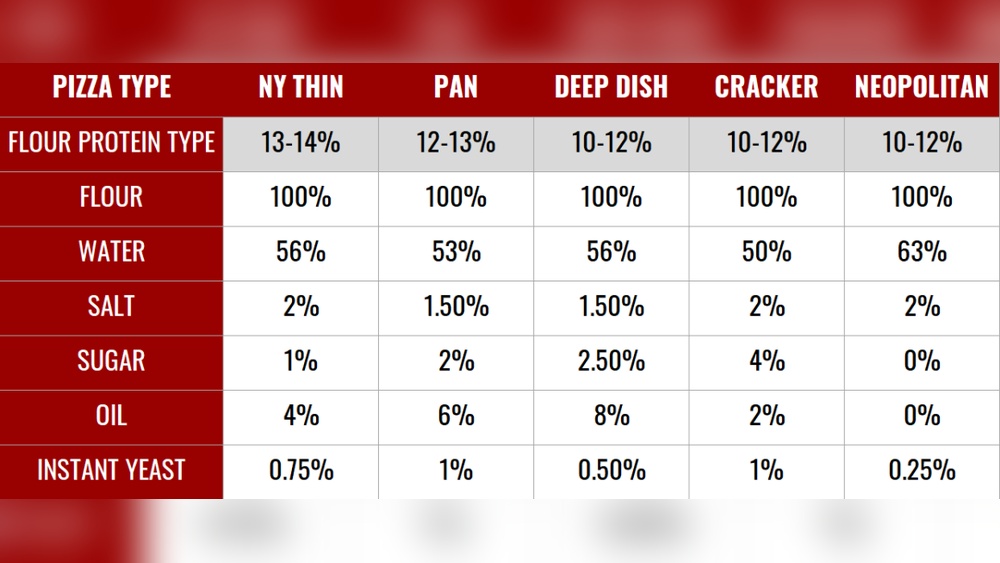
Hydration ratios vary widely across pizza styles. Each style demands a specific water-to-flour balance. This balance affects dough texture and the final pizza’s feel. Understanding hydration helps bakers craft pizzas true to their style. Below, hydration levels are broken down by popular pizza types.
Neapolitan Dough
Neapolitan dough uses about 60-65% hydration. This means 60 to 65 grams of water per 100 grams of flour. The dough is soft and slightly sticky. It creates a tender, airy crust with a light chew. This hydration level supports the quick, high-heat baking typical of Neapolitan pizza.
New York Style
New York style dough usually has 58-62% hydration. This makes the dough firm but still flexible. The crust is crisp on the edges and chewy inside. It holds up well to a variety of toppings. This hydration level suits longer baking times at moderate heat.
Thin And Crispy
Thin and crispy dough often uses lower hydration, around 50-55%. Less water keeps the dough tight and easy to roll very thin. The result is a crunchy, brittle crust. This style bakes quickly and evenly, delivering a satisfying snap with each bite.
Chicago Deep Dish And Detroit
Deep dish and Detroit styles need higher hydration, usually 65-70%. More water creates a thick, soft dough that holds heavy toppings. The dough is more bread-like, with a chewy crumb. This hydration supports long baking times and deep pans, ensuring a rich, hearty crust.
Effects On Dough
Hydration ratio plays a key role in shaping pizza dough’s qualities. It affects how the dough feels and behaves. Adjusting water content changes many dough properties. Understanding these effects helps create the perfect crust.
Texture And Crumb
Higher hydration leads to a softer, airier crumb. The dough traps more gas, creating bigger bubbles inside. This results in a light, open texture that many enjoy. Lower hydration makes the crumb denser and tighter. The crust will be chewier and less porous.
Elasticity And Stretch
Dough with more water stretches easier and feels more elastic. It can expand without tearing, ideal for thin crusts. Less hydrated dough is firmer and resists stretching. It holds its shape better but can crack if pulled too hard.
Handling Challenges
High hydration dough is sticky and hard to shape. It requires gentle handling and a floured surface. Low hydration dough is easier to manage and less sticky. It can be rolled or stretched without much trouble. Bakers must adjust their techniques based on hydration level.
Choosing The Right Hydration
Choosing the right hydration level for pizza dough shapes the final pizza experience. Hydration means the percentage of water compared to flour in your dough. It affects dough softness, stretch, and crust texture. Knowing how to choose hydration helps make pizzas that suit your taste and oven.
Desired Crust Texture
Hydration directly impacts crust texture. Lower hydration, around 55-60%, gives a firm and crispy crust. It is easier to handle and perfect for thin, crunchy pizzas.
Higher hydration, above 65%, results in a softer, airier crust with big bubbles. This style suits Neapolitan or artisan pizzas. The dough feels sticky but creates a light texture after baking.
Oven Type Considerations
Oven heat and style influence hydration choice. High-heat ovens, like wood-fired, handle wetter dough well. They quickly cook dough with high hydration, preserving softness inside.
Home ovens with lower heat work better with medium hydration dough. This dough is easier to shape and bakes evenly without burning.
Flour Selection Impact
Flour type affects how much water dough absorbs. High-protein flours, like bread flour, absorb more water and tolerate higher hydration. They create strong gluten networks for chewy crusts.
All-purpose flour absorbs less water, so use lower hydration for good dough consistency. Adjust hydration based on your flour to avoid sticky or dry dough.
Tips For Beginners
Understanding pizza dough hydration can feel tricky for new bakers. Water changes dough texture and handling. Simple steps help you get comfortable and avoid frustration. Follow these tips for smooth progress.
Starting Hydration Levels
Begin with 60% hydration. This means 60 grams of water per 100 grams of flour. It creates a firm dough that is easy to shape. This level works well for most home ovens and pizza styles.
Too much water at first can make dough hard to manage. Stick to a moderate amount. You can explore higher hydration once you gain confidence.
Gradual Adjustments
Increase hydration slowly, about 2-3% at a time. This helps you learn how dough changes with more water. Notice how it feels softer and more elastic.
Take notes on each batch. Watch how the dough stretches and bakes. Small changes improve your skills without overwhelming you.
Managing Sticky Dough
Sticky dough can be frustrating but normal at higher hydration. Use wet hands or a little oil to handle it. Avoid adding extra flour; it can dry out the dough.
Practice gentle folding instead of heavy kneading. This helps develop gluten and keeps dough smooth. Patience is key for sticky dough success.

Credit: pizzaotherbread.wordpress.com
Advanced Techniques
Advanced techniques in pizza dough hydration bring new textures and flavors to your pizza. These methods explore how water content affects dough behavior and final crust quality. Understanding and applying these techniques helps craft pizzas with unique characteristics.
High Hydration Dough Handling
High hydration dough contains more water than standard dough. It feels sticky and soft. Handling requires gentle folding instead of rough kneading. Use wet hands or a dough scraper to prevent sticking. Let the dough rest often; this improves elasticity and strength. This approach creates a dough that stretches easily without tearing.
Creating Open Crumb Structures
Open crumb means large, airy holes in the dough. High hydration helps form these holes by creating a looser gluten network. Stretch the dough carefully to keep the gas bubbles intact. Avoid pressing out the air during shaping. A light touch helps maintain the open crumb and produces a tender, chewy crust.
Fermentation And Hydration
Fermentation time changes dough texture and flavor. Higher hydration speeds up fermentation because water activates yeast better. Cold fermentation slows this process, enhancing taste and structure. Control temperature and fermentation length to balance dough rise and hydration effects. Proper fermentation results in a well-developed dough with great flavor and texture.

Credit: www.youtube.com
Frequently Asked Questions
What Is The Best Hydration Ratio For Pizza Dough?
The best pizza dough hydration ratio ranges between 60% and 70%. Higher hydration creates softer, airier crusts. Lower hydration yields denser, crispier crusts. Adjust hydration based on desired texture and pizza style. Home bakers often prefer around 65% for balance and ease of handling.
Is 60 Or 70 Hydration Pizza Dough Better?
A 60% hydration dough is easier to handle and yields a crispier crust. A 70% hydration dough creates a softer, airier crust with larger bubbles but feels stickier and needs careful handling. Choose based on your preferred texture and skill level.
What Is The 55 Rule For Pizza Dough?
The 55 rule for pizza dough means using 55% hydration—55 grams of water per 100 grams of flour. This creates a manageable, slightly soft dough ideal for beginners.
How Do You Calculate Pizza Dough Hydration?
Calculate pizza dough hydration by dividing water weight by flour weight, then multiply by 100. For example, 500g flour and 350g water equals 70% hydration. This ratio affects dough texture, elasticity, and crust crispiness. Adjust hydration to achieve your preferred pizza style and texture.
Conclusion
Understanding pizza dough hydration ratios helps you control texture and taste. Higher hydration creates a lighter, airier crust with big bubbles. Lower hydration makes dough firmer and easier to handle. Different pizza styles need different hydration levels. Experiment slowly to find what suits your oven and taste best.
Keep water ratios balanced for consistent dough results. With practice, you will bake pizzas that match your preferred style. Enjoy the process and the delicious results every time.

As the author of the “Ultimate Pizza Guide: Recipes, Tips & Secrets Revealed,” I’m dedicated to sharing my love for pizza and empowering others to create delicious homemade pizzas with ease. Join me on a journey to uncover the secrets to perfecting your pizza game!