When you make pizza dough, the amount and type of oil you use can change everything—from texture to flavor. But have you ever wondered why some doughs soak up oil differently or why your crust turns out crispier or softer depending on the oil content?
Understanding pizza dough oil absorption factors can unlock the secret to perfecting your homemade pizza every time. You’ll discover how oil interacts with your dough, what influences its absorption, and how to adjust your recipe to get the crust you crave.
Keep reading, and you’ll learn how to master the role of oil for pizza dough that’s just right for your taste and style.
Oil’s Impact On Dough Texture
Oil plays a key role in shaping the texture of pizza dough. It changes how the dough feels and behaves during preparation and baking. Understanding oil’s effect helps create better dough with desired qualities. Let’s explore how oil impacts stretchability, softness, and flavor.
Stretchability And Hydration
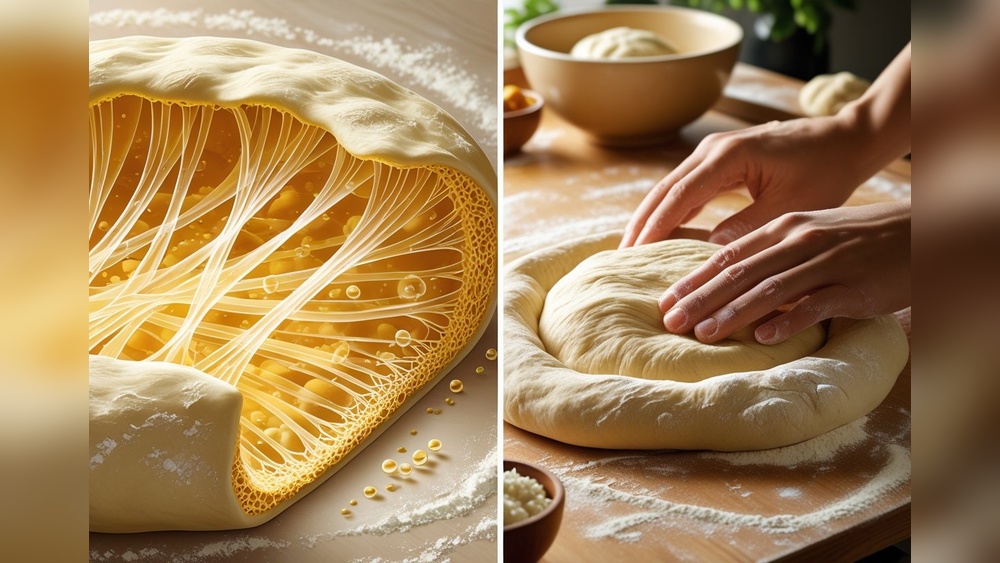
Oil coats flour particles, reducing water absorption. This makes dough less sticky and easier to stretch. It improves dough elasticity, helping it hold shape without tearing. Oil also traps moisture inside, keeping dough hydrated longer. The result is a smooth, flexible dough ready for topping.
Softness After Baking
Oil tenderizes dough by limiting gluten development. This creates a softer crumb in the baked pizza. It prevents the crust from becoming dry or tough. The oil forms a thin barrier that locks in moisture during baking. This keeps the pizza crust light and pleasant to bite.
Flavor Contributions
Oil adds subtle richness to the dough’s taste. Olive oil, for example, brings a mild fruity note. It enhances the overall flavor without overpowering toppings. The oil’s fat also carries aroma compounds, making the pizza smell inviting. Small amounts of oil can elevate the dough’s flavor profile.
Types Of Oil Used
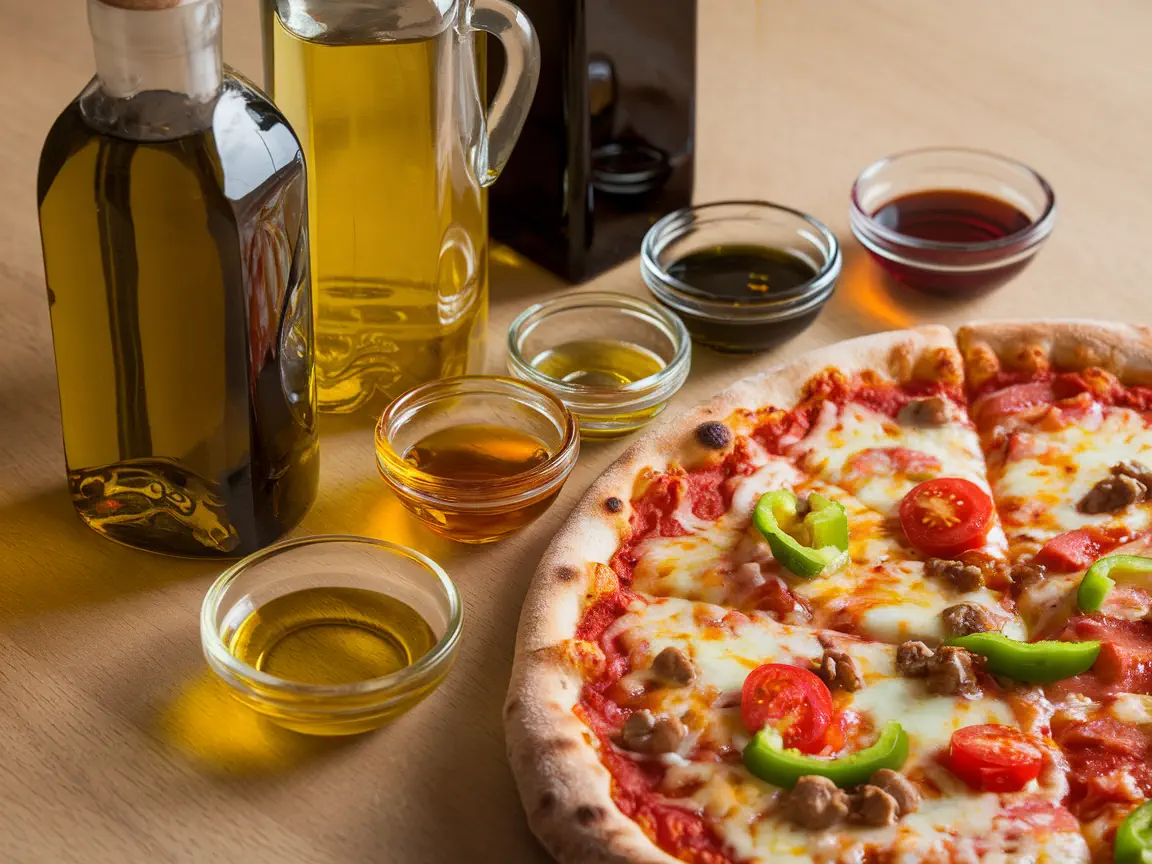
Choosing the right type of oil impacts pizza dough’s texture and taste. Different oils absorb differently into the dough. The oil type also influences dough elasticity and crust crispness. Understanding each oil helps in crafting better pizza dough. Below are common oils used and their unique benefits.
Olive Oil Benefits
Olive oil is a classic choice for pizza dough. It enhances dough softness and adds a subtle fruity flavor. This oil helps keep dough moist during baking. Olive oil also improves dough stretchability, making it easier to shape. Its antioxidants can support yeast activity, aiding fermentation. Using olive oil gives dough a tender, rich texture.
Alternative Oils
Other oils offer different properties and flavors. Vegetable oil is neutral and won’t change taste much. Canola oil absorbs well and keeps dough light. Sunflower oil adds a mild nutty note to dough. Some bakers use avocado oil for a buttery richness. Each oil type changes dough moisture and handling slightly.
Flavor Profiles
Oil choice shapes the pizza’s final flavor profile. Olive oil delivers a fruity, slightly peppery taste. Nut oils, like walnut, add earthiness and depth. Mild oils keep the dough’s taste clean and simple. Strong-flavored oils can compete with toppings. Picking the right oil balances dough texture and flavor perfectly.
Oil Ratios And Measurements
Understanding the right amount of oil in pizza dough is key to perfect results. Oil affects dough texture, flavor, and how much it absorbs during mixing. Measuring oil correctly helps create dough that is soft but not greasy. It also controls how the dough holds moisture and stretches.
Too little or too much oil changes dough behavior and final pizza quality. Knowing the ideal oil ratio and balancing it with other ingredients ensures great taste and texture every time.
Ideal Oil Percentage
The ideal oil amount in pizza dough is usually between 2% and 5% of the flour weight. This small percentage improves dough softness and elasticity. It also slows down drying during baking. Using less than 2% oil can make the dough tough. More than 5% may result in a greasy crust.
Effects Of Excess Oil
Adding too much oil makes dough sticky and hard to handle. It reduces gluten strength, causing a dense texture. Excess oil also slows yeast activity, leading to slower rise and less volume. The crust may turn oily and heavy instead of crisp. Over-oiling can mask natural flavors and ruin the balance.
Balancing Oil With Other Ingredients
Oil must work well with flour, water, yeast, and salt. High oil levels need adjustments in water to keep dough hydrated. Salt controls yeast fermentation, which oil can affect. Proper mixing ensures oil coats flour evenly for consistent texture. Balancing these elements helps dough rise well and taste good.
Oil Absorption Factors
Understanding how pizza dough absorbs oil helps create better crusts. Oil affects texture, flavor, and dough handling. Several factors influence how much oil the dough can take in. These factors change the dough’s consistency and baking results. Knowing them helps you adjust your recipe for the best pizza.
Flour Type And Strength
Flour type greatly affects oil absorption in pizza dough. Strong flours with high protein bind more oil. They create a sturdy gluten network that holds fat well. Softer flours absorb less oil and produce tender dough. Using the right flour strength balances chewiness and oil retention.
Dough Hydration Levels
The amount of water in dough changes its oil absorption. Higher hydration makes dough softer and more open. This allows oil to spread easily through the dough. Lower hydration creates a tighter dough that resists oil penetration. Adjusting water content controls how much oil the dough takes in.
Humidity And Environmental Conditions
Humidity affects dough moisture and oil absorption too. In humid environments, dough holds more water naturally. This can reduce the dough’s ability to absorb additional oil. Dry conditions make dough drier, increasing oil uptake. Bakers must consider climate when mixing dough for consistent results.
Oil Interaction With Yeast
Oil plays a unique role in pizza dough, especially in how it interacts with yeast. This interaction affects dough texture, rise, and flavor. Understanding this relationship helps bakers adjust recipes for better results. Oil influences yeast activity in several ways, impacting the fermentation process and the final dough quality.
Yeast Health And Vigor
Oil can protect yeast cells from drying out during mixing. This protection helps yeast stay healthy and active longer. Healthy yeast produces more carbon dioxide, which makes the dough rise. Too much oil, though, might slow yeast growth and reduce its vigor. Balance is key to keep yeast strong without interference.
Oxygenation Replacement
Yeast needs oxygen to grow and multiply early in dough making. Oil can partially replace this oxygen by coating yeast cells. This coating slows oxygen loss, helping yeast survive in low-oxygen dough. It reduces the need for extra oxygenation steps during mixing. This is why some pizza dough recipes include oil for easier handling.
Fermentation Effects
Oil affects fermentation speed and flavor development in dough. It slows down fermentation by limiting yeast access to oxygen and nutrients. This slower fermentation enhances dough flavor and texture over time. Oil also helps keep dough moist, preventing it from drying during proofing. The result is a tender, flavorful crust with good rise.
Credit: www.pizzablab.com
Incorporation Techniques
Incorporation techniques play a key role in how oil interacts with pizza dough. The way oil is added and mixed affects the dough’s texture and absorption. Proper methods help achieve a soft, elastic dough that bakes evenly. These techniques control how oil coats the flour and integrates with other ingredients.
When To Add Oil
Timing matters for oil addition. Adding oil at the start allows it to blend well with flour and water. This helps reduce gluten formation, making the dough tender. Adding oil later, after some gluten has formed, keeps the dough stronger and more elastic. Some bakers add oil during kneading to control dough stickiness. Testing different times can show which method suits your recipe best.
Mixing Methods
Mixing shapes how oil spreads inside the dough. Slow mixing helps oil coat flour particles evenly. Fast mixing can trap air, creating a lighter dough. Hand kneading mixes oil gently but might take longer. Using a mixer ensures consistent oil distribution and faster dough development. Overmixing can break down gluten too much. Keep mixing balanced for optimal dough texture.
Impact On Dough Development
Oil influences gluten and dough strength. It coats proteins, limiting their bonding ability. This results in a softer, less chewy crust. Oil also retains moisture, keeping dough hydrated longer. Proper oil incorporation improves dough elasticity and stretch. It supports fermentation by protecting yeast cells. The right oil technique leads to a dough that rises well and bakes to perfection.
Oil’s Effect On Crust
Oil plays a key role in shaping the pizza crust. It changes how the dough feels and bakes. Understanding oil’s effect helps control the final crust texture and taste.
The type and amount of oil can make the crust crispy or soft. Oil also affects how heat moves through the dough during baking. This section explores these important factors.
Crispiness Vs Softness
Oil creates a barrier in the dough, limiting water loss. This keeps the crust moist and soft inside. More oil usually means a softer, tender crust.
Less oil leads to more water evaporation. The crust becomes drier and crispier. Balancing oil helps achieve the desired texture.
Oil On Dough Surface
Brushing oil on the dough surface adds flavor and shine. It also prevents the crust from drying out during baking. Surface oil helps create a golden brown color.
This oil layer can stop toppings from soaking into the dough. It keeps the crust light and less soggy. Use oil sparingly to avoid greasy crusts.
Baking Temperature Considerations
High baking temperatures make oil cook quickly. This can lead to a crisp, bubbly crust surface. Lower temperatures allow oil to soak deeper, softening the crust.
Adjust baking time with oil amount and oven heat. This balance controls crust texture and prevents burning. Oven type also affects oil behavior in the dough.
Common Mistakes And Fixes
Oil plays a key role in pizza dough, but mistakes in its use can cause problems. Knowing common errors and how to fix them helps create perfect dough. This section covers typical oil-related dough issues and easy adjustments.
Too Much Oil Consequences
Adding too much oil makes dough greasy and heavy. It loses its stretch and becomes hard to shape. The crust can turn soggy instead of crisp after baking. Excess oil also slows yeast activity, affecting dough rise. Too oily dough may stick to surfaces and be messy to handle.
Under-oiled Dough Issues
Too little oil causes dry and tough dough. It lacks softness and can tear when stretched. The dough may become sticky and hard to work with. Crusts without enough oil often bake too hard or crumbly. Under-oiled dough may not develop good flavor or color.
Adjusting Recipes
Start by measuring oil carefully for each recipe. Use kitchen scales or spoons for accuracy. Adjust oil amounts by small steps to find the right balance. Consider flour type and humidity as they affect oil absorption. Test the dough texture before baking and tweak oil as needed.
Calculating Oil Absorption
Calculating oil absorption in pizza dough helps bakers control texture and flavor. Oil affects dough softness, stretchability, and moisture retention. Understanding absorption ensures the right balance between oil and water in the dough. This balance impacts the final crust’s quality and taste.
Absorption Vs Hydration
Hydration means the amount of water in dough. Oil absorption measures how much oil the flour takes in. Both change dough’s feel but act differently. Water hydrates gluten and starch, making dough elastic. Oil coats flour particles, making dough tender and softer. Knowing the difference helps adjust recipes for desired results.
Using Calculators And Formulas
Simple calculators estimate oil absorption based on flour weight and type. Formulas often use percentages relative to flour weight. For example, 3% oil means 3 grams oil per 100 grams flour. Digital tools speed up calculations for larger batches. Accurate measurements improve dough consistency and baking outcomes.
Practical Tips For Home Bakers
Start with small oil amounts and increase as needed. Use measuring spoons or kitchen scales for precision. Mix oil with water before adding to flour for better distribution. Observe dough texture and adjust oil or water next time. Practice helps find the perfect oil absorption for your pizza dough.
Credit: www.pizzablab.com

Credit: www.amazon.com
Frequently Asked Questions
How Does Oil Affect Pizza Dough?
Oil enhances pizza dough by improving stretchability and moisture retention. It keeps dough soft and tender after baking. Oil also adds subtle flavor and helps yeast activity, contributing to a better texture and overall dough quality.
What Is The 55 Rule For Pizza Dough?
The 55 rule for pizza dough means using 55% hydration—55 grams of water per 100 grams of flour. This creates a balanced, workable dough.
What Happens If You Put Too Much Olive Oil In Pizza Dough?
Too much olive oil in pizza dough makes it greasy and heavy. It weakens gluten, causing a dense, less elastic texture.
What Is The Oil Ratio For Pizza Dough?
The ideal oil ratio for pizza dough is 1 to 3% of the flour weight. Olive oil enhances texture and flavor.
Conclusion
Oil absorption in pizza dough affects texture and flavor significantly. Different oils change how the dough feels and bakes. Temperature, flour type, and hydration also impact oil absorption. Controlling these factors helps make dough soft and easy to stretch. Understanding oil’s role improves your pizza-making process.
Experimenting with oil amounts can create varied crust results. Keep these points in mind for better pizza dough every time. Simple changes make a big difference in your homemade pizza.

As the author of the “Ultimate Pizza Guide: Recipes, Tips & Secrets Revealed,” I’m dedicated to sharing my love for pizza and empowering others to create delicious homemade pizzas with ease. Join me on a journey to uncover the secrets to perfecting your pizza game!