Are you wondering if pizza dough really needs oil? It’s a simple question, but the answer might surprise you.
Whether you’re aiming for a soft, chewy crust or a crispy, thin base, oil can play a role—but it’s not always necessary. You might think oil is just there to add flavor or richness, but it also affects how your dough stretches, rises, and bakes.
You’ll discover what oil does in pizza dough, when you should use it, and how to make great pizza without it. Keep reading to unlock the secrets that will help you bake your perfect pizza crust every time.
Oil’s Role In Dough
Oil plays an important role in pizza dough. It affects the dough’s feel and the final pizza crust. Adding oil changes how the dough behaves during mixing, rising, and baking. It also impacts taste and texture, making the dough softer and more flexible. Understanding oil’s role helps decide if and how much to use in your pizza dough recipe.
Adds Moisture And Richness
Oil adds moisture to the dough. It makes the dough less dry and sticky. This moisture helps keep the dough soft. Oil also adds richness, giving the dough a slight flavor boost. This richness improves the overall taste of the pizza crust.
Improves Dough Stretch
Oil helps the dough stretch easily. It lubricates the gluten strands, making them more flexible. This means the dough can stretch thin without tearing. A well-stretched dough cooks evenly and holds toppings better. Oil makes handling the dough smoother and less frustrating.
Affects Crust Texture And Color
Oil changes the crust’s texture. It creates a tender, softer crust rather than a hard, chewy one. Oil also helps brown the crust nicely during baking. This gives the pizza a golden color and a slight crispness on the outside. The result is a more attractive and tasty crust.

Credit: www.crustkingdom.com
Making Dough Without Oil
Making pizza dough without oil is simple and traditional. Many classic recipes skip oil and still produce great crusts. This approach suits those who want a lighter or oil-free pizza base. The dough relies on basic ingredients and good technique for texture and flavor.
Basic Oil-free Ingredients
To make dough without oil, you need flour, water, yeast, and salt. Some recipes add a small amount of sugar to help yeast grow. These ingredients create the dough’s structure and flavor without extra fat.
Use warm water to activate the yeast well. Mix all ingredients until the dough is smooth and elastic. Let it rise until doubled in size for the best result.
Alternative Moisture Sources
Without oil, moisture is key to a soft dough. Ingredients like yogurt, applesauce, or mashed potatoes add moisture and tenderness. These can replace some water and keep the dough from drying out.
These alternatives add slight flavor differences but help keep the dough soft and easy to work with. Experiment with small amounts to find what works best for you.
Texture And Flavor Differences
Oil-free dough tends to be less tender and a bit chewier. It often has a crisper crust after baking. The flavor is more straightforward, highlighting the flour and yeast.
Without oil, the dough may dry out faster during long baking. Proper hydration and baking time help prevent this. Oil-free dough offers a clean, simple taste that many enjoy for its traditional feel.
Tips For Perfect Crust
Creating the perfect pizza crust involves more than just mixing ingredients. Paying attention to key details can make your crust crisp, chewy, and flavorful. Understanding hydration, fermentation, and baking temperature helps you control the dough texture and taste.
Hydration Levels
Hydration means the amount of water in your dough. Higher hydration creates a lighter, airier crust. Too much water makes the dough sticky and hard to handle. Lower hydration gives a denser, crunchier crust. Adjust water to find the balance that suits your taste and skill.
Fermentation Time
Fermentation is the resting period for dough to rise and develop flavor. Longer fermentation creates a more complex taste and better texture. Short fermentation results in a simpler, softer crust. Cool fermentation in the fridge slows the process and improves flavor. Let dough rise until it doubles in size for good results.
Baking Temperature
High baking temperature is essential for a great crust. It creates a crispy outside and soft inside. Most home ovens work well at 450°F to 500°F. Preheat your oven and use a pizza stone or steel for even heat. Avoid low temperatures that cause soggy or tough crust.
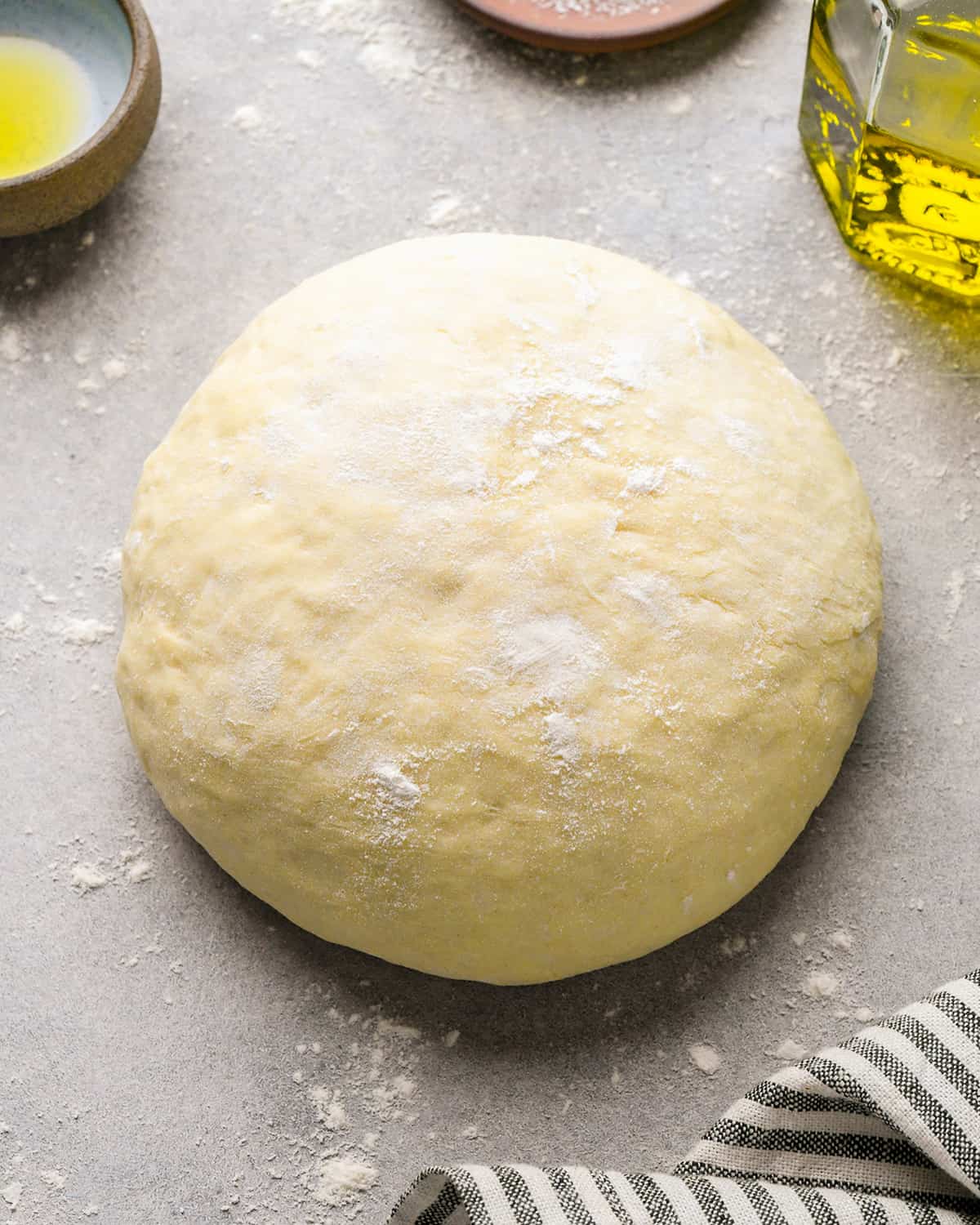
Credit: joyfoodsunshine.com
Common Myths About Oil
Many people believe oil is a must-have ingredient in pizza dough. This idea comes from common cooking tips and recipes. Some myths about oil in pizza dough cause confusion among home cooks. Understanding these myths helps make better dough choices.
Oil Is Essential For Flavor
Oil adds some taste, but it is not the main flavor source. Flour, yeast, and fermentation create most of the pizza dough’s flavor. You can still enjoy tasty dough without oil. Other ingredients like herbs or cheese improve flavor more.
Oil Prevents Dough From Sticking
Oil can help reduce stickiness on hands or surfaces. Yet, flouring the work surface works just as well. Proper kneading and resting also make dough easier to handle. Using too much oil may change dough texture negatively.
Oil Guarantees Crispy Crust
Oil can make crust softer, not always crispy. High heat and baking time affect crust crispiness more. A thin layer of oil on the baking tray helps crust crisp up. Adding oil inside the dough does not guarantee a crispy crust.
Choosing The Right Oil
Choosing the right oil for pizza dough can change its texture and flavor. Oil helps make the dough soft and easier to stretch. It also adds a subtle taste that can enhance the final pizza. Different oils bring unique benefits. Knowing which oil to use will help you bake better pizza at home.
Olive Oil Benefits
Olive oil is the most common choice for pizza dough. It adds a rich, fruity flavor that complements the toppings. Olive oil helps keep the dough moist and tender. It also improves the dough’s elasticity, making it easier to shape. Using olive oil can give your pizza a classic Italian touch.
Other Oil Options
Vegetable oil and canola oil are good alternatives to olive oil. They have a neutral taste, so they do not change the dough’s flavor much. These oils are usually less expensive and easy to find. Some people use sunflower or avocado oil for a mild, nutty flavor. Pick an oil that suits your taste and budget.
How Much Oil To Use
Adding too much oil can make the dough greasy and heavy. A good amount is usually one to two tablespoons per four cups of flour. This quantity keeps the dough soft without making it oily. Adding oil during mixing is best for even distribution. Measure carefully for consistent results every time.

Credit: brickovensforsale.com
Handling Dough With And Without Oil
Handling pizza dough with or without oil changes the feel and workability. Oil softens the dough, making it smoother and easier to handle. Without oil, dough can be slightly drier and firmer. Both methods have their own benefits and challenges. Understanding how to manage dough in each case helps create better pizza crusts.
Mastering the right touch during kneading, stretching, and preventing dryness improves your dough’s texture. These skills make a big difference no matter your recipe.
Kneading Techniques
For dough with oil, knead gently. The oil lubricates the gluten, so less force is needed. Use a folding motion to keep dough soft and elastic. Without oil, knead more firmly to develop gluten. Press and fold the dough repeatedly. This builds strength and structure. Avoid over-kneading oil dough to prevent it from becoming too sticky.
Stretching Tips
Oil in dough helps it stretch smoothly without tearing. Use your hands to gently pull the dough outward. Keep the edges thicker for a nice crust. Dough without oil requires a slower, careful stretch. Let the dough rest if it resists stretching. This relaxes the gluten and reduces spring-back. Use a floured surface to prevent sticking in both cases.
Preventing Dryness
Oil locks in moisture, keeping dough soft during handling. Cover dough with a damp cloth or plastic wrap to stop drying. For oil-free dough, extra care is needed to avoid cracks. Handle dough quickly and keep it covered between steps. Spritz a little water on the surface if it feels dry. Proper storage and humidity control are key for both dough types.
Frequently Asked Questions
Do You Need Oil In Pizza Dough?
Oil is not essential in pizza dough but prevents dryness and adds tenderness, especially in slower cooking or shorter fermentation. Dough without oil can still be delicious, tender, or crispy with proper hydration and baking techniques.
Can I Make Pizza Dough Without Oil?
Yes, you can make pizza dough without oil using flour, water, yeast, and salt. It yields a tender, crispy crust with proper hydration and baking. Alternatives like applesauce or yogurt add moisture and softness for a healthier, oil-free option.
What Effect Does Oil Have On Pizza Dough?
Oil in pizza dough adds tenderness, prevents drying, improves elasticity, and enhances crust softness and flavor during baking.
What Is The Secret To Making Good Pizza Dough?
The secret to good pizza dough lies in quality flour, proper hydration, and adequate fermentation time. Knead well and bake at high heat for a tender, flavorful crust.
Conclusion
Pizza dough can be made with or without oil. Oil helps keep the dough soft and prevents drying. It also adds slight tenderness to the crust. Without oil, dough may feel a bit firmer but still tastes great. Proper kneading and fermentation matter more for good texture.
Some use alternatives like applesauce or yogurt for moisture. Choose what fits your recipe and taste. Experiment to find your favorite pizza dough style. Both oil and oil-free doughs can make delicious pizzas at home.

As the author of the “Ultimate Pizza Guide: Recipes, Tips & Secrets Revealed,” I’m dedicated to sharing my love for pizza and empowering others to create delicious homemade pizzas with ease. Join me on a journey to uncover the secrets to perfecting your pizza game!