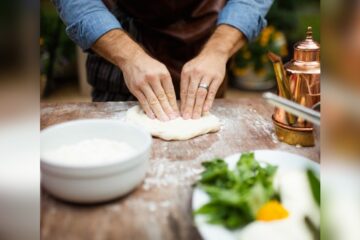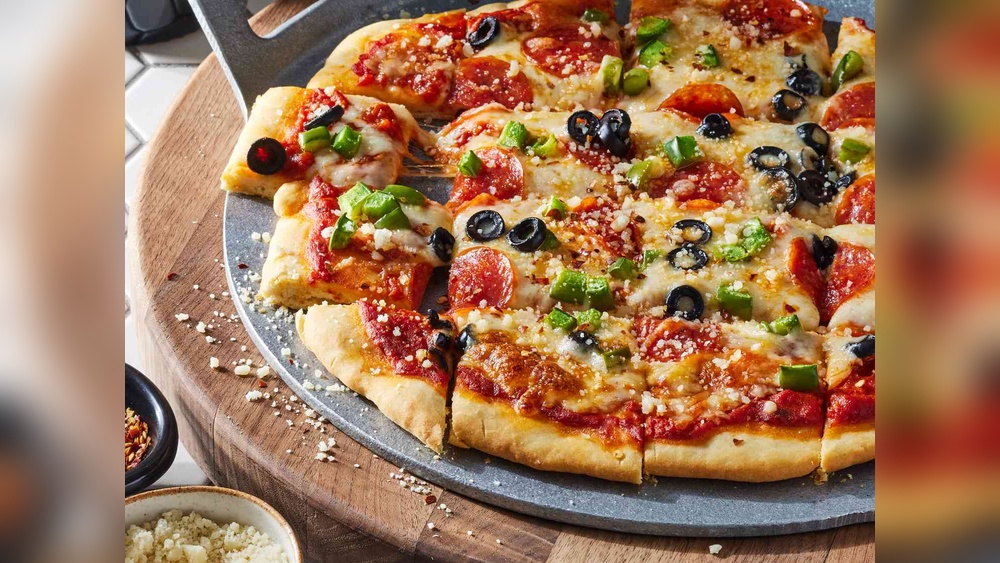
“Pizza Dough Sugar Alternatives”
When you’re making pizza dough at home, sugar plays an important role—not just for flavor, but also for helping the yeast do its job. But what if you want to skip regular sugar or try something different?
Maybe you’re watching your sugar intake, or simply curious about how alternatives might change your dough’s taste and texture. You’re in the right place. You’ll discover easy, effective sugar substitutes that keep your pizza dough rising perfectly. Plus, you’ll learn how each option impacts your dough’s flavor and baking process.
Ready to bake pizza dough that fits your taste and health goals? Let’s dive into the best sugar alternatives for pizza dough.
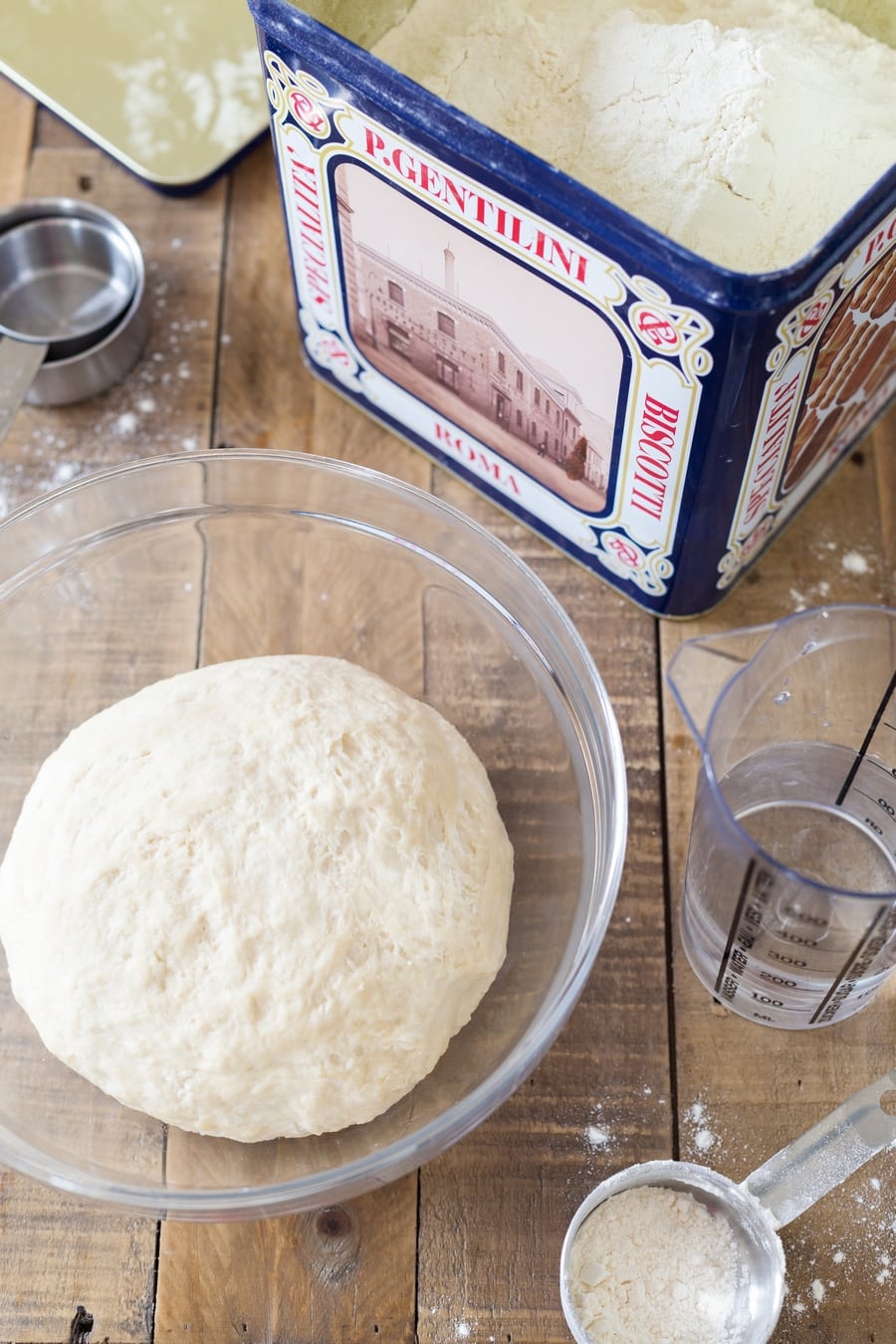
Credit: electricbluefood.com
Role Of Sugar In Pizza Dough
Sugar plays a crucial role in pizza dough. It feeds the yeast, helping the dough rise properly. Sugar also affects the dough’s texture and color. Understanding how sugar works can help you choose the best alternatives for your recipe.
How Sugar Affects Yeast Activation
Sugar acts as food for yeast. Yeast eats sugar and produces gas bubbles. These bubbles make the dough rise. Without sugar, yeast works slower. Some sugar is needed to start yeast activity quickly. Too much sugar can harm yeast and slow down rising.
Sugar And Dough Rising Time
Sugar shortens the dough rising time. It gives yeast extra energy to grow fast. Dough with sugar rises quicker and becomes lighter. Without sugar, dough takes longer to rise. The rising time depends on sugar amount and yeast type.
Impact On Crust Browning
Sugar helps crust turn golden brown. During baking, sugar reacts with heat and proteins. This reaction creates a nice color and flavor. Dough without sugar may look pale and less tasty. Sugar also adds a slight sweetness to the crust.
Common Sugar Alternatives
Using sugar alternatives in pizza dough can add unique flavors and benefits. These common substitutes provide natural sweetness and help feed the yeast. Each option brings a distinct taste and texture to your dough. Experimenting with these can improve your homemade pizza experience.
Honey
Honey is a natural sweetener with a mild floral flavor. It dissolves easily in warm water and helps activate yeast. Honey adds moisture to the dough, making it soft and tender. It also speeds up the rising process slightly. Use raw or pure honey for the best results.
Maple Syrup
Maple syrup offers a rich, earthy sweetness to pizza dough. It contains minerals and antioxidants, making it a healthier option. Like honey, it is liquid and blends well with other ingredients. Maple syrup can create a slightly caramelized crust when baked. Choose pure maple syrup over flavored syrups.
Molasses
Molasses has a strong, bold taste with a hint of bitterness. It is thicker and darker than other sweeteners. This syrup adds depth and color to the dough. Molasses contains iron and calcium, which can boost nutrition. Use it sparingly to avoid overpowering the dough’s flavor.
Agave Nectar
Agave nectar is a sweet syrup extracted from the agave plant. It has a mild, neutral flavor that blends easily. Agave dissolves quickly in liquids, helping yeast activation. It is lower on the glycemic index compared to sugar. Agave nectar can keep the dough moist and tender.
Natural Liquid Sweeteners
Natural liquid sweeteners offer gentle sweetness and moisture to pizza dough. They help yeast activate and improve dough texture. These sweeteners come from natural sources and add subtle flavors. Using liquid sweeteners keeps your dough tender and slightly sweet without refined sugar.
Fruit Juices
Fruit juices like apple, orange, or pineapple juice work well as sugar alternatives. They contain natural sugars and enzymes that feed the yeast. Using fruit juice adds a mild fruity note to the dough. Choose 100% pure juice without added sugar for best results. Adjust the liquid amount in the recipe to balance moisture.
Canned Fruit Liquids
Liquids from canned fruits, such as pears or peaches, provide a sweet and flavorful option. These syrups contain natural fruit sugars that help dough rise. Use the syrup sparingly, as it can be sweeter than fresh juice. Strain the liquid to remove any pulp or pieces before adding it. This alternative adds moisture and a unique taste to pizza dough.

Credit: www.youtube.com
Dry Sugar Substitutes
Dry sugar substitutes offer a great way to keep pizza dough sweet without using plain white sugar. These alternatives help feed the yeast and add flavor. They often bring unique textures and colors to the dough. Choosing the right dry sugar substitute depends on your taste and recipe needs.
Brown Sugar
Brown sugar works well as a dry sugar substitute in pizza dough. It contains molasses, which adds moisture and a rich flavor. This sugar helps the dough rise and gives it a slight caramel taste. The darker the brown sugar, the stronger the flavor it provides.
Use brown sugar in the same amount as white sugar in your recipe. It can make the crust browner and softer. Brown sugar also adds a bit more nutrients compared to white sugar.
Flour As A Slow Sugar Source
Flour itself can act as a slow sugar source for pizza dough. During fermentation, enzymes break down starch in flour into simple sugars. These sugars feed the yeast slowly over time. This process helps create a natural sweetness in the dough.
Using more flour and less sugar can give a gentle rise and mild flavor. Whole wheat flour has more natural sugars and nutrients than white flour. This makes it a good choice for slow sugar release in pizza dough.
Effects On Dough Hydration
The type of sugar alternative used in pizza dough influences dough hydration. Hydration affects dough texture and handling. Sugar alternatives can add moisture or absorb water differently. This changes how much liquid the dough needs. Understanding these effects helps create better dough with the right consistency.
Wet Vs Dry Sweeteners
Wet sweeteners like honey or agave bring extra moisture to dough. This increases the dough’s hydration level naturally. Dry sweeteners such as granulated sugar or powdered sugar do not add liquid. Using wet sweeteners may require reducing other liquids in the recipe. Dry sweeteners absorb some water, sometimes making dough stiffer.
Adjusting Liquid Content
Adjust liquid amounts based on the sweetener type used. For wet sweeteners, reduce water or milk slightly. This keeps dough from becoming too sticky or soft. For dry sweeteners, no liquid adjustment is usually needed. Always check dough feel during mixing. Add small amounts of water if dough feels dry or crumbly. Proper hydration ensures dough stretches well and bakes evenly.
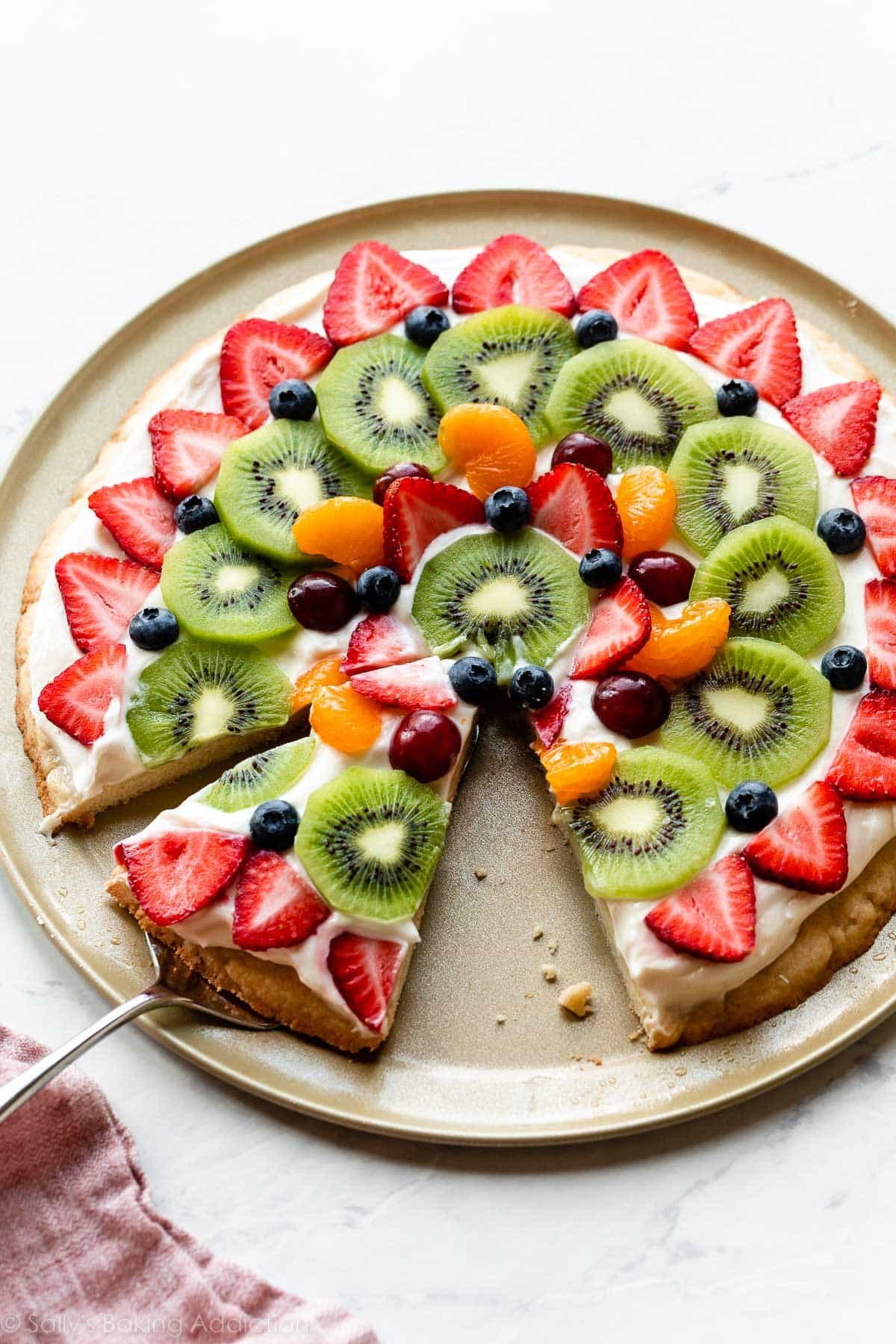
Credit: sallysbakingaddiction.com
Sugar-free Pizza Dough Tips
Creating sugar-free pizza dough can be simple and satisfying. Skipping sugar does not mean losing the dough’s rise or texture. Small changes in the process help keep the dough soft and airy. These tips focus on how to activate yeast, keep the dough’s texture, and adjust baking temperatures for the best results.
Yeast Activation Without Sugar
Yeast feeds on sugar to grow and create air bubbles. Without sugar, yeast still works but slower. Use warm water around 105°F to 110°F to help yeast wake up. Let yeast sit in water for 10 minutes until it bubbles. Adding a teaspoon of honey or fruit juice can boost activation without much sugar. Stir gently and wait for froth to form before mixing dough.
Maintaining Dough Texture
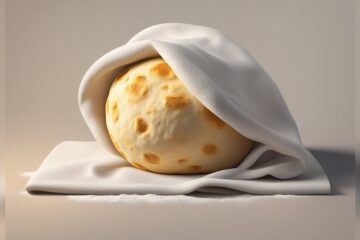
Texture stays soft with proper hydration. Use slightly more water to keep dough moist. Olive oil adds softness and helps dough stretch. Knead dough well to develop gluten structure. Rest dough longer, about 1 to 2 hours, to improve elasticity. Cover dough with a damp cloth to prevent drying out. Avoid adding extra flour while kneading to keep dough tender.
Baking Temperature Considerations
High heat makes crust crispy and cooks dough evenly. Preheat oven to 475°F or higher for best crust. Use a pizza stone or steel to keep heat steady. Bake dough for 10 to 15 minutes until golden brown. Check often to avoid burning. Lower sugar means less browning, so watch crust color closely. Adjust baking time if dough looks pale but feels cooked inside.
Flavor Profiles Of Sugar Alternatives
Choosing the right sugar alternative for pizza dough can change its taste and texture. Different sweeteners bring unique flavors beyond just sweetness. Understanding these flavor profiles helps pick the best option for your dough. This section explores the intensity of sweetness and other flavor notes in popular sugar substitutes for pizza dough.
Sweetness Intensity
Sugar alternatives vary widely in sweetness. Some are as sweet as regular sugar, while others are sweeter or less sweet. For example, honey is about as sweet as sugar but adds moisture. Agave syrup is sweeter than sugar, so you need less. Stevia is much sweeter, so use it sparingly. Maple syrup offers moderate sweetness with a rich taste. Choosing the right level of sweetness affects the dough’s rise and final flavor.
Additional Flavor Notes
Many sugar substitutes carry extra flavors that impact pizza dough taste. Honey adds floral and fruity hints. Maple syrup brings a warm, woody flavor. Molasses offers a deep, slightly bitter taste with caramel notes. Coconut sugar has a mild caramel flavor that blends well. Agave syrup is mild and neutral. These notes can complement or change the dough’s flavor, so consider them when selecting your sweetener.
Health Benefits Of Sugar Substitutes
Sugar substitutes in pizza dough offer more than just sweetness. They bring health benefits that suit many diets and lifestyles. Choosing the right alternative can improve your pizza’s nutritional profile and suit your body’s needs.
Lower Glycemic Impact
Sugar substitutes often have a lower glycemic index than regular sugar. This means they cause a slower rise in blood sugar levels. A steady blood sugar level helps avoid energy crashes and cravings. It supports better insulin response and reduces the risk of type 2 diabetes. Using these alternatives in pizza dough can help maintain balanced energy throughout the day.
Nutritional Advantages
Many sugar substitutes contain fewer calories than sugar. This helps in managing weight without sacrificing flavor. Some substitutes, like stevia or erythritol, come from natural sources. They provide sweetness without the added sugars that harm teeth or cause inflammation. Certain alternatives also offer small amounts of vitamins or antioxidants. These nutrients support overall health while enjoying your favorite pizza.
Practical Baking Tips
Using sugar alternatives in pizza dough changes the baking process slightly. Adjustments help keep the dough texture and rise just right. Simple tips make the switch easier for home bakers.
Measuring Sweeteners
Measure sugar substitutes carefully. Different sweeteners vary in sweetness and weight. Use a kitchen scale for accuracy. If using liquid sweeteners, reduce added water in the recipe. This keeps dough hydration balanced.
Balancing Dough Consistency
Check dough feel often during mixing. Some sugar alternatives absorb more moisture. Add flour or liquid in small amounts to fix texture. The dough should be smooth and elastic. Avoid sticky or overly dry dough.
Trial And Error Approach
Test small batches first. Note how each sweetener affects dough rise and taste. Adjust amounts and ingredients as needed. Baking times may change slightly with different sugars. Keep notes for your best results next time.
Frequently Asked Questions
What Can I Replace Sugar With In Pizza Dough?
Replace sugar in pizza dough with honey, maple syrup, molasses, or agave for natural sweetness and yeast activation. Flour also works but slower.
Can Pizza Dough Rise Without Sugar?
Pizza dough can rise without sugar because yeast feeds on natural sugars in flour. Sugar speeds up rising but isn’t essential.
Can I Leave Sugar Out Of Pizza Dough?
Yes, you can leave sugar out of pizza dough. Sugar speeds rising and browning but isn’t essential. Without sugar, dough rises slower and browns less. Use honey or maple syrup as natural sugar alternatives to activate yeast if desired.
What Can I Use Instead Of Sugar To Activate Yeast?
Use honey, maple syrup, molasses, agave, or a small amount of flour to activate yeast. These provide natural sugars yeast feeds on.
Conclusion
Choosing the right sugar alternative can improve your pizza dough’s taste and texture. Natural options like honey or maple syrup add gentle sweetness and help with yeast activity. Dry substitutes such as stevia or coconut sugar work well too but affect moisture differently.
Experiment with small amounts to find what suits your recipe best. Remember, some doughs rise fine without sugar at all. Simple changes can still create delicious, homemade pizza. Keep baking and enjoy the process of making your perfect crust.

As the author of the “Ultimate Pizza Guide: Recipes, Tips & Secrets Revealed,” I’m dedicated to sharing my love for pizza and empowering others to create delicious homemade pizzas with ease. Join me on a journey to uncover the secrets to perfecting your pizza game!