
“Pizza Oven Dome Shape Impact”
The humble pizza oven, a staple of Italian culinary tradition, has evolved dramatically. While wood-fired brick ovens remain the gold standard for many, modern iterations, including portable and gas-powered models, offer convenience and accessibility. Central to the performance of any pizza oven, regardless of its fuel source or portability, is its dome shape. This seemingly simple architectural element plays a profound role in heat distribution, cooking efficiency, and ultimately, the quality of the pizza produced. Understanding how different dome shapes influence these factors is crucial for both home enthusiasts and professional pizzaiolos seeking to achieve that perfect, Neapolitan-style crust.
The ideal pizza oven dome is a complex interplay of geometry, material science, and thermodynamics. It’s not just about aesthetics; the curve and volume of the dome directly impact how heat circulates and reflects, creating the intense, even cooking environment necessary for baking a pizza in mere minutes.
From the classic parabolic curves of traditional Neapolitan ovens to the more contemporary hemispherical or even rectangular designs, each shape offers a unique set of advantages and disadvantages. This exploration will delve into the science behind these shapes, examining how they affect heat retention, airflow, and the overall cooking process, empowering you to make informed decisions about pizza oven design and selection.
Key Takeaways
- The dome shape of a pizza oven is critical for efficient heat circulation and retention, directly impacting cooking performance.
- Parabolic domes are ideal for reflecting heat directly onto the pizza, mimicking traditional Neapolitan ovens and promoting even cooking.
- Hemispherical domes offer good heat retention and are easier to construct but may require more careful heat management for even cooking.
- The volume and height of the dome influence heat distribution; a lower, tighter dome generally cooks faster and hotter.
- Material choice (e.g., refractory brick, stainless steel) interacts with dome shape to affect heat absorption and radiation.
- Ventilation is a key consideration, with chimney placement and size influencing airflow and smoke evacuation.
- Understanding these principles helps in selecting or building a pizza oven that meets specific cooking needs and desired pizza styles.
The Science Of Heat In A Pizza Oven Dome
The primary function of a pizza oven dome is to trap and circulate heat efficiently. This is achieved through a combination of convection, conduction, and radiation. Understanding these heat transfer methods is fundamental to appreciating why dome shape matters so much.
Convection: The Movement Of Hot Air
Convection is the process by which heat is transferred through the movement of fluids, in this case, air. In a pizza oven, the heat source (wood fire or gas burner) heats the air at the bottom of the oven. This hot air becomes less dense and rises.
As it reaches the dome, it cools slightly, becomes denser, and then descends, creating a continuous cycle of air circulation. The shape of the dome dictates how this convection current flows. An optimally shaped dome will encourage a smooth, consistent flow of hot air around the pizza, ensuring even cooking of both the top and bottom crust.
Conduction: Heat Transfer Through Contact
Conduction is the transfer of heat through direct contact. The pizza stone or hearth absorbs heat from the oven floor and then transfers it directly to the base of the pizza crust. The dome’s shape influences how much radiant heat reaches the hearth, indirectly affecting its temperature and thus the conduction process.
A well-designed dome will ensure the hearth reaches and maintains the high temperatures required for a crispy pizza base.
Radiation: The Invisible Heat Waves
Radiation is the transfer of heat through electromagnetic waves, much like the warmth you feel from the sun. In a pizza oven, the hot dome and the fire itself radiate intense heat downwards onto the pizza. This is arguably the most crucial form of heat transfer for achieving a perfectly cooked pizza, as it rapidly cooks the toppings and the top of the crust.
The geometry of the dome plays a pivotal role in how effectively this radiant heat is focused onto the cooking surface.
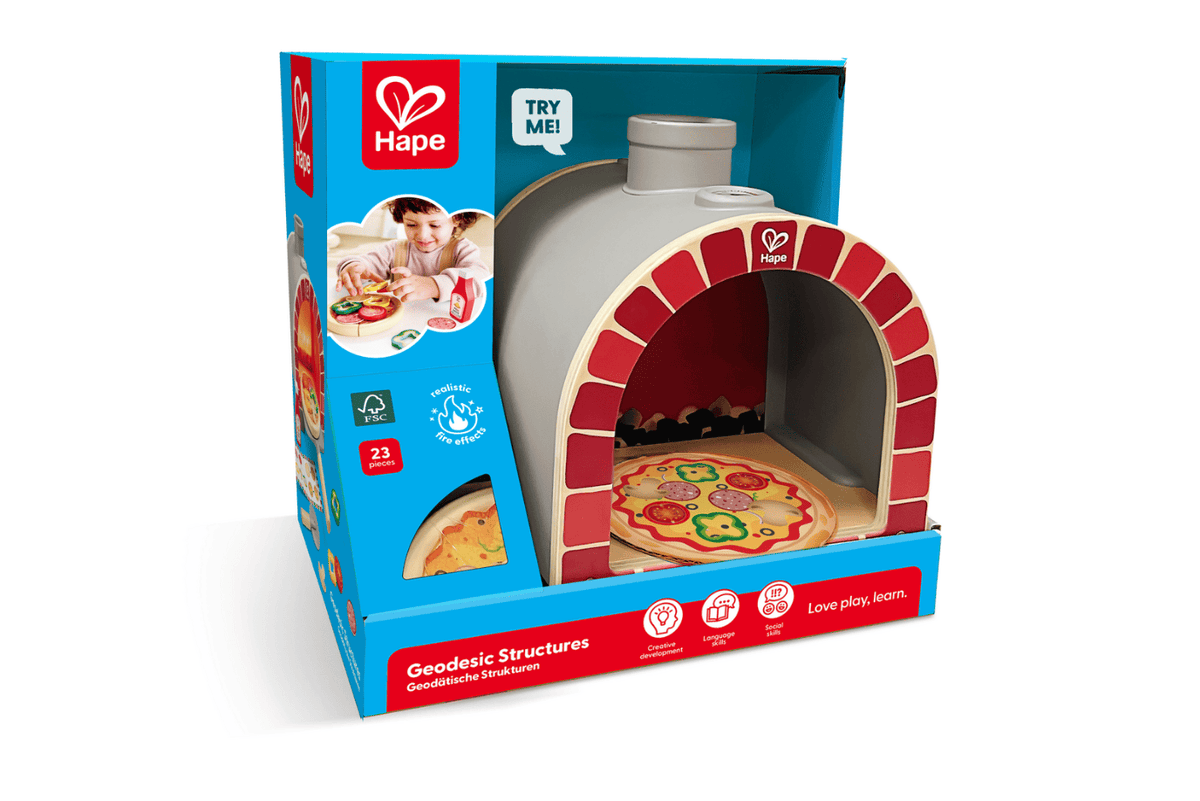
Credit: themontessoriroom.com
The Impact Of Parabolic Dome Shapes
The parabolic dome is often considered the quintessential shape for wood-fired pizza ovens, particularly those aiming for authentic Neapolitan-style pizzas. A parabola is a U-shaped curve, and when used in three dimensions to form a dome, it possesses unique reflective properties.
Reflecting Heat For Even Cooking
A parabolic dome is designed to reflect heat emitted from the fire and the hot dome walls directly downwards onto the pizza. This focused reflection ensures that the top of the pizza receives intense, even heat, cooking the toppings quickly and charring the crust to perfection without burning.
The shape minimizes heat loss upwards and outwards, concentrating it where it’s needed most. This is why traditional Neapolitan pizzerias often achieve cooking times of 60-90 seconds.
Airflow Dynamics In Parabolic Domes
The curved nature of the parabolic shape also influences airflow. As hot air rises from the fire, it travels up the sides of the dome, reflects off the apex, and then descends in a circular motion. This creates a consistent convection current that circulates around the pizza.
The exact angle of the parabola affects the speed and efficiency of this circulation. A steeper parabola might create a faster, more intense heat, while a shallower one might offer a gentler, more even bake.
Material Synergy With Parabolic Designs
Parabolic domes are traditionally built from refractory materials like firebricks and clay. These materials have excellent heat retention and thermal mass, meaning they absorb a lot of heat and release it slowly and evenly. When combined with the reflective properties of a parabolic shape, this mass ensures that the oven maintains a stable, high temperature, crucial for repeated baking and achieving consistent results. The thermal mass also helps to smooth out temperature fluctuations caused by opening the oven door.
Exploring Hemispherical Dome Designs
While parabolic domes excel at focused heat reflection, the hemispherical dome (a perfect half-sphere) is another common and effective design, often found in both traditional brick ovens and many modern, portable pizza ovens.
Heat Retention And Distribution
Hemispherical domes offer excellent heat retention due to their compact and enclosed nature. Heat tends to circulate within the dome, creating a consistent baking environment. While they don’t focus heat quite as precisely as a parabolic shape, the overall volume and curvature still promote good convection.
Hot air rises, circulates along the curved walls, and descends. The efficiency of this circulation depends on the dome’s height relative to its diameter.
Construction Simplicity
From a construction standpoint, hemispherical domes can be simpler to build than perfect parabolic shapes, especially when using pre-fabricated dome kits or standard bricks. This ease of construction has made them popular for DIY oven projects and many commercially available portable ovens.
The consistent curvature simplifies the process of laying bricks or assembling sections.
Cooking Characteristics
Hemispherical domes generally provide a more diffused heat compared to parabolic designs. This can be advantageous for baking pizzas that require slightly longer cooking times or for those who prefer a less intense char on the crust. However, achieving the rapid, 90-second Neapolitan bake might require more attention to airflow and potentially a smaller oven volume to concentrate the heat effectively.
Comparison: Parabolic Vs. Hemispherical Domes
| Feature | Parabolic Dome | Hemispherical Dome |
|---|---|---|
| **Heat Reflection** | Highly focused, directs heat downwards | More diffused, general reflection |
| **Cooking Speed** | Faster, ideal for Neapolitan style (60-90 sec) | Moderate, suitable for various pizza styles |
| **Evenness** | Excellent, due to focused radiant heat | Good, relies more on convection circulation |
| **Construction** | Can be complex to achieve perfect geometry | Generally simpler, especially with kits |
| **Heat Retention** | Excellent, especially with high thermal mass | Very good, due to enclosed shape |
| **Airflow** | Encourages strong, circular convection | Good, but can be less directed than parabolic |
| **Ideal Use** | Authentic Neapolitan pizza, high-heat baking | Versatile baking, easier DIY builds, portable ovens |

Credit: www.pizzablab.com
The Role Of Dome Volume And Height
Beyond the overall shape, the volume and height of the dome are critical factors influencing how a pizza oven performs. These dimensions directly affect the temperature, cooking time, and heat distribution.
Lower Domes: High Heat, Fast Cooking
Ovens with lower, tighter domes generally cook hotter and faster. In a lower dome, the distance between the heat source (or radiant dome surface) and the pizza is reduced. This means radiant heat has a shorter path to travel, intensifying its effect on the pizza’s surface.
The reduced air volume also means the oven heats up faster and can reach higher temperatures more quickly. This is ideal for achieving the characteristic char and rapid bake of Neapolitan pizzas. The restricted space also helps to concentrate heat, making it more efficient for cooking.
Higher Domes: Slower Cooking, More Versatility
Conversely, ovens with higher domes have a larger volume of air. This allows for more gradual heat circulation and a less intense radiant heat hitting the pizza directly. While they may take longer to heat up and might not reach the extreme temperatures of lower-domed ovens, higher domes offer greater versatility.
They are better suited for baking a wider range of items, including bread, roasts, and pizzas that require longer cooking times at slightly lower temperatures. The increased volume allows for more stable temperatures and less risk of burning the pizza base before the top is cooked.
The Hearth-to-dome Ratio
The ratio of the hearth (cooking surface) diameter to the dome height is also significant. A common guideline for traditional wood-fired ovens is a hearth diameter of roughly 3 times the dome height. This ratio helps to balance the intense heat from the dome with the heat coming from the hearth, promoting even cooking.
If the dome is too high relative to the hearth, the heat might not reach the pizza effectively. If it’s too low, the pizza might burn before it cooks through.
Material Matters: How Dome Construction Affects Performance
The material used to construct the pizza oven dome significantly influences its heat dynamics. Different materials absorb, retain, and radiate heat in distinct ways, working in concert with the dome’s shape.
Refractory Bricks And Clay: Thermal Mass Champions
Traditional pizza ovens are often built using refractory bricks (firebricks) or clay. These materials possess high thermal mass, meaning they can absorb and store a large amount of heat. Once heated, they release this stored energy slowly and evenly over time.
- Heat Absorption: These materials absorb heat from the fire or heating element effectively.
- Heat Retention: Their density allows them to retain heat for extended periods, even after the primary heat source is removed.
- Radiant Heat: Once hot, they become excellent radiators, emitting a consistent, intense heat downwards onto the pizza.
- Durability: They are highly resistant to extreme temperatures and thermal shock.
The thick walls of brick or clay domes contribute significantly to the oven’s ability to maintain high temperatures, which is essential for high-heat pizza baking.
Stainless Steel: Lightweight And Responsive
Many modern portable pizza ovens utilize stainless steel for their domes. Stainless steel has a much lower thermal mass compared to brick or clay.
- Heat Absorption: Steel heats up very quickly when exposed to the flame or heating element.
- Heat Retention: It loses heat much faster than brick, meaning it cools down more rapidly once the heat source is removed.
- Radiant Heat: While it can get very hot, the radiant heat might be less consistent over longer periods compared to refractory materials.
- Responsiveness: Its quick heating and cooling make it very responsive to changes in the heat source.
Ovens with stainless steel domes often rely on insulation layers (like ceramic fiber blankets) beneath the steel to retain heat more effectively. Their lighter weight also makes them highly portable.
Composite Materials: Blending Properties
Some manufacturers use composite materials, combining refractory cement with other insulating aggregates. These can offer a balance between thermal mass and weight, often providing good heat retention and durability in a lighter package than solid brick.
Ventilation And Chimney Placement: Controlling The Airflow
Effective ventilation is crucial for any pizza oven, and the chimney placement and design are directly influenced by the dome’s shape and the desired cooking process. The chimney’s primary roles are to draw fresh air into the oven to feed the fire (in wood-fired models) and to vent smoke and excess heat.
Chimney Position And Its Effects
- Front Chimney: Placing the chimney towards the front of the oven, often just outside the main dome opening, is common in many designs. This placement helps to draw air across the fire (if wood-fired) and then over the pizza before exiting. It can create a strong airflow but may also pull some heat away from the cooking surface.
- Top Chimney: Some ovens feature a chimney located at the apex or slightly back from the apex of the dome. This position is highly effective for drawing hot air upwards and out, promoting excellent convection within the dome. It tends to keep more heat concentrated within the cooking chamber, ideal for high-temperature baking. This is often seen in designs where the fire is contained within the main dome or at the rear.
The Importance Of Draft
The chimney’s height and diameter, along with the size of the oven opening, create a draft. A good draft ensures that combustion air is drawn into the oven efficiently and that smoke is expelled without entering the cooking area. The shape of the dome can influence the natural convection currents, and the chimney must be positioned to work with, not against, these currents. For instance, in a dome designed for maximum heat retention, a chimney placed too far forward might disrupt the convection loop.
Managing Heat And Smoke
The correct ventilation system ensures that the oven reaches and maintains optimal cooking temperatures without excessive smoke buildup. In wood-fired ovens, the chimney placement is key to ensuring the fire burns cleanly and efficiently. In gas ovens, ventilation is primarily about removing combustion byproducts and maintaining consistent oven temperatures.
Real-world Examples And Case Studies
To better illustrate the impact of dome shape, let’s consider a couple of real-world scenarios and typical oven designs.
Case Study 1: The Traditional Neapolitan Pizzeria
A classic Neapolitan pizzeria uses a large, dome-shaped oven constructed from thick refractory bricks, often with a near-perfect parabolic interior. The dome is relatively low in proportion to the hearth diameter (approximately 1:3 ratio).
- Dome Shape: Parabolic, low profile.
- Material: Thick firebricks and clay mortar.
- Chimney: Typically located at the front, just outside the mouth of the oven.
- Impact: The parabolic shape intensely reflects the radiant heat from the roaring wood fire directly onto the pizza. The low dome ensures this heat is concentrated, allowing pizzas to cook in 60-90 seconds. The massive thermal mass of the brickwork provides incredible heat retention, enabling the oven to handle a high volume of orders without significant temperature drops. The front chimney draws air across the fire and out, maintaining the necessary draft.
Case Study 2: The Modern Portable Gas Oven
A popular portable pizza oven for home use features a stainless steel dome, often hemispherical or a slightly flattened dome. It typically includes a gas burner at the rear or side and is heavily insulated.
- Dome Shape: Hemispherical or flattened dome.
- Material: Stainless steel with ceramic fiber insulation.
- Chimney: Often located at the rear of the dome, above the gas burner.
- Impact: The gas burner provides a consistent heat source. The stainless steel dome heats up quickly, and the insulation helps retain that heat. The hemispherical shape promotes good circulation of heat from the burner. The rear chimney efficiently vents exhaust gases and helps draw heat down and around the pizza. Cooking times might be slightly longer than a traditional wood-fired oven (e.g., 2-5 minutes), but the convenience, portability, and consistent temperature control are major advantages for home cooks.
Choosing The Right Dome Shape For Your Needs
Selecting or building a pizza oven involves considering your primary cooking goals. The dome shape is a significant factor in achieving those goals.
For Authentic Neapolitan Pizza
If your goal is to replicate authentic Neapolitan pizza with its characteristic leopard-spotted char and rapid bake time, a parabolic dome with a low profile and high thermal mass is generally the best choice. Ovens designed for this purpose often have:
- A dome height that is roughly one-third of the hearth diameter.
- Interior surfaces made of dense refractory materials.
- A design that maximizes radiant heat reflection onto the cooking surface.
For Versatile Outdoor Cooking
If you plan to bake a variety of items, including bread, roasts, and different styles of pizza, a more versatile dome shape might be preferable.
- Hemispherical domes or slightly taller domes can offer a more balanced heat profile suitable for longer cooking times.
- Ovens with good insulation and controllable heat sources (gas or wood with good management) provide flexibility.
- Consider ovens where the fire can be moved to the side or rear, allowing for different heat zones within the oven.
For Portability And Convenience
For those prioritizing ease of use, quick heat-up times, and portability, stainless steel dome ovens often fit the bill.
- These ovens typically have hemispherical or slightly flattened dome shapes.
- Their lightweight construction and insulation make them easy to move and store.
- They heat up rapidly and are ideal for casual backyard pizza making. While they may not achieve the same extreme temperatures as a traditional brick oven, they offer excellent performance for their size and cost.
Frequently Asked Questions
What Is The Ideal Dome Height For A Pizza Oven?
The ideal dome height is relative to the hearth diameter and the desired cooking style. For authentic Neapolitan pizza, a common ratio is a dome height of about one-third of the hearth diameter, creating a low, intense heat environment. For more versatile baking, a slightly higher dome offers more balanced heat distribution and can accommodate larger items.
Does The Material Of The Dome Affect Cooking Time?
Yes, significantly. Refractory materials like brick and clay have high thermal mass, absorbing and retaining heat to provide consistent, intense radiant heat, leading to faster cooking times, especially for Neapolitan pizza. Stainless steel heats up much faster but loses heat more quickly, making it more responsive but potentially leading to slightly longer cooking times unless well-insulated.
Can A Hemispherical Dome Achieve Neapolitan-style Pizza?
It is possible, but often more challenging than with a parabolic dome. Hemispherical domes provide more diffused heat. To achieve a Neapolitan bake, you would typically need a smaller oven volume to concentrate the heat, a very hot fire, and careful management of airflow to ensure intense radiant heat reaches the pizza quickly.
How Does The Chimney Placement Impact The Dome’s Performance?
Chimney placement is critical for airflow and heat management. A chimney at the apex or rear of the dome draws hot air upwards, promoting strong convection within the dome and keeping heat concentrated for baking. A chimney placed at the front, near the oven opening, can create a good draft for wood fires but may draw some heat away from the cooking surface.
The goal is always to work with the natural convection currents created by the dome shape.
Are Dome-less Pizza Ovens Effective?
Dome-less ovens, often referred to as “brick ovens” with a flat roof, are less common for pizza due to the lack of concentrated radiant heat. While they can cook food through conduction from the hearth and convection, they generally lack the intense top-down radiant heat needed for a quick, perfectly charred pizza crust.
They are more suited for baking bread or roasting where intense top heat isn’t the primary requirement.
The journey into the world of pizza oven dome shapes reveals a fascinating blend of culinary tradition and scientific principles. From the focused heat reflection of parabolic designs to the balanced circulation within hemispherical chambers, each geometric choice directly influences the oven’s performance.
Whether you’re aiming for the lightning-fast bake of a Neapolitan masterpiece or the versatile capabilities of a backyard oven, understanding how dome shape, volume, material, and ventilation interact is key to achieving pizza perfection. By appreciating these nuances, enthusiasts can make more informed decisions, leading to countless delicious pizzas cooked in ovens that are perfectly suited to their needs.

As the author of the “Ultimate Pizza Guide: Recipes, Tips & Secrets Revealed,” I’m dedicated to sharing my love for pizza and empowering others to create delicious homemade pizzas with ease. Join me on a journey to uncover the secrets to perfecting your pizza game!